Are Heat Pumps Worth It for an Old House?
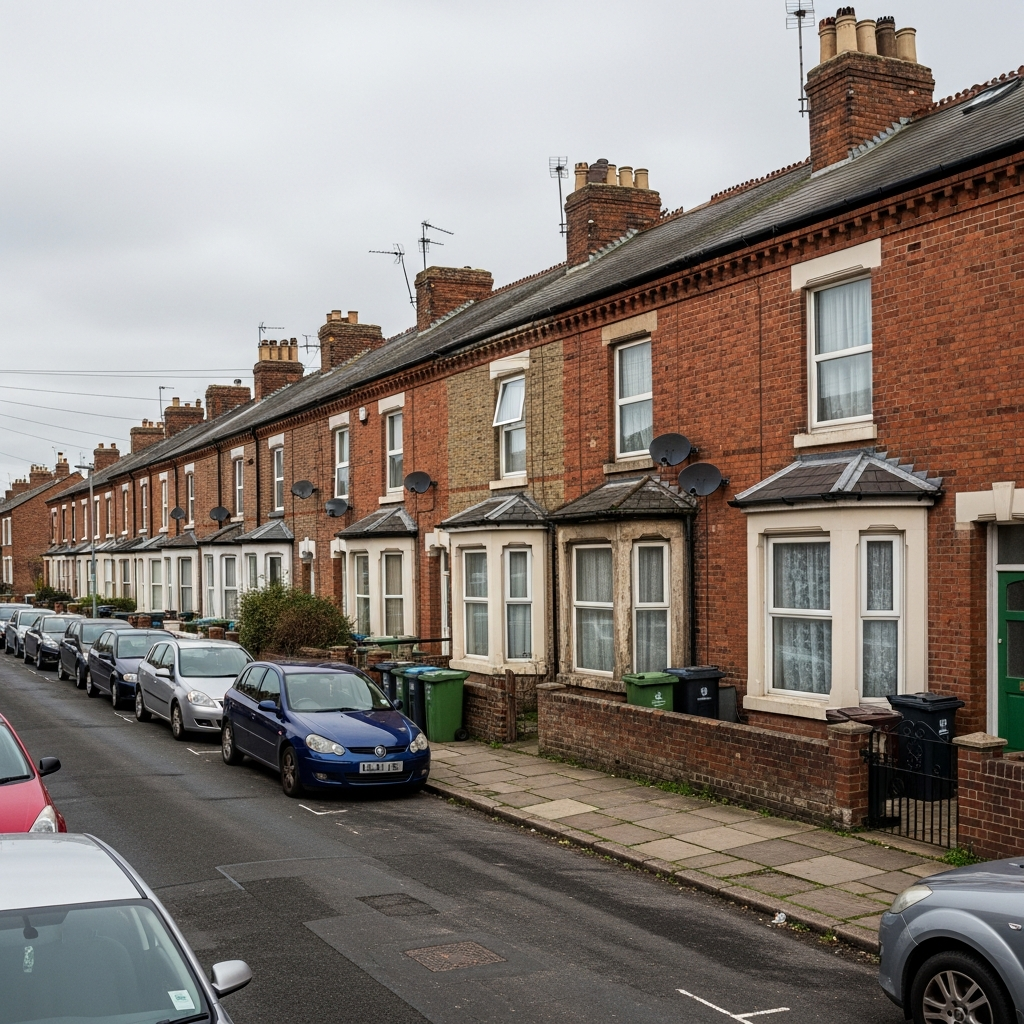
Old houses present the most interesting challenge for heat pumps. Thick stone walls, draughty windows, high ceilings, and characterful but thermally inefficient construction mean these properties lose heat faster than modern homes. That higher heat loss makes any heating system work harder — but it particularly affects heat pumps, which work most efficiently when demand is moderate.
The answer to whether a heat pump is worth it for your old house is not a simple yes or no. It depends on what kind of old house, how much insulation work you are prepared to do, and whether a high-temperature heat pump might bridge the gap. This guide works through each factor.
What Makes Old Houses Different?
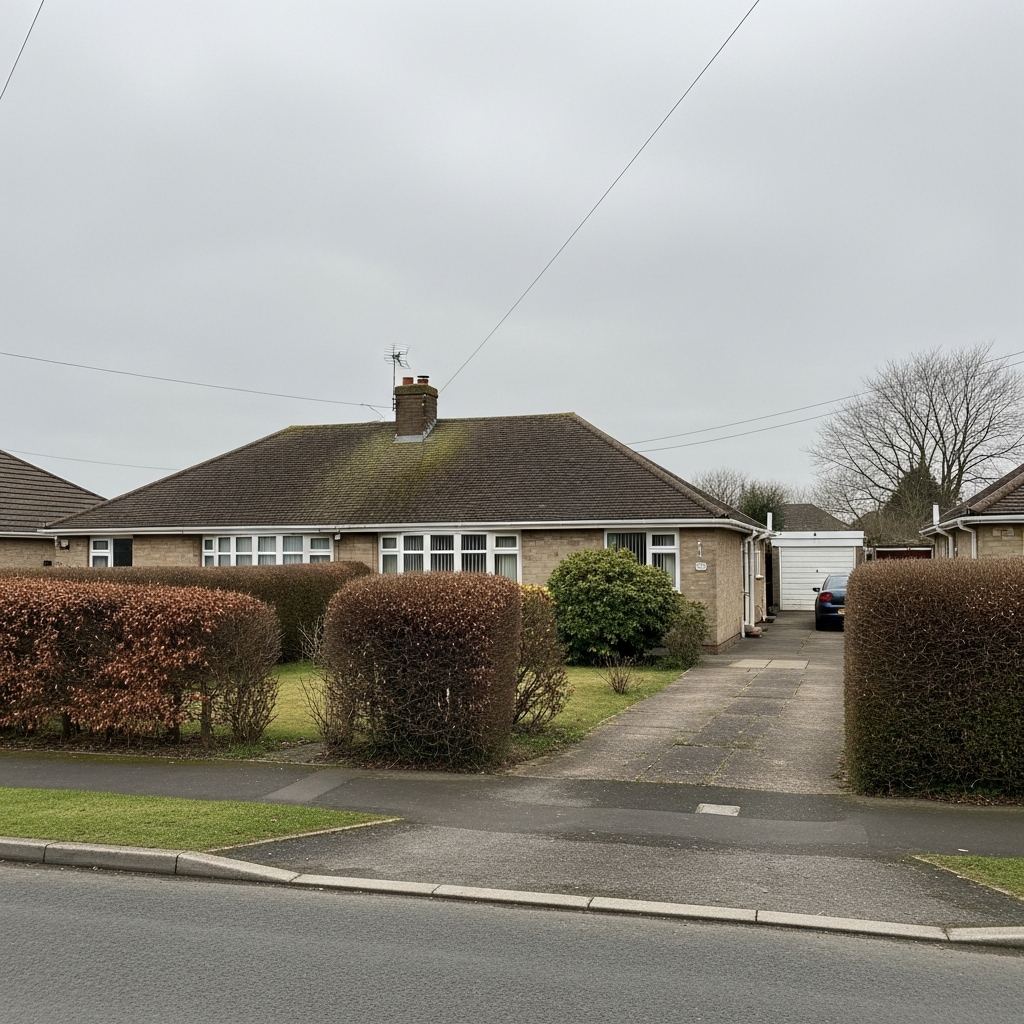
When we say "old house" in the UK context, we generally mean properties built before the introduction of modern building regulations — roughly pre-1919 for the oldest, and pre-1970s for properties that lack modern insulation standards. Key characteristics include:
Solid Walls
Houses built before the 1930s typically have solid brick or stone walls with no cavity. These walls lose heat 2 to 3 times faster than insulated cavity walls. A solid-walled house might have a wall U-value of 1.5 to 2.0 W/m²K, compared to 0.3 to 0.5 for an insulated cavity wall.
Single Glazing
Many older homes, especially listed buildings or those in conservation areas, retain original single-glazed windows. Single glazing has a U-value of around 5.0 W/m²K — roughly three times worse than modern double glazing.
High Ceilings and Large Rooms
Victorian and Edwardian houses often have ceiling heights of 2.7m to 3.0m or more, compared to 2.4m in modern homes. This increases the volume of air that needs heating.
Draughts
Older properties tend to have more uncontrolled ventilation — gaps around windows and doors, unsealed floorboards, chimney openings — that allow warm air to escape and cold air to enter.
The Result
A poorly insulated old house might have an annual heating demand of 20,000 to 30,000 kWh — double or triple that of a well-insulated modern home. This means a larger heat pump, higher electricity consumption, and higher running costs.
The Fabric-First Approach: Insulate Before You Install
The single most important piece of advice for old house owners considering a heat pump: invest in insulation first. This is called the "fabric-first" approach, and it makes everything else work better — regardless of what heating system you use.
Priority Insulation Measures
- Loft insulation (up to 270mm): Cost: £300 to £600. Impact: significant. Easy to do in most properties.
- Draught-proofing: Cost: £200 to £500 for a whole house. Impact: surprisingly large. Seal gaps around windows, doors, floorboards, and chimneys.
- Internal wall insulation: Cost: £5,000 to £15,000 for a whole house. Impact: major. Adds insulation boards to the inside of external walls. Reduces room sizes slightly but dramatically reduces heat loss.
- External wall insulation: Cost: £8,000 to £20,000 for a whole house. Impact: major. Wraps the outside of the building in insulation and a new render. Changes the appearance (may not be permitted for listed buildings or in conservation areas).
- Secondary glazing: Cost: £100 to £300 per window. Impact: moderate. Adds a second layer of glazing inside the existing window frame, preserving original windows while improving thermal performance.
- Floor insulation: Cost: £1,000 to £3,000 for suspended timber floors. Impact: moderate. Can be done from below if there is a cellar or crawl space.
How Much Difference Does Insulation Make?
A typical pre-1919 solid-walled house with no insulation might need a 14 kW heat pump and use 6,000 kWh of electricity per year. After comprehensive insulation (internal wall insulation, loft insulation, draught-proofing, secondary glazing), the same house might need only an 8 kW heat pump and use 3,500 kWh — cutting both the equipment cost and running cost by roughly 40 per cent.
That insulation also makes the house more comfortable in every season, reduces condensation and damp risks, and adds value to the property.
The High-Temperature Heat Pump Option
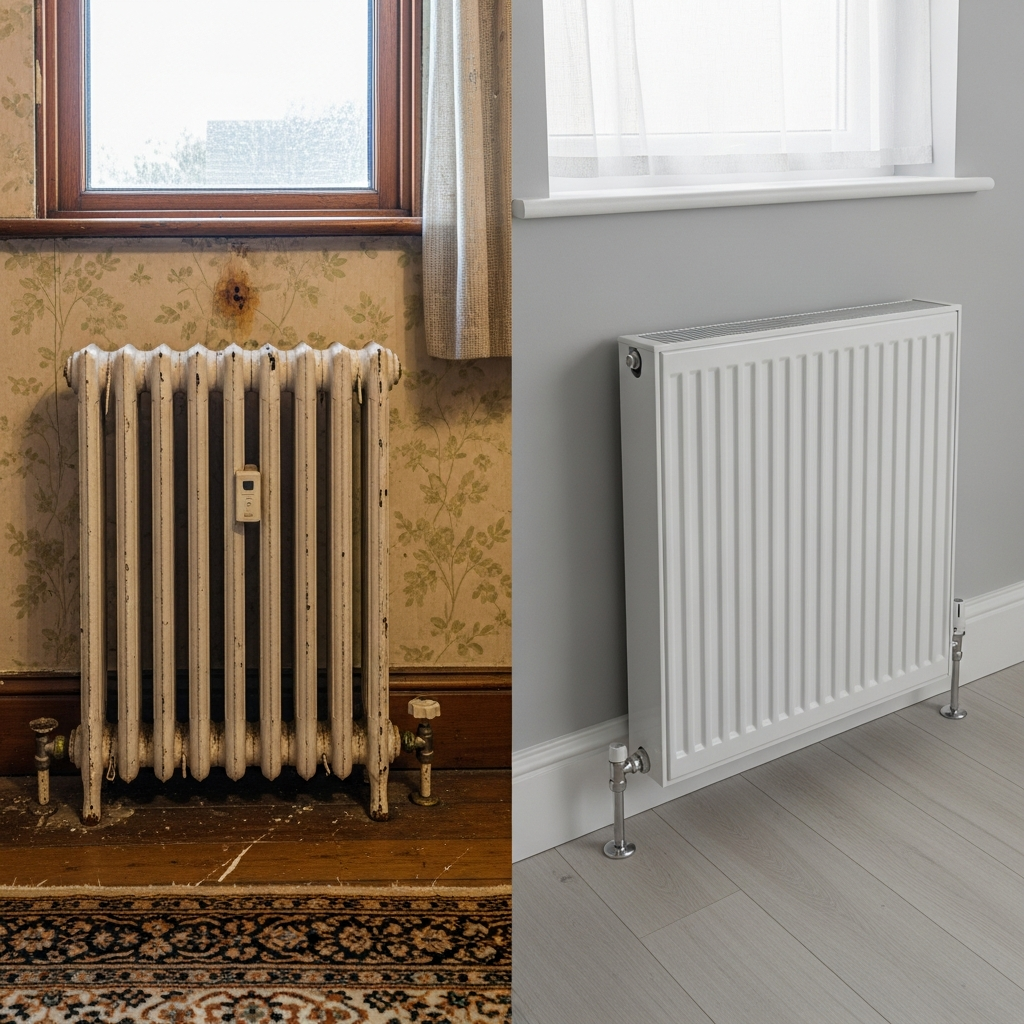
Standard air source heat pumps work best at flow temperatures of 35°C to 45°C. Older houses with original radiators often need higher flow temperatures (55°C to 65°C) to deliver enough heat, especially if the radiators are small or the insulation is poor.
High-temperature heat pumps solve this problem. They can deliver flow temperatures of 65°C to 80°C, meaning they can work with existing radiators without any upgrades. However, there are trade-offs:
- Lower efficiency: A high-temperature heat pump running at 65°C might achieve a COP of 2.0 to 2.5, compared to 3.0 to 3.5 for a standard unit at 40°C. This means higher electricity consumption and running costs.
- Higher purchase cost: High-temperature units typically cost £1,000 to £3,000 more than standard models.
- Still saves carbon: Even at a COP of 2.0, a heat pump produces significantly less CO2 than a gas or oil boiler.
A high-temperature heat pump can be a good bridging solution for old houses where full insulation is not possible or affordable immediately. You install the heat pump now, running at higher temperatures, and gradually improve insulation over time — lowering the flow temperature and improving efficiency as you go.
Ground Source: The Premium Option for Old Houses
A ground source heat pump (GSHP) has a particular advantage for old houses: it draws heat from the ground, which stays at a stable 10°C year-round. This means consistent performance regardless of how cold it gets outside — particularly beneficial for draughty old houses that need the most heating on the coldest days.
Ground source systems also achieve higher COPs than air source in cold weather (typically 3.5 to 4.5 across the year). The downside is cost — a ground source system typically costs £15,000 to £25,000 before the grant — and the need for garden space to install ground loops or a borehole.
If you have a large garden (common with older rural properties), a ground source heat pump can be an excellent choice. The higher upfront cost is offset by lower running costs over the system's 20 to 25+ year life.
Listed Buildings and Conservation Areas
If your old house is listed (Grade I, II*, or II) or in a conservation area, there are additional considerations:
Listed Building Constraints
- You will likely need listed building consent for an air source heat pump (the outdoor unit affects the building's appearance).
- External wall insulation is almost certainly not permitted.
- Replacement windows must usually match the original style.
- Internal changes may be restricted depending on the listing grade.
What You CAN Usually Do
- Internal wall insulation (if it does not affect significant internal features)
- Loft insulation
- Secondary glazing (preserves original windows)
- Draught-proofing
- Ground source heat pump (no visible external unit)
- Air source heat pump in a discreet location (subject to consent)
For listed buildings, a ground source heat pump is often the better option because the equipment is hidden — the ground loops are underground and the indoor unit is in a plant room or utility space. There is no visible outdoor unit to affect the building's character.
Cost and Payback for Old Houses
Let us work through a realistic example for a pre-1919 detached cottage with solid walls, currently heated by oil.
Before Insulation
- Annual heating demand: 22,000 kWh
- Heat pump size needed: 12 kW
- Installation cost: £14,000
- BUS grant: -£7,500
- Net cost: £6,500
- Annual electricity cost (COP 2.8): £1,890
- Current oil cost: £2,640
- Annual saving: £750
- Payback: 3.5 years (compared to a new oil boiler at £4,000)
After Insulation (internal wall insulation, loft top-up, draught-proofing)
- Insulation cost: £8,000
- Reduced annual heating demand: 14,000 kWh
- Heat pump size needed: 8 kW
- Installation cost: £11,000
- BUS grant: -£7,500
- Net heat pump cost: £3,500
- Total investment (insulation + heat pump): £11,500
- Annual electricity cost (COP 3.3): £1,020
- Previous oil cost: £2,640
- Annual saving: £1,620
- Payback on total investment: 4.6 years
The insulated route costs more upfront but saves significantly more per year. Over 20 years, the insulation-plus-heat-pump approach saves approximately £24,000 more than continuing with oil, versus £8,500 for the heat pump alone without insulation.
Step-by-Step Plan for Old House Owners
- Get an energy assessment: An EPC (Energy Performance Certificate) or a more detailed retrofit assessment will identify your home's biggest heat loss areas and recommend insulation priorities.
- Insulate first: Address the easiest and most impactful measures — loft insulation, draught-proofing, and (if feasible) wall insulation.
- Check suitability: Use our suitability checker to assess your home's readiness after insulation improvements.
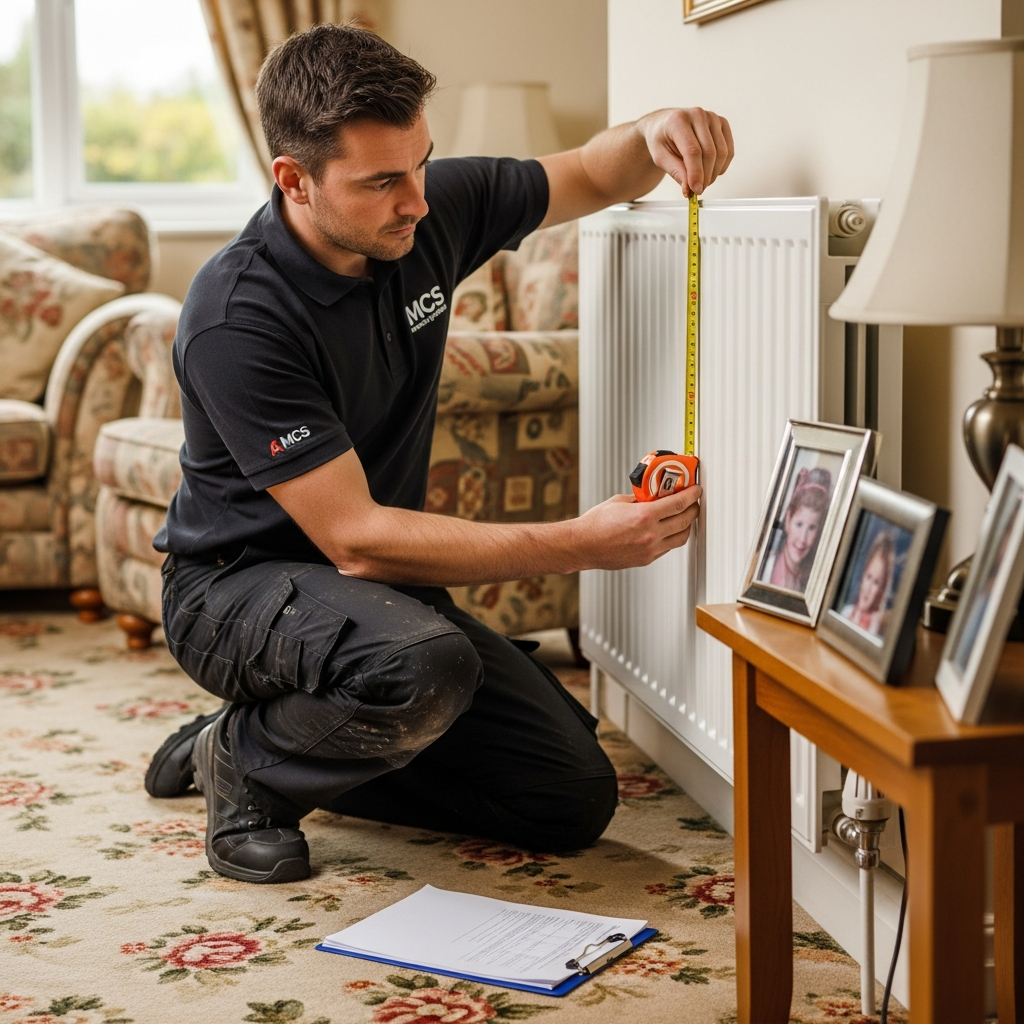
- Get a proper heat loss calculation: An MCS-certified installer will calculate your exact heating demand and recommend the right size heat pump.
- Choose the right system: Standard heat pump if you can achieve low flow temperatures, high-temperature heat pump if you cannot, or ground source if you have the space and budget.
- Apply for the BUS grant: Your installer handles the grant application as part of the installation process.
- Get quotes: Obtain at least three quotes from experienced installers. Old houses need installers with specific experience in older and harder-to-heat properties. Request quotes here.
When a Heat Pump Is NOT Worth It for an Old House
- No insulation is possible and none is planned: A completely uninsulated old house with no scope for improvement will be expensive to heat with any system, but a heat pump at low COP will be particularly costly on electricity.
- Listed building with severe restrictions AND no garden for ground source: If you cannot insulate, cannot install an external unit, and cannot drill boreholes, your options are extremely limited.
- Very small property with minimal heating demand: If your heating costs are already low (under £400 per year), the investment in a heat pump may not generate meaningful savings.
The Verdict for Old Houses
Heat pumps can absolutely work in old houses — thousands are already doing so across the UK. But success depends on taking the right approach: insulate first, size the system correctly, and consider high-temperature or ground source options where standard heat pumps are not suitable.
The fabric-first approach is not just about making a heat pump work — it makes your home warmer, more comfortable, and cheaper to heat regardless of the heating system. Think of insulation and a heat pump as a combined investment in your home's long-term value and comfort.
If you are replacing oil or LPG heating, the financial case is strong even in an old house. If you are replacing gas, insulation improvements become even more important to ensure the heat pump's running costs are competitive.
For more on the overall decision, see are heat pumps worth it? and our detailed cost guide.
Frequently Asked Questions
Can you put a heat pump in a Victorian house?
Yes. Many Victorian houses in the UK now have heat pumps. The key is to improve insulation first (particularly draught-proofing, loft insulation, and where possible wall insulation) and choose an appropriately sized system. High-temperature heat pumps can work with existing Victorian radiators without upgrades.
Do you need to insulate an old house before getting a heat pump?
It is strongly recommended. Without insulation, an old house needs a much larger heat pump, uses more electricity, and costs more to run. The fabric-first approach — insulating before installing the heat pump — reduces both the equipment cost and running costs, often paying for itself within a few years.
What type of heat pump is best for an old house?
It depends on the property. A standard air source heat pump works well in old houses that have been insulated and can run at flow temperatures of 45°C or below. A high-temperature heat pump suits homes where insulation is limited and higher flow temperatures are needed. A ground source heat pump is ideal for larger rural properties with garden space, especially listed buildings where an outdoor unit is problematic.
How much does a heat pump cost for an old house?
Typically £11,000 to £16,000 before the BUS grant, depending on the size of heat pump needed and the complexity of installation. After the £7,500 grant, you would pay £3,500 to £8,500. If insulation work is needed first, add £2,000 to £15,000 depending on the scope.
Will a heat pump keep an old house warm enough?
Yes, if correctly sized and the house has reasonable insulation. Heat pumps are designed to maintain a set temperature continuously — they run for longer at lower intensity rather than blasting heat. Many old house owners find this delivers a more consistent and comfortable warmth than their previous boiler system.
Can you get a heat pump for a listed building?
Yes, though you may need listed building consent for an air source heat pump's outdoor unit. Ground source heat pumps are often preferred for listed buildings as there is no visible external equipment. Internal insulation measures like secondary glazing and draught-proofing are usually permissible without consent.