Heat Pump vs LPG Boiler: Cost and Efficiency
LPG users pay more for heating than almost anyone else in the UK — often double the cost of mains gas. Switching to a heat pump can save £500 to £1,000 per year in running costs alone, with the £7,500 BUS grant making the upfront investment comparable to a new LPG boiler.
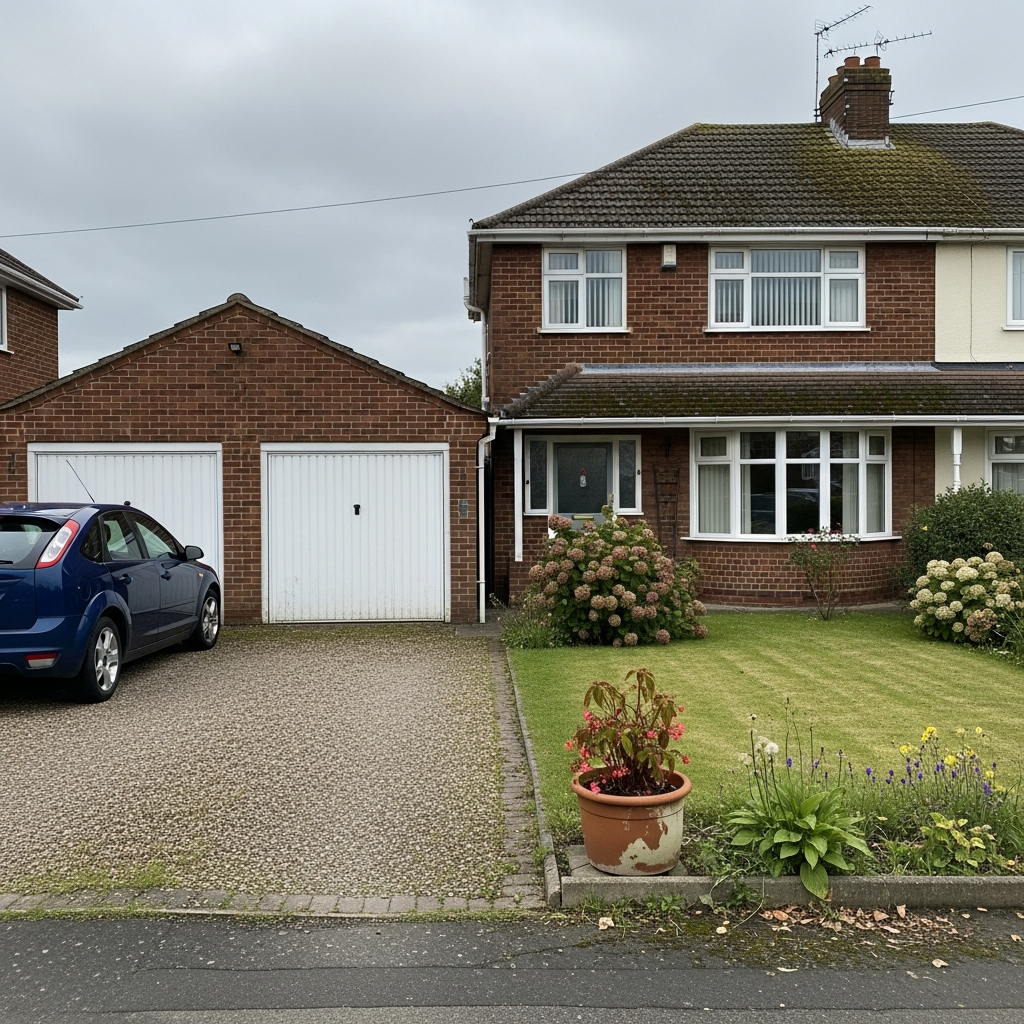
If you heat your home with LPG (liquefied petroleum gas), you are paying some of the highest heating costs in the UK. LPG is typically 50% to 100% more expensive per unit of heat than mains gas, and the price is volatile, with costs spiking unpredictably based on global energy markets and seasonal demand.
Switching to a heat pump eliminates this expense and volatility. This guide provides a complete comparison of heat pumps versus LPG boilers for UK homes — covering cost, efficiency, practicality, and the specific considerations for rural properties where LPG is most commonly used. For a broader fuel-type comparison, see our heat pump vs gas boiler pillar guide.
Calculate your savings from switching off LPG
Use the free calculatorNo email required. See your estimated costs and savings in 30 seconds.
Why LPG Users Have the Most to Gain
Among all heating fuels commonly used in the UK, LPG produces the weakest financial case for continuing. Here is why:
Based on 2026 UK energy prices. Heat pump costs assume COP 3.0.
LPG is consistently the most expensive option. Even at its cheapest, it rarely matches mains gas — and at peak prices, it can cost double. A heat pump at standard electricity rates is already cheaper per unit of heat, and with a heat pump tariff, the savings are dramatic.
Installation Cost Comparison
LPG Boiler Replacement
- LPG boiler replacement: £2,500 to £4,000 installed
- LPG tank rental: £80 to £150 per year (ongoing)
- LPG tank purchase (if owned): £1,500 to £3,000
Note that LPG customers often rent their tank from the gas supplier, which ties them into that supplier's pricing. This lack of choice further reduces your ability to control costs.
Heat Pump Installation
- Before grant: £10,000 to £14,000 (typical rural property)
- After BUS grant: £2,500 to £6,500

After the grant, the net cost of a heat pump is comparable to or only slightly more than a new LPG boiler — especially when you factor in ongoing tank rental costs that the heat pump eliminates. For a detailed breakdown of heat pump costs, see our dedicated guide.
Running Cost Comparison
This is where the heat pump pulls decisively ahead.
Worked Example: Three-Bedroom Rural Cottage
Annual heat demand: 14,000 kWh
| Cost Element | LPG Boiler | Heat Pump (Standard) | Heat Pump (HP Tariff) |
|---|---|---|---|
| Annual fuel/electricity | £1,556 | £1,143 | £700 |
| Tank rental | £120 | £0 | £0 |
| Total annual cost | £1,676 | £1,143 | £700 |
| Annual saving vs LPG | — | £533 | £976 |
Those are substantial savings. At the heat pump tariff rate, you save nearly £1,000 per year — enough to repay the net installation cost within three to seven years.
Worked Example: Four-Bedroom Detached Farmhouse
Annual heat demand: 22,000 kWh
LPG Boiler
£2,564/year
At 10p/kWh + tank rental
Heat Pump (Standard)
£1,797/year
Saving: £767/year
Heat Pump (HP Tariff)
£1,100/year
Saving: £1,464/year
For larger properties with higher heat demands, the savings are even more impressive. See our running costs guide for more scenarios.
Escape high LPG bills — get free installer quotes
Compare heat pump quotesMCS-certified installers only. They handle the BUS grant for you.
Efficiency Comparison
An LPG boiler operates at 88-92% efficiency — similar to mains gas. It burns fuel and extracts heat from the combustion gases. It can never exceed 100% efficiency.
A heat pump operates at 250-350% efficiency (COP 2.5-3.5), delivering two and a half to three and a half times more heat energy than the electricity it consumes. This fundamental efficiency advantage is why a heat pump can be cheaper to run despite electricity costing more per unit than LPG. For a deeper dive into efficiency metrics, read our lifespan and efficiency guide.
Rural Property Considerations
LPG heating is most common in rural properties that are not connected to the mains gas grid. These properties have specific characteristics that are relevant to the heat pump comparison.
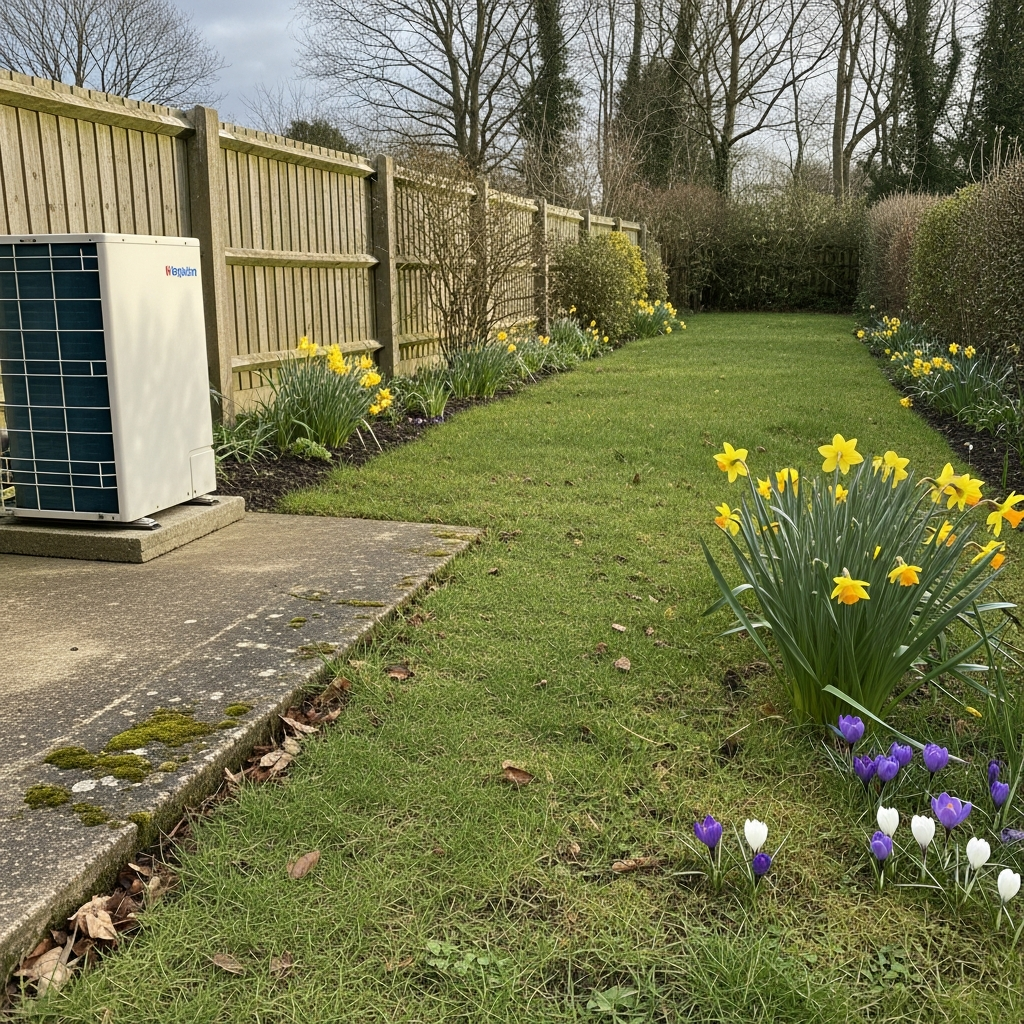
Advantages for Rural Heat Pump Installations
- Space: Rural properties typically have ample outdoor space for the heat pump unit — there is no issue with cramped gardens or proximity to neighbours
- Noise: With fewer neighbours nearby, the modest noise from a heat pump is rarely a concern
- Existing systems: Many LPG-heated homes already have system boilers with radiators and hot water cylinders, which makes conversion easier
- Planning: Rural properties often have fewer planning restrictions for permitted development
Potential Challenges
- Older buildings: Some rural properties are older with solid walls and less insulation. This increases heat demand and may require a larger heat pump. However, many can still be heated effectively
- Listed buildings: If your property is listed, you may need listed building consent for the outdoor unit. This is usually achievable with careful placement — see our listed building guide
- Electricity supply: Some rural properties have limited electrical supply (single phase, lower amperage). Most heat pumps work on standard single-phase supply, but very large systems may need an upgrade
Use the suitability checker to assess your property's readiness for a heat pump.
What Happens to the LPG Tank?
When you switch from LPG to a heat pump:
- If you rent the tank: Contact your LPG supplier to arrange collection. You will need to give notice (typically one to three months). Any remaining gas should be used or can sometimes be refunded. Once collected, your rental payments stop.
- If you own the tank: You can have it drained and removed by a specialist. This costs £300 to £600.
Either way, you reclaim a significant area of your property — LPG tanks are large and the exclusion zone around them further limits use of the surrounding space.
Locked-In Contracts and Switching Freedom
Many LPG customers are tied to their supplier through tank rental agreements, making it difficult or impossible to shop around for better gas prices. This is a significant disadvantage — you are effectively a captive customer.
Switching to a heat pump breaks this dependency entirely. You buy electricity from the open market, where you can switch supplier, negotiate rates, and take advantage of competitive tariffs. Combined with solar panels, you can generate your own electricity and reduce costs even further.
Environmental Impact
LPG produces approximately 241g of CO2 per kWh of heat (accounting for boiler efficiency). A heat pump at COP 3.0 produces approximately 50g of CO2 per kWh of heat.
Switching from LPG to a heat pump reduces your heating emissions by roughly 80%. For a property using 14,000 kWh of heat per year, that is a saving of approximately 2,700 kg of CO2 annually. Read our environmental impact comparison for deeper analysis.
Our Verdict
For LPG users, switching to a heat pump is the most financially rewarding move available. The running cost savings are substantial — £500 to £1,000+ per year — and the payback on the net installation cost (after the BUS grant) is typically three to seven years.
Beyond the financial case, you eliminate tank rental costs, supplier lock-in, delivery logistics, and the environmental risk of gas storage. You move to a cleaner, simpler, more predictable heating system.
If your LPG boiler is approaching the end of its life, now is the time to act. The BUS grant is available until 2028, and 0% VAT applies to all heat pump installations. Get quotes from MCS-certified installers to see your specific costs after the grant, or use the calculator for an initial estimate.
Stop paying over the odds for LPG — switch to a heat pump
Get free heat pump quotesMCS-certified installers. £7,500 BUS grant applied automatically. No obligation.
Frequently Asked Questions
How much can I save by switching from LPG to a heat pump?
Most LPG users save £500 to £1,000+ per year on running costs alone, plus £80 to £150 per year in eliminated tank rental. Over 15 years, total savings can exceed £10,000 to £15,000.
Is the BUS grant available for replacing LPG boilers?
Yes. LPG is classified as a fossil fuel heating system, so properties with LPG boilers are fully eligible for the £7,500 BUS grant.
Can I switch supplier if I'm in an LPG tank rental contract?
When switching to a heat pump, you will need to end your LPG contract. Review the terms for any early termination fees. In most cases, these are modest and are quickly offset by the savings from the heat pump. Some suppliers will waive fees if you are decommissioning entirely.
Will a heat pump work in my rural property?
Almost certainly yes. Rural properties are often well-suited to heat pumps — they have space for the outdoor unit, existing heating systems with radiators and cylinders, and fewer noise concerns. Check your suitability.
What heat pump tariffs are available?
Several energy suppliers offer heat pump-specific tariffs with lower unit rates (typically 10p to 15p/kWh) during off-peak hours. These can dramatically reduce running costs. Ask potential energy suppliers about heat pump tariffs when planning your switch.
Do I need three-phase electricity for a heat pump?
No. Most domestic air source heat pumps operate on standard single-phase electricity supply. Only very large systems (16 kW+) may require three-phase power, which is uncommon for typical residential properties.
About this guide: This article is part of our comparison and decision cluster, helping UK homeowners evaluate heating alternatives. LPG-heated rural properties are prime candidates for both heat pumps and solar panel installations, which can generate free electricity to power the heat pump. The Boiler Upgrade Scheme provides £7,500 towards installation, and our calculator shows personalised savings.