Heat Pump in a Listed Building
Listed buildings can have heat pumps — hundreds already do across the UK. Air source units need listed building consent but are usually approved with careful placement. Ground source heat pumps are often the ideal solution: invisible once installed, virtually silent, and highly efficient. The £7,500 BUS grant applies to listed properties in full.
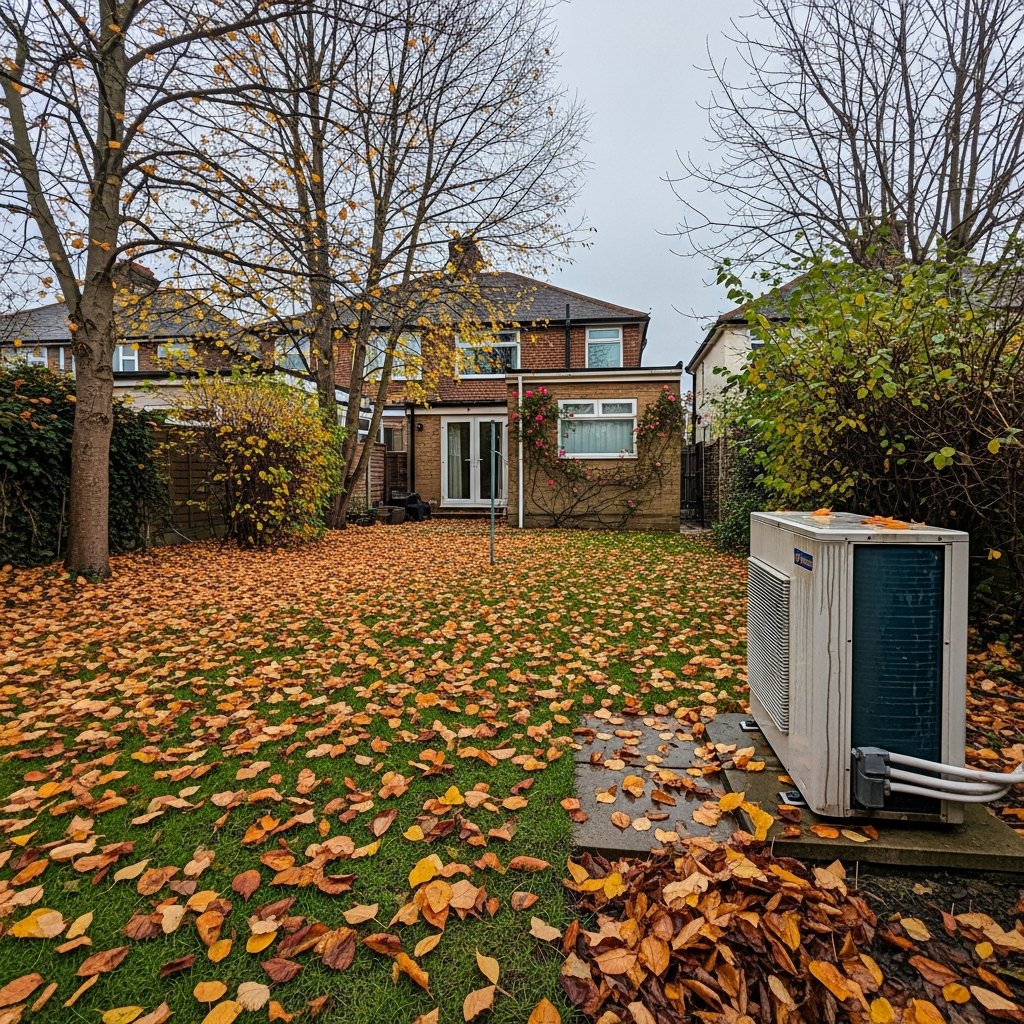
Listed buildings present unique challenges but not insurmountable ones. For the broader heat pump picture, see our pillar guide. For conservation areas specifically, see our conservation area guide.
Check if your listed property can accommodate a heat pump
Free suitability checkerTakes 60 seconds. Includes listed building considerations.
Listed Building Consent
Listed buildings are excluded from permitted development rights for external equipment. You need listed building consent from your local planning authority. The good news: applications for heat pumps are usually successful when the unit is positioned sensitively — away from principal elevations, screened by planting, or in a courtyard.
Key tips: engage with your conservation officer early, provide photomontages showing the proposed unit position, and consider a ground source heat pump if the outdoor unit is the main objection.
Air Source Options
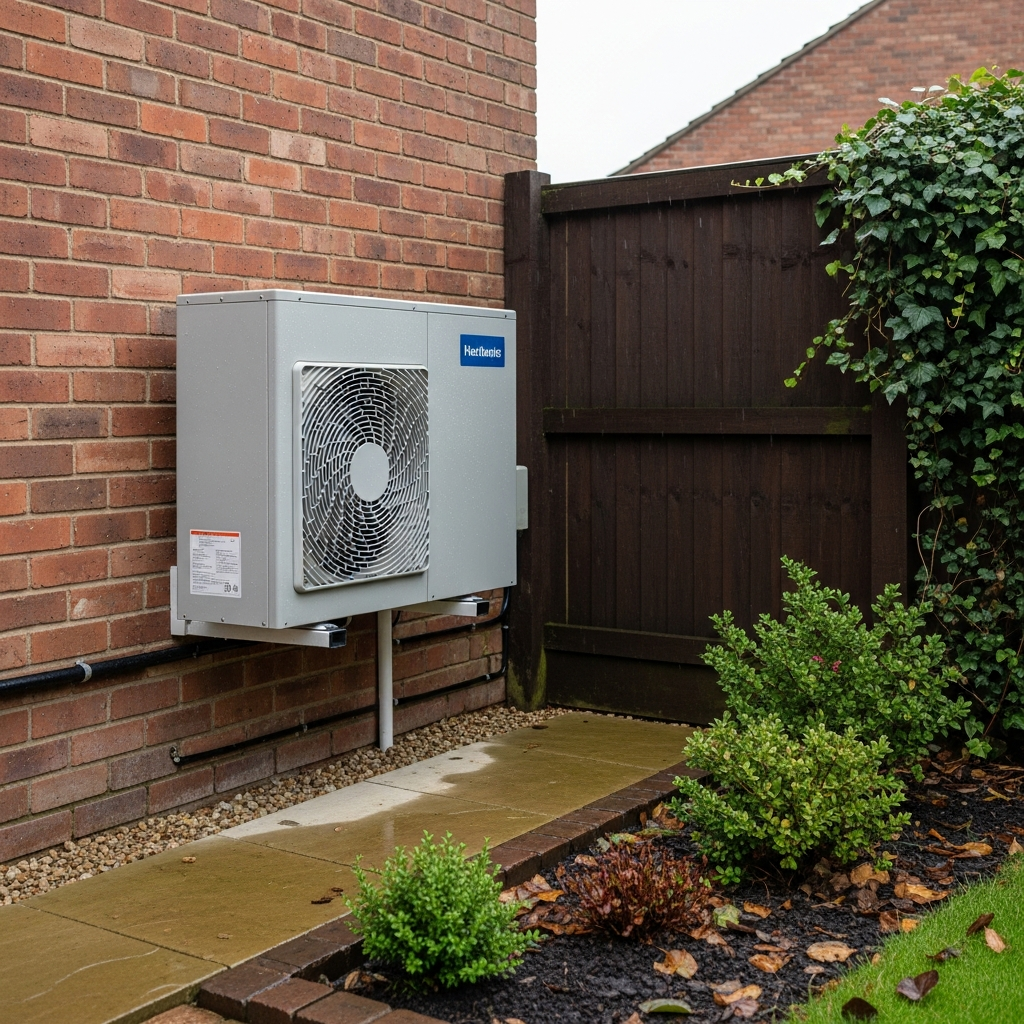
Air source heat pumps can work in listed buildings with careful placement: rear elevations, concealed courtyard positions, within existing outbuildings, or behind garden walls. The key is that the unit should not be visible from public viewpoints or harm the building's character.
Ground Source: The Listed Building Advantage
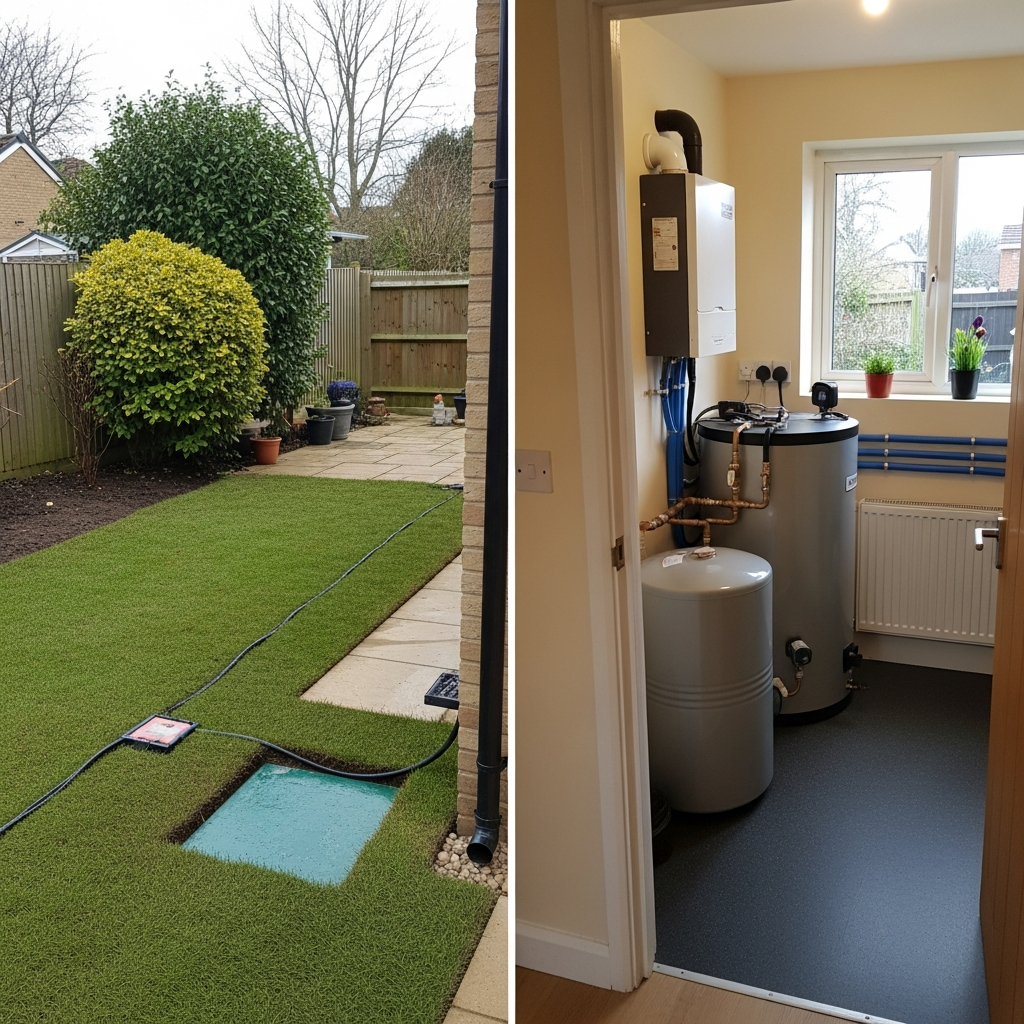
Ground source heat pumps are often the ideal solution for listed buildings. The indoor unit has no external visual impact. The ground loop (horizontal trenches or boreholes) is completely invisible once installed. There is no external noise. Many conservation officers prefer GSHPs for listed buildings for these reasons.
See our ASHP vs GSHP comparison for full analysis of both types.
Insulation Considerations
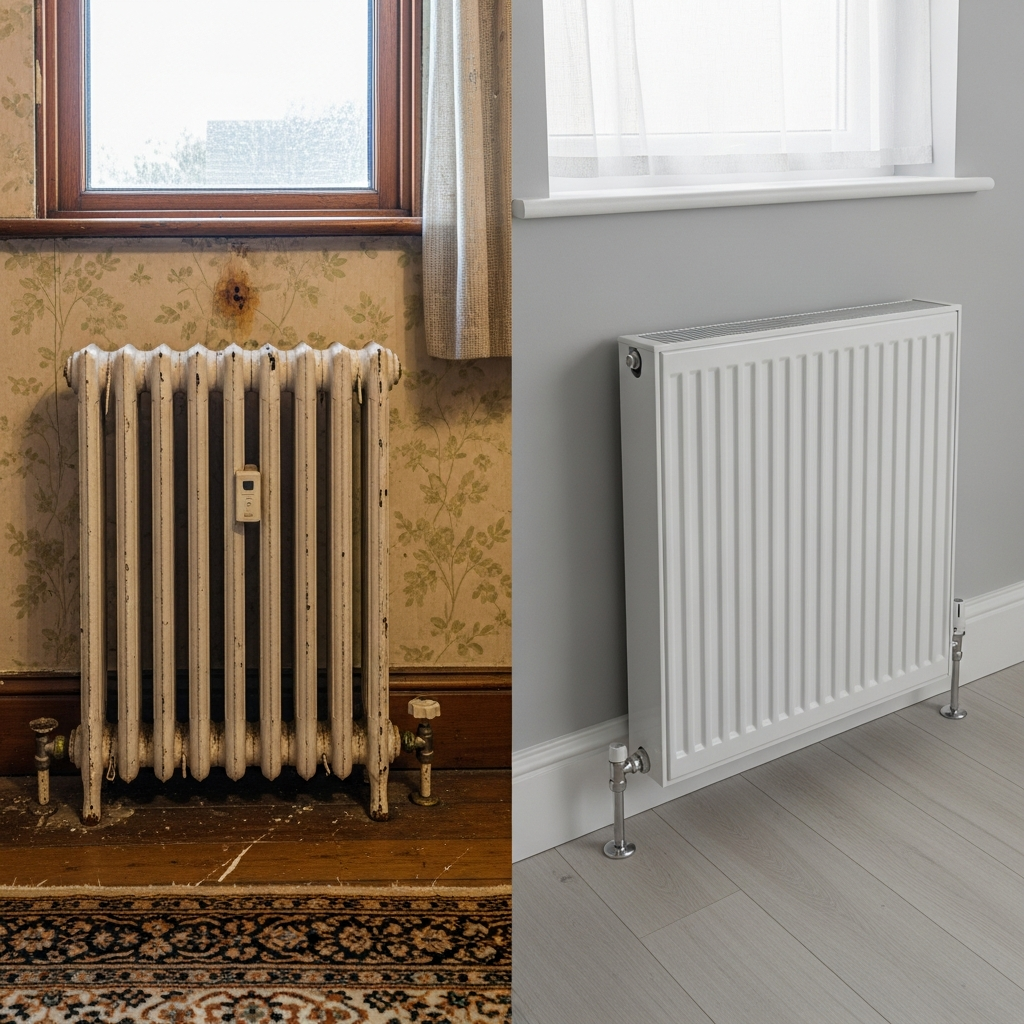
Listed buildings often have solid walls and original features that limit insulation options. High-temperature heat pumps (65-80°C output) can work with existing radiators without upgrades. Sensitive insulation approaches include secondary glazing, loft insulation, and draught-proofing — all usually permitted without consent. See our old house guide and radiator guide.
Combining with solar panels may also require consent on listed buildings — consult your conservation officer.
Get specialist advice for your listed property
Get installer quotesRequest installers experienced with listed buildings.
Listed building? Still eligible for the £7,500 grant
Get free heat pump quotesMCS-certified installers. Full BUS grant eligibility. No obligation.
Frequently Asked Questions
Can I install a heat pump in a listed building?
Yes. You need listed building consent. Applications are usually successful with careful positioning.
Do I need planning permission?
Listed buildings need consent. Engage your conservation officer early for the best outcome.
Is a ground source heat pump better for listed buildings?
Often yes — no visible external unit, no noise, and frequently approved where ASHPs face objections.
Can I get the BUS grant for a listed building?
Yes. Full £7,500 BUS grant eligibility with MCS-certified installation.
About this guide: This article is part of our comparison and decision hub. Listed buildings are not excluded from the heat pump transition. Both air source and ground source options exist. The BUS grant applies fully. Solar may also be possible with consent.