Heat Pump vs Boiler: Environmental Impact
A heat pump produces 65-80% fewer carbon emissions than a gas boiler today — and the gap widens every year as the UK electricity grid gets greener. For a typical home, switching saves 1,500-2,000 kg of CO2 annually. Oil-heated homes save even more. And as wind and solar generation expand, heat pump heating is heading towards virtually zero carbon.
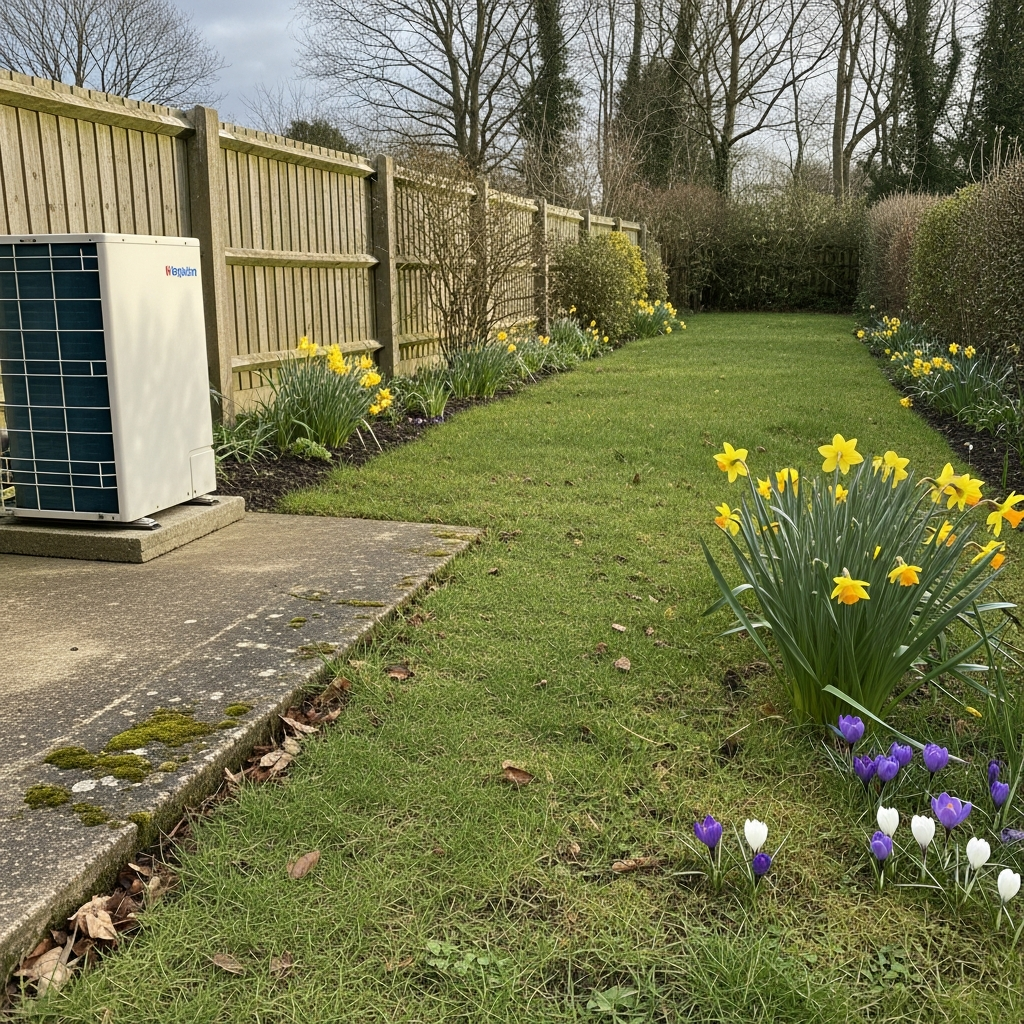
Home heating accounts for roughly 15% of UK carbon emissions. Switching from fossil fuel boilers to heat pumps is one of the most impactful steps UK homeowners can take. For the full system comparison, see our pillar guide.
See your carbon and cost savings together
Use the free calculatorNo email required. Shows CO2 savings alongside cost savings.
CO2 Emissions Comparison
Heat pump at COP 3.0. Grid carbon intensity declining as renewables expand.
For a home using 12,000 kWh of heat per year, switching from gas to a heat pump saves approximately 1,900 kg of CO2 annually. From oil, the saving is approximately 2,975 kg.
The Grid Decarbonisation Advantage
This is the most powerful environmental argument for heat pumps. A gas boiler will always produce the same emissions per unit of gas burnt. A heat pump automatically gets cleaner as the electricity grid decarbonises.
The UK grid's carbon intensity has fallen from over 500g CO2/kWh in 2010 to around 150g in 2026, thanks to the massive expansion of wind and solar generation. By 2035, it is projected to reach 50-75g CO2/kWh. A heat pump installed today will be substantially greener in 10 years without any changes to the system itself.
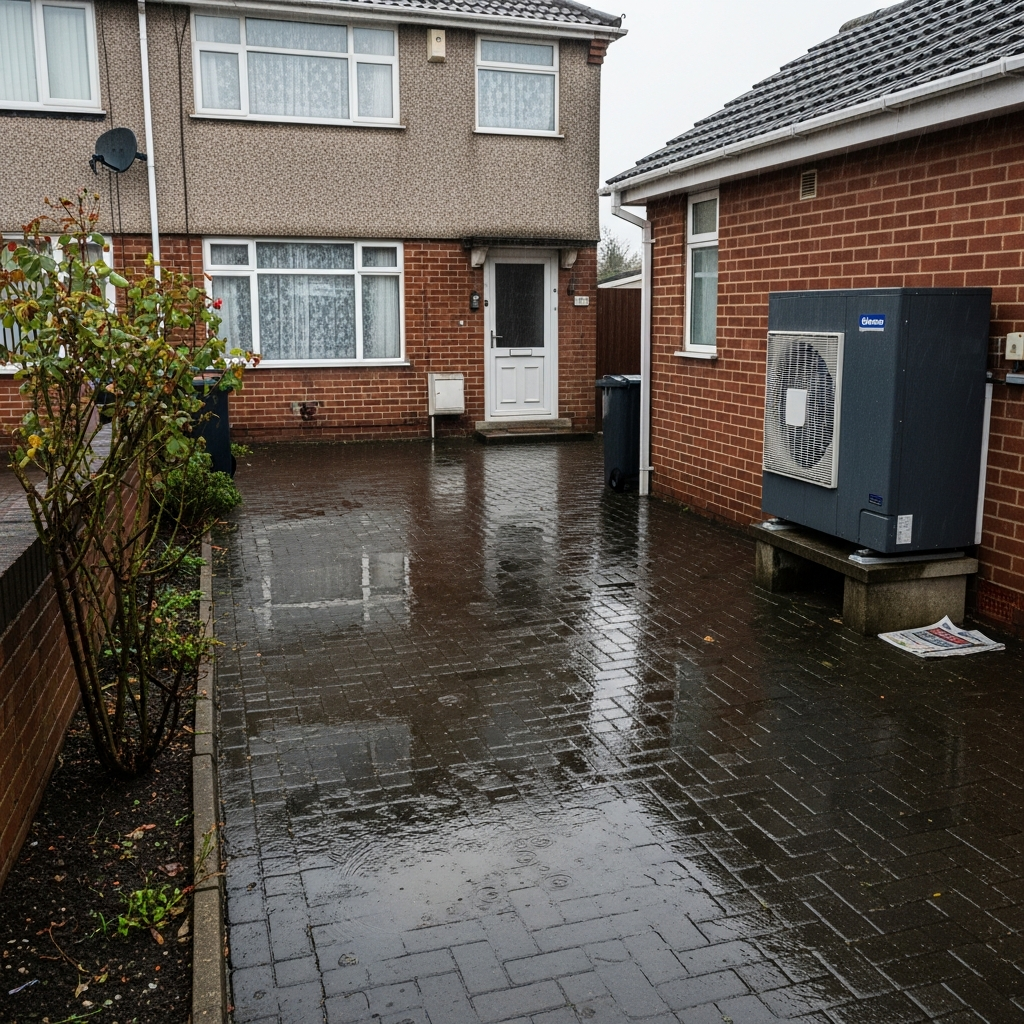
Oil vs Gas: Different Savings Scale
Gas to Heat Pump
~1,900 kg CO2/year saved
65-75% reduction
Oil to Heat Pump
~2,975 kg CO2/year saved
80-83% reduction
LPG to Heat Pump
~2,290 kg CO2/year saved
75-80% reduction
Based on 12,000 kWh annual heat demand. Heat pump at COP 3.0.
Oil-heated homes see the biggest environmental benefit. See our oil boiler comparison and LPG comparison for full analysis.
Make the greenest heating choice — get free quotes
Compare installer quotesMCS-certified installers. £7,500 BUS grant applied. No obligation.
Refrigerant Concerns
Heat pumps use refrigerants in their compression cycle. Older refrigerants (R410A) have high global warming potential if leaked. Modern heat pumps increasingly use R32 or R290 (propane), which have much lower environmental impact. The industry is transitioning to natural refrigerants with minimal climate impact.
In a well-installed, properly maintained system, refrigerant leaks are rare. Annual servicing includes leak checks.
The Solar Combination
Pairing a heat pump with solar panels creates a truly green heating system. Solar generates free electricity during daylight hours, powering the heat pump with zero-carbon energy. With battery storage, you can use solar electricity even after dark. This combination is the gold standard for home decarbonisation.


Cut your carbon footprint — switch to a heat pump
Get free heat pump quotesMCS-certified installers. £7,500 BUS grant applied automatically.
Frequently Asked Questions
How much CO2 does a heat pump save compared to a gas boiler?
A typical home saves 1,500-2,000 kg of CO2 per year. Over 20 years, that is 30,000-40,000 kg — equivalent to taking a car off the road for 8-10 years.
Do heat pumps use harmful refrigerants?
Modern heat pumps use low-GWP refrigerants (R32 or R290/propane) with much lower environmental impact than older alternatives. The industry is transitioning to natural refrigerants.
Will heat pumps get greener over time?
Yes. As the UK grid adds more wind and solar, heat pump emissions fall automatically. By 2035, heat pump heating could be virtually zero-carbon.
Is switching from oil to a heat pump better than gas to heat pump?
Yes. Oil produces more CO2 per kWh than gas. Switching from oil saves approximately double the CO2 compared to switching from gas.
About this guide: This article is part of our comparison and decision hub. Heat pumps are the UK government's primary strategy for decarbonising home heating. The Boiler Upgrade Scheme provides £7,500 towards installation. Combined with solar panels, a heat pump offers virtually zero-carbon home heating.