Heat Pump vs Boiler: Lifespan Comparison
When you are spending thousands of pounds on a new heating system, you want to know how long it will last. The lifespan of your heating system directly affects its value — a system that costs more upfront but lasts twice as long may actually be the cheaper option over time.
This guide compares the expected lifespans of heat pumps, gas boilers, and oil boilers, and then works through the lifetime cost implications for a typical UK home.
How Long Does a Heat Pump Last?
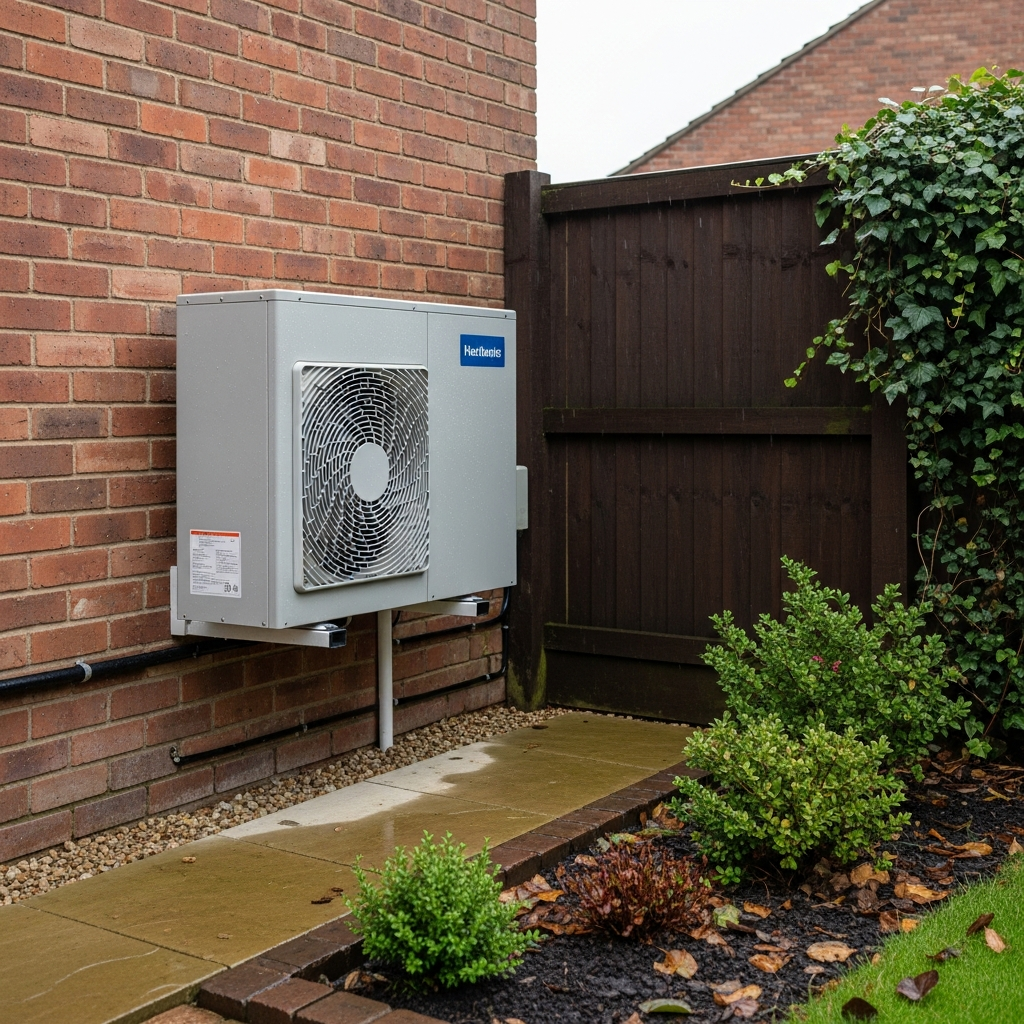
A well-installed and properly maintained air source heat pump has an expected lifespan of 20 to 25 years. Ground source heat pumps can last even longer — the underground ground loops are rated for 50 years or more, while the indoor heat pump unit itself lasts 20 to 25 years.
These figures come from manufacturer warranties (typically 5 to 10 years on parts, sometimes extended to 12), industry data from countries like Sweden and Norway where heat pumps have been widely installed since the 1990s, and the Energy Saving Trust's published guidance.
What Affects Heat Pump Lifespan?
- Installation quality: A correctly sized and properly commissioned system will last longer than one that is oversized or poorly set up. This is why choosing an MCS-certified installer matters.
- Annual servicing: Heat pumps need an annual service, similar to boilers. This typically costs £100 to £200 and involves checking refrigerant levels, cleaning filters, inspecting electrical connections, and testing performance.
- System design: A system running at moderate temperatures with a correctly sized buffer tank and cylinder will experience less stress than one constantly working at maximum output.
- Component quality: Premium brands like Vaillant, Mitsubishi, Daikin, and Samsung tend to use higher-quality compressors and components that last longer.
How Long Does a Gas Boiler Last?
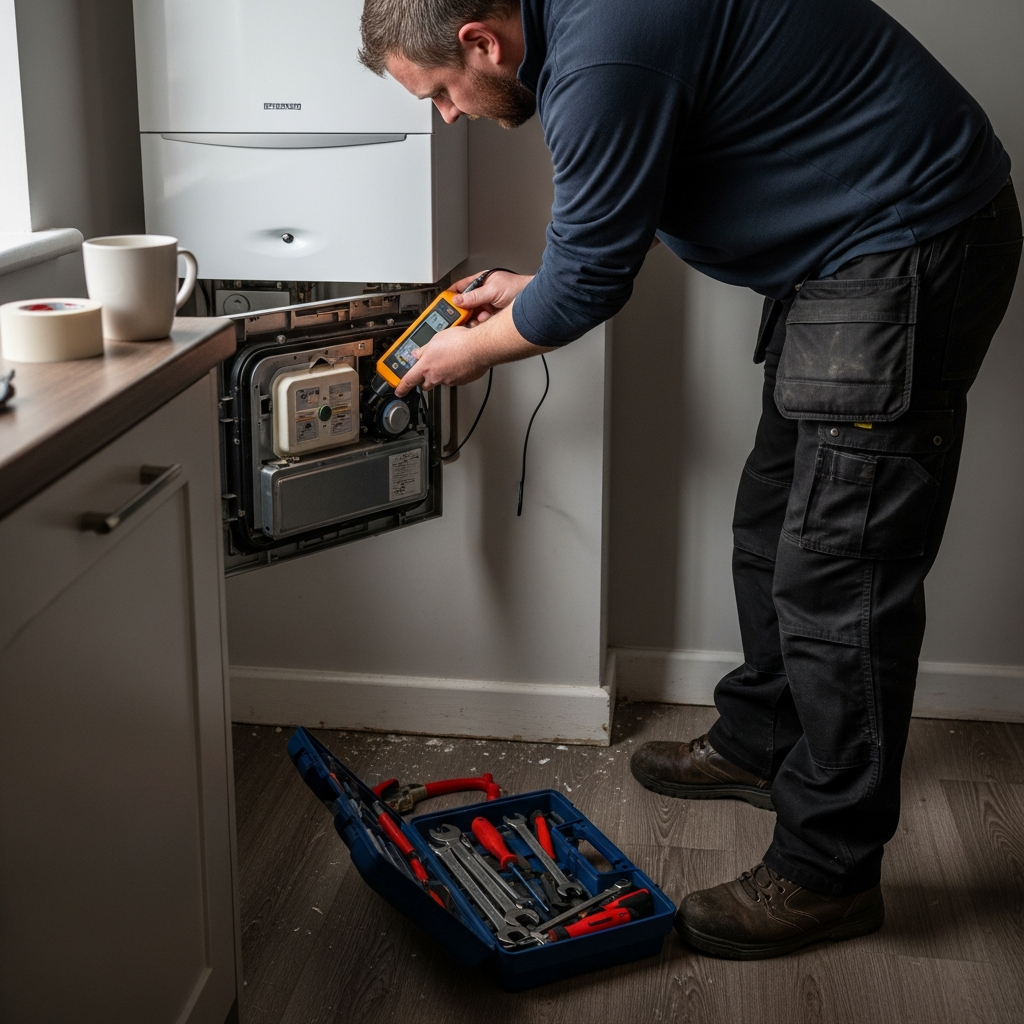
A modern condensing gas boiler typically lasts 12 to 15 years. Some last longer with careful maintenance, but efficiency tends to decline after 10 to 12 years, and the risk of breakdowns increases significantly beyond 15 years.
Boiler manufacturers usually offer 5 to 10 year warranties on new units. The industry generally recommends replacing a boiler after 15 years, even if it is still running, because efficiency losses mean higher gas bills and increased carbon monoxide risk.
Why Do Gas Boilers Have Shorter Lifespans?
- Combustion: Burning gas creates byproducts that corrode internal components over time, particularly the heat exchanger.
- More moving parts in the system: Pumps, diverter valves, expansion vessels, and the gas valve all wear over time.
- Limescale: In hard water areas, limescale builds up inside the heat exchanger and reduces efficiency and lifespan.
- Thermal cycling: Older non-inverter boilers switch on and off repeatedly, which stresses components more than continuous modulation.
How Long Does an Oil Boiler Last?
Oil boilers typically last 15 to 20 years, slightly longer than gas boilers. However, they require more frequent servicing (annually, and the service is more involved), and the oil storage tank itself has a separate lifespan. Steel tanks last around 10 to 15 years; plastic tanks last 15 to 20 years.
If you are replacing an oil boiler, you may also need to replace or decommission the oil tank — an additional cost of £500 to £2,000 depending on the tank type and any environmental remediation needed.
Lifetime Cost Comparison
Lifespan matters because it directly affects how much you pay per year for heating. Let us work through the numbers for a typical three-bedroom semi-detached house.
Scenario: 25-Year Cost of Ownership
Air Source Heat Pump
- Installation cost: £12,000
- BUS grant: -£7,500
- Net upfront cost: £4,500
- Annual running cost: approximately £650
- Annual service cost: £150
- Expected lifespan: 22 years (midpoint)
- Replacements in 25 years: 1 (original install covers most of the period; one major component replacement likely around year 15-20 at approximately £1,500)
- 25-year total: approximately £4,500 + (£800 x 25) + £1,500 = £26,000
Gas Boiler
- Installation cost: £3,000
- Annual running cost: approximately £750
- Annual service cost: £80
- Expected lifespan: 13 years (midpoint)
- Replacements in 25 years: 2 (original plus one replacement at approximately £3,000)
- 25-year total: approximately £3,000 + (£830 x 25) + £3,000 = £26,750
Oil Boiler
- Installation cost: £4,000
- Annual running cost: approximately £1,200
- Annual service cost: £120
- Expected lifespan: 17 years (midpoint)
- Replacements in 25 years: 1 (one replacement at approximately £4,000, plus potential tank replacement at £1,500)
- 25-year total: approximately £4,000 + (£1,320 x 25) + £5,500 = £42,500
What the Numbers Tell Us
Over 25 years, the heat pump and gas boiler end up in a similar range, with the heat pump marginally cheaper once you account for the boiler needing replacement. The oil boiler is significantly more expensive due to higher fuel costs.
These figures assume current energy prices remain broadly stable. If electricity prices fall relative to gas — as the Government intends — the heat pump becomes clearly cheaper. If gas prices spike (as they did in 2022), the gap widens further.
Component Lifespans Within a Heat Pump System
Understanding what might need replacing during the heat pump's life helps with long-term budgeting.
- Compressor: The most expensive component. Expected lifespan of 15 to 20 years. Replacement cost: £1,000 to £2,500 including labour.
- Fan motor: 10 to 15 years. Replacement cost: £200 to £500.
- Control board: 10 to 15 years. Replacement cost: £300 to £600.
- Circulation pump: 8 to 12 years. Replacement cost: £150 to £300.
- Hot water cylinder: 20 to 25 years for stainless steel unvented cylinders.
- Ground loops (GSHP): 50+ years. These are essentially permanent.
How to Maximise Your Heat Pump's Lifespan
- Get the right size: An oversized heat pump cycles on and off too frequently, wearing out components faster. A proper heat loss calculation ensures correct sizing.
- Keep up annual servicing: This catches small problems before they become expensive failures.
- Run at low flow temperatures: Operating at 35°C to 45°C rather than 50°C+ reduces compressor stress and improves efficiency.
- Keep the outdoor unit clear: Remove leaves, debris, and snow from around the unit so airflow is unobstructed.
- Use a quality installer: Poor installation is the number one cause of premature heat pump failure. Always use an MCS-certified installer.
What Happens When a Heat Pump Reaches End of Life?
When a heat pump reaches the end of its usable life after 20 to 25 years, the replacement process is simpler and cheaper than the original installation. The pipework, radiators (or underfloor heating), hot water cylinder, and all internal infrastructure remain in place. You simply swap the outdoor unit and potentially the indoor controller.
A like-for-like replacement is typically £4,000 to £6,000 — substantially less than the original installation because no groundwork, pipework, or radiator changes are needed. For ground source systems, the ground loops last 50+ years, so only the indoor unit needs replacing.
The Bottom Line on Lifespan
Heat pumps last significantly longer than gas or oil boilers. A heat pump installed in 2026 should still be running in the late 2040s, while a gas boiler installed today will likely need replacing around 2038 to 2040. That longer lifespan, combined with lower running costs and the availability of the BUS grant, means the lifetime economics increasingly favour heat pumps — even if the upfront cost is higher.
If you are weighing up the decision, our guide to whether heat pumps are worth it brings together all the financial factors, not just lifespan.
Frequently Asked Questions
How long does an air source heat pump last?
A well-maintained air source heat pump typically lasts 20 to 25 years. This is based on real-world data from Scandinavian countries where heat pumps have been in widespread use since the 1990s, as well as manufacturer specifications and industry body guidance.
How long does a ground source heat pump last?
The indoor heat pump unit lasts 20 to 25 years, similar to an air source unit. The underground ground loops, however, are rated for 50 years or more, making replacement significantly simpler and cheaper when the time comes.
Is it true that heat pumps need replacing every 10 years?
No. This is a common misconception. While some individual components may need replacing during the system's life (such as a circulation pump at 8 to 12 years), the heat pump system as a whole should last 20 to 25 years. Annual servicing helps ensure it reaches its full expected lifespan.
How often does a heat pump need servicing?
Annually, similar to a gas boiler. A heat pump service typically costs £100 to £200 and covers refrigerant checks, filter cleaning, electrical inspections, and performance testing. Regular servicing is essential for maintaining efficiency and lifespan.
What is the most expensive heat pump repair?
Compressor replacement is the most expensive potential repair, costing £1,000 to £2,500 including labour. However, compressors typically last 15 to 20 years. Most other repairs — fan motors, control boards, circulation pumps — cost £150 to £600.
Are heat pumps cheaper than boilers over their lifetime?
Over a 25-year period, heat pumps and gas boilers cost roughly the same when you factor in the BUS grant, lower running costs, and the need to replace a gas boiler at least once. Heat pumps are significantly cheaper than oil boilers over their lifetime. As electricity prices are expected to fall relative to gas, the heat pump's lifetime advantage should grow.