Heat Pump for a Timber Frame House
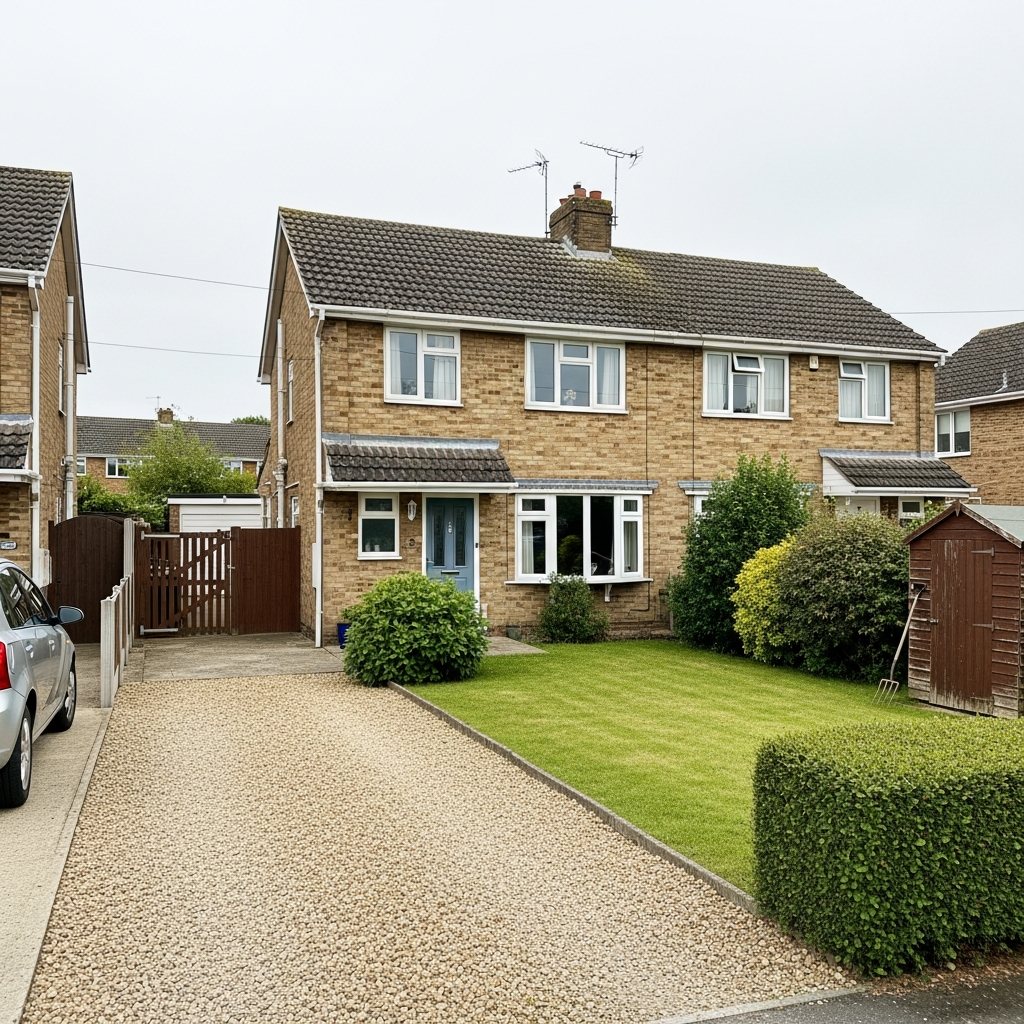
Timber frame houses and heat pumps are a natural pairing. The well-insulated, airtight construction that characterises modern timber frame homes means they have low heat loss, which in turn means they need smaller, more affordable heat pumps and cost less to run. If you live in a timber frame house — whether a modern kit home, a self-build, or one of the many timber frame estates built from the 1980s onwards — you are starting from an excellent position.
This guide covers why timber frame homes are so well suited to heat pumps, what size system you are likely to need, and any specific considerations for this construction type.
Why Timber Frame Houses Are Ideal for Heat Pumps
The fundamental advantage of timber frame construction is that the insulation sits within the structural frame rather than being an afterthought. A modern timber frame wall might contain 140mm to 200mm of insulation within the studs, plus an additional 50mm to 100mm of external insulation board. Compare that with a traditional cavity wall that has, at best, 75mm of blown fibre in the cavity, and the difference is dramatic.
Lower U-values
U-values measure how quickly heat passes through a building element — lower is better. A modern timber frame wall achieves U-values of 0.15 to 0.25 W/m2K, compared with 0.30 to 0.50 for a filled cavity wall and 1.5 to 2.0 for an uninsulated solid wall. This means a timber frame house loses far less heat through its walls, reducing the size of heat pump needed.
Better airtightness
Timber frame construction lends itself to good airtightness because the vapour control layer (a membrane on the warm side of the insulation) acts as an air barrier. Modern timber frame homes typically achieve air permeability of 3 to 5 m3/h/m2 at 50 Pascals, compared with 8 to 12 for a typical masonry house. Less air leakage means less heat loss through uncontrolled ventilation, which again reduces the heat pump size needed.
Consistent thermal performance
Unlike masonry construction, where thermal bridges at lintels, sills, and junctions can create cold spots, timber frame homes have more consistent thermal performance across the entire envelope. The insulation is continuous and the structural timber — while not as insulating as the infill material — conducts less heat than steel lintels or concrete ring beams.
The result: smaller heat pumps
A typical three-bedroom timber frame house might need just 5 to 7 kW of heating — at the low end of the range for its size. A four-bedroom timber frame house might need 7 to 10 kW. Compare that with a masonry house of the same size requiring 8 to 14 kW, and the advantage is clear: a smaller heat pump, a lower purchase price, and lower running costs for the life of the system.
Heat Pump Sizing for Timber Frame Homes
Because timber frame homes are well insulated, they typically fall at the lower end of the sizing tables. Here are indicative figures:
- 2-bedroom timber frame: 3.5 to 5.5 kW
- 3-bedroom timber frame: 5 to 7 kW
- 4-bedroom timber frame: 7 to 10 kW
- 5-bedroom timber frame: 9 to 13 kW
These figures assume the timber frame is in good condition with its original insulation intact. Older timber frame homes (1970s and 1980s) may have thinner insulation that has settled over time, and their performance may be closer to a filled cavity masonry house. A professional heat loss calculation will determine the exact figure for your property.
The oversizing trap
One risk specific to well-insulated homes is oversizing. Because the heat demand is low, it is important that the heat pump can modulate down to match. A 12 kW heat pump in a house that only needs 6 kW will short-cycle — turning on and off frequently rather than running steadily. This reduces efficiency and increases wear.
Modern inverter-driven heat pumps can modulate their output down to around 30 to 40% of their maximum capacity. A 10 kW inverter heat pump can comfortably run at 4 kW when that is all that is needed. But a 16 kW unit in a 6 kW house would still struggle to modulate low enough. Correct sizing is essential, and for timber frame homes, that usually means choosing a smaller unit than you might instinctively expect.
Types of Timber Frame Houses in the UK
Not all timber frame houses are the same. The performance characteristics vary by era and construction method.
Modern timber frame (2000s onwards)
The best performers. These homes are built to current building regulations or better, with thick insulation, excellent airtightness, and high-performance glazing. Many are designed specifically with heat pumps in mind. They need minimal or no modifications to accommodate a heat pump system — they are essentially heat pump-ready from day one.
1990s timber frame
Built to decent standards with cavity insulation within the frame, typically 100mm to 140mm thick. These homes perform well with heat pumps and usually need only modest insulation improvements — perhaps a loft insulation top-up or some draught-proofing — to optimise performance.
1970s and 1980s timber frame
The earlier era of UK timber frame construction. Some of these homes have thinner insulation (75mm to 100mm) that may have settled or degraded over time. They are still better insulated than equivalent masonry homes of the same period, but they may benefit from additional insulation where practical — such as external wall insulation over the existing cladding.
Some 1970s and 1980s timber frame homes had construction issues (most notably the infamous NHBC/Zurich timber frame defects scandal). If your home is one of these, it is worth having a structural assessment before any major works. However, most timber frame homes from this era are structurally sound and perfectly suitable for heat pump installation.
Self-builds and kit homes
The self-build sector has embraced timber frame construction enthusiastically, and many self-builders have specified exceptional insulation levels — often exceeding building regulations by a significant margin. Passivhaus-standard timber frame homes may need as little as 2 to 3 kW of heating, which can be delivered by the smallest available heat pumps or even by the heating element within a mechanical ventilation with heat recovery (MVHR) system.
Specific Considerations for Timber Frame
Pipework penetrations
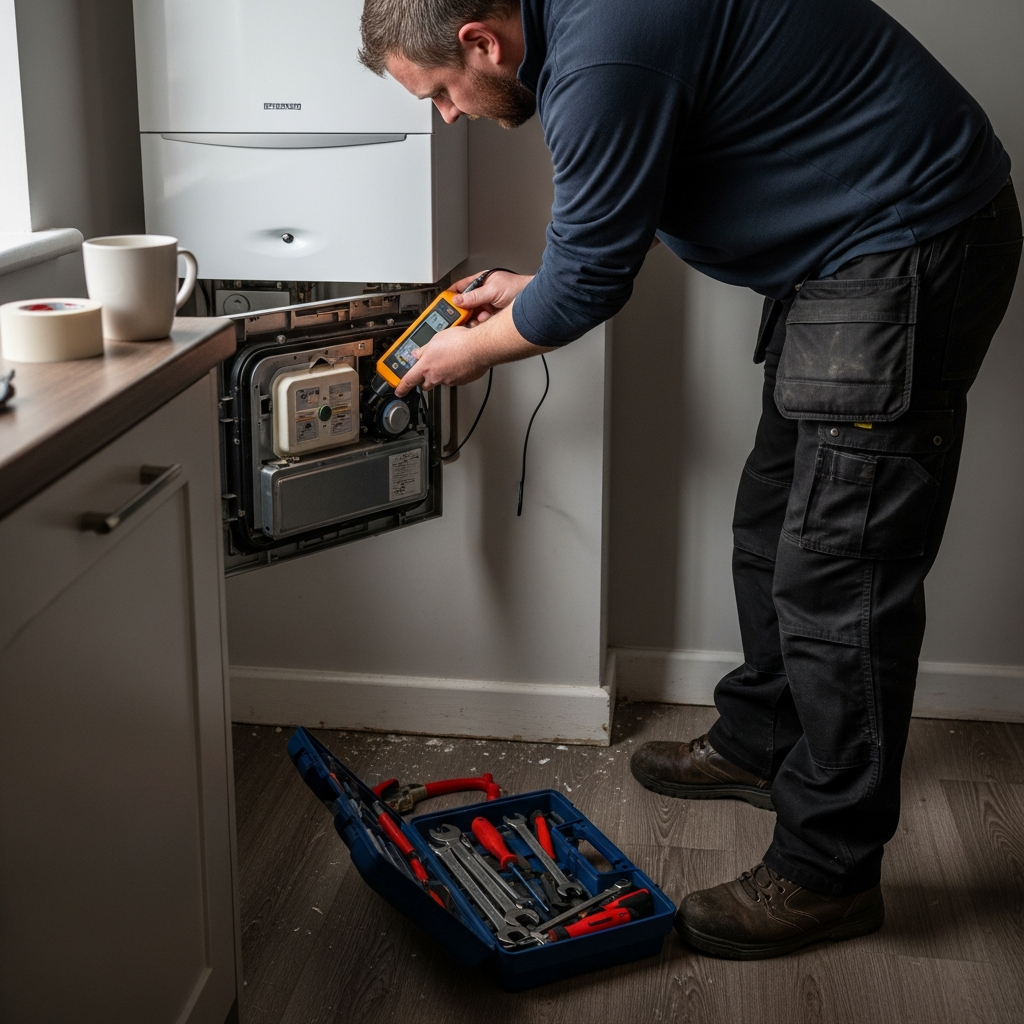
When installing a heat pump, pipes need to pass through the external wall to connect the outdoor unit to the indoor system. In a timber frame house, this penetration must be carefully sealed to maintain the vapour control layer and airtightness membrane. Your installer should use appropriate proprietary sealing products and be aware that the wall construction differs from standard masonry. A good installer will have experience with timber frame buildings — ask about this when choosing your installer.
Vibration and noise transmission
Timber frame structures can transmit vibration more readily than heavy masonry walls. If the outdoor unit is fixed to the building (wall-mounted), ensure anti-vibration mounts are used and that the fixings are appropriate for the wall construction. A freestanding plinth position, separate from the house, avoids this issue entirely and is the preferred approach for most timber frame installations.
Underfloor heating compatibility
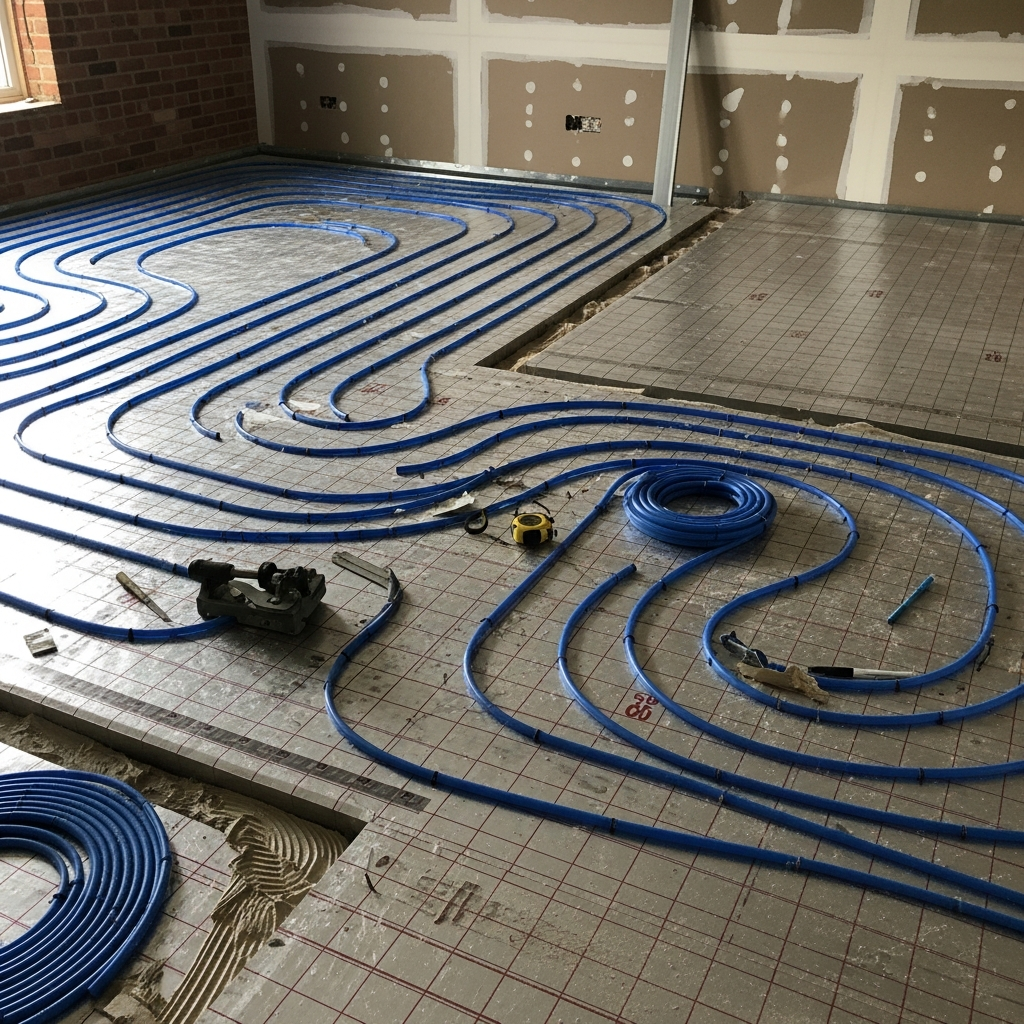
Many timber frame houses are built with underfloor heating, which is the ideal heat distribution system for a heat pump. Underfloor heating runs at very low temperatures (25 to 35 degrees Celsius), allowing the heat pump to achieve its maximum efficiency. If your timber frame house already has underfloor heating, you are in the best possible position for a heat pump installation — you may not even need any changes to the heat distribution system.
Radiator requirements
If your timber frame house uses radiators, they may already be adequately sized for a heat pump because the lower heat loss means less heat output is needed from each radiator. Your installer will check this during the heat loss survey. In many cases, timber frame homeowners find that few or no radiator upgrades are needed — a significant cost saving compared with older masonry homes.
Costs for Timber Frame House Heat Pumps
Because timber frame homes typically need smaller systems and fewer modifications, the costs are usually towards the lower end of the range:
- Air source heat pump (3-bed timber frame): £8,000 to £11,000 installed
- Air source heat pump (4-bed timber frame): £10,000 to £13,000 installed
- Radiator upgrades (if needed): £0 to £800
- BUS grant deduction: -£7,500
After the BUS grant, most timber frame homeowners pay £1,500 to £6,000 for a complete air source heat pump installation. This is at the affordable end of the heat pump market, and the running costs are also lower because of the reduced heat demand. Full cost details are available in our cost guide.
Running Costs
Timber frame homes benefit from low running costs with heat pumps:
- 3-bed timber frame (ASHP, SCOP 3.2): £500 to £800 per year
- 4-bed timber frame (ASHP, SCOP 3.0): £700 to £1,000 per year
- 3-bed timber frame (GSHP, SCOP 4.0): £400 to £650 per year
These figures include both space heating and hot water, based on electricity at 24p per kWh. Using a time-of-use tariff with off-peak rates can reduce these costs by a further 20 to 30%.
Frequently Asked Questions
Are timber frame houses the best type for a heat pump?
They are among the best. The excellent insulation and airtightness of timber frame construction means lower heat demand, smaller heat pumps, and lower running costs. The only properties that perform better are Passivhaus-standard buildings and other ultra-low-energy constructions, many of which are also timber frame.
Do I need any insulation upgrades?
Modern timber frame homes (post-2000) rarely need any upgrades. Homes from the 1990s may benefit from a loft insulation top-up. Older timber frame homes (1970s and 1980s) may benefit from additional external insulation if the original insulation has degraded. Your installer will assess this during the heat loss survey.
Can I use my existing underfloor heating with a heat pump?
In most cases, yes. If your timber frame house was built with underfloor heating, it is likely designed for flow temperatures of 35 to 45 degrees Celsius — perfectly compatible with a heat pump. Your installer will check the pipe spacing, loop lengths, and manifold configuration to confirm compatibility.
Is there any risk to the timber frame from a heat pump?
No. A heat pump does not pose any risk to a timber frame structure. The only consideration is ensuring that pipe penetrations through the external wall are properly sealed to maintain the vapour barrier and airtightness layer. Any competent installer will know how to do this.
Should I choose air source or ground source?
For most timber frame homes, air source is the most cost-effective option because the low heat demand means a compact, affordable system. Ground source makes sense if you want maximum efficiency, complete silence, or if you are building new and can include the ground loop in the construction budget.
My timber frame house already has a heat pump — can I upgrade it?
Yes. If your existing heat pump is reaching the end of its life (typically 15 to 20 years for the outdoor unit), replacing it with a modern unit will improve efficiency and performance. Modern heat pumps are significantly more efficient than models from even ten years ago, so the replacement should deliver lower running costs and better comfort.