Heat Pump and Large Radiators: Room by Room Guide
The living room almost always needs the biggest radiator — high heat loss from windows and external walls combined with a 21°C target temperature makes it the most demanding room. Bedrooms, by contrast, often need no upgrade at all. Here is a practical room-by-room assessment for UK homes.

Each room in your home has different heating demands. Your installer assesses every room during the survey. See our pillar: do I need new radiators?
Living Room
Typically 1,000-1,800W heat loss. At 45°C flow, needs 2,100-3,800W rated output. Usually requires a large Type 22 or fan convector. Often the room that triggers a radiator upgrade.
Bedrooms

Typically 400-800W heat loss. Lower 18°C target temperature reduces requirements. Many existing double-panel radiators are adequate without change.
Kitchen
Typically 500-900W heat loss, but appliances (oven, fridge, dishwasher) contribute significant secondary heat. Existing radiators are often adequate.
Bathroom
Typically 300-600W heat loss. Towel rails may need supplementing with a wall radiator. Consider underfloor heating for the ultimate bathroom comfort.
Hallway
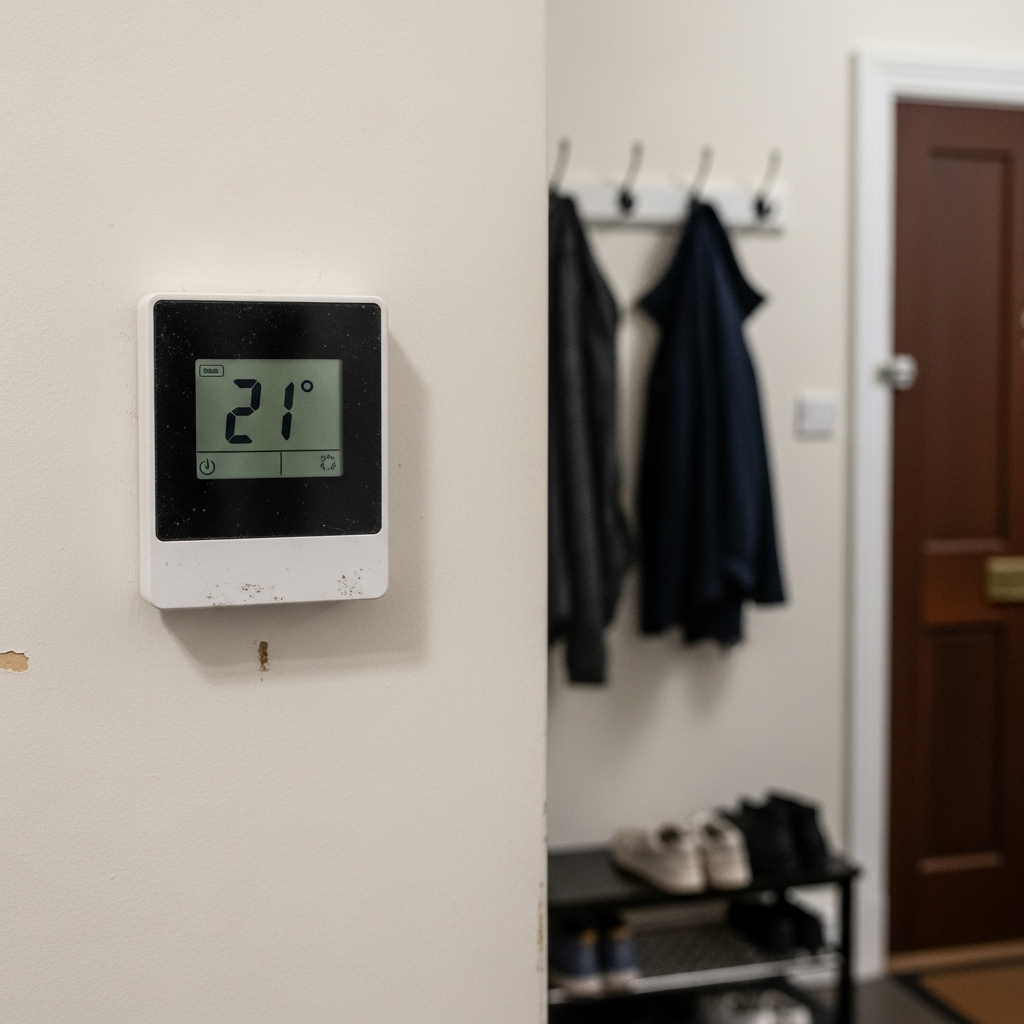
Typically 300-700W heat loss. Front door draughts increase demand. A compact Type 22 or fan convector works well in narrow spaces.
| Room | Typical Heat Loss | Likely Outcome |
|---|---|---|
| Living room | 1,000-1,800W | Usually needs upgrade |
| Main bedroom | 400-800W | Often adequate |
| Kitchen | 500-900W | Usually adequate |
| Bathroom | 300-600W | Towel rail may need help |
| Hallway | 300-700W | Sometimes needs upgrade |
Powering your system with solar panels makes any radiator investment pay back faster through lower running costs.
Frequently Asked Questions
Which room needs the biggest upgrade?
Usually the living room — highest heat loss and highest target temperature.
Do bedrooms usually need new radiators?
Often not. Lower target temperature (18°C) means many existing radiators are adequate.
Room-by-room radiator planning ensures every space is comfortable. Connects to radiator assessment, heat loss calculations, and installation costs. Solar panels complement any radiator strategy.