Heat Pump Installation in Scotland: Rules and Grants
Scottish homeowners can access up to £15,000 in combined grant and interest-free loan funding for a heat pump — potentially more generous than the English scheme. But Scotland also has different planning rules, building warrant requirements, and a more ambitious decarbonisation timeline that makes understanding the local landscape essential.
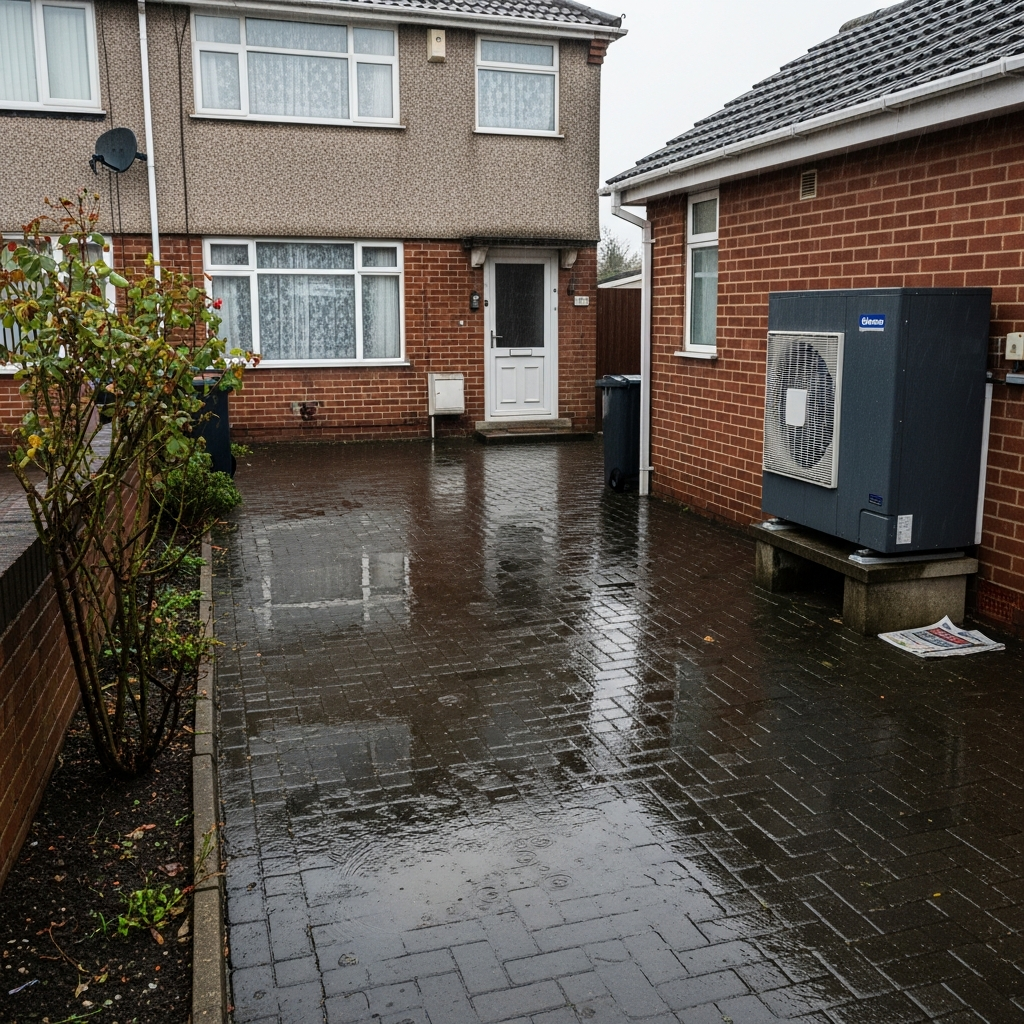
If you live in Scotland, the rules, grants, and regulations around heat pump installation differ from England and Wales in several important ways. Scotland has its own energy efficiency standards, its own grant scheme, different planning rules, and a more ambitious timeline for phasing out fossil fuel heating.
This guide covers everything Scottish homeowners need to know — from financial support through Home Energy Scotland to the specific building regulations and planning requirements that apply north of the border. For the UK-wide picture, see our main heat pump installation guide.
See what a heat pump would cost for your Scottish home
Use the free calculatorInstant estimate including grant deductions. No email required.
Scotland's Heat Pump Grant: Home Energy Scotland (HES)
Scotland operates its own grant scheme, separate from the Boiler Upgrade Scheme that applies in England and Wales.
Grant Amounts
This is potentially more generous than the England and Wales scheme, which offers a flat £7,500 grant with no additional interest-free loan option. For full details on UK-wide heat pump grants, see our dedicated guide.
Eligibility Criteria
- You must own and live in the property (owner-occupiers only for the full grant)
- The property must be in Scotland
- You must have a Home Energy Scotland assessment or EPC
- The installation must be carried out by an MCS-certified installer
- You should ideally have addressed basic insulation measures first
How to Apply

- Contact Home Energy Scotland on 0808 808 2282 or through their website
- Home energy assessment: A trained assessor visits your home
- Get installer quotes: Obtain quotes from MCS-certified installers
- Submit your application through Home Energy Scotland
- Approval and installation: Proceed once approved
Scotland's Ambitious Decarbonisation Targets
- Net zero by 2045: Five years ahead of the UK-wide 2050 target
- Heat in Buildings Strategy: Pathway to decarbonise all Scottish home heating
- New Build Standard (2024 onwards): New homes must achieve very high efficiency, effectively requiring heat pumps
- Proposed trigger-point regulations: Requirements to install clean heating when selling or replacing a broken boiler
This regulatory direction means that heat pump installation in Scotland is not just an option — for many homeowners, it will become a requirement sooner than in England and Wales.
Check if your Scottish home is suitable for a heat pump
Check suitabilityQuick assessment based on your property type and current heating.
Planning Permission in Scotland
Planning rules in Scotland fall under Scottish planning legislation rather than the Town and Country Planning Act.
Permitted Development Rights
Air source heat pumps benefit from permitted development rights in Scotland provided you meet conditions including: only one heat pump per property, MCS planning standard compliance, not within a listed building curtilage, and noise compliance at the nearest boundary.
Key Differences From England
- Conservation areas: Scotland has a larger proportion relative to housing stock, particularly in Edinburgh, Glasgow, and historic towns
- National Scenic Areas: Scotland has 40 NSAs requiring planning permission for heat pump installations
- Croft land: Properties on croft land may have additional considerations
- Local authority interpretation: Scottish councils may interpret conditions differently — contact your planning department if in doubt
Building Regulations in Scotland
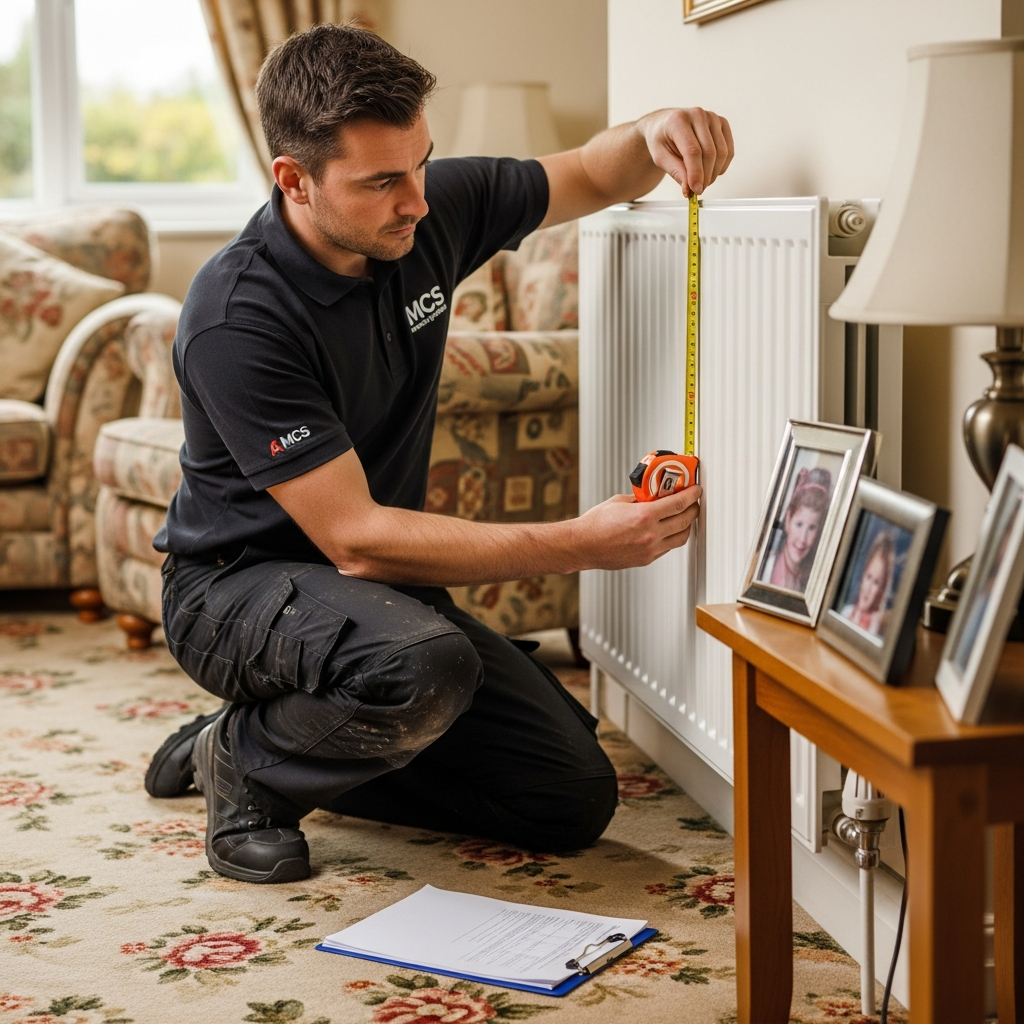
Scotland has its own building regulations. A building warrant — Scotland's equivalent of building regulations approval — may be required if the installation involves new pipework penetrations, electrical modifications to the consumer unit, or structural alterations. Cost is typically £150 to £300.
Scottish Climate Considerations
Colder Temperatures
Scottish winters are colder on average, with more prolonged periods below freezing. This means a thorough heat loss calculation is even more critical, and choosing a heat pump with good performance at -10 degrees Celsius or below is essential.
Older Housing Stock
Scotland has a high proportion of older stone-built properties with solid walls. These may need external or internal wall insulation, larger radiators or underfloor heating, and higher-capacity heat pumps.
Rural and Off-Grid Properties
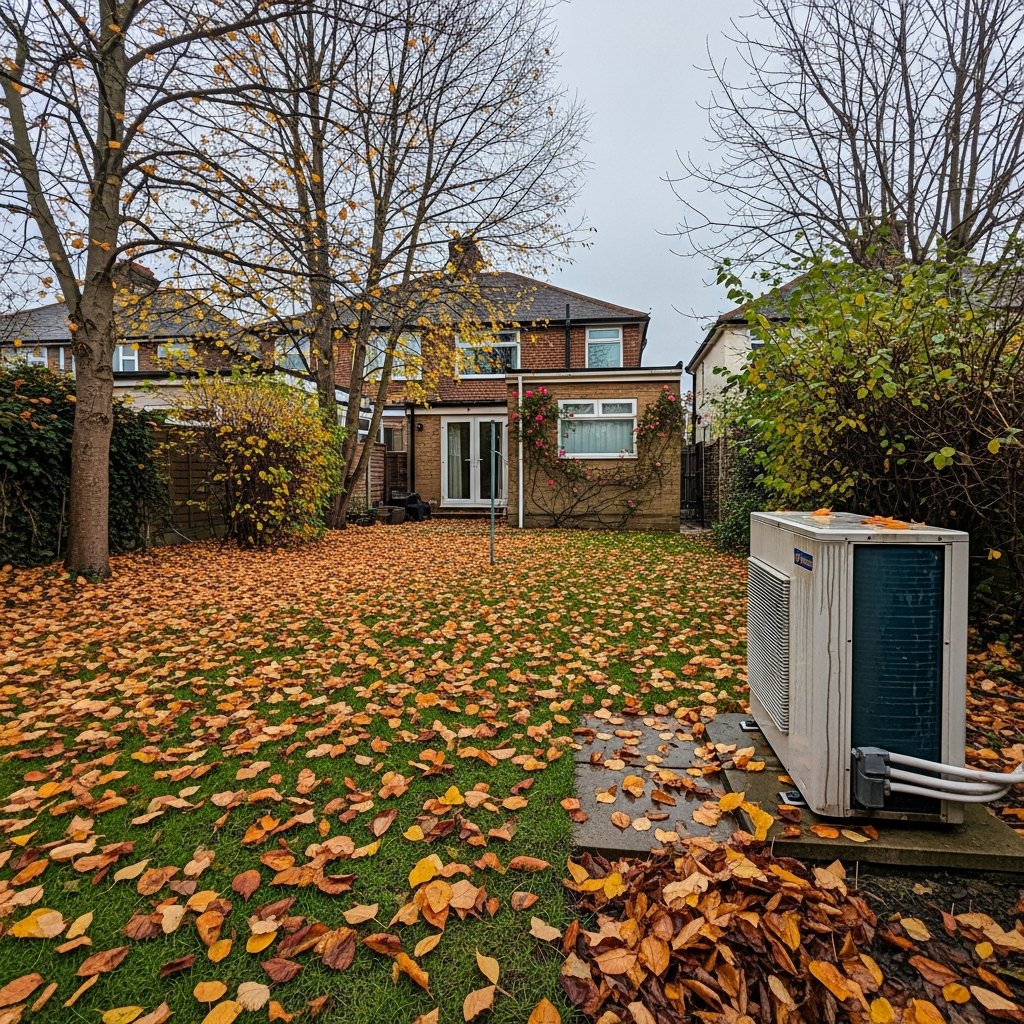
A significant proportion of Scottish homes are off the gas grid, relying on oil or LPG — often the best candidates for heat pumps due to high existing fuel costs and additional rural grant funding. Combining a heat pump with solar panels is particularly effective for rural Scottish properties where electricity costs can be offset by self-generation.
Finding an Installer in Scotland
- MCS certification is essential for accessing the HES grant
- Scottish experience matters: Choose an installer familiar with Scottish housing stock and building warrant procedures
- Get multiple quotes: Aim for at least three quotes including a detailed heat pump survey
Additional Scottish Schemes
- Warmer Homes Scotland: Fully funded heat pumps for lower-income households
- ECO4: Energy Company Obligation funding for fuel-poor households across Great Britain
- Area-Based Schemes: Some local authorities run area-specific energy efficiency programmes
Find out what a heat pump would save you in Scotland
Calculate your savingsAccounts for Scottish energy prices and climate. Instant results.
Frequently Asked Questions
Is the Scottish heat pump grant better than the English one?
The Scottish scheme can be more generous overall. While the grant amount (up to £7,500) is similar to the Boiler Upgrade Scheme, the additional interest-free loan of up to £7,500 means Scottish homeowners can access up to £15,000 in combined support, repayable over up to 12 years.
Do I need a building warrant for a heat pump in Scotland?
Potentially, yes. Unlike England where most installations are self-certified, Scotland's building warrant system may require formal approval. Your installer will advise on whether a warrant is needed.
Will a heat pump work in the Scottish Highlands?
Yes. Modern air source heat pumps operate efficiently in temperatures well below those experienced in the coldest Scottish locations. The key is correct sizing based on local design temperatures.
Can I get a heat pump in a Scottish tenement flat?
It is more challenging but not impossible. Considerations include outdoor unit placement, noise impact, and permission from the building's factor or other owners. Contact Home Energy Scotland for specific advice.
How long does the Scottish grant take to process?
The HES grant application typically takes 4 to 8 weeks from application to approval. The home assessment visit usually happens within 2 to 4 weeks. Allow 2 to 3 months from first contact to grant approval.
Heat pump installation in Scotland is governed by distinct regulations, grants, and climate considerations compared to the rest of the UK. The Home Energy Scotland scheme provides generous funding alongside the Scottish Government's ambitious net zero 2045 target. Scottish homeowners can further reduce energy costs by combining a heat pump with solar panels, particularly in rural off-grid locations where running costs savings are greatest.