Heat Pump for a Dormer Bungalow
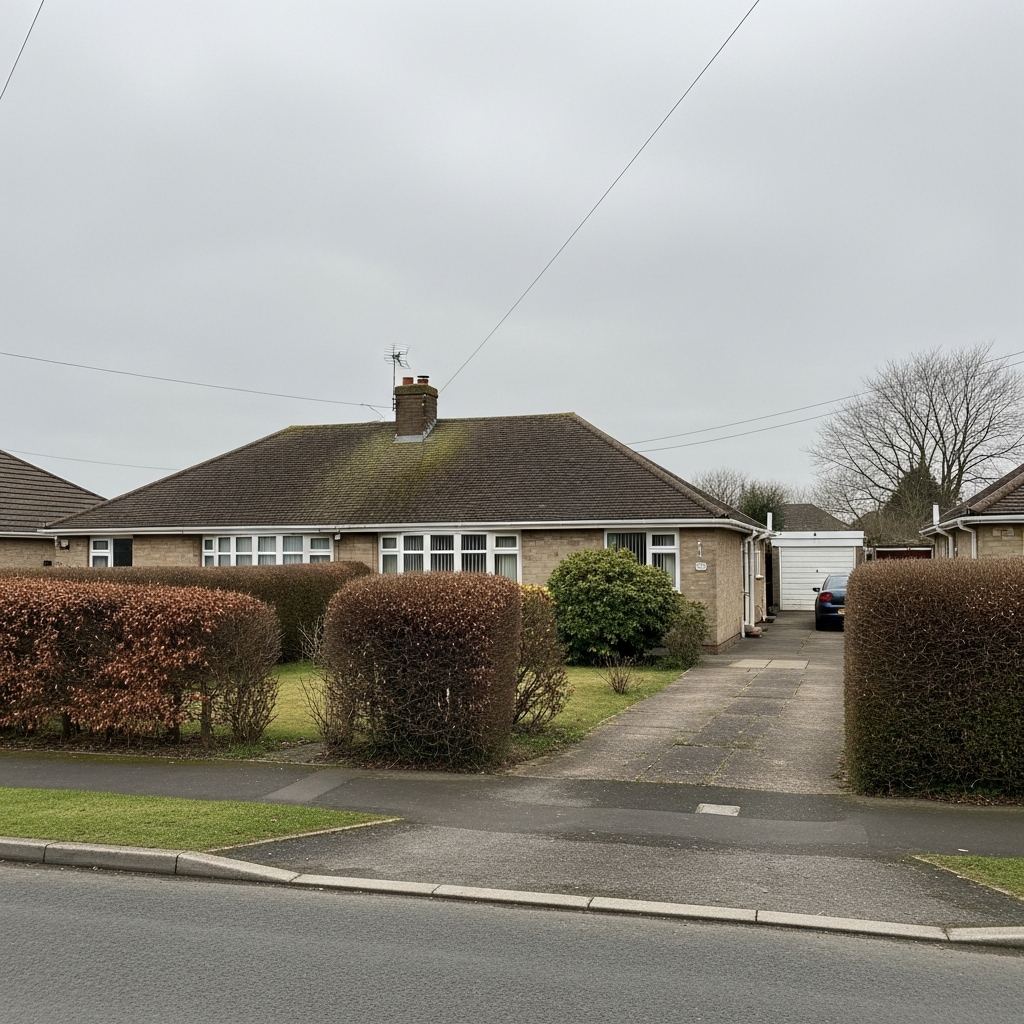
Dormer bungalows are a popular property type across the UK — essentially a bungalow with habitable rooms in the roof space, accessed by a staircase and lit by dormer windows. They offer the best of both worlds: single-storey living with extra bedrooms or a home office upstairs. When it comes to heat pump installations, they are generally good candidates, but the roof-level rooms add some specific considerations around insulation and heat distribution.
This guide explains what makes dormer bungalows different from standard bungalows, why loft insulation is the single most important factor, and how to design a heat pump system that keeps every room — ground floor and attic — comfortably warm.
How Dormer Bungalows Differ from Standard Bungalows
A standard bungalow is a single-storey building with an uninhabited loft above. Insulating it is straightforward — you roll mineral wool across the loft floor and the job is done. The loft space acts as a buffer zone between the heated rooms below and the cold roof above.
A dormer bungalow is different. Part or all of the loft has been converted into habitable rooms. The roof now forms the walls and ceiling of these rooms, meaning the insulation must follow the line of the roof rather than sitting on the loft floor. This is where the complexity arises — and where many dormer bungalows fall short.
The insulation gap
Many dormer bungalows, particularly those built before the 1990s, have inadequate insulation in the roof rooms. The rafters may be only 100mm deep, limiting how much insulation can fit between them. The dormer cheeks (the vertical side walls of the dormer) are notorious cold spots — often uninsulated or minimally insulated. And the knee walls (the short vertical walls where the sloping roof meets the attic floor) frequently have gaps that let cold air from the eaves circulate behind them.
The result is that dormer bungalow attic rooms can be cold in winter and hot in summer. For a heat pump installation, this means higher heat loss and a larger system than might otherwise be needed. Addressing these insulation weaknesses before or alongside your heat pump installation is the single most impactful thing you can do.
Insulation Priorities for Dormer Bungalows
Getting the insulation right is the key to a successful heat pump installation in a dormer bungalow. Here are the priority areas, in order of importance:
1. Rafter insulation
The sloping roof sections of the attic rooms need insulation between the rafters and ideally below them as well. If your rafters are 100mm deep, fitting 100mm of rigid insulation board between them and adding 50mm below (with a new plasterboard finish) gives you 150mm of insulation — a reasonable standard. For even better performance, 200mm total is achievable with slightly deeper battens.
The gap between the insulation and the roof tiles must be maintained for ventilation — this prevents condensation building up in the roof structure. A breathable roofing membrane (if your roof has one) makes this easier; an older felt membrane requires more careful detailing.
2. Dormer cheeks and head
The vertical walls and flat roof of each dormer window are often the weakest points thermally. Insulating the dormer cheeks from inside is usually the only practical option — rigid insulation board with a plasterboard finish. The flat roof of the dormer should also be insulated if it has not been already — this can often be done when the flat roof covering is next replaced.
3. Knee walls
The short walls at the base of the sloping roof need insulation on the room side, and critically, any gaps around and behind them need to be sealed to prevent cold air from the eaves infiltrating the room. This is a common source of draughts in dormer bungalows and addressing it can make a surprisingly large difference to comfort and heat loss.
4. Flat ceiling areas
Where the attic floor extends beyond the habitable rooms (for example, above built-in wardrobes or in eaves storage areas), insulation can be laid on the flat ceiling in the traditional way. Make sure there is a continuous insulation line from the flat areas through the knee walls to the rafter insulation — any gaps create cold bridges.
5. Ground floor
Do not forget the ground floor. Bungalows, including dormer bungalows, lose a proportionally higher amount of heat through the ground floor than two-storey houses because the floor area relative to the total volume is larger. If your ground floor is uninsulated, addressing it will reduce your heat pump size and running costs.
Sizing a Heat Pump for a Dormer Bungalow
A dormer bungalow's heat demand depends heavily on the insulation levels in the roof rooms. Here are typical ranges:
- 2-3 bedroom dormer bungalow (well insulated): 5 to 8 kW
- 2-3 bedroom dormer bungalow (average insulation): 7 to 10 kW
- 3-4 bedroom dormer bungalow (well insulated): 7 to 10 kW
- 3-4 bedroom dormer bungalow (poor roof insulation): 10 to 14 kW
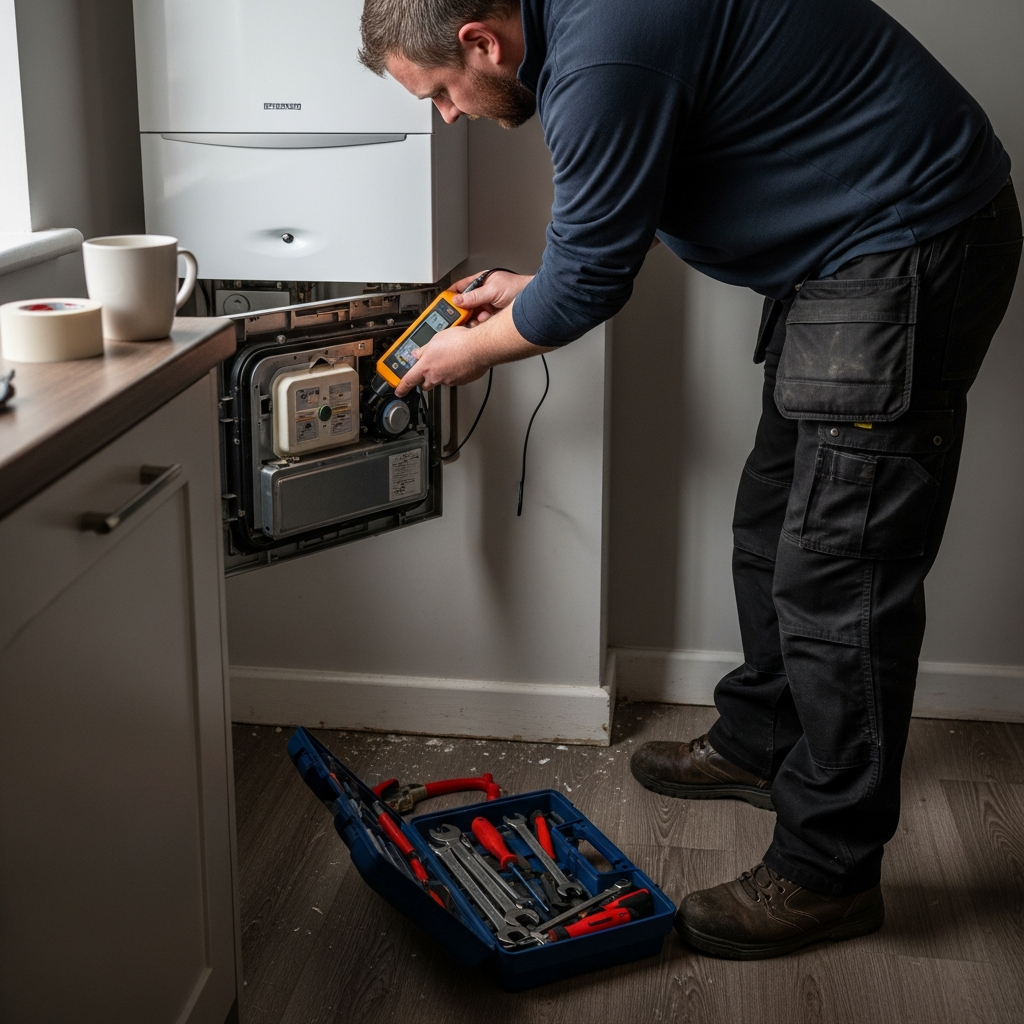
A proper room-by-room heat loss calculation is essential. The surveyor will pay particular attention to the attic rooms, measuring the roof insulation depth and checking for cold spots and draughts. This data determines whether you need a 7 kW system or a 12 kW system — a significant difference in both cost and running expense.
Heat Distribution in a Dormer Bungalow
One of the challenges with dormer bungalows is getting heat to the upstairs rooms efficiently. Unlike a standard two-storey house where heat naturally rises through the stairwell, a dormer bungalow often has a compact staircase and relatively small attic rooms that can be tricky to heat evenly.
Radiator sizing for attic rooms
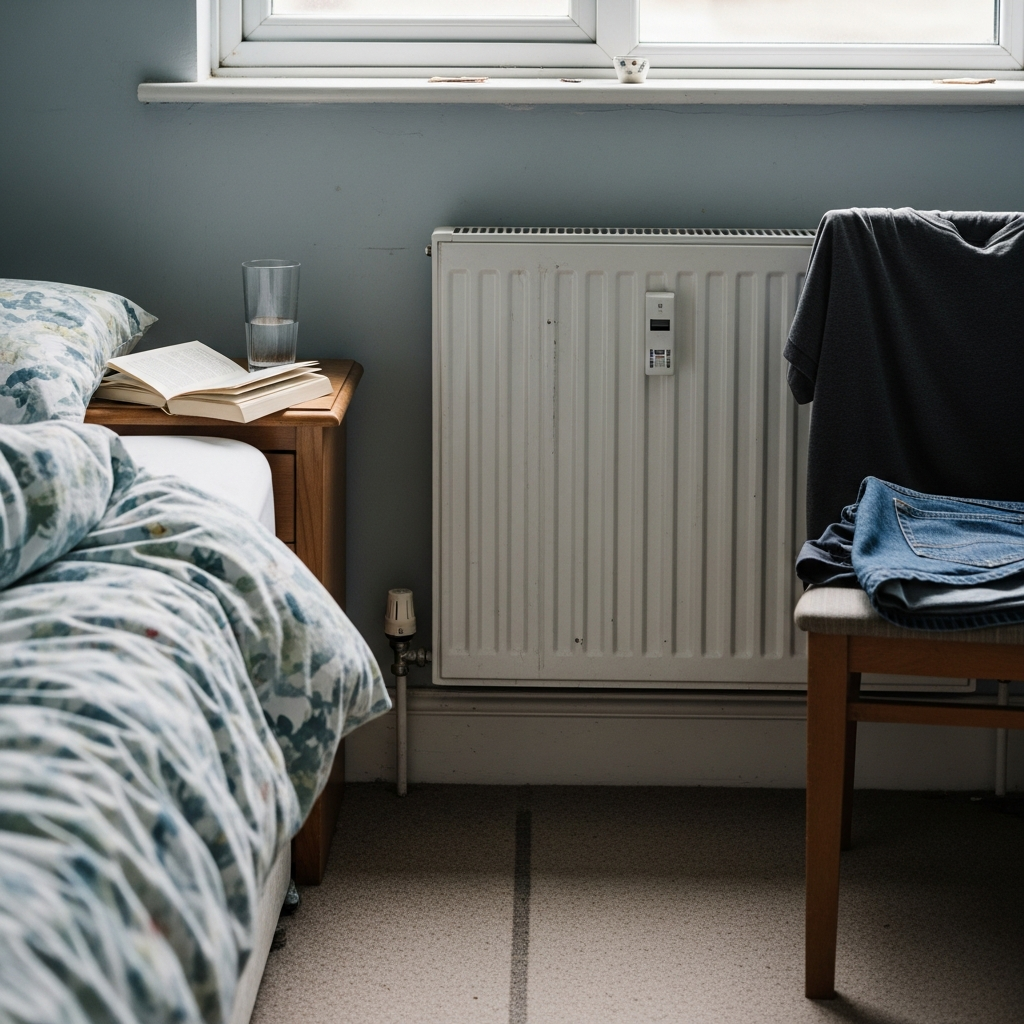
Attic rooms often have sloping ceilings and limited wall space, which restricts where radiators can go and what size they can be. Low-level radiators that fit under sloping ceilings are available and work well with heat pumps. Your installer will need to be creative about radiator placement — a large radiator on the gable end wall, for example, combined with a smaller one on the opposite wall, can provide even heat distribution.
Some of your existing radiators may need to be upsized to deliver adequate heat at the lower flow temperatures a heat pump uses. In attic rooms where wall space is limited, vertical radiators (tall and narrow) can be a good solution — they deliver high output without needing a long wall run.
Underfloor heating option
If you are renovating the ground floor of your dormer bungalow, underfloor heating is an excellent choice. It runs at very low temperatures (25 to 35 degrees Celsius), which allows the heat pump to operate at maximum efficiency. The ground floor stays warm and comfortable underfoot, and you can use radiators in the attic rooms above.
Zoning
A two-zone system — ground floor and first floor — is sensible for most dormer bungalows. This allows you to keep the ground floor at your preferred temperature during the day while reducing heating in the attic bedrooms, and vice versa at night. Each zone has its own thermostat, so you are not heating rooms you are not using.
Air Source vs Ground Source for Dormer Bungalows
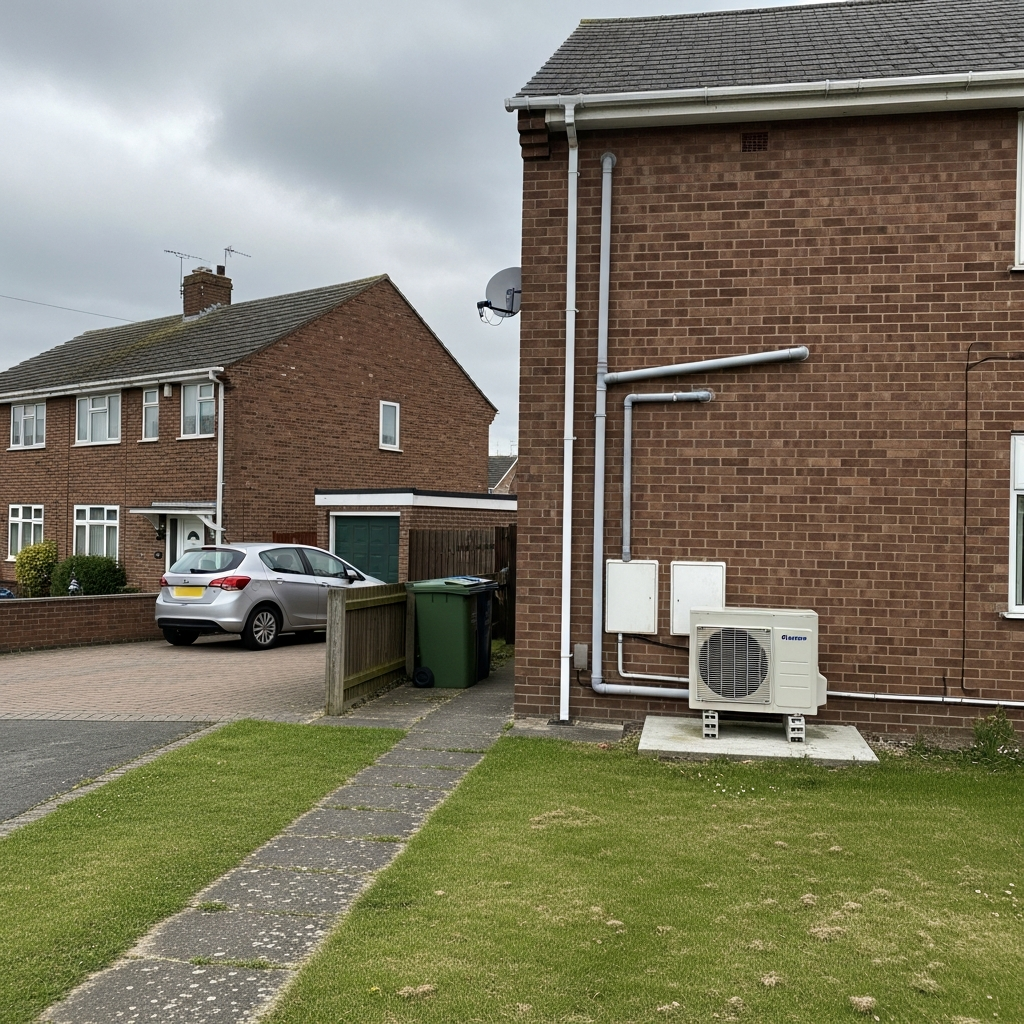
Most dormer bungalow owners opt for an air source heat pump because of the lower cost and simpler installation. Dormer bungalows typically have good garden space for the outdoor unit, and with no close neighbours in many cases, noise is not a concern.
A ground source heat pump is worth considering if you have a large garden, want maximum efficiency, or prefer a completely silent system. The larger garden typical of bungalow plots makes horizontal ground loops a realistic option, which is cheaper than borehole drilling.
Costs for a Dormer Bungalow Heat Pump
- Air source heat pump (2-3 bed dormer): £9,000 to £13,000 installed
- Air source heat pump (3-4 bed dormer): £11,000 to £15,000 installed
- Rafter insulation upgrade: £1,500 to £4,000
- Radiator upgrades: £400 to £1,200
- BUS grant deduction: -£7,500
After the BUS grant, a typical dormer bungalow owner pays £3,000 to £8,000 for the heat pump system, plus any insulation improvements. If the insulation work is needed anyway (many dormer bungalows have damp or comfort issues related to poor roof insulation), the combined project makes excellent sense. See our cost guide for detailed breakdowns.
Common Challenges and Solutions
Limited internal space for a hot water cylinder
Dormer bungalows can be tight on space, particularly if the downstairs layout is compact. A hot water cylinder (typically 150 to 200 litres) needs to go somewhere accessible. Options include an airing cupboard, a utility area, under the stairs, or in the eaves storage space (if accessible and large enough). Slimline cylinders are available for tight spaces.
Pipework routing
Getting pipework from the outdoor unit to the indoor system and then up to the first-floor radiators requires planning. In a dormer bungalow, the installer may need to run pipes through the eaves space or up through built-in cupboards to reach the attic rooms. A good installer will plan these routes carefully to minimise disruption and keep everything neat.
Condensation in attic rooms
Poorly insulated attic rooms are prone to condensation, particularly on cold surfaces like under-insulated dormer cheeks. Installing a heat pump actually helps with this — the steady, gentle warmth reduces the temperature fluctuations that cause condensation. But the insulation must also be correctly detailed to prevent warm, moist air from reaching cold surfaces within the roof structure. See our guide on heat pumps and damp for more detail.
Frequently Asked Questions
Is a dormer bungalow harder to heat than a standard bungalow?
Slightly, because the roof rooms increase the overall heat loss compared with an insulated loft floor. But with proper rafter insulation and attention to the dormer cheeks and knee walls, a dormer bungalow performs very well with a heat pump. The total heat demand is usually only 10 to 20% higher than an equivalent standard bungalow with the same footprint.
Do I need to insulate the roof rooms before installing a heat pump?
It is strongly recommended. Poor roof insulation is the single biggest factor increasing heat loss in a dormer bungalow. Improving it before the heat pump is installed means you can specify a smaller, cheaper system with lower running costs. If budget is tight, prioritise rafter insulation and dormer cheek insulation — these give the biggest returns.
Can I use the existing radiators?
Some will be fine, others may need upgrading. Heat pumps run at lower temperatures than boilers, so radiators need to be larger to deliver the same warmth. Your installer will calculate the required output for each room and identify which radiators need replacing. In attic rooms with limited wall space, vertical or low-profile radiators may be recommended.
Where should the outdoor unit go?
Ideally to the side or rear of the property where it has good airflow and is easy to access. Dormer bungalows usually have ample garden space, so finding a suitable position is rarely a problem. Keep the unit away from bedroom windows and ensure there is at least one metre of clear space in front of the fan outlet.
How much will I save on heating bills?
Savings depend on your current heating system. Replacing oil or LPG heating typically saves £800 to £1,500 per year. Replacing an old gas boiler with a heat pump may see similar or slightly lower bills initially, with savings growing over time as gas prices rise and electricity prices stabilise. An efficient heat pump on a smart electricity tariff can deliver significant savings compared with any fossil fuel system.
Is planning permission needed?
Air source heat pumps are generally permitted development for dormer bungalows, meaning no planning permission is required. The unit must comply with MCS planning standards (noise and placement), and there can only be one unit on the property. If your dormer bungalow is listed or in a conservation area, you will need to apply for permission.