Heat Pump and Solar PV: The Whole-Home Energy System
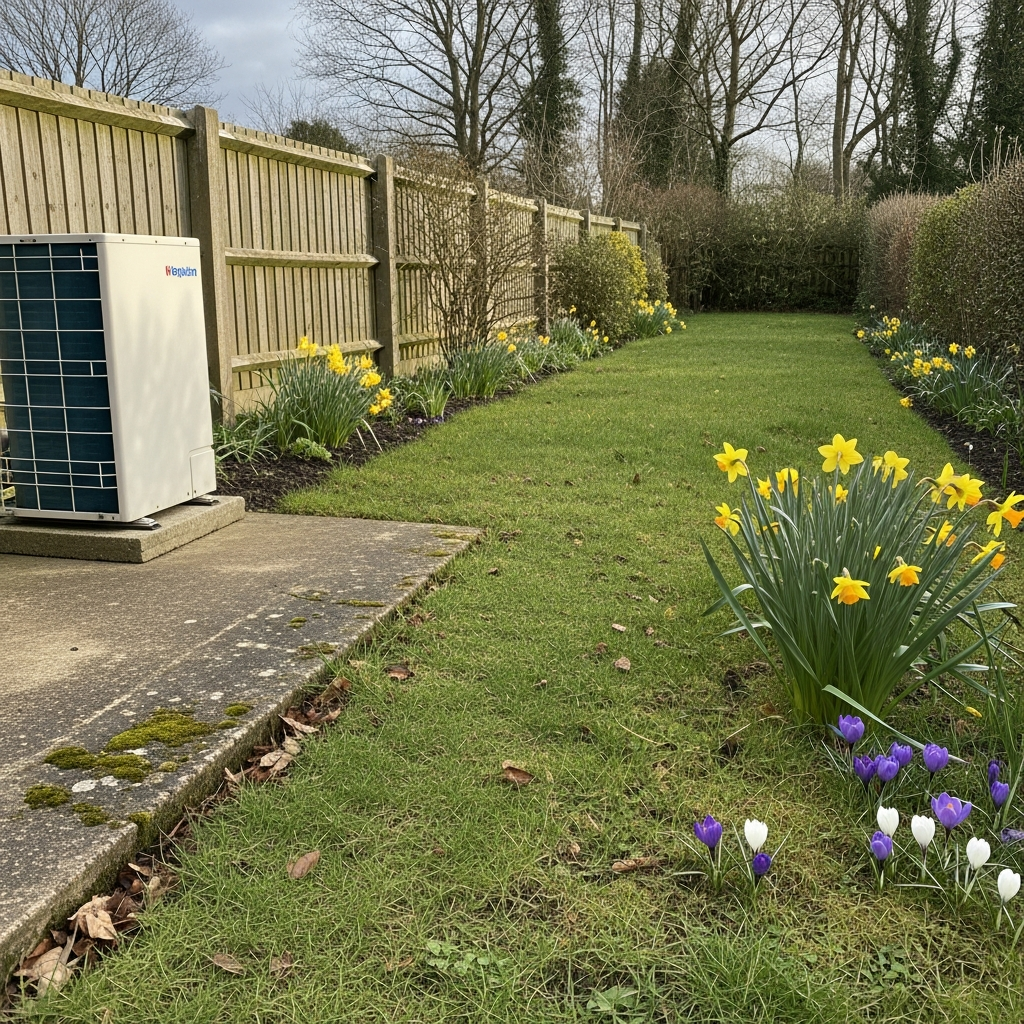
A heat pump plus solar PV can cut your annual heating costs well below a gas boiler's. On our example home, a heat pump on a Cosy-style time-of-use tariff costs about £378 a year less to run than a gas boiler at October 2026 price cap rates, before any solar. This whole-home energy system combines daytime solar electricity with cheaper time-of-use tariff rates.
This guide covers the economics of combining both technologies, the grants available, sizing advice, and how to maximise the benefit from your integrated heat pump and solar panel system.
Calculate your combined solar + heat pump savings
Use Our Free CalculatorSee running costs with and without solar for your property
The Combined Economics
| Scenario | Annual Heating + Hot Water Cost | Annual Saving vs Gas Boiler |
|---|---|---|
| Gas boiler (standard tariff) | £1,063 | — |
| Heat pump (standard tariff) | £987 | £76 |
| Heat pump + Cosy-style tariff | £685 | £378 |
| Heat pump + Cosy-style tariff + 4kW solar | Lower still, depending on solar use | More than £378 |
Unit rates only, Ofgem price cap 1 October 2026 to 31 December 2026: gas boiler 12,000 kWh heat at 90% efficiency and 7.97p/kWh; heat pump COP 3.2 (3,750 kWh) at 26.32p/kWh; Cosy-style = 60% of use in cheap windows 51% below a day rate taken as the price cap rate. Standing charges excluded. Solar savings depend on your system and are not estimated here.

Grants and Funding
Heat Pump Grant
BUS: £7,500 (£9,000 replacing oil or LPG off the gas grid, to 31 March 2027)
Solar VAT
0% VAT on residential solar until 31 March 2027
Net System Cost
About £8,600-15,100 after grant
Combined Payback
Depends on usage and tariff
System Sizing
- Heat pump: Size based on your home's heat loss calculation — typically 5-12 kW for most UK homes. Your MCS installer will specify this
- Solar PV: A 4kW system (10-12 panels) is ideal for most 3-4 bed homes with a heat pump. See the Home Solar Guide for detailed sizing
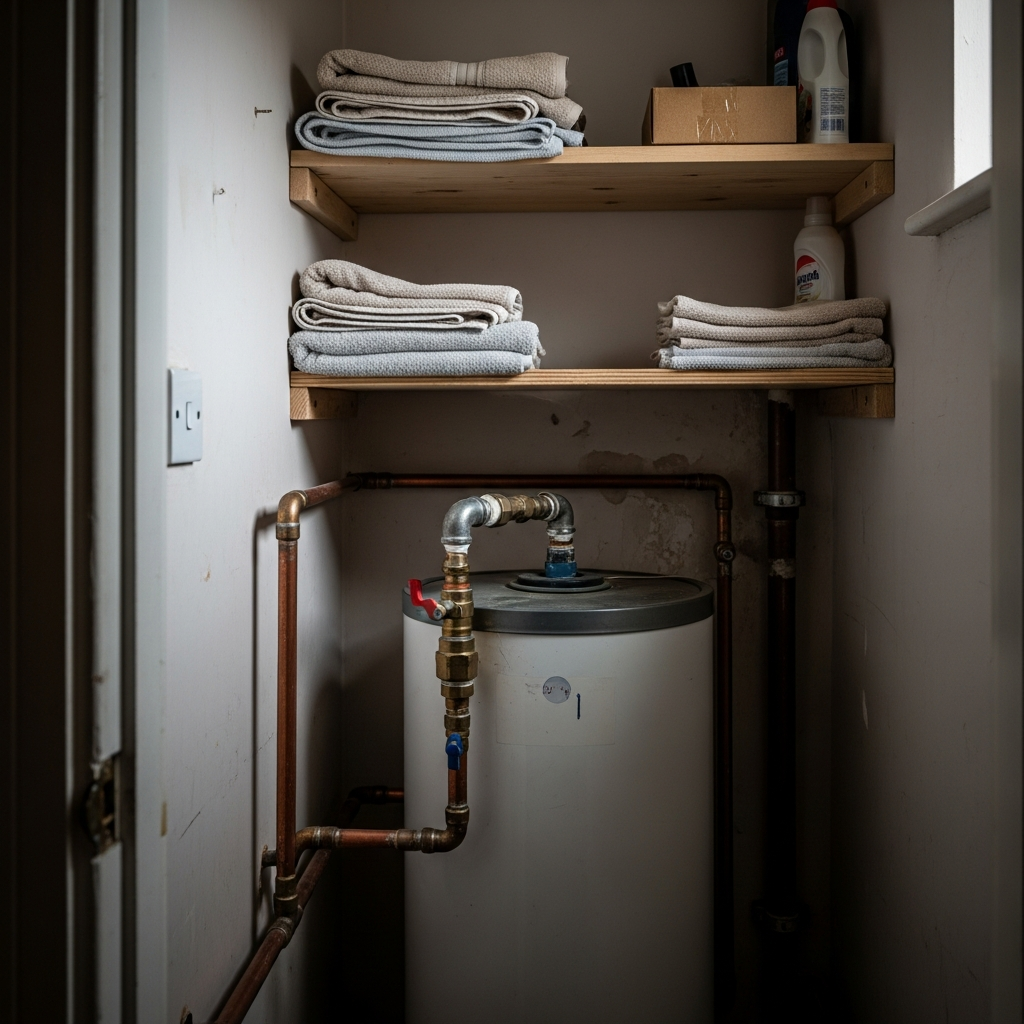
- Hot water cylinder: 200-300L recommended — acts as thermal storage for surplus solar
Maximising the Combination
- Use a solar diverter: Automatically diverts surplus solar to your hot water cylinder via the heat pump
- Schedule daytime hot water: Run the heat pump for hot water during peak solar hours
- Use Octopus Cosy for overnight: Solar covers daytime; Cosy's cheap windows (51% below the regional day rate) cover overnight and afternoon heating
- Monitor with smart meter: Track self-consumption and identify optimisation opportunities
- Consider export tariffs: Earn income from surplus solar you cannot use
Check if a heat pump suits your home
Request a heat pump quoteAnswer a few questions about your home and request a quote.

Calculate your whole-home energy savings
Try the Free CalculatorSee combined heat pump + solar running costs for your property
Frequently Asked Questions
How much does a combined heat pump and solar PV system cost?
A typical air source heat pump (£11,128-£15,627 before grant, DESNZ) plus 4kW solar (£5,000-7,000) totals roughly £16,100-22,600. After the BUS grant (£7,500), net cost is roughly £8,600-15,100; payback depends on your usage, tariff and solar self-consumption.
What are the annual savings from solar + heat pump?
Combined savings of £680-930 per year compared to a gas boiler. See our full cost-reduction guide.
Should I install both at the same time?
Not essential. Getting the heat pump first (with the £7,500 grant, or £9,000 if replacing oil or LPG off the gas grid until 31 March 2027) and adding solar later works fine.
Do I need a battery for the combined system?
Not essential currently. A battery adds £5,000-10,000 with marginal additional savings. Your hot water cylinder provides free thermal storage.
The Whole-Home Energy Future
The combination of heat pump, solar PV, and smart tariffs represents the future of UK home energy. The Boiler Upgrade Scheme and zero-VAT solar make this combination increasingly affordable. With proper insulation, the right electricity tariff, and smart controls, UK homes can achieve near-zero-carbon heating at costs below gas — fulfilling the promise of the heat pump transition.