Heat Pump Radiator Upgrade Costs
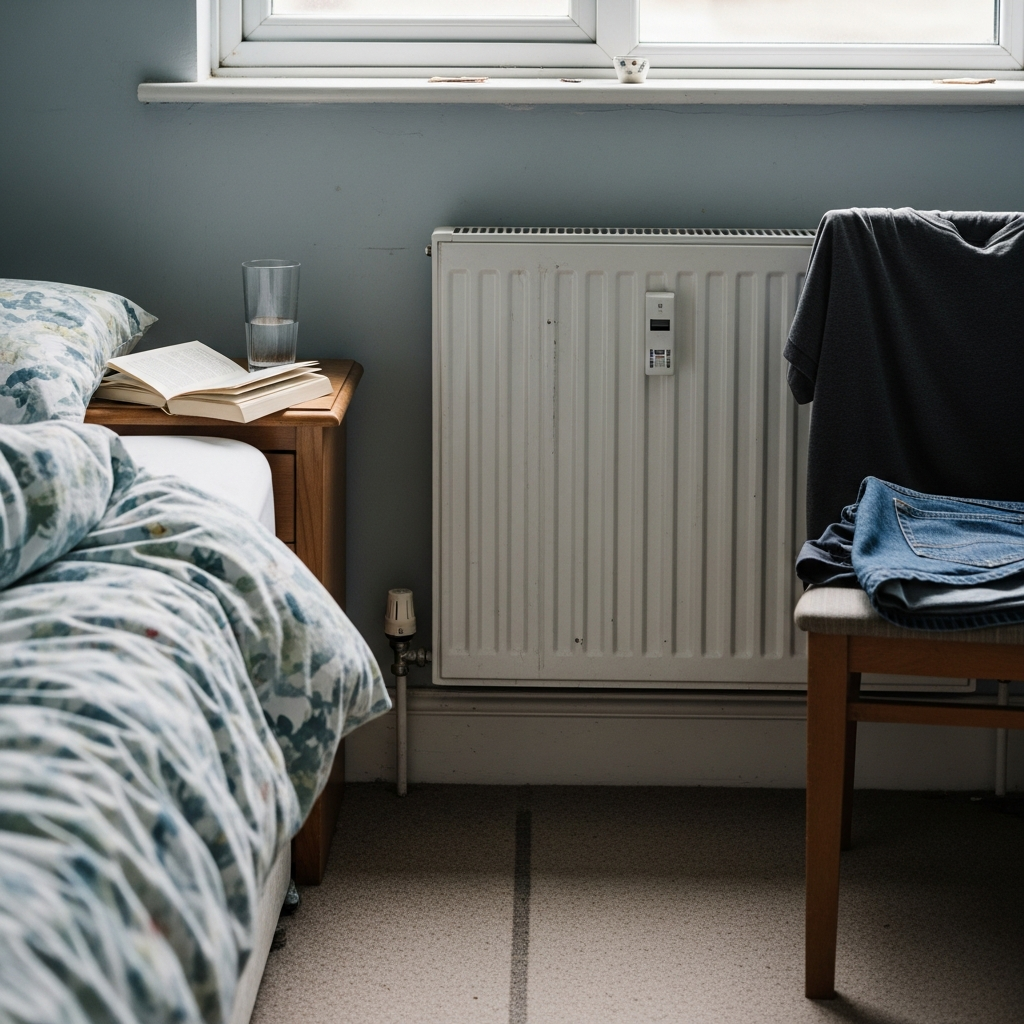
One of the most common concerns about heat pump installation is whether you will need new radiators — and what that will cost. The honest answer is that some homes need no radiator changes at all, while others need several swapped out. Understanding when and why radiators need upgrading, and what it costs per radiator and in total, helps you budget accurately and avoid being oversold unnecessary work.
This guide gives you per-radiator costs, explains how many you might need to replace, and provides total budget figures for different property types.
Why Heat Pumps Sometimes Need Bigger Radiators
A gas boiler typically heats radiator water to 65-75°C. A heat pump works most efficiently at lower flow temperatures — ideally 35-45°C, and certainly no more than 55°C. At these lower temperatures, each radiator emits less heat per hour.
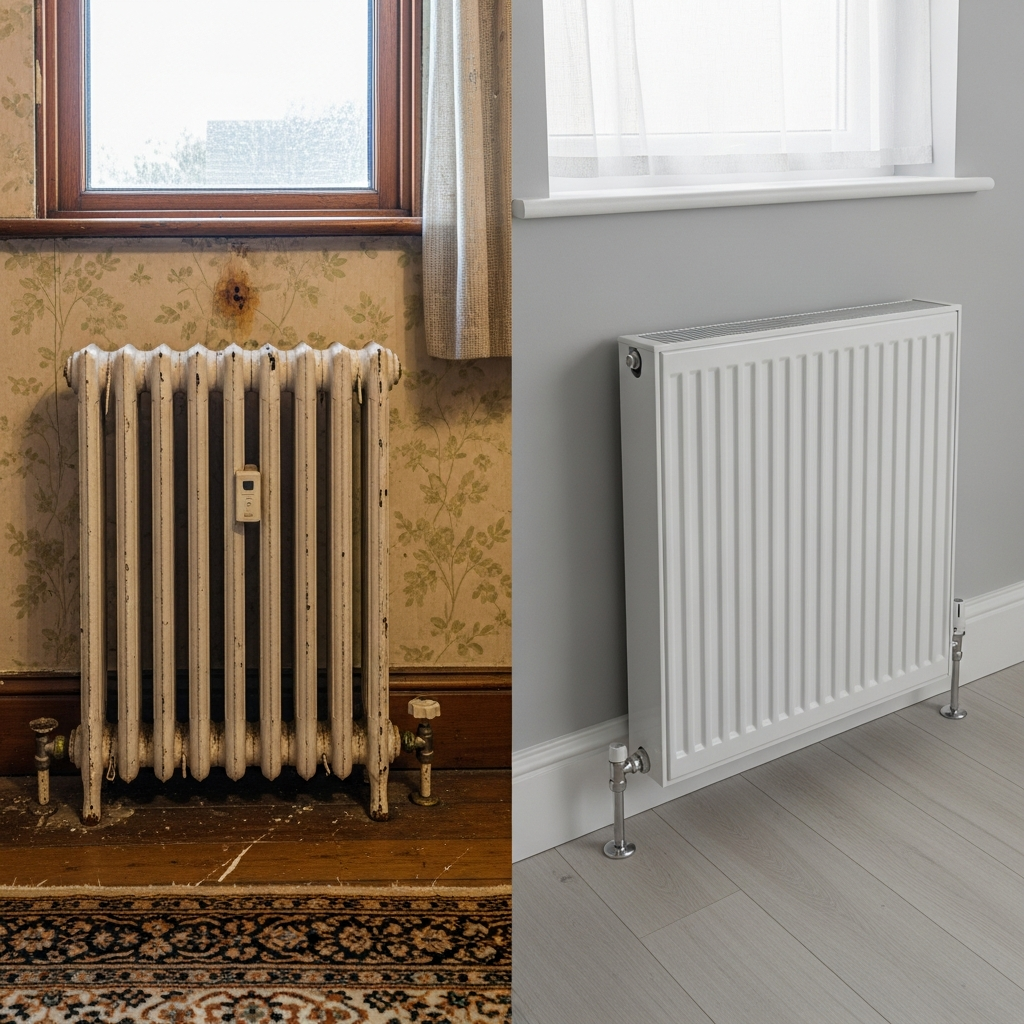
If a radiator was sized to heat a room at 70°C flow temperature, it may not provide enough heat at 45°C. The solution is either a larger radiator with more surface area, or a different type of radiator that emits more heat at lower temperatures.
However — and this is crucial — not every radiator needs upgrading. If a radiator is already generously sized for its room (common in older houses where builders used larger radiators), it may deliver sufficient heat even at the lower temperatures a heat pump uses. This is determined by the heat loss calculation, room by room. For the full picture, see our dedicated guide on radiators for heat pumps.
Per-Radiator Costs
Supply Costs (Radiator Only)
- Single-panel single-convector (Type 11), 600x800mm: £40 to £80
- Double-panel single-convector (Type 21), 600x1000mm: £60 to £120
- Double-panel double-convector (Type 22), 600x1000mm: £80 to £150
- Double-panel double-convector (Type 22), 600x1400mm: £120 to £200
- Double-panel double-convector (Type 22), 600x1800mm: £150 to £260
- Large triple-panel (Type 33), 600x1200mm: £200 to £350
Installation Labour (Per Radiator)
- Like-for-like swap (same pipe positions): £80 to £150
- Different size requiring pipe modifications: £120 to £250
- New radiator in a room that did not previously have one: £200 to £400 (including new pipework)
Total Per-Radiator Installed Cost
- Standard upgrade (Type 22, 600x1200mm, pipe modification): £200 to £400
- Large upgrade (Type 22, 600x1600mm, pipe modification): £280 to £500
- Premium or designer radiator: £400 to £1,000+
For a typical upgrade where you are swapping a single-panel radiator for a double-panel double-convector of the same height but greater width, expect to pay approximately £250 to £400 per radiator including supply and labour.
How Many Radiators Might Need Upgrading?
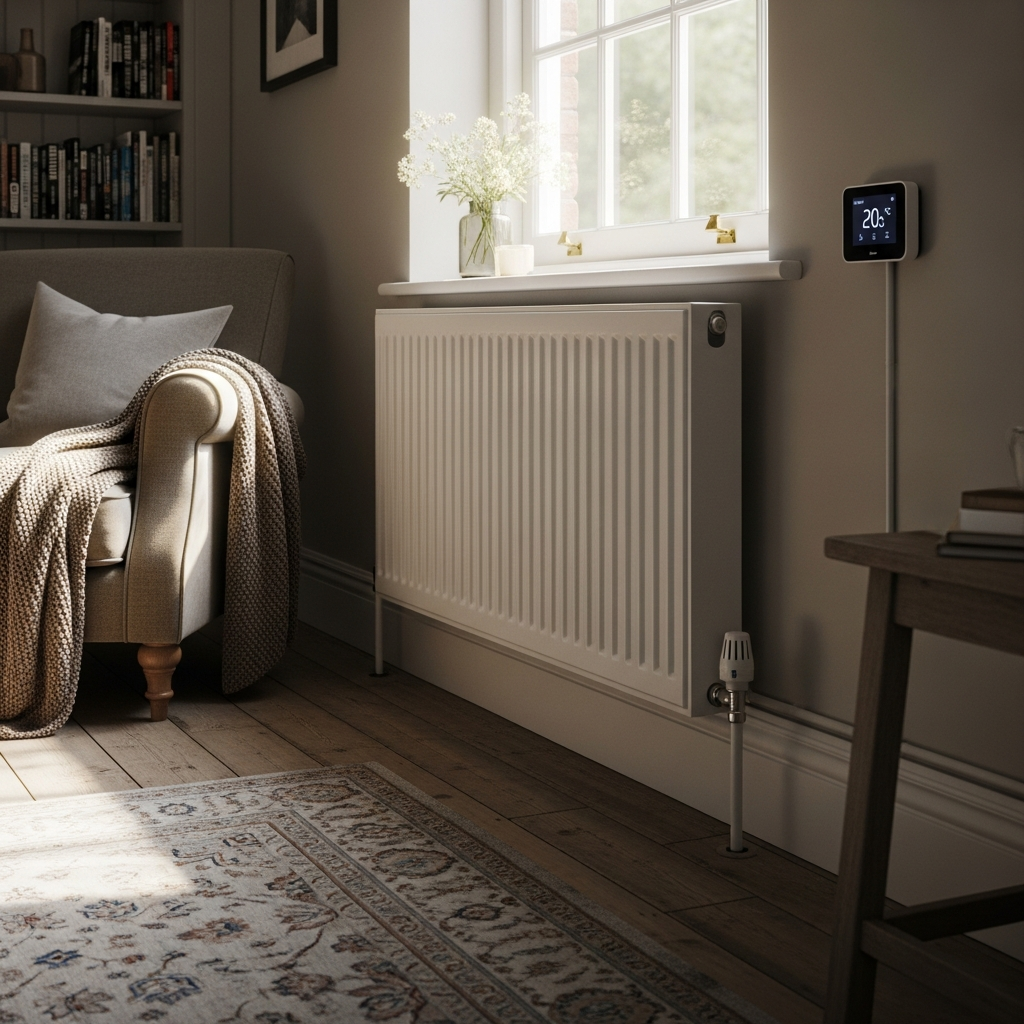
This varies enormously by property. Here are typical scenarios based on real installations.
Well-Insulated Home with Generously Sized Radiators
Radiators upgraded: 0 to 2
If your home has good insulation (cavity wall insulation, 270mm+ loft insulation, double glazing) and your existing radiators are on the larger side, you may need no changes at all. Perhaps one or two smaller radiators in rooms with high heat loss (a large living room with a bay window, for example) need upgrading.
Average Home with Standard Radiators
Radiators upgraded: 3 to 5
A typical three-bedroom semi with standard-sized radiators will usually need three to five radiators swapped for larger ones. The living room, master bedroom, and hallway are the most common rooms requiring upgrades. Smaller bedrooms and kitchens (which generate their own heat from cooking and appliances) often cope with existing radiators.
Poorly Insulated Home with Small Radiators
Radiators upgraded: 5 to 8+
An older property with limited insulation and small single-panel radiators throughout may need most radiators upgraded. In extreme cases, some rooms may need two radiators where there was previously one. This scenario pushes costs to the higher end.
Total Radiator Upgrade Budgets by Property Type
- Flat (2-4 radiators total, 0-1 upgraded): £0 to £400
- Terraced house (5-7 radiators total, 1-3 upgraded): £250 to £1,200
- Semi-detached house (7-10 radiators total, 2-5 upgraded): £500 to £2,000
- Detached house (9-14 radiators total, 3-7 upgraded): £750 to £3,000
- Large detached (12-18 radiators total, 5-10 upgraded): £1,250 to £4,500
For a typical three-bedroom semi-detached house, budget £800 to £1,500 for radiator upgrades. This is included in the overall installation cost — see our heat pump cost guide for total prices.
How to Minimise Radiator Upgrade Costs
1. Improve Insulation First
Better insulation reduces the heat output each radiator needs to deliver. A room that needs 1,500W of heat with poor insulation might only need 1,000W after loft insulation is topped up and draughts are sealed. The existing radiator that could not cope at 1,500W might deliver 1,000W perfectly well at a lower flow temperature.
2. Accept Slightly Higher Flow Temperatures
Running the heat pump at 45°C instead of 35°C means radiators deliver more heat, potentially avoiding some upgrades. The trade-off is slightly lower COP (perhaps 2.8 instead of 3.2), which costs approximately £80 to £130 more per year in electricity. Over 10 years, that is £800 to £1,300 — so if it avoids £1,500+ in radiator upgrades, it can make financial sense.
The ideal approach is weather compensation, where the flow temperature varies with outdoor temperature — lower in mild weather (higher COP) and higher only on the coldest days (when the extra heat is needed).
3. Phase the Upgrades
Install the heat pump first with your existing radiators. Run the system through a heating season and identify which rooms genuinely struggle to reach temperature. Upgrade only those radiators. This avoids paying for unnecessary replacements and spreads the cost.
4. Choose Standard Radiators, Not Designer Models
A standard Type 22 double-panel convector radiator is highly effective and costs a fraction of designer or vertical radiators. Unless aesthetics are a priority, stick with standard white panel radiators — they offer the best value in terms of heat output per pound spent.
5. Consider Fan-Assisted Radiators for Problem Rooms
In rooms where wall space is limited (preventing a larger radiator), a fan-assisted radiator can deliver two to three times the heat output of a standard radiator of the same size. They cost £300 to £600 per unit but can solve a space problem that would otherwise require extensive pipework changes.
Types of Radiators for Heat Pump Systems
Standard Panel Radiators (Type 22)
The workhouse of UK heating. Double-panel double-convector radiators provide excellent heat output at lower temperatures. They are widely available, affordable, and familiar to any plumber. For most heat pump installations, these are the default choice.
Low-Temperature Radiators
Some manufacturers produce radiators specifically designed for heat pump systems. These typically have larger fin areas, thinner water channels (for better heat transfer), or built-in fans. They cost more than standard panels but deliver superior performance at flow temperatures of 35-45°C.
Underfloor Heating
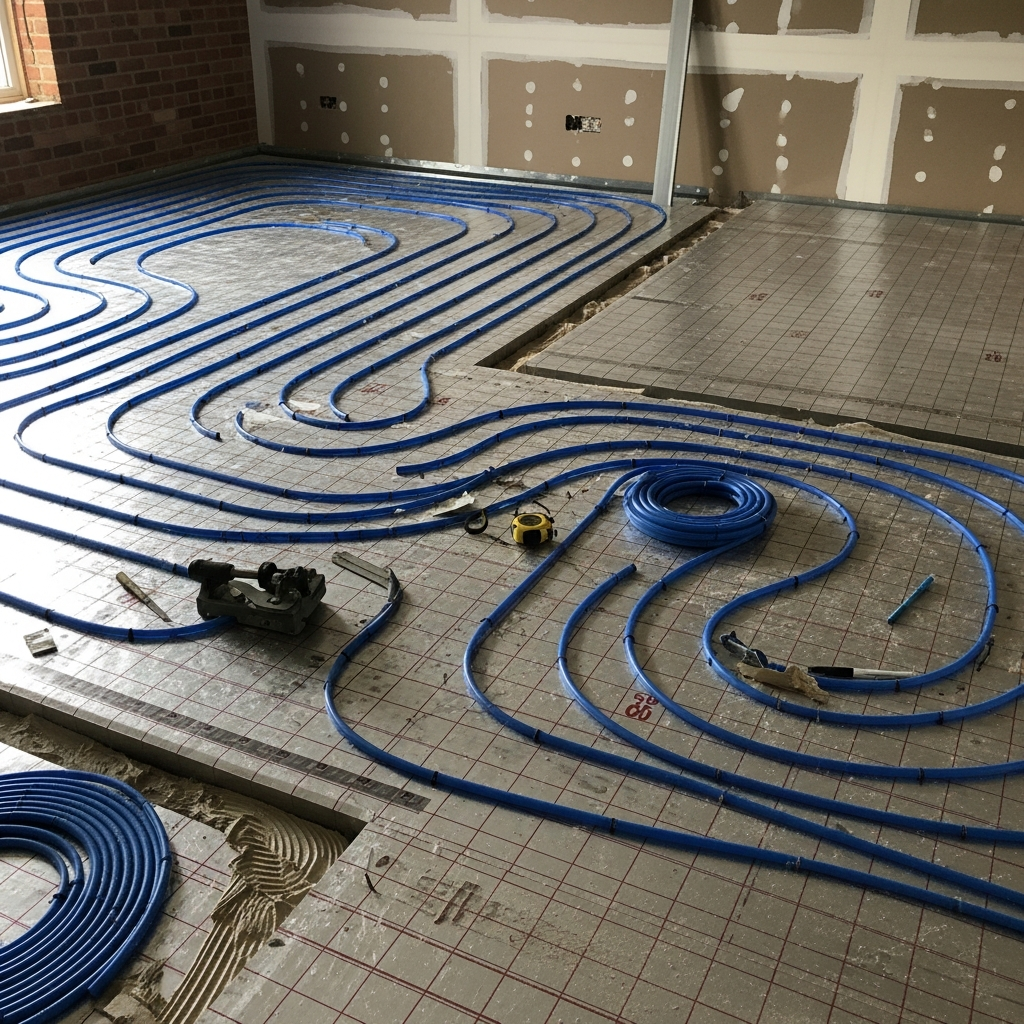
Underfloor heating is the ideal emitter for heat pumps because it operates at very low flow temperatures (25-35°C), maximising the heat pump's COP. However, retrofitting underfloor heating is expensive (£50-£100 per m2) and disruptive. It is most practical in extensions, new kitchens, or bathrooms being renovated anyway.
Fan Convectors
Compact units with built-in fans that force air across heating elements. Very effective at low flow temperatures and much smaller than equivalent panel radiators. Ideal for rooms with limited wall space. However, they produce a slight noise from the fan and cost £300 to £600 per unit.
What Your Installer Should Do
A competent installer will:
- Conduct a room-by-room heat loss calculation to determine the heat output needed from each radiator
- Calculate the output of each existing radiator at the planned flow temperature (not the manufacturer's rating at 75/65/20°C, which is irrelevant for heat pump use)
- Identify which radiators fall short and by how much
- Recommend the smallest, cheapest upgrade that bridges the gap — not blanket replacement of all radiators
- Consider alternatives (higher flow temperature on specific circuits, fan-assisted radiators, additional insulation) before defaulting to full replacement
If an installer recommends replacing all radiators without a room-by-room calculation, get a second opinion. For more on what good installation looks like, see our installation guide.
Frequently Asked Questions
How much does it cost to replace radiators for a heat pump?
Individual radiator replacement costs £200 to £500 per radiator including supply and installation. A typical three-bedroom house might need three to five radiators upgraded, costing £800 to £2,000 total. Some homes need no radiator changes at all.
Do I definitely need new radiators for a heat pump?
Not necessarily. If your existing radiators are generously sized and your home is well-insulated, you may not need any changes. The heat loss calculation determines this. Our guide on radiators for heat pumps explains this in detail.
Can I keep my existing radiators and just run the heat pump hotter?
Yes, within limits. Running at 50-55°C instead of 40°C means existing radiators deliver more heat, but the heat pump's efficiency drops (COP might fall from 3.2 to 2.5). This increases running costs by approximately £150 to £300 per year. For some rooms, this trade-off makes financial sense versus replacing the radiator.
Are bigger radiators the only option?
No. Alternatives include fan-assisted radiators (smaller but more powerful), adding a second radiator in a room, adding underfloor heating (particularly during a renovation), or improving the room's insulation to reduce the heat needed. Your installer should consider all options.
Should I replace all radiators at once or one at a time?
If you know which radiators need upgrading from the heat loss calculation, replacing them all during the heat pump installation is most efficient (the engineer is already on-site). If you prefer to test the system first, you can upgrade radiators one at a time as needed, though this means multiple call-outs and slightly higher labour costs overall.
Do radiator upgrades qualify for the BUS grant?
Radiator upgrades that are part of the heat pump installation are included in the total cost that the BUS grant can cover. You do not need to claim them separately — they form part of the installer's overall quote.