Home Heat Pump Guide

Heat Pump Pipework Cost and What to Expect

Pipework is one of the less glamorous parts of a heat pump installation, but it is one of the most important. Poorly designed or installed pipework reduces efficiency, increases noise, and can lead to comfort problems. It is also a significant cost — typically £1,000 to £3,000 depending on the complexity of the installation.

This guide explains what pipework is needed, what it costs, what materials are used, and why getting it right matters more than you might think.

What Pipework Does a Heat Pump Need?

A heat pump installation involves several types of pipework, each serving a different purpose.

1. Flow and Return Pipes (Outdoor Unit to Indoor System)

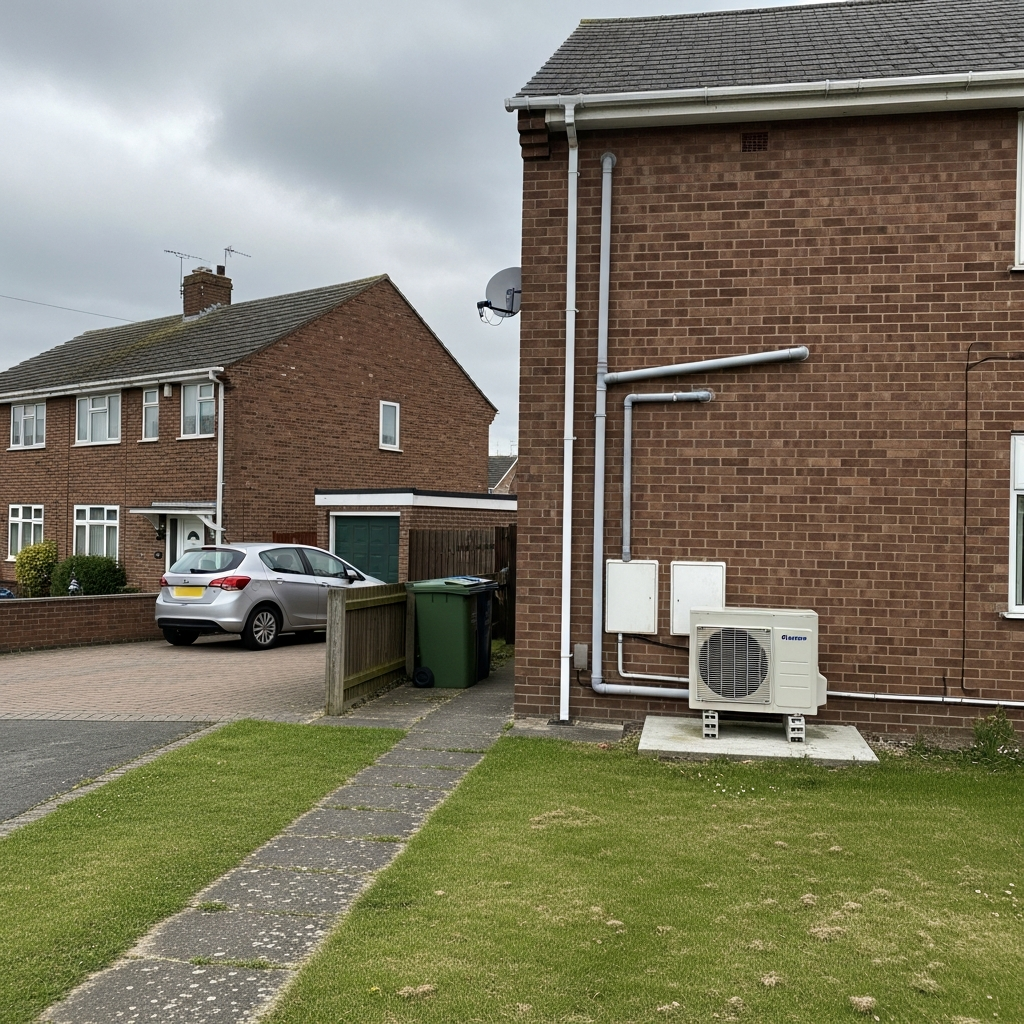
These are the main pipes that carry heated water from the heat pump into the house and return cooled water back. For a monobloc system, these are water pipes (typically 28mm or 35mm copper or plastic). For a split system, the outdoor pipes carry refrigerant (handled by the heat pump manufacturer's connection kit).

These pipes pass through the external wall and connect to the indoor heating system. The run from the outdoor unit to the point of entry should be as short as possible — ideally under 3 metres — to minimise heat loss and cost.

2. Central Heating Distribution Pipework

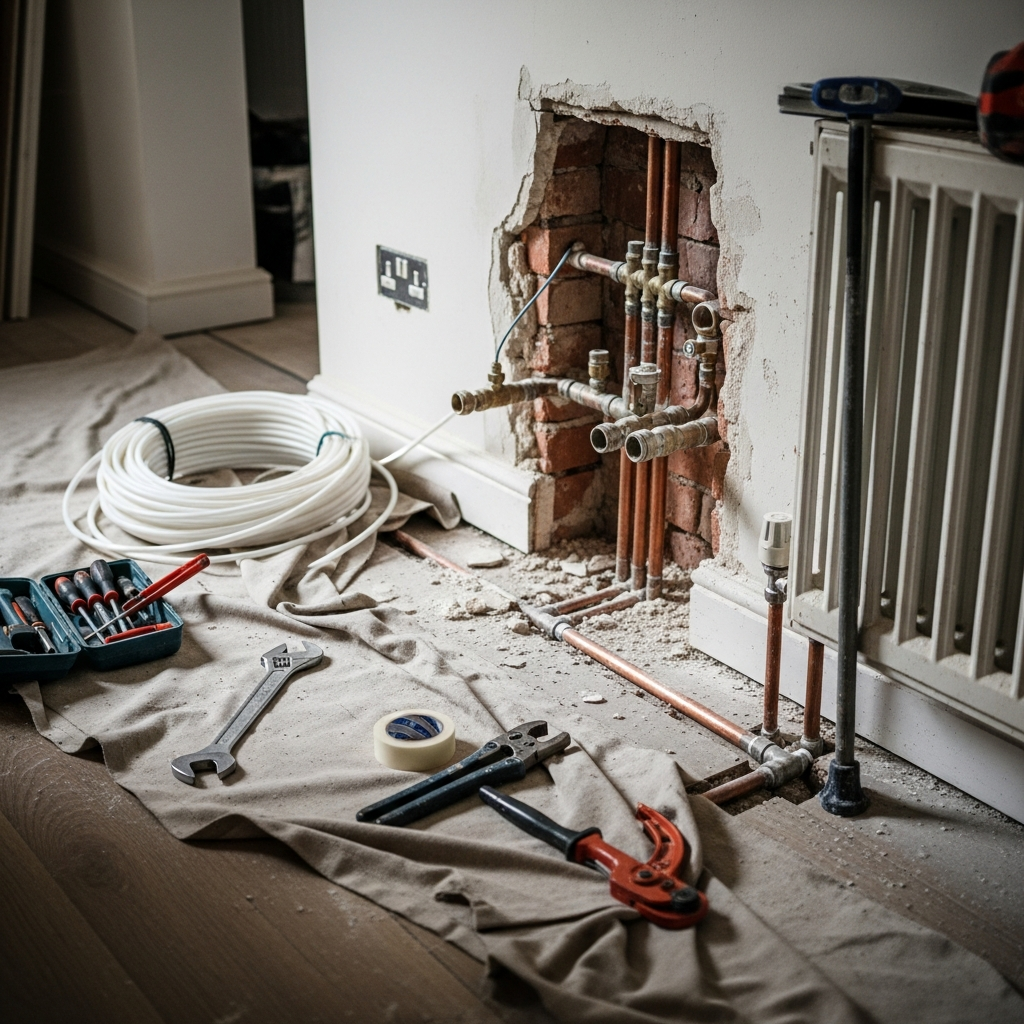
The existing central heating pipework (typically 15mm and 22mm copper) distributes heated water from the central connection point to each radiator. In many installations, the existing pipework can be reused entirely. Modifications are needed only if:

  • The existing pipes are undersized for the required flow rates
  • New or relocated radiators require new pipe runs
  • The system layout needs a different primary circuit design

3. Hot Water Cylinder Connections

Pipes connecting the heat pump to the hot water cylinder. If the cylinder is in a different location from the old boiler, new pipework is needed between the heat pump's indoor connection and the cylinder.

4. Condensate and Overflow Pipes

The outdoor unit produces condensate (water from defrost cycles and humidity). This needs drainage — either into a nearby drain, a soakaway, or a purpose-built drainage run. A drip tray beneath the outdoor unit is standard.

5. Buffer Tank and System Connections (If Applicable)

Some installations include a buffer tank to prevent the heat pump from short-cycling. This adds additional pipework between the heat pump, buffer tank, and the heating distribution system.

Pipework Costs Breakdown

Materials

  • Copper pipe (28mm, per metre): £8 to £15
  • Copper pipe (22mm, per metre): £5 to £10
  • Copper pipe (15mm, per metre): £3 to £6
  • Pipe insulation (per metre): £2 to £5
  • Fittings (elbows, tees, valves): £2 to £15 each
  • Pipe clips, supports, and sundries: £50 to £150 per installation

Copper prices fluctuate with global commodity markets. As of early 2026, copper is at moderate levels, keeping pipe costs reasonable.

Labour

Pipework installation is labour-intensive. A qualified plumber or heating engineer typically charges £200 to £350 per day. The pipework element of a heat pump installation usually takes one to three days depending on complexity.

  • Simple installation (short pipe run, reusing existing distribution): 0.5 to 1 day = £100 to £350
  • Standard installation (moderate pipe runs, some distribution changes): 1 to 2 days = £200 to £700
  • Complex installation (long pipe runs, extensive distribution changes, new cylinder location): 2 to 3 days = £400 to £1,050

Total Pipework Costs

  • Simple (short run, minimal changes): £500 to £1,000
  • Standard (moderate runs, some modifications): £1,000 to £2,000
  • Complex (long runs, extensive modifications): £2,000 to £3,500

For a typical three-bedroom semi-detached house with the outdoor unit positioned on the rear wall near the existing boiler location, pipework costs are usually £1,000 to £1,500. This is included in the overall installation quote — see our cost guide for total prices.

Why Pipe Insulation Matters

Pipe insulation is not optional — it is essential. Here is why:

Heat Loss Prevention

Heat pump flow temperatures are lower than gas boiler flow temperatures (45°C versus 70°C). This means the temperature difference between the pipe and the surrounding air is smaller, which actually reduces heat loss per metre. However, because every watt of heat lost from the pipe reduces the system's effective COP, insulation still makes a meaningful difference to running costs.

An uninsulated 28mm copper pipe carrying 45°C water through a 5°C outdoor environment loses approximately 25-30W per metre. Over a 5-metre run, that is 125-150W of continuous heat loss — roughly equivalent to leaving a light bulb on permanently. Over a heating season, this adds approximately £30-50 to your electricity bill per uninsulated outdoor pipe run.

Frost Protection

The pipe run between the outdoor unit and the house wall is exposed to freezing temperatures. Without insulation, standing water in these pipes can freeze, potentially causing burst pipes and system damage. Proper insulation with a UV-resistant outer jacket prevents this.

Condensation Prevention

In summer, when the pipes carry cooler water, uninsulated pipes running through warm indoor spaces can develop condensation on their surfaces. This drips onto surfaces below, potentially causing water damage over time. Insulation prevents this.

Insulation Specifications

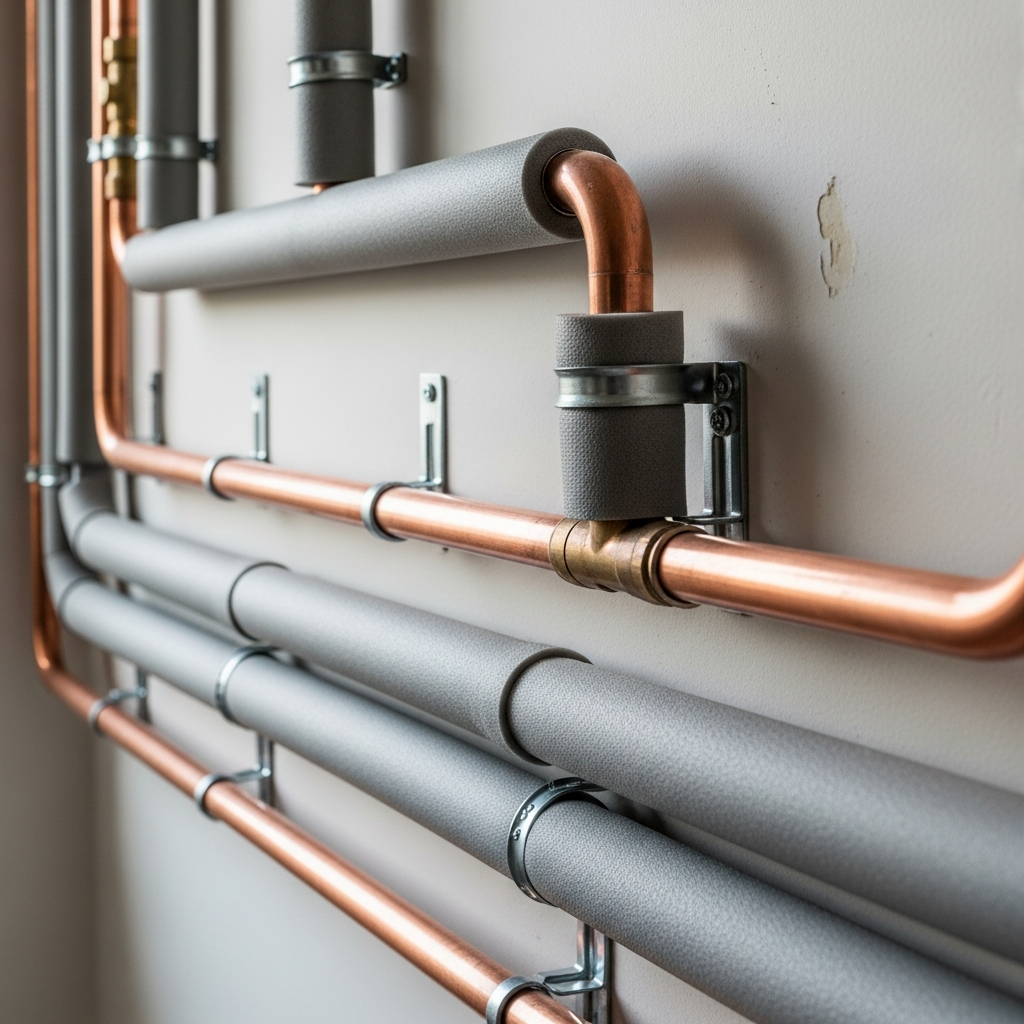
  • Indoor pipes: 19mm thick closed-cell foam insulation minimum
  • Outdoor pipes: 25mm thick insulation with UV-resistant outer casing
  • Underground pipes: 25mm thick with waterproof protection

The cost of insulation (£2 to £5 per metre) is trivial compared to the ongoing energy savings and protection against damage. Any installer who skips or skimps on insulation is cutting corners.

Copper vs Plastic Pipework

Copper

The traditional choice for heating pipework in the UK. Copper is durable, reliable, and has excellent thermal conductivity. It is easy to work with for experienced plumbers and can be soldered for permanent, leak-free joints.

  • Pros: Proven track record, excellent durability, good heat transfer, easy to repair
  • Cons: Higher material cost, requires skilled soldering, susceptible to corrosion in some water conditions

Plastic (PEX or Multilayer)

Increasingly used in modern heating installations. Plastic pipe is cheaper, lighter, and faster to install using push-fit or compression fittings.

  • Pros: Cheaper material cost, faster installation, corrosion-resistant, flexible (fewer joints)
  • Cons: Less durable than copper in exposed locations, some fittings have higher failure rates, not suitable for all installation scenarios

For the primary flow and return pipes from the outdoor unit, copper is generally preferred due to its durability and heat transfer properties. For distribution pipework within the house, plastic is increasingly common and perfectly acceptable. Your installer will recommend the appropriate material for each section.

What Affects Pipework Complexity and Cost

Distance from Outdoor Unit to Indoor Connection

The single biggest variable. A unit mounted on the back wall directly behind the indoor connection point requires perhaps 2 metres of pipe. A unit positioned 10 metres away in the garden requires 10 metres of insulated pipe, trenching or surface-mounted runs, additional supports, and more labour. Keep the outdoor unit as close to the indoor connection as possible.

Number of Floors

A bungalow has all pipework on one level — simple. A three-storey house requires vertical pipe runs between floors, which means drilling through floor plates, boxing in pipes, and more complex routing.

Existing Pipework Condition

Old microbore (8mm) pipework from the 1970s-1980s is generally not suitable for heat pump systems. It restricts flow rates too much, reducing efficiency and heat delivery. Replacing microbore with 15mm or 22mm pipe is a significant additional cost but is necessary for the system to work properly.

System Design Changes

Switching from a combi boiler (which has no cylinder) to a heat pump (which requires a cylinder) means new pipework to and from the cylinder. If the cylinder is in a different location from the old boiler, the distribution pipework may need reconfiguring.

Accessibility

Pipes running through accessible areas (under floors with removable boards, through lofts, along walls that can be boxed in) cost less to install than pipes that need to pass through solid concrete floors, behind fitted kitchens, or through finished ceilings.

How to Keep Pipework Costs Down

  • Position the outdoor unit close to the indoor connection: Every metre of pipe run adds cost. Directly through the back wall is ideal
  • Keep the cylinder near the heat pump connection: If your existing airing cupboard is close to the boiler location, the existing pipe routing can often be reused
  • Reuse existing distribution pipework where possible: If your existing 15mm and 22mm pipes are in good condition and correctly sized, they work perfectly with a heat pump
  • Avoid routing through difficult areas: Discuss pipe routing with your installer before finalising the outdoor unit position. A slightly less ideal unit position may save hundreds on pipework

For help comparing installation quotes that include pipework, see our guide on getting heat pump quotes.

What Good Pipework Installation Looks Like

When your installation is complete, the pipework should:

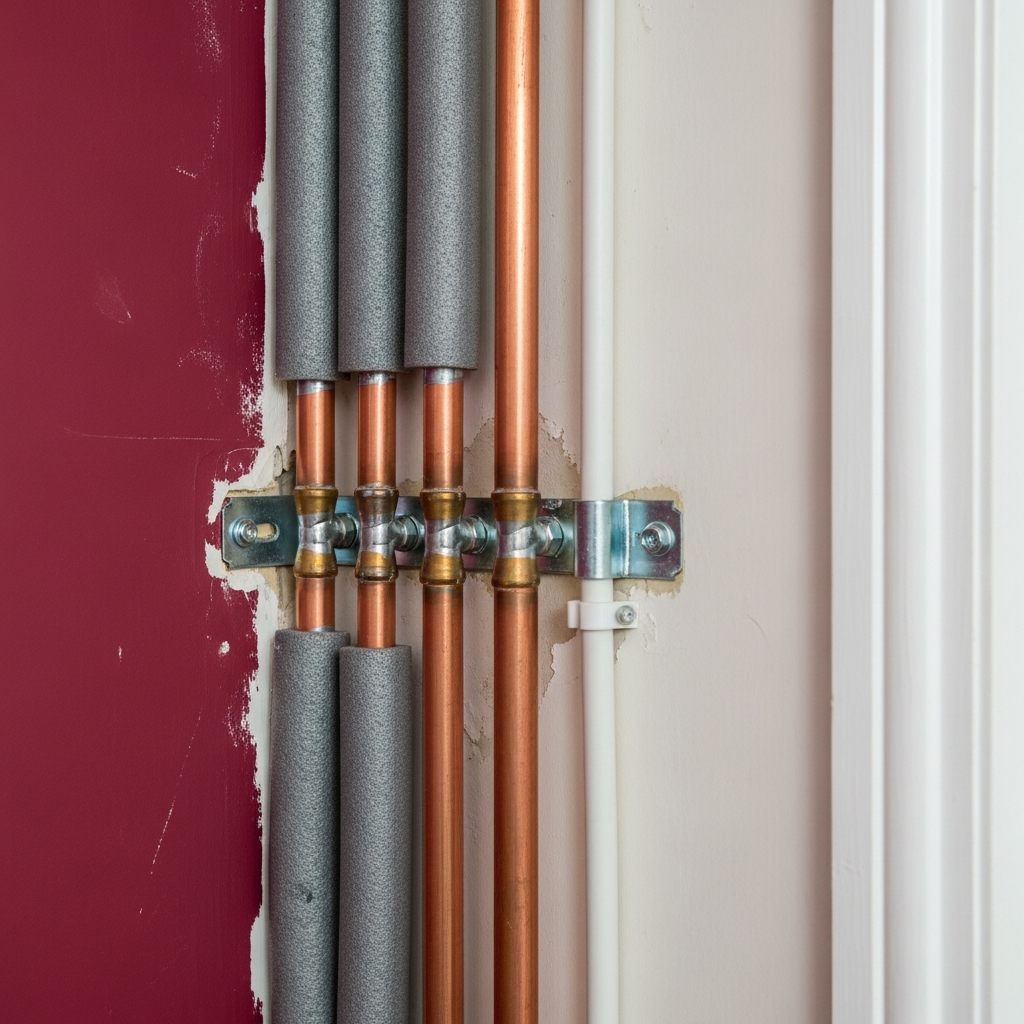
  • Be fully insulated on all sections, with no gaps or exposed pipe
  • Be neatly clipped and supported at regular intervals
  • Have outdoor sections protected from UV damage (UV-resistant insulation or cladding)
  • Have proper isolation valves so sections can be drained for maintenance
  • Have the flow and return pipes correctly identified (typically red and blue insulation)
  • Have the outdoor unit drip tray or condensate drain properly routed
  • Be pressure-tested before the system is filled and commissioned

If you notice uninsulated sections, pipes resting on sharp edges without protection, or makeshift supports, raise these with your installer before signing off the job. For more on what a quality installation looks like, see our installation guide.

Frequently Asked Questions

How much does heat pump pipework cost?

Typically £1,000 to £3,000 depending on the distance from the outdoor unit, the number of modifications needed to existing pipework, and the complexity of the installation. A straightforward installation in a semi-detached house is usually £1,000 to £1,500.

Can I reuse my existing central heating pipes?

In most cases, yes. Standard 15mm and 22mm copper or plastic central heating distribution pipes work perfectly well with a heat pump. The main exception is 8mm microbore pipe, which restricts flow rates too much. Your installer will assess this during the survey.

Does the pipework need insulating?

Yes, all of it. Indoor pipes should have at least 19mm insulation. Outdoor pipes need 25mm insulation with UV-resistant protection. This prevents heat loss, frost damage, and condensation. The cost is minimal (£2-5 per metre) and the benefits are significant.

How long does pipework last?

Copper pipework lasts 50 years or more with no maintenance. Plastic pipework typically lasts 25-50 years. Both will far outlast the heat pump itself, so this is a one-time investment.

What pipe size is used for a heat pump?

The primary flow and return pipes from the outdoor unit are typically 28mm or 35mm. Distribution pipework to radiators is usually 15mm or 22mm, the same as in a standard central heating system. The correct size depends on the heat pump's output and the flow rates required.

Can I do the pipework myself to save money?

While a competent DIYer could install some distribution pipework, the primary connections and system design should be handled by the MCS-certified installer. Incorrect pipework sizing, inadequate flow rates, or poor insulation will compromise the system's performance and may void the warranty. The labour saving is typically £300-£700 — not enough to justify the risks.