Heat Pump vs Biomass Boiler: Which Renewable Heating System Is Best?
Both heat pumps and biomass boilers qualify for government grants and slash carbon emissions. But they demand very different lifestyles — a heat pump is fit-and-forget, while a biomass boiler needs weekly attention, tonnes of fuel deliveries, and dedicated storage space. The £7,500 heat pump grant is also £2,500 more than the biomass grant.
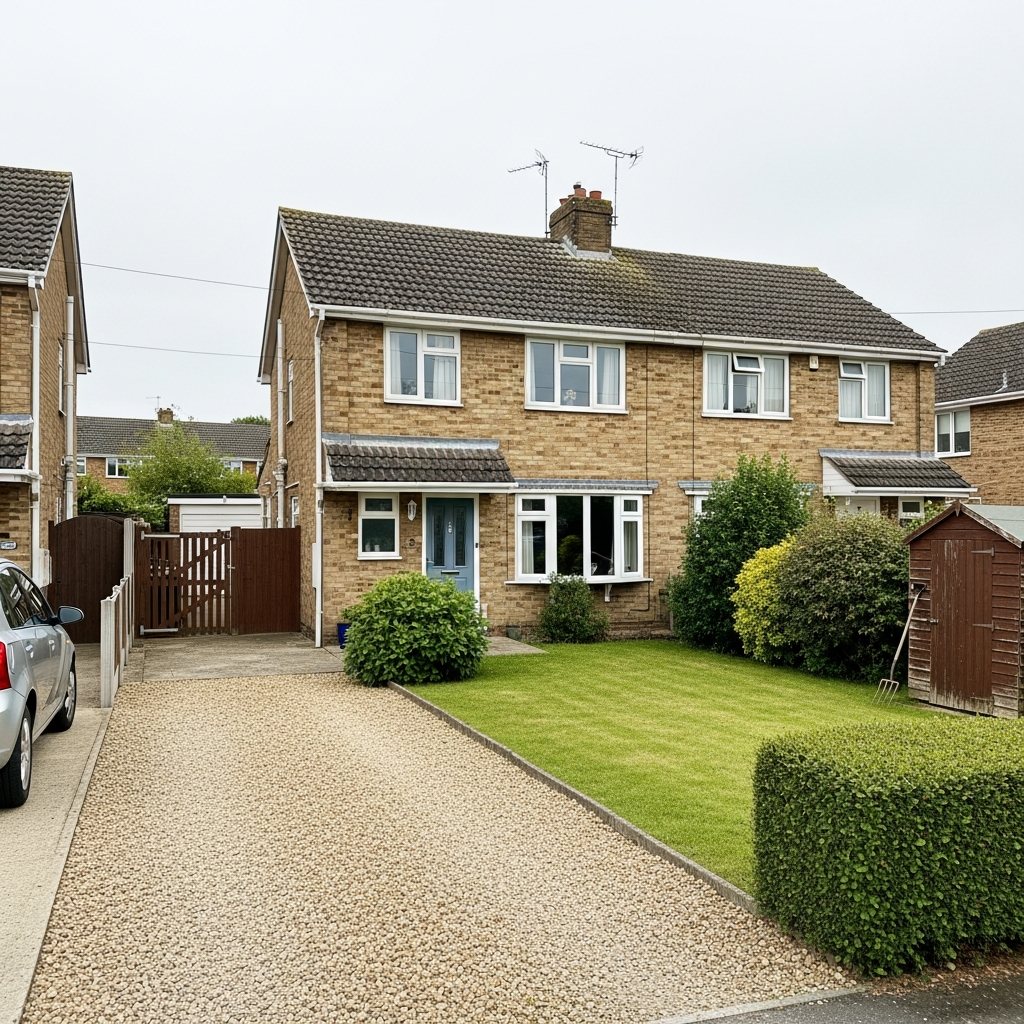
Both heat pumps and biomass boilers qualify as renewable heating systems under UK government schemes. Both are eligible for the Boiler Upgrade Scheme grant. And both can dramatically reduce your carbon footprint compared to a gas or oil boiler. But they are fundamentally different technologies with different requirements, costs, and lifestyles attached to them.
This guide gives you a straight comparison to help you decide. For context on how both compare to fossil fuel systems, see our heat pump vs gas boiler pillar guide.
See your heat pump costs and savings in 30 seconds
Use the free calculatorNo email required. Instant results based on your property details.
How Each System Works
Heat Pumps
An air source heat pump absorbs warmth from the outside air and uses a refrigeration cycle to amplify it, heating water that circulates through your radiators or underfloor heating. A ground source heat pump draws heat from the ground via buried pipes. Both deliver 2.5 to 4 times more heat than the electricity they consume.
Biomass Boilers
A biomass boiler burns organic material — most commonly wood pellets — to heat water. It works much like a conventional boiler, with a flue, combustion chamber, and heat exchanger. Biomass boilers are 85-92% efficient, comparable to a modern gas boiler but less efficient than a heat pump.
| Feature | Heat Pump | Biomass Boiler |
|---|---|---|
| Energy source | Electricity (moves heat) | Wood pellets (burns fuel) |
| Efficiency | 250-350% | 85-92% |
| BUS grant | £7,500 | £5,000 |
| Local emissions | None | Particulates (PM2.5) |
| Fuel management | None | Regular deliveries needed |
| Maintenance level | Low (annual service) | High (weekly ash, annual service) |
| Lifespan | 20-25 years | 15-20 years |
Installation Costs
Air Source Heat Pump
Before grant: £10,000 - £16,000
After grant: £2,500 - £8,500
Ground Source Heat Pump
Before grant: £18,000 - £35,000
After grant: £10,500 - £27,500
Biomass Boiler
Before grant: £10,000 - £20,000
After grant: £5,000 - £15,000
Biomass boilers also need a dedicated fuel store — a dry, accessible space for pellet delivery, often requiring a hopper or silo costing £500 to £2,000 extra. See our heat pump cost guide for detailed pricing.
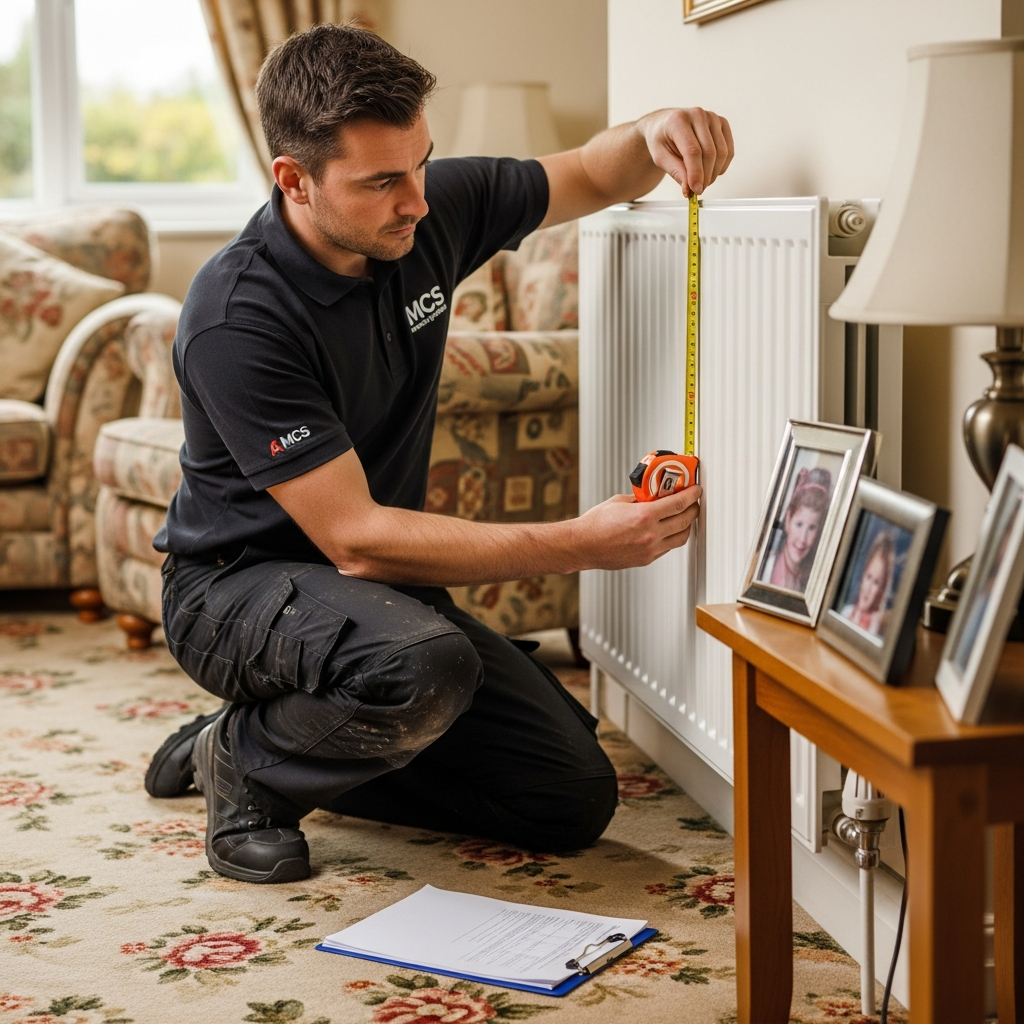
Running Costs
For a home needing 12,000 kWh of heat annually:
Heat pump at COP 3.0. Biomass at 90% efficiency. 2026 UK energy prices.
Biomass is marginally cheaper at standard electricity rates, but with a heat pump tariff the heat pump wins. Pellet prices fluctuate with demand — they spiked significantly during 2022-2023 — while electricity is regulated by the Ofgem cap. Using solar panels to power a heat pump reduces costs further.
Get tailored quotes for your renewable heating system
Compare heat pump quotesMCS-certified installers. £7,500 BUS grant applied. No obligation.
Maintenance and Effort
This is one of the biggest practical differences between the two systems.
Heat pump: Annual service costing £100 to £200. Between services, you do almost nothing. There is no fuel to order, no ash to empty, and no combustion residue to manage.
Biomass boiler: Weekly to monthly ash removal. Annual flue cleaning and service (£200-£400). Regular pellet deliveries — typically 3 to 6 tonnes per year. You need accessible storage and a reliable supplier. Augers, igniters, and combustion fans are mechanical parts that wear out over time.
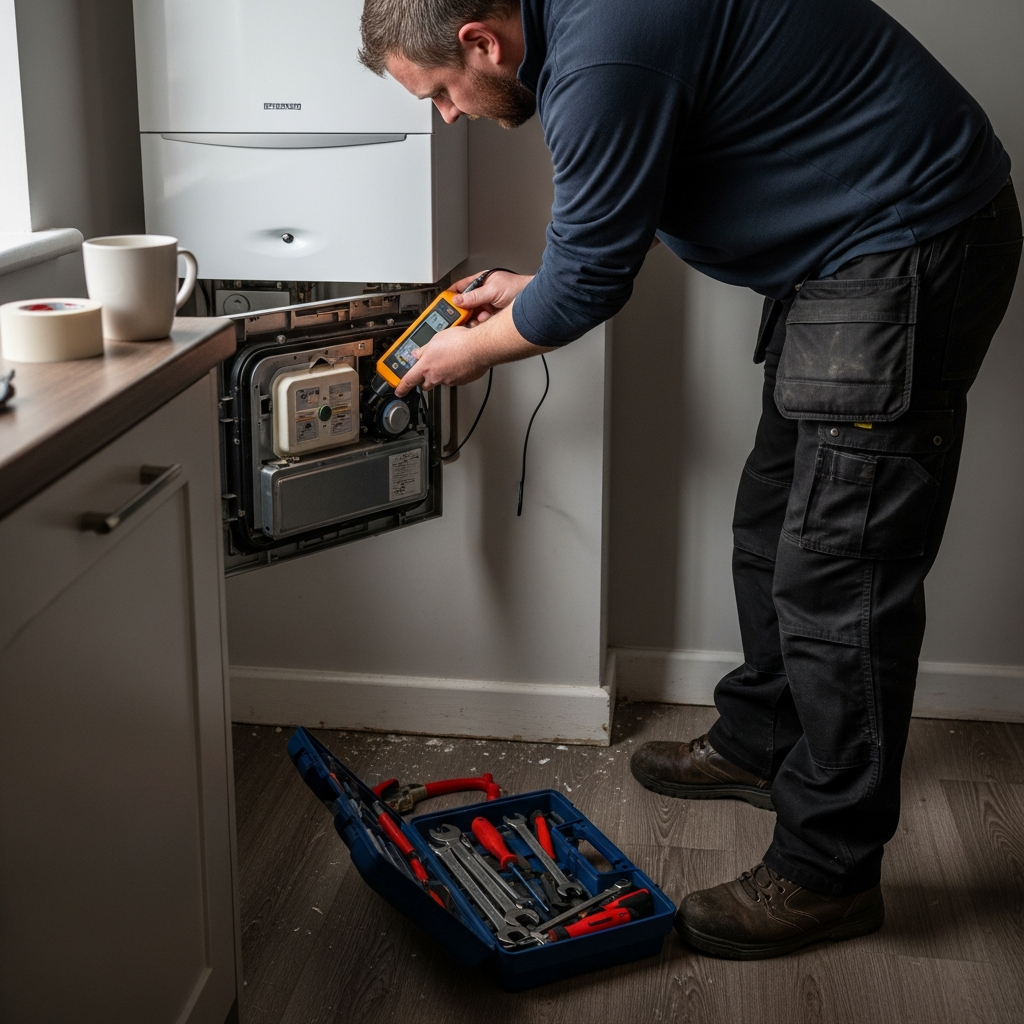
Space Requirements
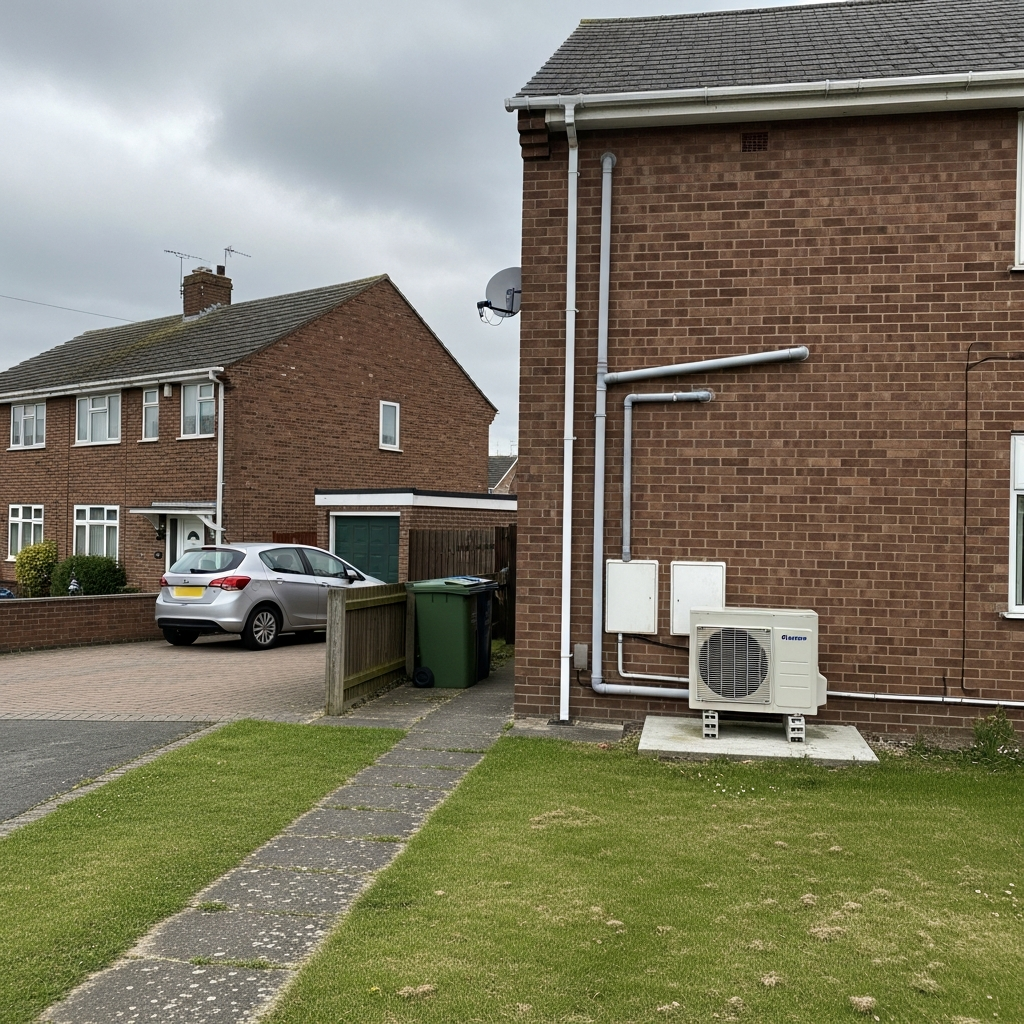
Heat pump: An outdoor unit (roughly the size of a large suitcase) plus an indoor hot water cylinder. That is essentially all.
Biomass boiler: A dedicated boiler room, a pellet hopper or silo (1-3 tonnes capacity), a proper flue system, and often a buffer tank. Best suited to larger rural properties with outbuildings.
Environmental Impact
Both are significantly better than fossil fuels. Heat pumps produce no local emissions and become cleaner as the UK grid decarbonises with more wind and solar generation. Biomass is classed as carbon-neutral but produces local air pollution — fine particulates (PM2.5) — which is a genuine concern in urban areas.
If air quality matters to you, or you live in an urban or suburban area, a heat pump is the cleaner choice. See our environmental impact guide for deeper analysis.
Which Is Right for Your Home?
Choose a heat pump if: You want minimal maintenance, live in a suburban or urban area, have limited storage space, value air quality, or want the higher £7,500 grant.
Choose a biomass boiler if: You live rurally with good access for pellet deliveries, have space for a boiler room and fuel store, do not mind regular maintenance, and your property has very high heat demand.
Not sure if your home suits a heat pump? Try our suitability checker for a quick assessment.
Find out which renewable system suits your home
Free suitability checkerTakes 60 seconds. Or get installer quotes directly.
Frequently Asked Questions
Is a biomass boiler cheaper to run than a heat pump?
At current pellet prices, biomass running costs are slightly lower than heat pump electricity costs. However, pellet prices can be volatile, and the difference is small — typically £100 to £200 per year. When you factor in higher maintenance costs for biomass, the total annual cost is similar.
Can I get a grant for a biomass boiler?
Yes. The Boiler Upgrade Scheme offers £5,000 towards biomass boilers, compared to £7,500 for heat pumps. The biomass boiler must be in a rural property off the gas grid and must meet strict air quality standards.
Do biomass boilers work in smoke control zones?
Only if the boiler is DEFRA-approved for use in smoke control areas. Many modern pellet boilers have this approval, but you must check before purchasing. Log-burning biomass boilers are generally not suitable.
Which system lasts longer?
Heat pumps typically last 20 to 25 years with minimal wear. Biomass boilers last 15 to 20 years but have more components subject to wear — igniters, fans, augers, and heat exchangers may need replacement.
Can I switch from a biomass boiler to a heat pump later?
Yes. If you already have radiators and a hot water cylinder from your biomass system, switching to a heat pump is relatively straightforward. Existing pipework can usually be reused.
Which system is better for the environment?
Both are significantly better than fossil fuel heating. Heat pumps produce no local emissions and become cleaner as the grid decarbonises. Biomass is classed as carbon-neutral but produces particulate emissions. For most people, heat pumps are the greener choice overall.
About this guide: This article is part of our comparison and decision hub, helping UK homeowners choose between renewable heating technologies. The Boiler Upgrade Scheme supports both heat pumps (£7,500) and biomass (£5,000). Pairing a heat pump with solar panels creates a fully renewable heating and electricity system.