How Much Does a Heat Pump Cost to Buy and Install?
A typical 3-bed UK home pays £10,000–£15,000 for a fully installed air source heat pump — dropping to just £2,500–£7,500 after the £7,500 BUS grant. Here is exactly where every pound goes.
Generic cost ranges are almost useless for budgeting. This guide itemises every individual cost so you can see where the money goes and understand why your specific quote might sit at the lower or upper end.
Get a personalised cost estimate before requesting quotes
Our calculator estimates your installation cost, running cost, and grant eligibility in under 60 seconds.
Calculate my costs →In this guide:
Part 1: The Cost of Buying a Heat Pump
The heat pump unit is the single most expensive component, but it is typically only 30–45% of the total project cost. For the bigger picture on all UK costs, see our comprehensive heat pump cost guide.
Air Source Heat Pump Unit
| Output | Suitable For | Price |
|---|---|---|
| 5–6 kW | Well-insulated 2-bed | £3,000–£4,500 |
| 7–9 kW | Average 3-bed | £4,000–£6,500 |
| 10–12 kW | Larger 3–4 bed | £5,500–£8,000 |
| 14–16 kW | Large/poorly insulated 4–5 bed | £7,000–£10,000 |
Monobloc units (all refrigerant components in the outdoor unit) tend to be slightly cheaper than split systems. Most UK residential installations now use monobloc.
Ground Source Heat Pump Unit
- 5–8 kW: £5,000–£7,000
- 8–12 kW: £6,000–£9,000
- 12–16 kW: £8,000–£12,000
For full ground source costs, see our ground source heat pump guide.
Part 2: The Cost of Installation
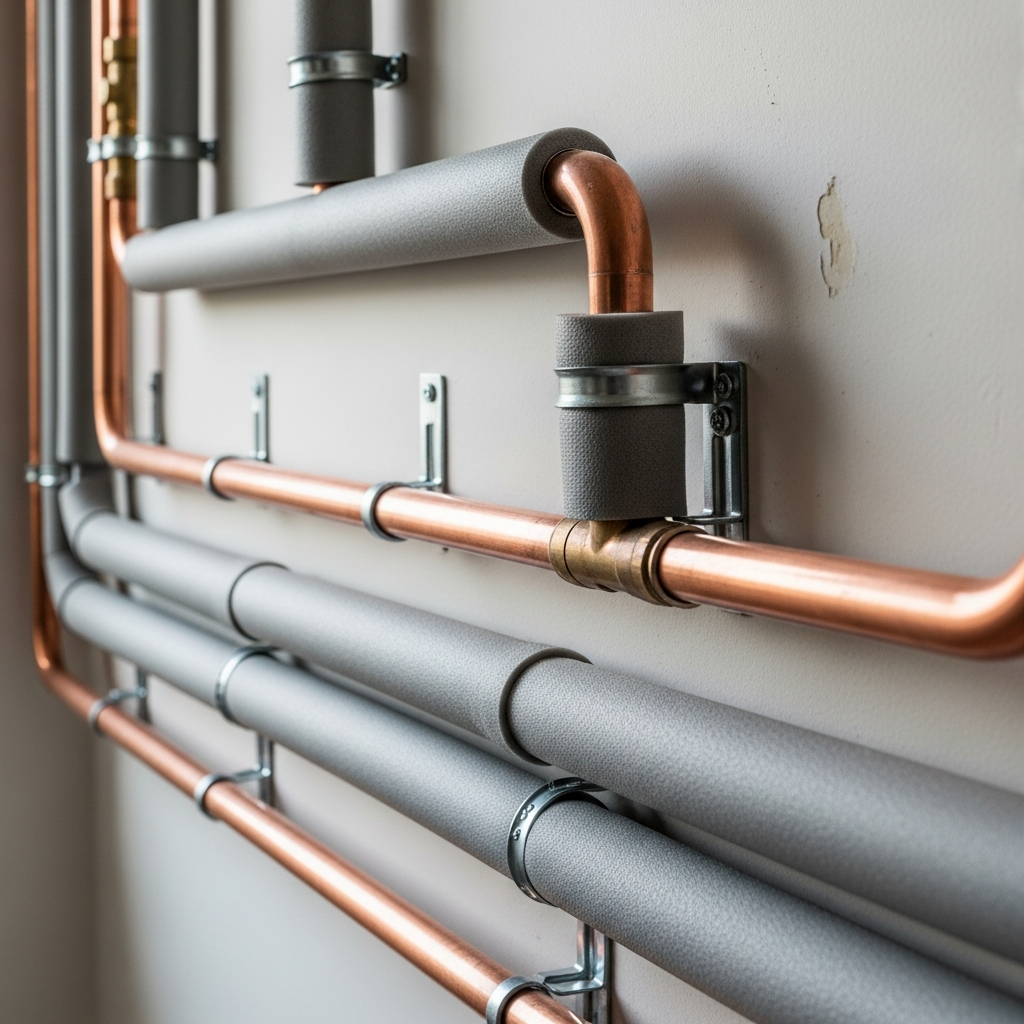
Each item below is an individual line on a proper installation quote. If your quote bundles everything into a single figure, ask for the breakdown.
| Component | Typical Cost | Notes |
|---|---|---|
| Hot water cylinder (200–300L) | £800–£2,500 | Not needed if existing cylinder is compatible |
| Buffer tank | £200–£900 | Not always required |
| Radiator upgrades | £0–£6,000 | Most variable cost — see radiator guide |
| Primary/external pipework | £500–£2,000 | Depends on distance and routing |
| Electrical work | £200–£1,500 | May include supply upgrade |
| Controls & thermostats | £50–£800 | Smart thermostats cost more |
| Concrete base | £150–£500 | Includes anti-vibration mounts |
| Sundries | £200–£600 | Expansion vessel, filter, insulation, fittings |
| Labour (2–4 days) | £1,500–£3,500 | Higher in London/SE |
| MCS registration & commissioning | £200–£600 | Required for BUS grant |
Ground Loops (Ground Source Only)
- Horizontal straight loops: £3,000–£6,000
- Horizontal slinky coils: £4,000–£7,000
- Vertical boreholes: £8,000–£15,000
Real-World Example: 3-Bed Semi-Detached House
Replacing a gas combi boiler in a typical 3-bed semi:
Itemised Quote Example
9 kW ASHP unit
£5,500
210L cylinder + buffer
£1,750
3 radiator upgrades
£1,050
Pipework + electrical
£1,650
Base + sundries + controls
£950
Labour + MCS
£2,900
Total before grant: £13,800. After BUS grant (£7,500): £6,300
Simpler installations can come in under £10,000 before the grant; complex ones can exceed £16,000. For more on what affects the final figure, read our 2026 cost update.
Get 3 itemised quotes from MCS-certified installers
Request free quotes →No obligation. Grant applied automatically. We are not installers.
What Makes an Installation Expensive?
Factors That Increase Cost
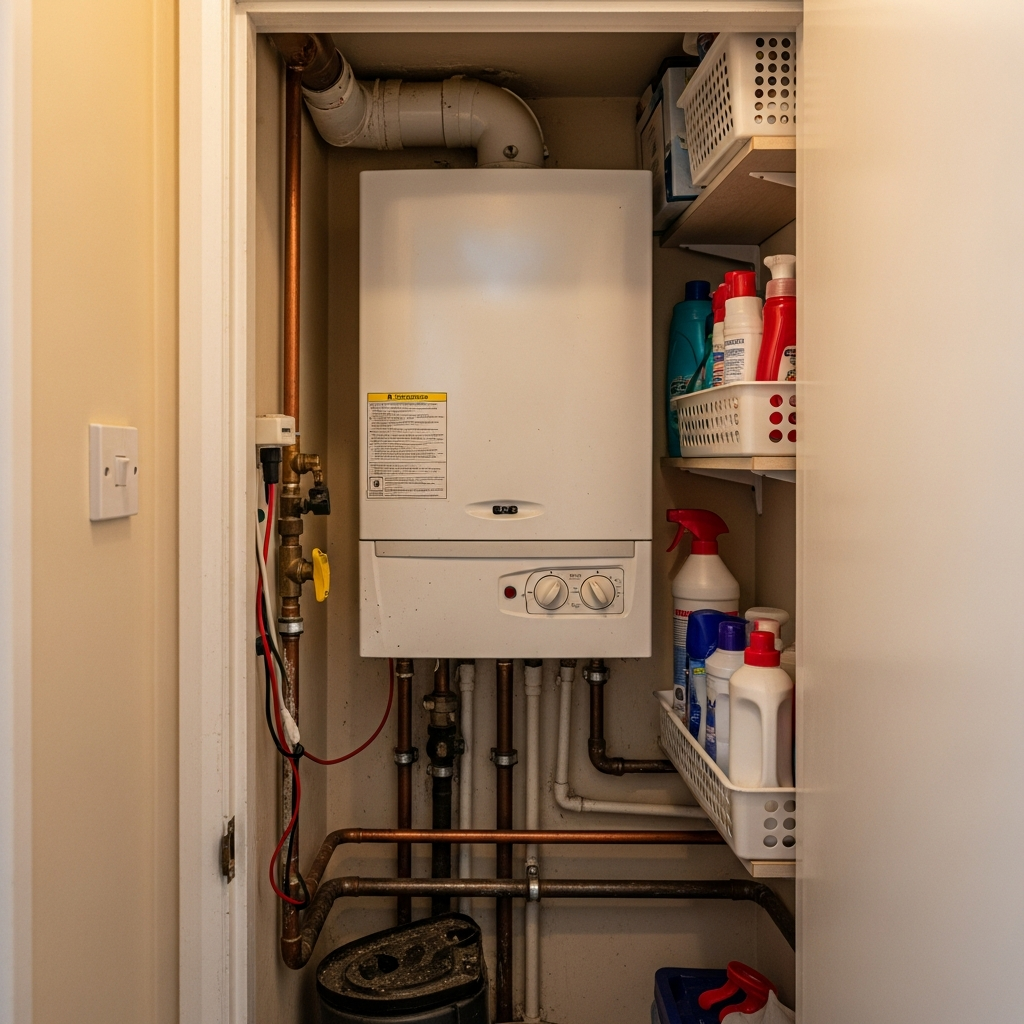
- No existing hot water cylinder: adds £1,500–£3,000
- Extensive radiator replacement: full house can add £3,000–£6,000
- Difficult access: narrow passages, rear access only
- Electrical supply upgrade: £500–£3,000
- Large or poorly insulated property: bigger unit, bigger cylinder, more radiators
Factors That Reduce Cost
- Replacing a system boiler with existing cylinder: saves £1,000–£2,500
- Adequate existing radiators: no upgrades needed
- Easy access and short pipe runs
- Well-insulated property: smaller heat pump needed
Hidden Costs to Watch For
Some costs catch homeowners by surprise. Our detailed hidden costs guide covers every one, but the main ones are:
- Scaffolding: £200–£600
- Asbestos removal: £200–£1,000
- Making good (walls, ceilings): £100–£300
- Garden reinstatement (GSHP): £300–£1,500
- Planning application (listed buildings): £200–£300
- EPC renewal: £60–£120
How to Read a Heat Pump Quote
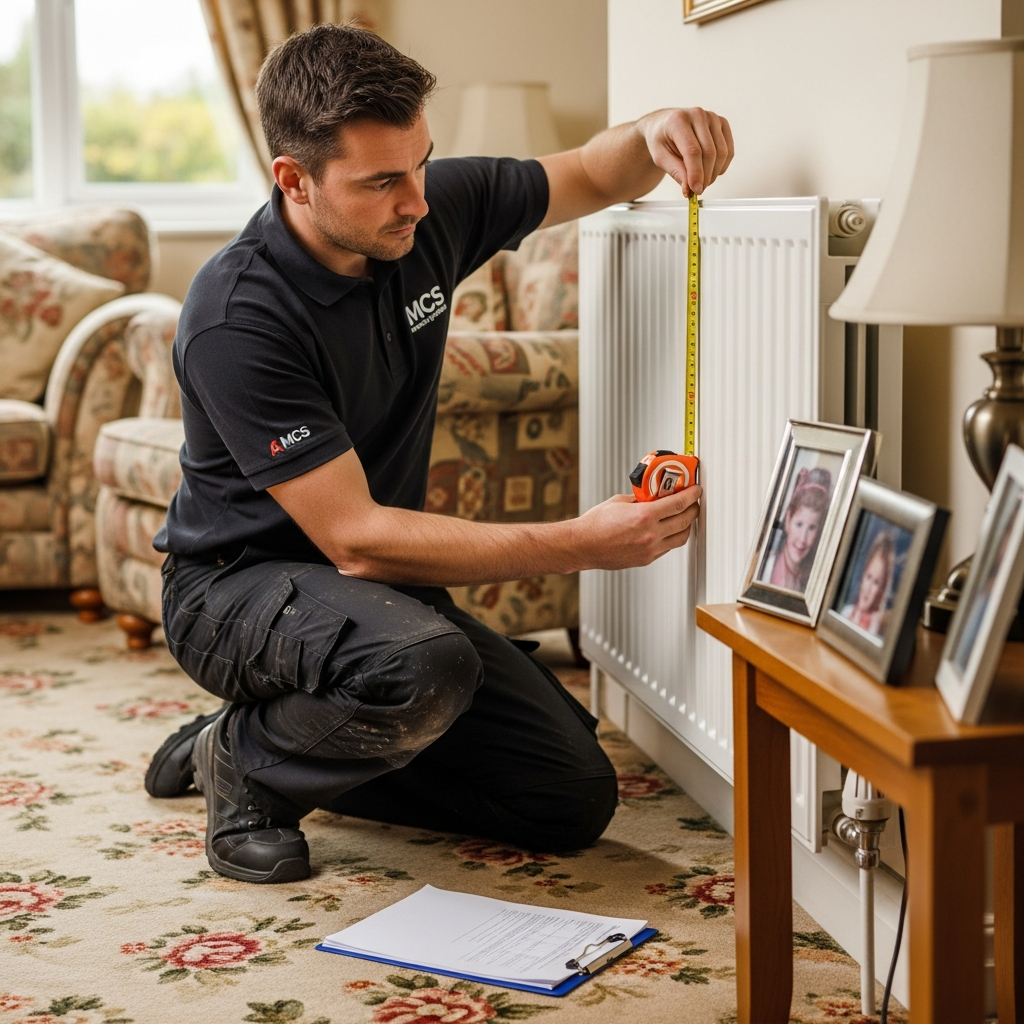
Check that your quote includes: the heat pump unit (model and kW), hot water cylinder (capacity), all pipework and connections, electrical work, controls and thermostats, any radiator upgrades (by room), labour, MCS registration and commissioning, building regulations notification, the BUS grant deduction, and VAT (0% for heat pump installations).
If any of these are missing, ask the installer to clarify. For help getting comparable quotes, use our free quote service. Combining a heat pump with solar panels can further reduce your long-term energy costs.
Know exactly what your heat pump will cost
Our calculator gives you a personalised estimate — then connect with installers for itemised quotes.
Get my estimate →Free. Takes 60 seconds. No commitment.
Frequently Asked Questions
Why does installation cost more than the heat pump itself?
Because the installation involves significant skilled labour (2–4 days of qualified engineer time), additional components (cylinder, pipework, controls), and potentially modification of your existing heating system. The heat pump unit is a mass-produced product; the installation is bespoke to your property.
Is VAT charged on heat pump installations?
Heat pump installations in the UK currently qualify for 0% VAT. This applies to both the equipment and the labour when installed by a VAT-registered business. This zero rate is in effect until at least March 2027.
Can I buy the heat pump myself and have it installed?
Technically yes, but it is rarely advisable. Most MCS-certified installers prefer to supply and install as a package — this ensures compatibility, simplifies the warranty, and allows them to take responsibility for the complete system.
What is the cheapest possible heat pump installation?
A small ASHP (5–6 kW) in a well-insulated 2-bed house, replacing a system boiler with an existing compatible cylinder and adequate radiators. Total cost: approximately £8,000–£9,000 before grant, or £500–£1,500 after the BUS grant.
Do I need to pay anything upfront?
Most installers require a deposit — typically 10–30% of the total cost. The BUS grant is applied by the installer, so you pay the after-grant amount.
Are there any ongoing costs after installation?
Annual servicing (£100–£200/year) is recommended. Beyond that, the main ongoing cost is electricity. There are no fuel delivery costs and maintenance costs are generally lower than for a boiler. See our maintenance cost guide for details.
About Heat Pump Purchase and Installation Costs
The total cost to buy and install a heat pump depends on the unit size, installation complexity, and ancillary components required. With the BUS grant of £7,500 and 0% VAT, the out-of-pocket cost for most UK homeowners is £2,500–£10,500. This guide is part of our resource hub covering heat pump costs, air source systems, grants, and installation. For advice on reducing running costs with renewable energy, visit Home Solar Guide.