Hidden Costs of Heat Pump Installation UK
You have researched heat pump costs, checked your eligibility for the BUS grant, and the headline numbers look reasonable. But then the quote arrives and it is higher than expected. Or worse, you commit to the installation and discover additional costs halfway through.
This guide covers every potential "hidden" cost of a heat pump installation — costs that are not always included in the initial quote or discussed upfront. None of these are hidden in the sense that they are deliberately concealed. They are costs that vary enormously between properties and are sometimes only identified during the survey or installation process. Knowing about them in advance means you can ask the right questions, budget properly, and avoid unwelcome surprises.
1. Radiator Upgrades: £0 to £4,000+
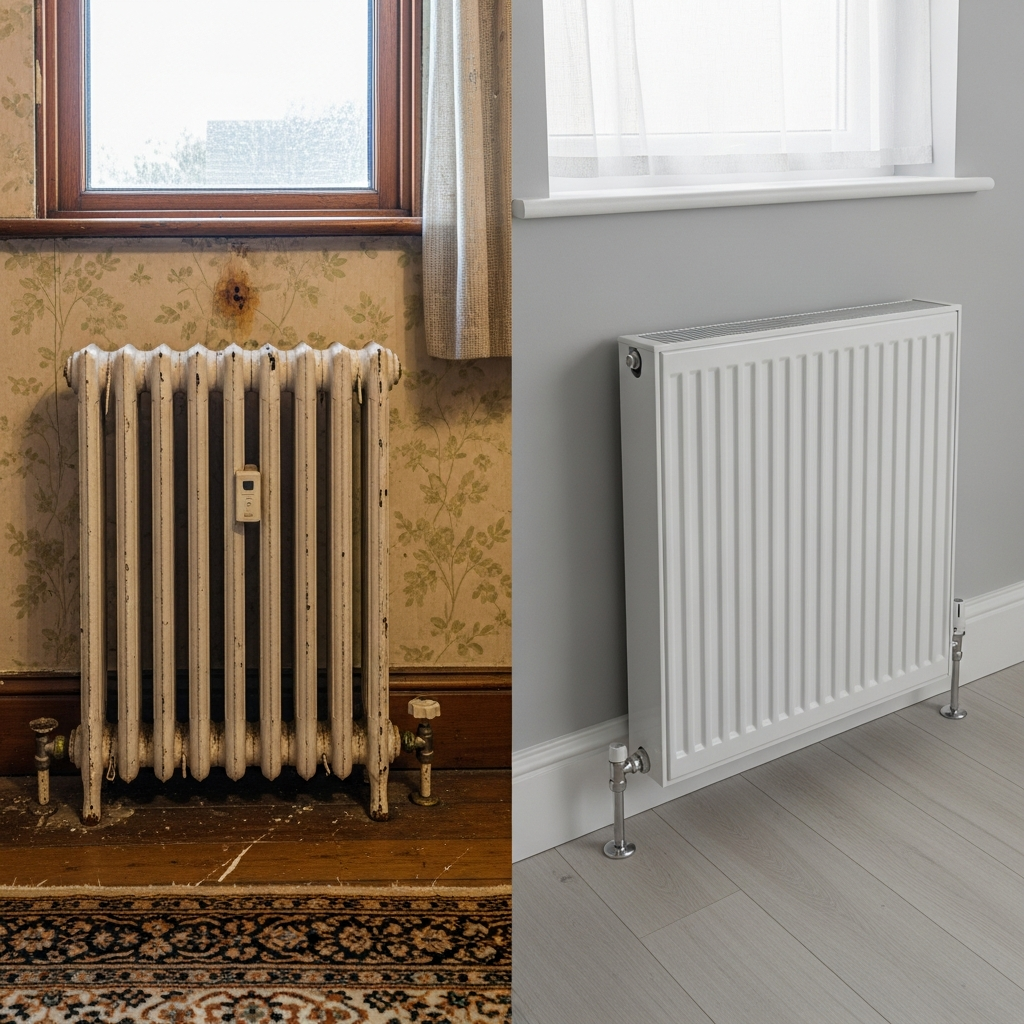
This is the most common and potentially most expensive hidden cost. Heat pumps operate most efficiently at lower flow temperatures than gas boilers (35-50°C versus 60-75°C). At lower flow temperatures, each radiator emits less heat. If your existing radiators are too small for the heat pump's flow temperature, they need upgrading to larger ones.
How Many Radiators Typically Need Upgrading?
- Well-insulated home with modern, generously sized radiators: Zero to one radiator. Cost: £0-400.
- Average home with standard radiators: Two to four radiators. Cost: £600-2,000.
- Poorly insulated home with small radiators: Most or all radiators. Cost: £2,000-4,000+.
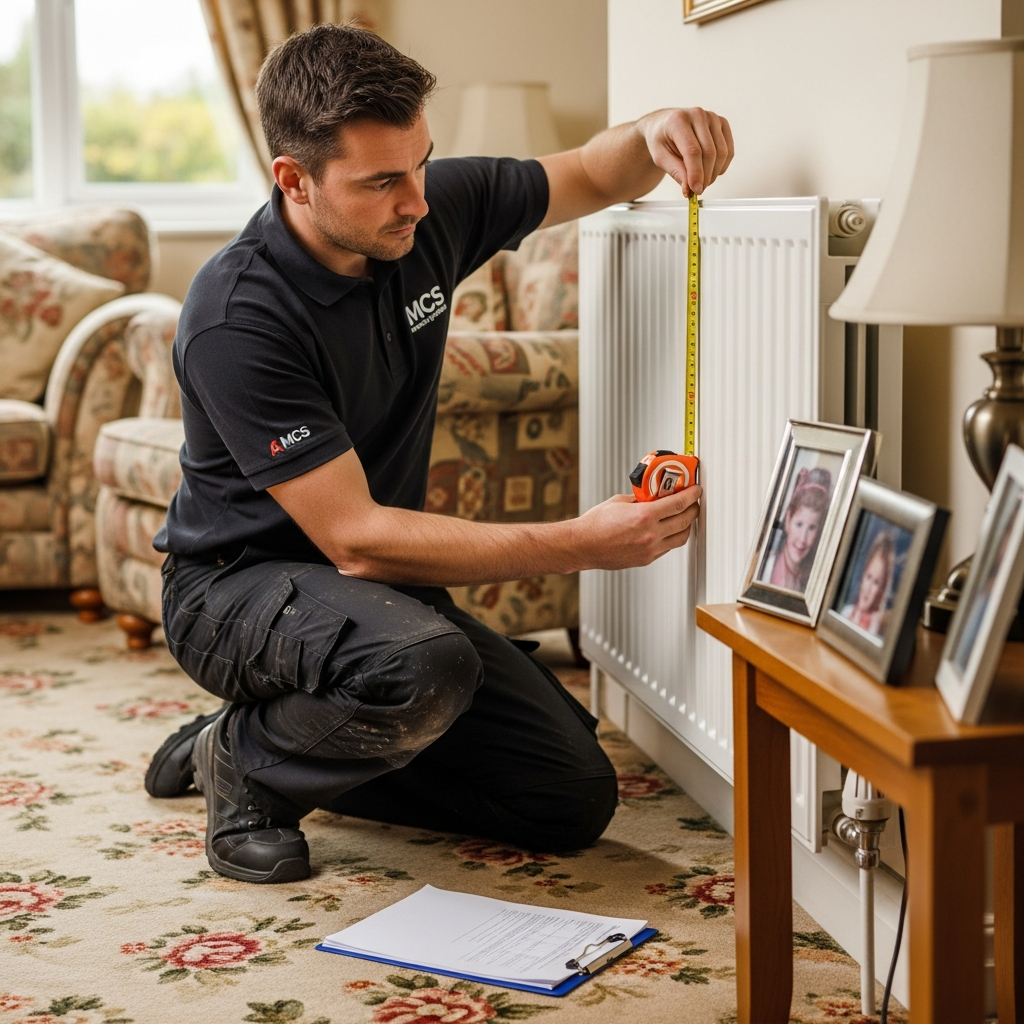
A good installer will tell you exactly which radiators need upgrading during the survey, before you commit. If an installer says "your radiators will be fine" without doing a room-by-room calculation at the proposed flow temperature, that is a red flag.
Read our detailed guide on whether you need new radiators for a heat pump to understand how this assessment works.
Alternatives to Full Radiator Replacement
- Adding a second radiator in the same room: Sometimes cheaper than replacing if there is wall space
- Fan convectors: Fans fitted behind radiators that increase heat output by 30-50% at low flow temperatures. Cost: £80-150 per radiator.
- Running at a slightly higher flow temperature: Reduces efficiency slightly but may eliminate the need for radiator upgrades. Your installer can advise on the trade-off.
2. Insulation Improvements: £0 to £5,000+
A heat pump in a poorly insulated home is like a high-efficiency engine in a car with the windows permanently open. The system works, but it has to work much harder — using more electricity, requiring a larger (more expensive) heat pump, and needing more radiator upgrades.
Some insulation improvements may be recommended — or even required — before installation:
- Loft insulation top-up: If your loft insulation is less than 270mm deep (or has settled and compacted), topping it up is cheap and highly effective. Cost: £300-600 for a three-bedroom house. This is often the single best investment you can make before a heat pump installation.
- Cavity wall insulation: If your home has unfilled cavity walls, filling them reduces heat loss dramatically. Cost: £800-2,000 depending on property size. Often available with grant support through ECO or Great British Insulation schemes.
- Draught-proofing: Sealing gaps around windows, doors, and service penetrations. Cost: £100-300 DIY or £300-600 professionally done.
- Floor insulation: Particularly relevant for suspended timber floors with poor or no insulation. Cost: £500-1,500 depending on access and area.
- Solid wall insulation: For homes with solid walls (most pre-1930s properties). Internal or external wall insulation is effective but expensive. Cost: £5,000-15,000. This is rarely required specifically for a heat pump but may be recommended for overall energy performance.
The BUS grant requires a minimum EPC rating of D (in England) to qualify, though there are exemptions. If your home is currently EPC E, F, or G, you may need to improve insulation to qualify for the grant — which adds cost but also reduces your ongoing heat demand and running costs.
3. Electrical Supply Upgrade: £0 to £1,500
Heat pumps draw between 2 and 6kW of electrical power. Most modern UK homes have a 60A or 100A electrical supply, which is comfortably sufficient. However, some older properties have a 40A supply, and some installations require a supply upgrade.
When Is an Upgrade Needed?
- Main fuse is 40A or less: The DNO (Distribution Network Operator) may need to upgrade it to 60A or 100A. Cost: £0 (if the DNO does it for free under their obligations) to £500-1,000. Timescale: 2-8 weeks.
- Consumer unit (fuse box) is outdated: If it does not have RCD protection, the electrician may require an upgrade to a modern consumer unit. Cost: £400-700.
- Distance from consumer unit to heat pump: If the outdoor unit is far from the consumer unit, the cabling cost increases. Long runs may also require thicker cable. Additional cost: £100-400.
A competent installer will check your electrical supply during the survey and include any necessary upgrades in the quote. If electrical work is not mentioned at all, ask specifically whether your supply and consumer unit are adequate.
4. Planning Permission: £0 to £500
Most air source heat pump installations fall under permitted development rights, meaning no planning permission is needed. However, there are exceptions:
- Listed buildings: Listed building consent is required in addition to any planning permission. Cost: £0-500 for the application, plus potentially significant constraints on unit placement and appearance.
- Conservation areas: Restrictions may apply on where the outdoor unit can be placed, particularly if visible from the street. Cost: £0-300 for consultation/application.
- Flats and maisonettes: Planning rules differ for flats. The unit must not be on a wall facing a highway and may require freeholder consent. Legal costs for freeholder consent: £0-500.
- Noise constraints: The unit must be at least one metre from the property boundary and meet specific noise limits. If the only viable location does not comply, you may need an acoustic enclosure (£300-800) or a redesigned installation.
Ground source heat pumps with horizontal ground loops usually fall under permitted development. Borehole systems for vertical loops may require a different set of permissions depending on depth and proximity to water sources.
5. Hot Water Cylinder Space: £0 to £1,500
If you currently have a combi boiler (no hot water cylinder), you will need to find space for one. Heat pump cylinders are typically 200-300 litres and measure roughly 600mm in diameter by 1,400-1,700mm tall.
Common solutions:
- Airing cupboard: If you have an existing airing cupboard from a previous hot water system, the new cylinder may fit straight in. Cost: £0.
- Utility room or garage: Often the easiest location in homes without an airing cupboard. Minor pipework routing costs: £100-300.
- Building a new cupboard: If there is no suitable space, a builder may need to create one. Cost: £300-800 depending on location and finish.
- Loft: Possible but not ideal due to access for servicing and the weight of a full cylinder. Structural assessment may be needed. Cost: £200-500 for reinforcement and installation.
The loss of a bedroom cupboard or storage space is a non-financial cost that some homeowners find frustrating, particularly in smaller properties. Discuss cylinder placement early in the process — ideally at the survey stage.
6. Scaffolding: £0 to £800
Scaffolding may be needed if:
- The pipework route between the outdoor unit and the indoor connection point goes up an exterior wall
- The outdoor unit is wall-mounted at height
- Access to the installation area is restricted
Cost: £300-800 depending on duration and extent. This is a cost that may not be obvious until the installer surveys the property and plans the pipework route.
7. Asbestos: £0 to £2,000+
Homes built before the mid-1990s may contain asbestos in various locations — boiler flues, pipe insulation, textured coatings, and soffits. If the installation requires disturbing materials that contain asbestos, specialist removal is required before work can proceed.
- Small area of asbestos removal (pipe insulation, small soffit section): £200-500
- Larger area (boiler cupboard, full flue system): £500-2,000+
If asbestos is identified during the survey, the cost should be included in the quote. If it is discovered during installation, work must stop until it is professionally removed, causing delay and additional cost.
8. Concrete Base or Ground Works: £200 to £1,000
The outdoor unit needs a solid, level base. In most cases, a simple concrete pad costs £200-400. But additional ground work may be needed:
- Sloping ground: May require additional foundation work or a retaining structure. Cost: £300-600 above a standard pad.
- Drainage: If the chosen location has poor drainage, additional work may be needed to manage condensate and rainwater runoff. Cost: £100-400.
- Access path: If the outdoor unit is located away from existing paths, creating access for servicing may be desirable. Cost: varies.
9. System Flush: £300 to £600
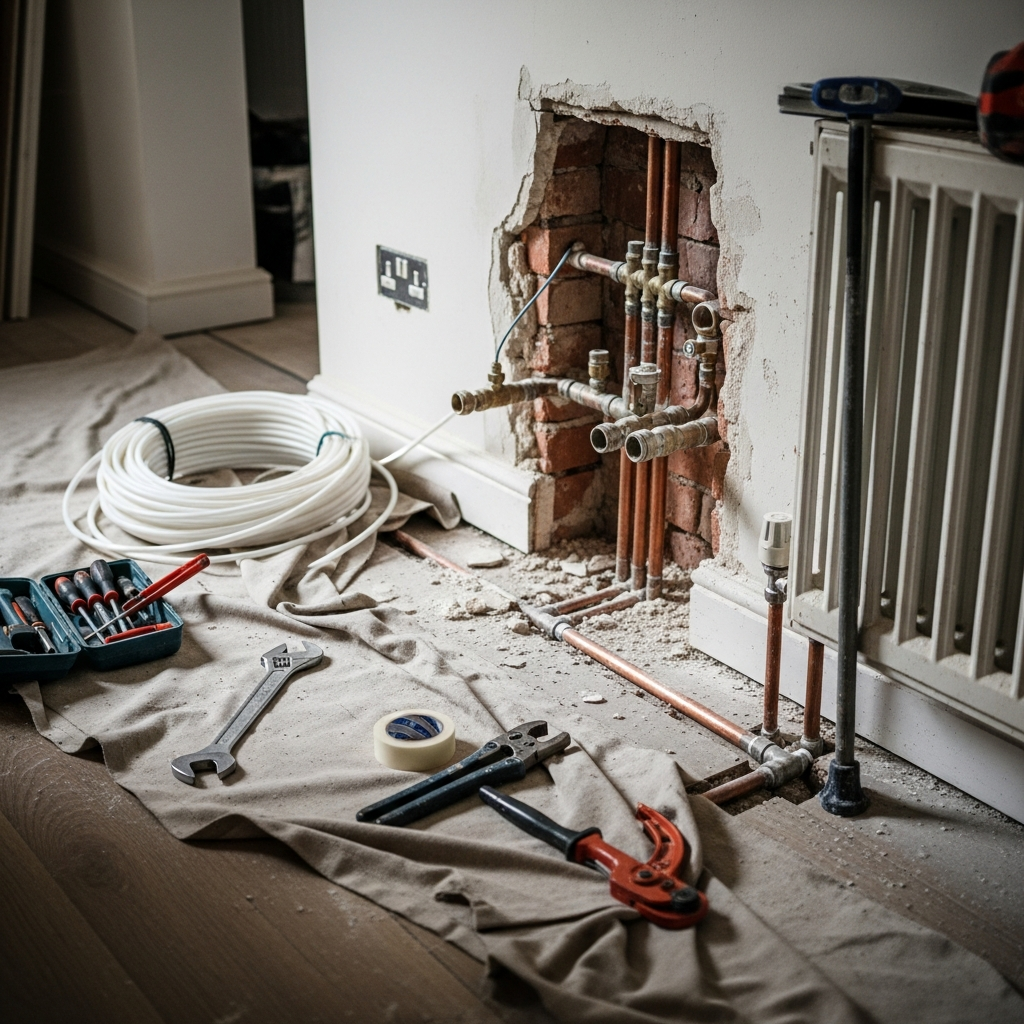
If you are connecting the heat pump to an existing radiator system, a full system flush (also called a powerflush) is often recommended to remove sludge, debris, and old inhibitor from the pipework. Heat pumps are more sensitive to system sludge than gas boilers because the lower flow temperatures mean radiators need maximum water circulation to deliver adequate heat.
Some installers include a system flush in their standard quote. Others list it as an optional extra. If it is not included and your system has not been flushed in the last few years, it is a worthwhile investment. A sludgy system will reduce the heat pump's efficiency and could trigger faults.
10. Noise Mitigation: £0 to £1,500
If the outdoor unit is close to a neighbour's bedroom window or positioned in a location where noise could be an issue, additional noise mitigation may be needed:
- Anti-vibration mounts: Should be standard on every installation. Cost: £20-50 (often included).
- Acoustic fencing or screening: Barriers that reduce noise transmission towards sensitive areas. Cost: £200-800.
- Acoustic enclosure: A louvred enclosure around the unit that reduces noise while allowing airflow. Cost: £500-1,500. These reduce noise by 5-10 dB but can slightly reduce efficiency by restricting airflow.
- Relocating the unit: If the initial planned location causes noise issues, moving the unit further from neighbours may involve additional pipework and ground work. Cost: £200-800.
How to Avoid Surprises
The best protection against hidden costs is a thorough survey and a detailed, itemised quote. Here is what to insist on:
- Insist on a site survey: Do not accept a quote based on photos or a phone conversation alone. The installer needs to see your property, check radiators, assess the electrical supply, plan the pipework route, and identify the outdoor unit location.
- Ask for an itemised quote: Every component and task should be listed separately. If the quote is a single lump sum with no breakdown, ask for detail.
- Ask specifically about: Radiator upgrades, electrical supply, hot water cylinder location, asbestos (if applicable), scaffolding, and system flush.
- Get three quotes: Comparing itemised quotes from three installers makes it obvious if one has included costs that another has missed — or if one is padding costs that another does not consider necessary.
- Check what the BUS grant covers: The grant covers the heat pump and its direct installation costs. It does not cover insulation improvements, electrical supply upgrades by the DNO, or building work to create space for a cylinder.
Our free quotes service connects you with MCS-certified installers who provide detailed, transparent quotes. Use our cost calculator first to get a baseline estimate before approaching installers.
Frequently Asked Questions
What is the biggest hidden cost of a heat pump?
Radiator upgrades are the most common significant additional cost, ranging from £0 (if existing radiators are adequate) to £4,000+ (if most need replacing). The second most common is insulation improvements, particularly loft and cavity wall insulation.
Should the installer include all these costs in the quote?
A good installer should identify and include all foreseeable costs after a proper site survey. Items that cannot always be predicted (like hidden asbestos) should be flagged as potential additional costs. If an installer's quote seems unusually cheap, it may be because they have excluded items that other quotes include.
Can I do any of this work myself to save money?
You can prepare the concrete base, carry out basic draught-proofing, top up loft insulation, and create space for the hot water cylinder. The heat pump installation itself must be done by an MCS-certified installer to qualify for the BUS grant. Electrical and refrigerant work must be done by qualified professionals.
Do these hidden costs apply to ground source heat pumps too?
Yes, plus additional costs specific to ground source systems: ground works for the horizontal loop or borehole drilling, potential disruption to landscaping, and longer installation timescales. Ground source installations are more expensive overall but these additional costs are usually well understood from the start because they are integral to the system. See our ground source guide for details.
What if costs increase after I have accepted the quote?
A reputable installer should honour the quoted price for items that were identifiable at survey stage. Genuinely unforeseen issues (like discovering asbestos behind a boiler) are different — these are additional costs that neither party could have predicted. Discuss with the installer and get the additional work quoted separately before it proceeds.
Are there any costs after installation that people forget about?
Annual servicing (£100-200), potential electricity tariff changes (switching to a time-of-use tariff to reduce costs), and the loss of gas standing charge (a saving, not a cost). Some homeowners also spend on a smart thermostat or monitoring system to optimise their heat pump's performance.