Ground Source Heat Pump Pros and Cons
Ground source heat pumps deliver the highest efficiency (COP 3.8-4.5), lowest running costs, and longest lifespan of any domestic heating system — but they also cost £15,000-£40,000 to install and need either a large garden or a budget for borehole drilling. This honest assessment covers both sides so you can decide with confidence.
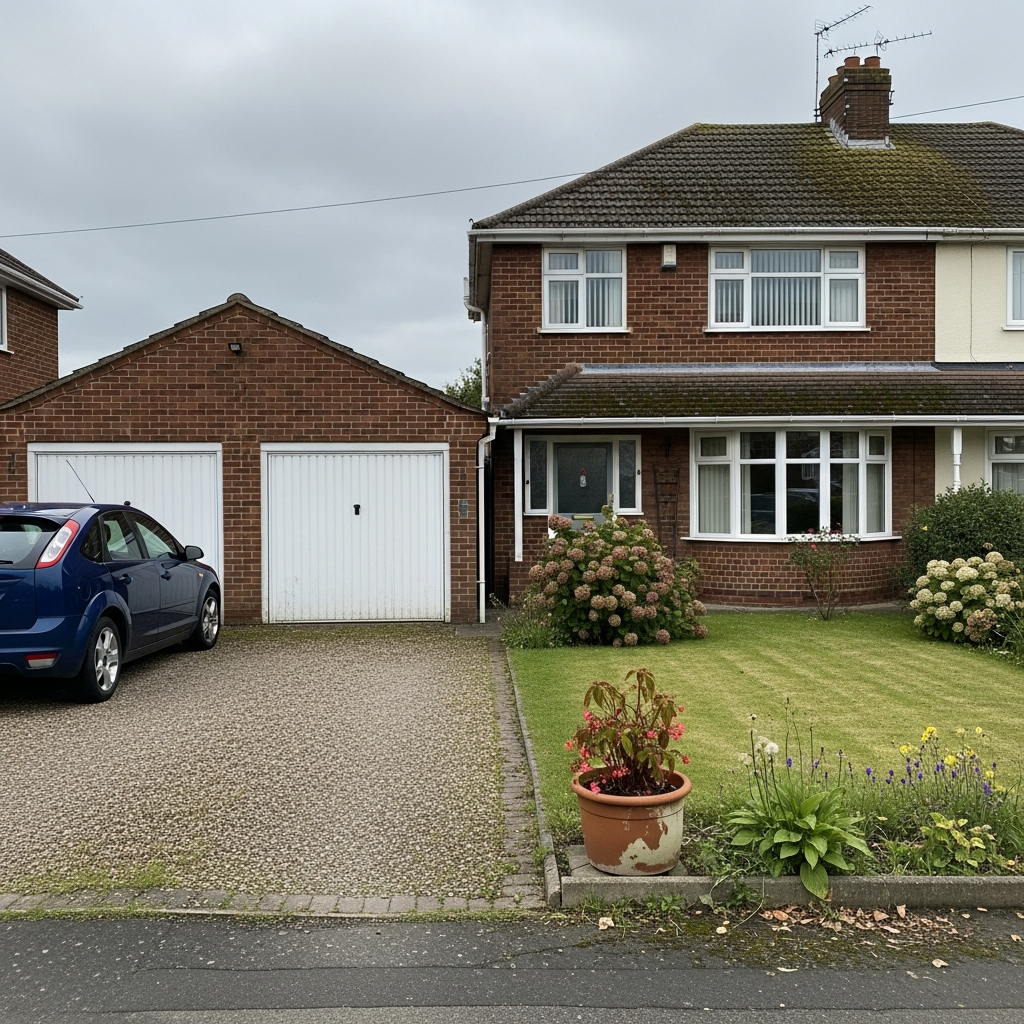
Ground source heat pumps are the most efficient heating technology available for UK homes. They are also the most expensive to install and need either significant garden space or a budget for borehole drilling. The decision to invest in one is rarely straightforward.
This guide offers an honest, balanced assessment of the advantages and disadvantages — with no sales pitch. For the full technical picture, see our complete guide to ground source heat pumps.
Check if a ground source heat pump makes sense for your property
Try the suitability checkerQuick assessment based on your property type, size, and garden space.
The Pros
1. Highest Efficiency of Any Heating System
Ground source heat pumps achieve an SCOP of 3.8-4.5 — significantly higher than air source systems (2.8-3.5) and leagues ahead of gas boilers (0.90-0.94). An SCOP of 4.0 means three-quarters of the heat delivered to your home is effectively free.
2. Lowest Running Costs
For a typical UK home, a ground source heat pump costs roughly £500-£750 per year to run — less than gas and around £150-£300 less than air source. The saving is most dramatic for properties on oil (saving £300-£600/yr) or LPG (saving £500-£800+/yr). See our full running costs comparison.
3. Completely Silent From Outside
No outdoor unit means zero external noise — a significant advantage over air source heat pumps (40-60 dB at one metre).
4. No Visual Impact Outside
Once the ground loop is buried and the garden reinstated, there is no visible evidence of the system at all. Ideal for period properties, listed buildings, and conservation areas.

5. Consistent Year-Round Performance
The ground temperature stays at 10-13°C year-round. Unlike air source systems, efficiency does not drop on cold days.
6. Exceptionally Long Lifespan
The heat pump unit lasts 20-25 years. The ground loop lasts 50+ years. When the unit eventually needs replacing, the ground loop remains — saving the entire cost of groundworks second time around.
7. Higher Government Grant
The Boiler Upgrade Scheme provides £7,500 for ground source versus £7,000 for air source.
8. Passive Cooling in Summer
Many systems provide passive cooling by circulating cool brine through underfloor heating — lowering temperatures by 2-4°C at virtually no running cost.
9. Very Low Maintenance
Fewer moving parts, no outdoor unit exposed to weather, and no defrost cycles mean less to go wrong.
See estimated costs and savings for your home
Use the free calculatorInstant personalised results. No email required.
The Cons
1. Significantly Higher Upfront Cost
£15,000-£40,000 compared to £8,000-£15,000 for air source. The cost difference is almost entirely due to groundworks. Full breakdown in our cost guide.
2. Substantial Garden Space Needed
Horizontal loops need a garden roughly two to three times the heated floor area. This rules out most terraced houses and many semis. Boreholes are an alternative but push costs even higher.
3. Disruptive Installation Process
Trenching tears up your garden temporarily. Borehole drilling involves large, noisy machinery. Gardens recover within a few months. Read our installation guide for what to expect.
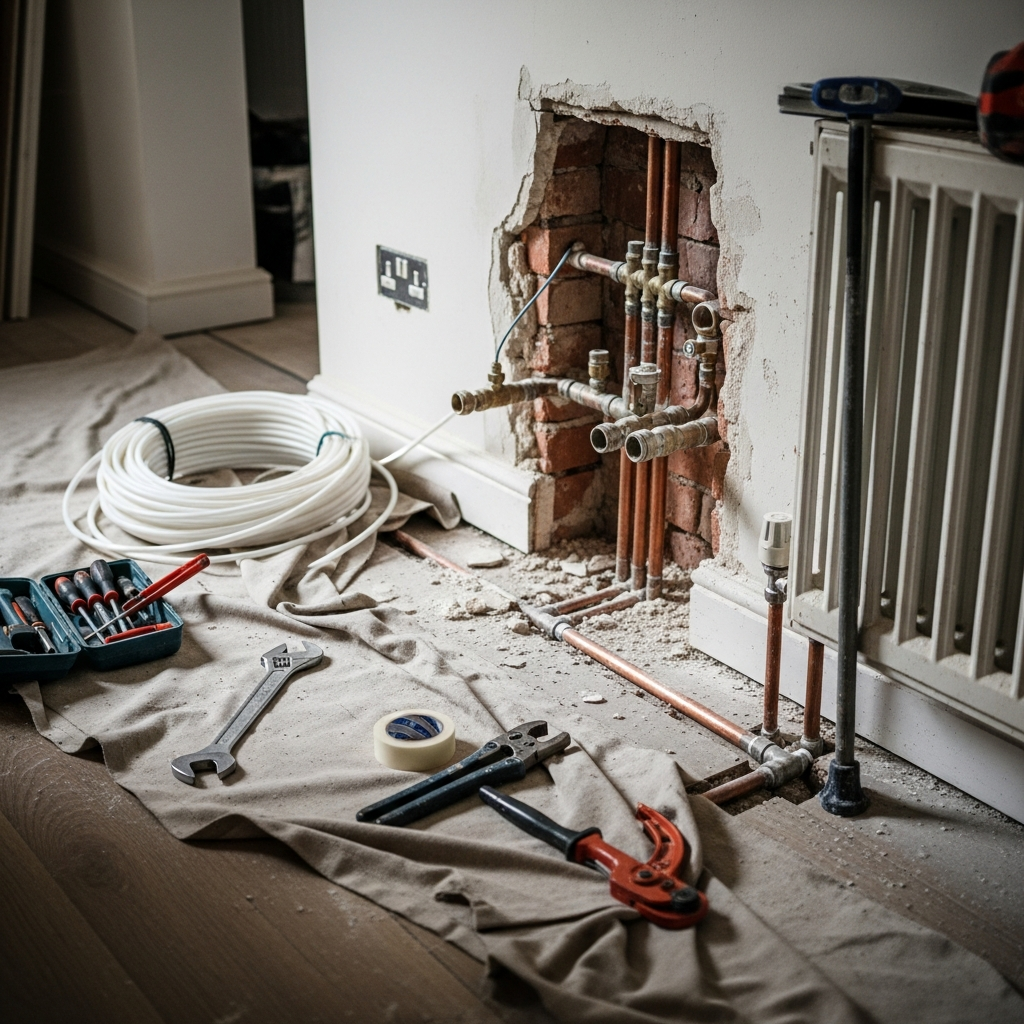
4. Not Suitable for All Properties
Flats, terraced houses, and homes with tiny gardens are generally not viable. For these, an air source heat pump is the practical alternative.
5. Longer Installation Timeline
1-2 weeks on site compared to 2-3 days for air source. From enquiry to working system: 2-4 months.
6. Fewer Installers Available
Significantly fewer MCS-certified GSHP installers than ASHP installers. Our quote service connects you with certified specialists.
7. Planning Permission May Be Needed
Borehole drilling may require planning permission in conservation areas or near protected groundwater.
8. Long Payback on the Cost Premium
The annual saving over air source is £150-£300 per year. The extra installation cost takes decades to recoup on running costs alone, though the longer lifespan and avoided replacement costs improve the picture.
Who Should Choose Ground Source?
- Detached homes with large gardens
- Properties on oil or LPG — running cost savings are much larger
- Rural properties — ample space, off gas grid, value silence
- New builds — groundworks cheaper during construction
- Long-term homeowners — 15-20+ years to accumulate savings
- Noise-sensitive situations — no outdoor unit
- Listed or period properties — no visible outdoor equipment
Who Should Choose Air Source Instead?
- Properties with small gardens
- Budget-conscious homeowners — air source costs roughly half to install
- Terraced or semi-detached houses
- Shorter ownership plans — selling within 10 years
- Properties already on mains gas — the running cost saving over gas is relatively small

Frequently Asked Questions
Are ground source heat pumps better than air source?
They are more efficient with lower running costs, but cost much more and need more space. "Better" depends on your circumstances.
Do ground source heat pumps work in clay soil?
Yes — clay is actually one of the best soil types because it retains moisture and transfers heat well.
Can I install a ground source heat pump myself?
No. MCS-certified installation is required for the grant and warranty.
Will a ground source heat pump increase my property value?
It significantly improves your EPC rating and provides very low running costs — both attractive to buyers.
How noisy is the indoor unit?
Around 40 dB — similar to a domestic fridge. Barely noticeable in a utility room. Zero external noise.
Still weighing up your options?
Get a personalised cost comparisonSee ground source vs air source costs for your specific property. Free and instant.
Weighing the Pros and Cons in Context
The decision between ground source and air source heat pumps sits within a broader home energy strategy. Pairing either system with solar panels reduces running costs further, while the Boiler Upgrade Scheme reduces the upfront barrier. For homeowners with the right property and a long-term outlook, ground source heat pumps remain the gold standard for domestic heating efficiency. For everyone else, air source offers an excellent, more accessible alternative.