Air Source Heat Pump for a 3-Bed Semi: Sizing, Costs, and What to Expect
The 3-bed semi is the UK's most common house type — and one of the best suited to air source heat pumps. With the £7,500 BUS grant, most owners pay just £500-£4,500 out of pocket, save £250-400 per year on heating, and achieve payback in 7-11 years.
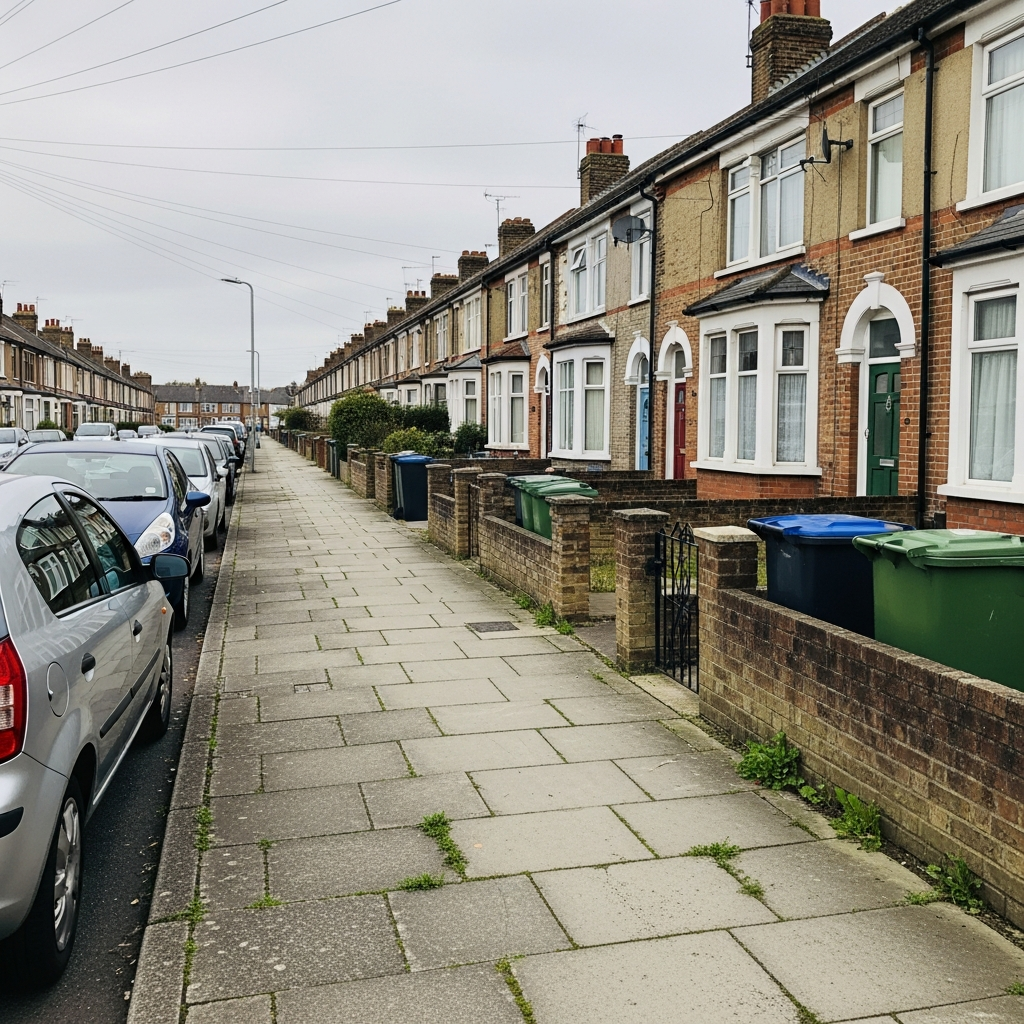
The 3-bedroom semi-detached house is the most common property type in the UK. If you live in one and you're thinking about a heat pump, the good news is that 3-bed semis are generally well-suited to air source heat pumps.
Get a personalised cost estimate for your 3-bed semi
Use the free calculatorNo email required. Instant results based on your property details.
What Size Heat Pump for a 3-Bed Semi?
Most 3-bed semis need a heat pump rated between 7 kW and 10 kW:
| Property Characteristics | Likely Heat Pump Size |
|---|---|
| Well-insulated (cavity wall, 270mm+ loft, double glazing) | 6-8 kW |
| Average insulation (some improvements, standard double glazing) | 7-9 kW |
| Below average (uninsulated cavity, basic loft, older glazing) | 9-11 kW |
| Poor insulation (solid walls, single glazing, minimal loft) | 10-12 kW |
A proper heat loss calculation by your installer is essential. Use our heat pump calculator for an initial estimate.
Installation Costs
| Component | Typical Cost |
|---|---|
| Heat pump unit (7-10 kW) | £4,000 – £6,500 |
| Hot water cylinder (200L) | £800 – £1,500 |
| Installation labour (2-4 days) | £1,500 – £2,500 |
| Pipework and fittings | £500 – £800 |
| Electrical work | £300 – £500 |
| Concrete base/ground works | £200 – £400 |
| Controls and commissioning | £200 – £400 |
| Total before grant | £8,000 – £12,000 |
| Minus BUS grant | -£7,500 |
| Your cost after grant | £500 – £4,500 |
Additional costs may include radiator upgrades (£500-2,000), system flush (£300-500), and insulation improvements.
Running Costs
| Heating System | Estimated Annual Cost (3-bed semi) |
|---|---|
| Gas boiler (90% efficient) | £900 – £1,200 |
| Air source heat pump (SCOP 3.0) | £650 – £900 |
| Air source heat pump (SCOP 3.5) | £550 – £750 |
| Oil boiler | £1,000 – £1,500 |
| Electric storage heaters | £1,500 – £2,200 |
Monthly breakdown: summer £15-30, spring/autumn £40-70, winter £80-130. For detailed analysis, see our running costs guide.
See your exact monthly running costs before and after switching
Calculate your savingsFree, instant results. No obligation, no email required.
Practical Considerations for a 3-Bed Semi
Outdoor Unit Placement
Many semis have a side passage — often the ideal location. The rear garden also works well. Avoid the shared party wall to prevent noise issues for neighbours. The 42 dB limit at the boundary is achievable with sensible placement (typically 2-3 metres from the boundary).
Hot Water Cylinder Space
If replacing a combi boiler, you'll need space for a 200L cylinder (approximately 600mm diameter x 1500mm tall). Common locations: existing airing cupboard, kitchen corner, under the stairs, or garage.
Radiator Assessment
In a typical 3-bed semi with 6-8 radiators, you might find 3-4 are adequately sized, 2-3 need upsizing (often the living room and kitchen), and 1-2 are borderline. This is typically £500-1,500 in targeted upgrades — not a full-house replacement. See our radiator guide for details.
Insulation: What to Do First
| Improvement | Typical Cost | Impact |
|---|---|---|
| Top up loft insulation to 270mm | £300 – £600 | Reduces heat loss by 10-15% |
| Cavity wall insulation | £500 – £1,500 | Reduces heat loss by 20-30% |
| Draught-proofing doors/windows | £100 – £300 | Reduces heat loss by 5-10% |
| Double glazing (if single glazed) | £3,000 – £7,000 | High impact but expensive |
The Installation Process
Before installation (2-8 weeks): survey, design, BUS grant application, equipment order. Installation days (2-4 days): old boiler removal, outdoor unit placement, indoor components, pipework, electrics, commissioning, and handover.
Real-World Example: 1960s 3-Bed Semi
- Property: 1960s 3-bed semi, 90 m², cavity walls (insulated), 200mm loft insulation, double glazed
- Heat pump: 8 kW air-to-water (Vaillant aroTHERM plus)
- Radiator changes: Living room upsized, one bedroom radiator added
- Total cost: £10,200 before grant, £2,700 after BUS grant
- Annual running cost: £720 (down from £1,050 with gas)
- Annual saving: £330 | SCOP achieved: 3.2
Is It Worth It for a 3-Bed Semi?
Net cost after grant: £2,700. Annual saving vs gas: £250-400. Simple payback: 7-11 years. Heat pump lifespan: 15-20 years. Over 20 years, total savings of £2,000-5,000 compared to gas — while eliminating carbon emissions. Replacing oil or electric storage heaters delivers faster payback. Pairing with solar panels can accelerate savings further.

Frequently Asked Questions
What size heat pump do I need for a 3-bed semi?
Typically 7-10 kW, depending on insulation. A professional heat loss survey determines the exact size.
How much does a heat pump cost for a 3-bed semi?
£8,000-12,000 before the BUS grant, or £500-4,500 after the £7,500 grant.
Will a heat pump keep a 3-bed semi warm enough?
Yes, if correctly sized and installed. It should maintain 21°C in living areas even during the coldest UK weather.
Can I install a heat pump on a semi-detached house?
Absolutely. Thousands are installed every year. The main consideration is positioning to meet the 42 dB noise limit at the neighbour's boundary.
Do I need planning permission for a heat pump on a semi?
Usually not — heat pumps are covered by permitted development rights provided they meet noise limits and size restrictions.
How long does installation take?
Typically 2-4 days. You'll be without heating for most of this period.
The Bottom Line
A 3-bed semi is one of the best property types for an air source heat pump. Costs are manageable (especially with the £7,500 grant), and running cost savings are genuine. Get a proper survey, choose an experienced MCS-certified installer, consider insulation improvements, and be prepared for minor radiator upgrades.
Ready to get started on your 3-bed semi?
Get free quotes from local installersMCS-certified installers experienced with semi-detached properties. Free, no obligation.
Understanding Heat Pumps for Semi-Detached Homes in Context
The 3-bed semi represents the largest single segment of UK housing stock, making it central to the government's heat pump rollout. With BUS grant support, manageable 7-10 kW sizing, and proven air-to-water technology, the transition from gas boilers is straightforward for most semi-detached homes. Proper noise planning for shared boundaries, radiator assessment, and insulation improvements ensure installations deliver on their efficiency promises. For semis with suitable roof orientation, adding solar panels alongside a heat pump maximises both savings and carbon reduction.