Air Source Heat Pump for a Bungalow: Why They're Ideal
Bungalows are among the best property types for air source heat pumps — simpler pipework, smaller system sizes, and the BUS grant often covers most or all of the cost. Many bungalow owners pay less than £2,000 out of pocket and see immediate reductions in their heating bills.
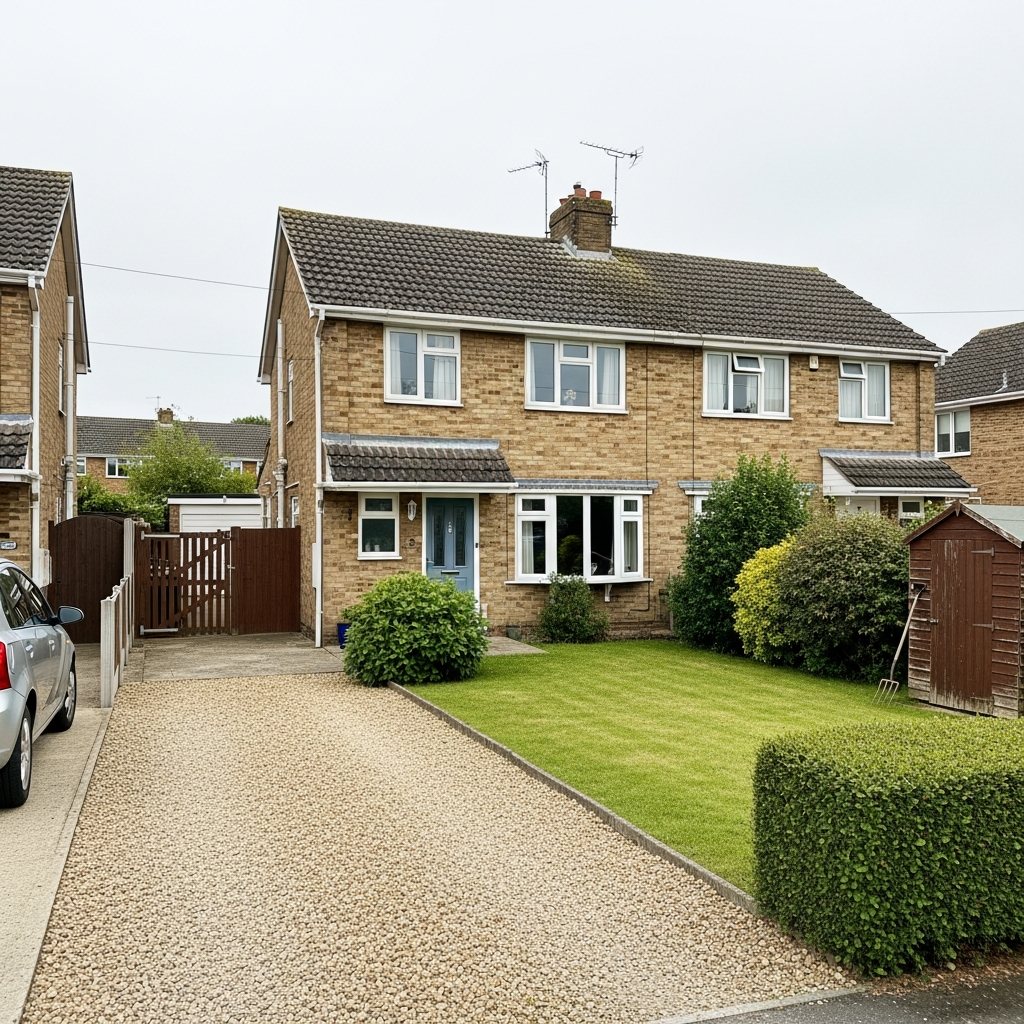
If you live in a bungalow and you're thinking about a heat pump, here's the good news: bungalows are one of the best property types for air source heat pumps. The single-storey layout, accessible outdoor space, and typically simpler heating systems make installation straightforward and performance excellent.
Many bungalow owners are retired homeowners looking to future-proof their heating, reduce bills, and avoid the hassle of gas boiler maintenance. A heat pump ticks all those boxes.
See if your bungalow could get a heat pump for virtually nothing
Use the free calculatorNo email required. Many bungalows qualify for costs near zero after the BUS grant.
Why Bungalows Are Ideal for Heat Pumps
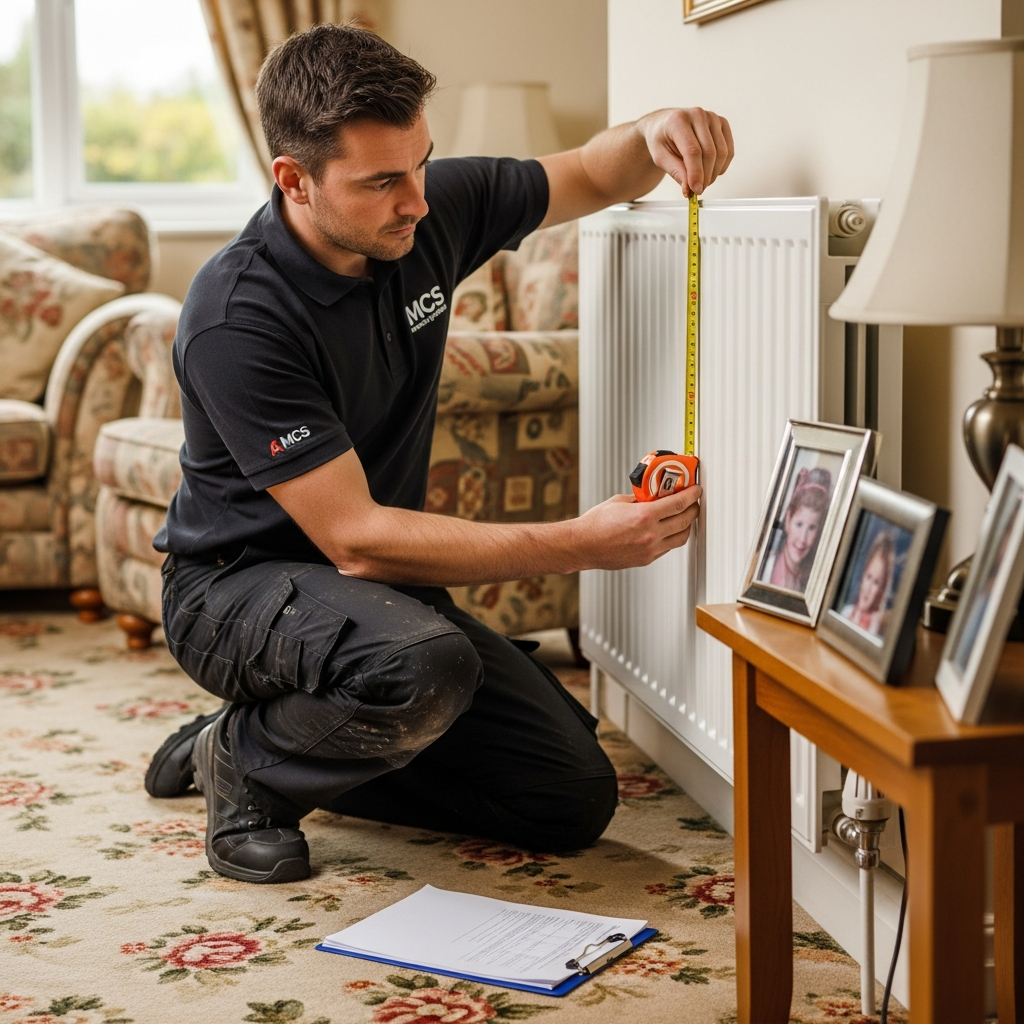
- Single storey = simpler pipework: All rooms on one level means shorter, simpler heating pipework and reduced installation time and cost
- Ideal for underfloor heating: Only one floor to retrofit — UFH is the best emitter type for heat pumps
- Accessible outdoor unit location: Good access around the property, short pipe runs from outside to inside
- Typically manageable size: 60-100 m² floor area suits a standard 5-9 kW heat pump — the most competitive price range
- Often good garden space: Bungalows frequently sit on larger plots relative to their footprint
- Fewer radiators to assess: Typically 5-7 radiators — a smaller assessment and upgrade job
What Size Heat Pump for a Bungalow?
| Bungalow Type | Floor Area | Heat Pump Size |
|---|---|---|
| Small 1-2 bed | 45-65 m² | 4-6 kW |
| Standard 2-3 bed | 65-90 m² | 5-8 kW |
| Larger 3-bed | 90-120 m² | 7-10 kW |
| Dormer bungalow (rooms in roof) | 80-130 m² | 7-11 kW |
Bungalow-specific factors: proportionally larger roof area means loft insulation is critical, exposed locations increase heat loss, and suspended timber floors create additional floor heat loss. Get an accurate picture with our heat pump calculator.
Installation Costs
Bungalow installations tend to be at the lower end of the cost range:
| Component | Typical Cost (2-3 bed bungalow) |
|---|---|
| Heat pump unit (5-8 kW) | £3,500 – £5,500 |
| Hot water cylinder (150-200L) | £700 – £1,300 |
| Installation labour (2-3 days) | £1,200 – £2,000 |
| Pipework and fittings | £400 – £700 |
| Electrical work | £250 – £450 |
| Concrete base | £150 – £350 |
| Controls and commissioning | £200 – £350 |
| Total before grant | £6,500 – £10,500 |
| Minus BUS grant | -£7,500 |
| Your cost after grant | £0 – £3,000 |
For many bungalow owners, the BUS grant covers most or all of the cost. A 2-bed bungalow installation costing £7,000-8,000 could be virtually free after the grant.
Running Costs
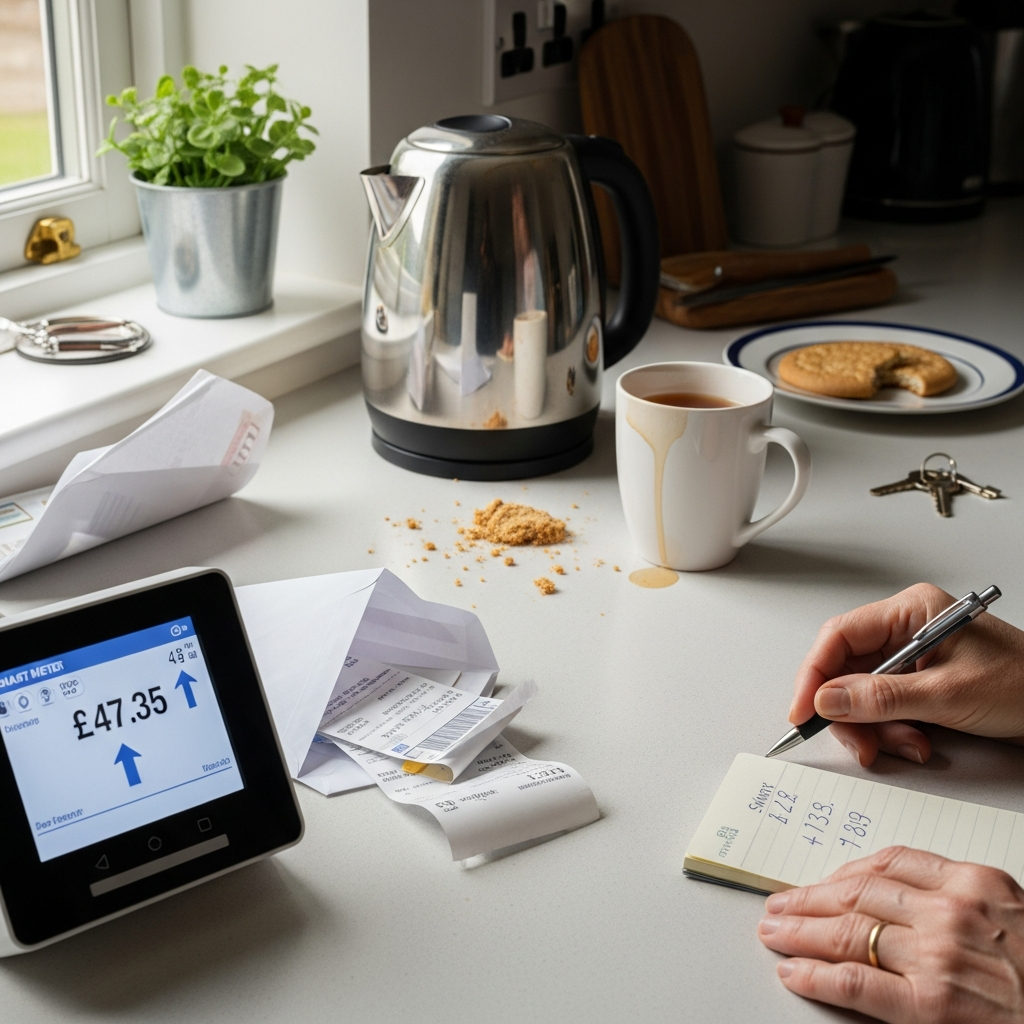
| Heating System | Estimated Annual Cost (2-3 bed bungalow) |
|---|---|
| Gas boiler (90% efficient) | £650 – £950 |
| Air source heat pump (SCOP 3.0) | £450 – £700 |
| Air source heat pump (SCOP 3.5) | £380 – £600 |
| Oil boiler | £800 – £1,200 |
| Electric storage heaters | £1,100 – £1,700 |
Monthly: summer £10-25, spring/autumn £30-55, winter £65-110. Switching from oil or electric storage heaters typically saves 30-50%.
Calculate your exact savings — many bungalows qualify for near-zero cost
Get your personalised estimateFree, instant results. Based on your bungalow type, size, and current heating.
Common Bungalow Scenarios
Scenario 1: 1960s Bungalow Replacing Gas Boiler
2-bed, 75 m², 6 kW system, total £7,800 — after grant: £300. Annual saving vs gas: £180-280. Almost free installation with genuine savings.
Scenario 2: Rural Bungalow Replacing Oil Boiler
3-bed, 100 m², 9 kW system, total £11,000 — after grant: £3,500. Annual saving vs oil: £350-550. Payback 6-10 years plus no more oil tank and delivery hassle.
Scenario 3: Bungalow Replacing Electric Storage Heaters
2-bed, 65 m², 5 kW system + new radiators, total £10,000 — after grant: £2,500. Annual saving vs storage heaters: £500-800. Payback 3-5 years with transformative comfort improvement.
Insulation: Especially Important for Bungalows

Bungalows have proportionally more roof area exposed to the elements, so insulation matters more than for two-storey properties:
- Loft insulation (270mm+): Most impactful and cheapest. Cost: £250-500. Reduces heat demand by 10-20%.
- Cavity wall insulation: Essential if unfilled. Cost: £400-1,200. Reduces heat demand by 20-30%.
- Floor insulation: Many bungalows have suspended timber floors. Cost: £1,000-2,500. Reduces heat demand by 5-15%.
- Draught-proofing: Simple and cheap. Cost: £100-250.
Every improvement means a smaller heat pump, lower running costs, and better comfort.
Dormer Bungalows: A Special Case
Dormer bungalows (rooms in the roof) are slightly more like a standard two-storey house: pipe runs reach upstairs rooms, roof rooms may be harder to insulate, and total floor area is larger. They still work well with heat pumps but budget for a slightly larger system.
Placement and Aesthetics
Choose the side or rear to avoid street visibility. Screen with low hedging or shrubs (maintaining clearance). Use a neat concrete plinth or paving slabs. Ask your installer to route pipes neatly with appropriate cover strips.
Frequently Asked Questions
What size heat pump for a 2-bed bungalow?
Typically 4-7 kW, depending on insulation. This is at the smaller and more affordable end of the heat pump market.
Is a bungalow easier to heat with a heat pump than a house?
Generally yes. Single-storey layout means no heat rising to upper floors, simpler pipework, and easier access for installation.
Can I get a heat pump for free with the BUS grant?
Potentially yes. If the total cost is £7,500 or less, the grant covers everything. Many 2-bed bungalow installations cost £7,000-9,000, meaning £0-1,500 out of pocket.
I have storage heaters — is switching to a heat pump a big job?
It's bigger than replacing a gas boiler because you need a new wet central heating system. But in a bungalow, all work is on one level, making it simpler. The cost premium for a new wet system is typically £2,000-3,500.
Should I consider underfloor heating in my bungalow?
If renovating or replacing floor covering, absolutely. UFH is the perfect partner for a heat pump, and a bungalow is the easiest property type to install it in. The COP improvement of 0.5-1.0 and comfort improvement are well worth considering.
Are bungalows more exposed to wind, and does this affect the heat pump?
Wind affects building heat loss rather than the heat pump directly. Wind actually helps heat pumps by bringing more air across the evaporator. The key is good insulation and draught-proofing.
The Bottom Line
Bungalows are among the best property types for air source heat pumps. The single-storey layout simplifies installation, the typically smaller size keeps costs down, and the BUS grant can cover most or all of the expense. If you live in a bungalow heated by gas, oil, or electric storage heaters, a heat pump is one of the best home improvements you can make.
For a full introduction to the technology, see our complete guide to air source heat pumps in the UK. If you are considering solar panels alongside your heat pump, the combination is particularly effective for bungalows with unshaded south-facing roofs.
Find out if your bungalow qualifies for near-zero cost installation
Get free quotes from local installersMCS-certified installers experienced with bungalow installations. Free, no obligation.
Understanding Heat Pumps for Bungalows in Context
Bungalows represent a sweet spot for air source heat pump installations in the UK. Their compact, single-storey design minimises installation complexity and cost, while the £7,500 BUS grant often covers the majority of the expense. Many bungalow owners — particularly those replacing oil or electric heating — find that a heat pump pays for itself within a few years. Proper loft and floor insulation is especially impactful for bungalows given their proportionally larger roof exposure. Combined with solar panels, a heat pump-equipped bungalow can achieve some of the lowest heating costs of any UK property type.