Hybrid Heat Pump: Combining with a Gas Boiler
Not ready for a full heat pump switch? A hybrid system cuts your gas use by 60–80% while keeping your boiler as a safety net — and you can still claim the £7,500 BUS grant.
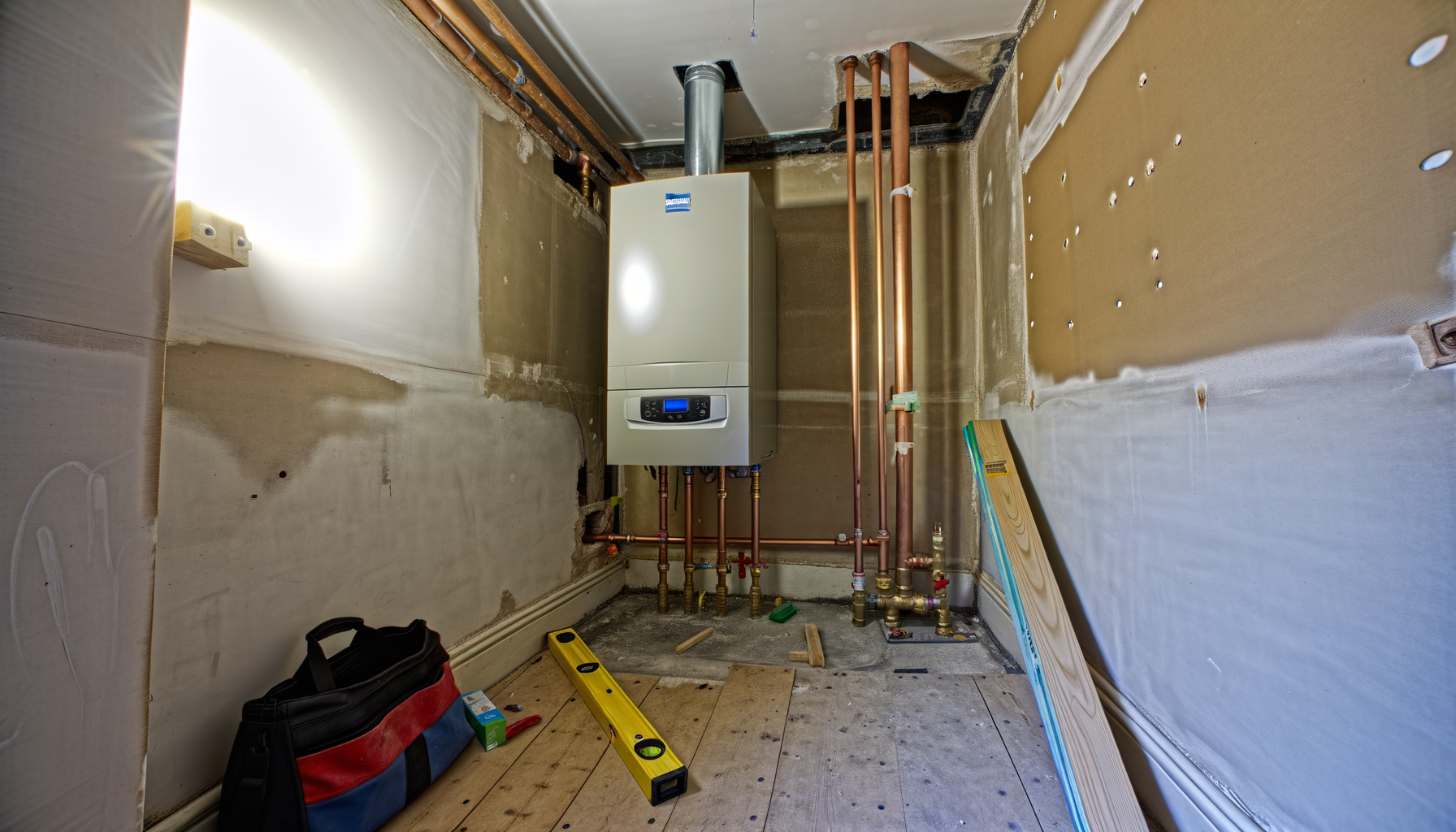
Not every home is ready for a full heat pump installation. Perhaps your house is poorly insulated and you cannot afford to upgrade it right now. Perhaps you have small radiators that would struggle with the lower flow temperatures a heat pump needs. Or perhaps you simply want to reduce your carbon footprint without going all-in on a technology you are not yet fully confident about.
A hybrid heat pump system might be the answer. It combines an air source heat pump with a gas boiler, using the heat pump when it is most efficient and switching to gas when conditions favour it. It is a pragmatic, middle-ground approach — and it is gaining popularity in the UK.
Find out if a hybrid or full heat pump saves you more
Enter your property details and get a personalised cost comparison in 60 seconds.
Calculate my savings →In this guide:
How Does a Hybrid Heat Pump System Work?
A hybrid system uses two heat sources — an air source heat pump and a gas boiler — controlled by a smart controller that decides which one to use at any given time. The decision is based on one or more of the following:
Temperature-Based Switching
The most common approach. The heat pump handles all heating when outside temperatures are above a certain threshold — typically around 2-5°C. Below that threshold, the system switches to the gas boiler, which can deliver higher flow temperatures more easily in very cold weather.
Cost-Based Switching
Some smart controllers compare the real-time cost of running the heat pump (electricity price x consumption) versus the gas boiler (gas price x consumption) and choose whichever is cheaper at that moment. This approach adapts automatically to changing energy prices.
Demand-Based Switching
When the heating demand is low — maintaining temperature on a mild day — the heat pump handles it easily. When demand spikes — warming the house from cold on a winter morning — the boiler kicks in to provide the rapid heat-up, then the heat pump takes over once the target temperature is reached.
In practice, most hybrid systems use a combination of these strategies. The controller learns your home's characteristics and optimises the switching point over time.
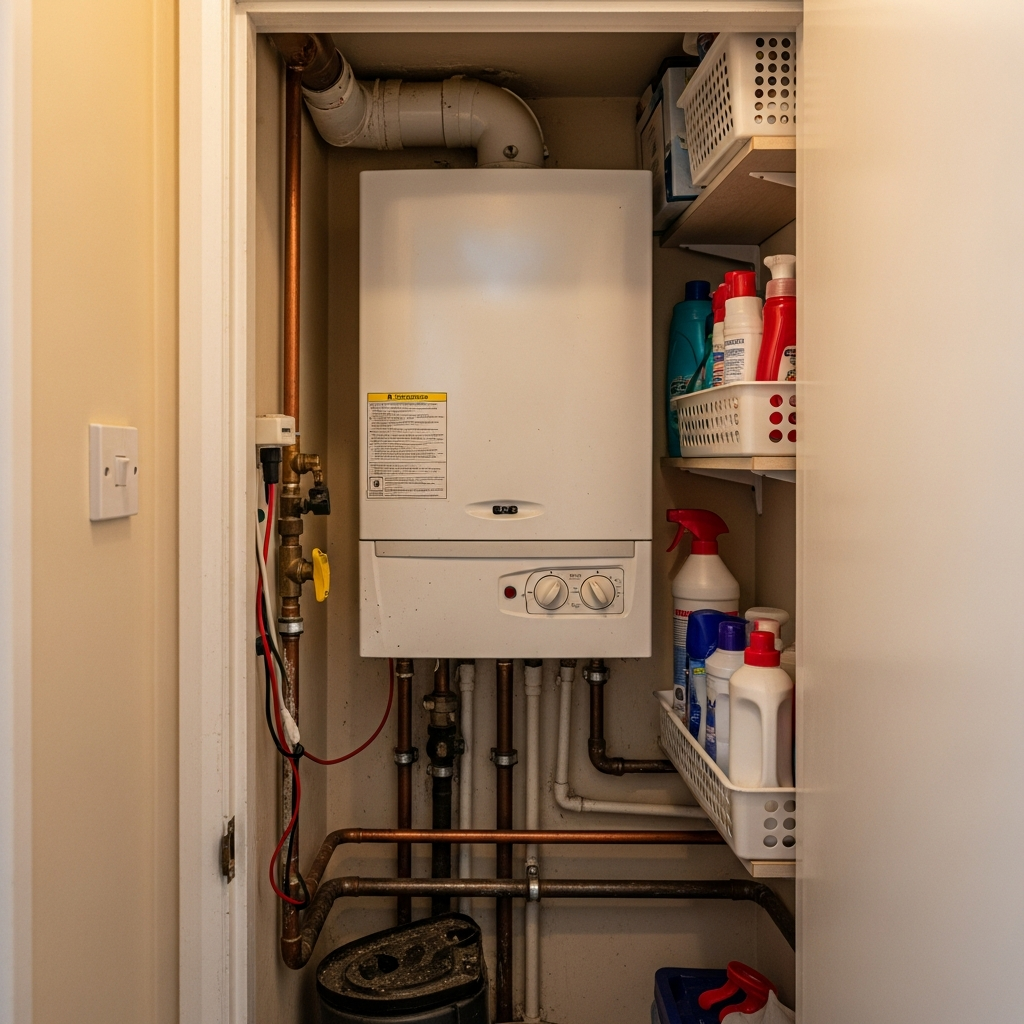
What Does a Hybrid System Cost?
Hybrid heat pump systems are generally cheaper than a standalone heat pump installation because the heat pump can be smaller (it does not need to handle the coldest days alone) and you may not need to upgrade radiators or insulation.
| Component | Cost Range |
|---|---|
| Hybrid heat pump unit (integrated) | £5,000–£9,000 |
| Installation | £2,000–£4,000 |
| Smart controller (if not integrated) | £300–£600 |
| Total installed cost | £7,000–£13,000 |
If adding a standalone heat pump to an existing working boiler, costs can be as low as £4,000–£8,000 for the heat pump element.
Compare these figures with the cost of a full standalone heat pump installation using our heat pump cost guide.
Is a Hybrid Heat Pump Eligible for a Grant?
This is where it gets complicated. The Boiler Upgrade Scheme (BUS) grant of £7,500 is available for heat pumps, but the eligibility of hybrid systems depends on the specific setup:
- Integrated hybrid units that are MCS-certified as a complete system may qualify — check the MCS product directory
- Retrofit hybrid setups (adding a heat pump alongside an existing boiler) generally do qualify, because the heat pump itself is a qualifying product — you are just choosing to keep the boiler as a backup rather than removing it
- The heat pump must be installed by an MCS-certified installer, and GOV.UK does not list an EPC as an eligibility condition
The key point: you do not have to remove your gas boiler to get the BUS grant. You need to install an eligible heat pump that is capable of heating the property. If you choose to keep the boiler as well, that is your decision.
Running Costs: Hybrid vs Gas Boiler vs Full Heat Pump
A hybrid system typically reduces gas consumption by 60-80% compared to running a gas boiler alone. The heat pump handles the majority of the heating season because most UK winter days are above the switching threshold.
The savings from a hybrid are real but smaller than a full heat pump. The advantage is lower upfront cost and less disruption. Over time, as electricity prices fall relative to gas (which is the government's stated direction of travel), the heat pump element of a hybrid system becomes increasingly favourable. Pairing with solar panels can further reduce the electricity portion of your bill.

Compare quotes from MCS-certified hybrid and heat pump installers
Get 3 free quotes →No obligation. No sales calls. We are not installers.
When Does a Hybrid Make Sense?
Your Home Is Hard to Insulate
Solid wall properties, listed buildings, and homes with large areas of single glazing have high heat loss. A standalone heat pump would need to be large and potentially struggle in the coldest weather without significant insulation upgrades. A hybrid avoids this by using gas for peak demand.
Your Radiators Are Small
Heat pumps work best with larger radiators or underfloor heating because they operate at lower flow temperatures than gas boilers. If replacing all your radiators is not practical or affordable, a hybrid lets you use the heat pump at lower outputs (where existing radiators cope fine) and switch to gas when higher temperatures are needed.
Your Gas Boiler Still Works
If your gas boiler has years of life left, a hybrid lets you get the benefits of a heat pump now while using up the remaining value in your boiler. When the boiler eventually fails, you can transition to a full heat pump system.
You Want a Stepping Stone
A hybrid system lets you experience heat pump technology without fully committing. You learn how it performs in your home, what the running costs are, and whether you are comfortable with it — all with the safety net of a gas boiler if needed.
For a direct comparison between heat pumps and gas boilers, read our heat pump vs gas boiler guide.
When Does a Hybrid NOT Make Sense?
- Your home is already well insulated — if your property has good insulation, double or triple glazing, and decent-sized radiators, a standalone heat pump will work well and a hybrid adds unnecessary complexity
- You are doing a major renovation — if you are upgrading insulation, replacing radiators, or installing underfloor heating anyway, go for a full heat pump and eliminate gas entirely
- You want to be off gas — if the goal is to eliminate your gas connection and go fully electric, a hybrid defeats the purpose
- You are on oil, not gas — for oil-heated homes, the economics strongly favour a full heat pump replacement over a hybrid, because oil is significantly more expensive than gas
Installation: What Is Involved?
Installing a hybrid system is generally less disruptive than a full heat pump installation:
- The outdoor heat pump unit is installed on a concrete pad or wall bracket, just like a standalone system
- Pipework connects the heat pump to your existing central heating circuit
- A smart controller is installed to manage switching between heat pump and boiler
- Your existing radiators, pipework, and hot water cylinder (if you have one) are typically retained
- Installation usually takes 1-2 days
You will still need an MCS-certified installer if you want to claim the BUS grant.
The Future of Hybrid Heat Pumps
The UK government's long-term aim is to eliminate gas heating entirely. The Future Homes Standard, in effect for new builds from 2025, effectively bans gas boilers in new homes. For existing homes, the transition will be slower, but the direction is clear.
Hybrid systems are widely seen as a transitional technology — a bridge between gas and fully electric heating. They make sense now for homes that are not yet ready for a full switch, but the expectation is that most hybrids will eventually become full heat pump systems as insulation improves, electricity prices fall relative to gas, and heat pump technology continues to advance.
That is not a criticism — it is pragmatism. If a hybrid gets you started on the transition now, rather than waiting five years for a full heat pump installation, the cumulative carbon savings are significant. Generating your own electricity with solar panels accelerates the economics further.
See if a hybrid or full heat pump is right for your home
Get free, no-obligation quotes from MCS-certified installers who can assess your property and recommend the best approach.
Get my free quotes →Free. No obligation. No sales calls from us.
Frequently Asked Questions
Can I get the BUS grant for a hybrid heat pump?
In many cases, yes. If the heat pump element is MCS-certified and installed by an MCS-certified installer, you can claim the £7,500 grant. Keeping your gas boiler as a backup does not disqualify you — the grant is for the heat pump, not for removing the boiler.
How much will a hybrid heat pump save on my gas bills?
A hybrid typically reduces gas consumption by 60-80%. For a household spending £1,000 per year on gas heating, you might reduce that to £200-£400 in gas, plus £300-£500 in electricity for the heat pump — a net saving of roughly £100-£300 per year.
Does a hybrid need a hot water cylinder?
It depends on the setup. If the heat pump handles hot water, yes — you will need a cylinder. If the gas boiler handles hot water (as a combi), you may not need one. Integrated hybrid units typically include hot water production from the heat pump.
Is a hybrid heat pump noisy?
The heat pump element operates at the same noise levels as a standalone unit — typically 40-50 dB at one metre. The gas boiler is no noisier than any standard boiler. Combined, the system is not significantly louder than either component alone.
Can I convert a hybrid to a full heat pump later?
Yes, and this is one of the key advantages. When your gas boiler reaches end of life, you can disconnect it and either upsize the heat pump or install a larger replacement. By that point, you will have real data on how the heat pump performs in your home, making the transition smoother.
How long does a hybrid heat pump last?
The heat pump element typically lasts 15-20 years with proper maintenance. The gas boiler has a separate lifespan — typically 12-15 years. Because the hybrid system reduces the load on both components, each may last longer than it would running independently.
About Hybrid Heat Pump Systems and the UK Energy Transition
Hybrid heat pump systems combine air source heat pump technology with traditional gas boilers to offer a practical transition path for UK homes. The Boiler Upgrade Scheme provides £7,500 towards eligible installations, and the government’s Future Homes Standard signals the eventual phase-out of gas heating. Combining a hybrid or full heat pump with solar panels maximises savings and energy independence. This guide is part of our resource hub covering heat pump costs, running costs, and installation for UK homeowners.