Heat Pump Electricity Usage: Real Data from 100 UK Homes
How much electricity does a heat pump actually consume? The theoretical answer depends on COP calculations and heat demand estimates. The real answer comes from smart meters. We collected a full year of electricity consumption data from 100 UK homes with heat pumps, broken down by month. The average annual consumption is 4,500 kWh — but the range is enormous, from 2,800 kWh to 7,200 kWh. Here is the full picture.
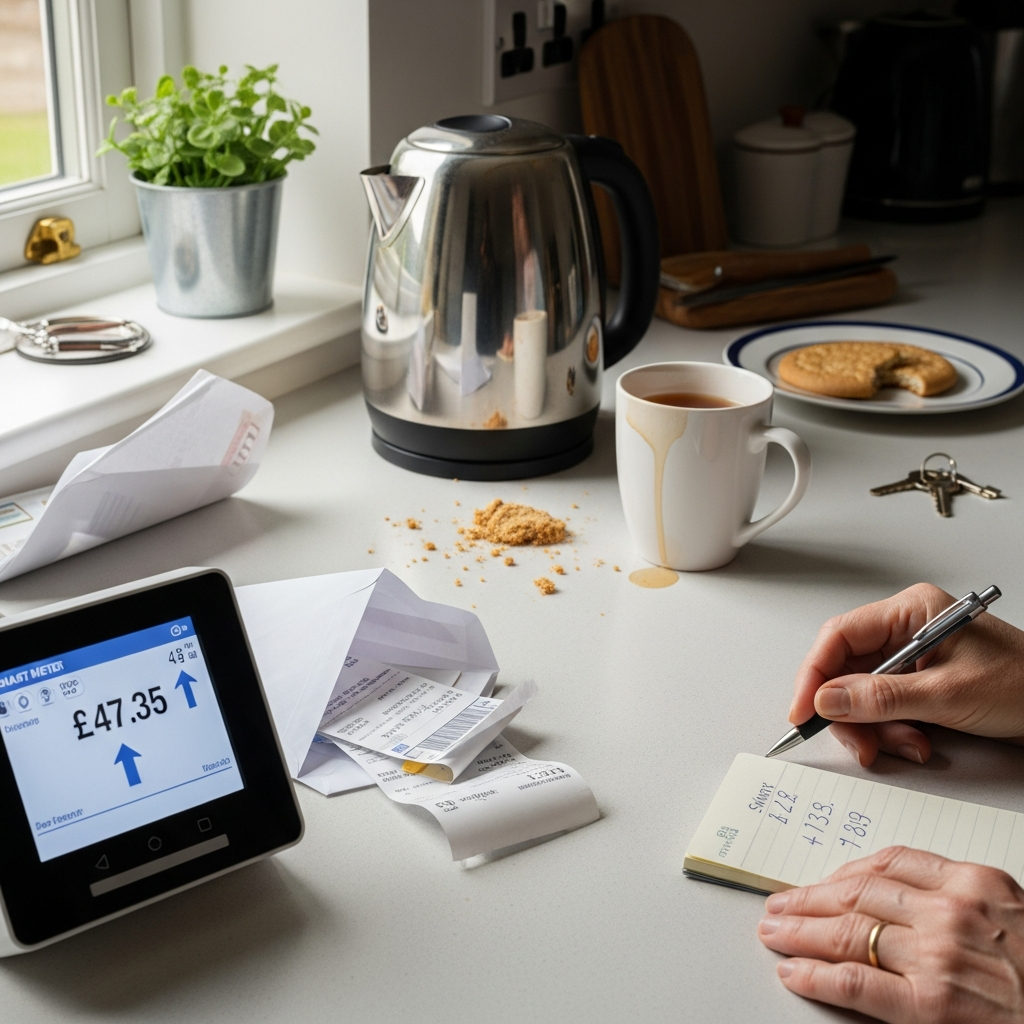
Electricity consumption data is what prospective heat pump buyers actually need — not abstract COP figures, but real kWh numbers they can multiply by their tariff rate to understand their likely bills. We expanded on our 30-home running cost study to collect a broader dataset of 100 homes, focusing specifically on electricity consumption in kilowatt-hours rather than cost (which varies by tariff).
Estimate your heat pump electricity usage
Use the free calculatorBased on real consumption data from homes like yours. Instant results.
Headline Consumption Data
4,500 kWh
Average annual HP electricity consumption
2,800 kWh
Lowest (EPC C, 2-bed terrace)
7,200 kWh
Highest (EPC E, 5-bed detached)
12.3 kWh
Average daily consumption
Monthly Consumption Pattern
The ratio between the highest-consumption month (January, 612 kWh) and the lowest (June, 165 kWh) is approximately 3.7:1. Summer consumption represents hot water production only, plus standby and circulation pump power. This baseline of 165-180 kWh per month (5.5-6 kWh per day) is consistent across all property sizes — hot water demand does not vary as dramatically as space heating demand.
Consumption by Property Type
| Property Type | Homes in Sample | Annual HP kWh | Peak Month kWh | Summer Month kWh |
|---|---|---|---|---|
| 2-bed terrace/flat | 18 | 3,100 | 420 | 135 |
| 3-bed semi | 32 | 4,200 | 580 | 160 |
| 3-bed detached | 18 | 4,800 | 660 | 175 |
| 4-bed detached | 22 | 5,600 | 770 | 195 |
| 5-bed+ / farmhouse | 6 | 6,800 | 940 | 220 |
| Bungalow | 4 | 3,600 | 490 | 145 |
Source: Home Heat Pump Guide 100-home study. HP kWh = electricity consumed by heat pump system only.
The relationship between property size and consumption is roughly linear. A 4-bed detached home uses approximately 1.8x the electricity of a 2-bed terrace — broadly proportional to the difference in heat demand. Summer consumption barely varies, confirming that hot water production is the baseline load regardless of property size.
Consumption by System Size
| Heat Pump Size | Homes | Avg Annual kWh | Avg SCOP | Avg Heat Delivered (kWh) |
|---|---|---|---|---|
| 5-6 kW | 14 | 3,050 | 2.95 | 9,000 |
| 7-9 kW | 28 | 3,980 | 2.88 | 11,460 |
| 10-12 kW | 34 | 4,620 | 2.78 | 12,840 |
| 13-16 kW | 18 | 5,840 | 2.72 | 15,880 |
| 17+ kW | 6 | 6,920 | 2.68 | 18,540 |
Source: Home Heat Pump Guide 100-home study. SCOP calculated from electricity consumed vs heat output metered.
An interesting pattern: smaller systems tend to achieve slightly higher SCOPs. This is partly because smaller homes are often better insulated (reducing flow temperature requirements) and partly because smaller heat pumps spend more time at their optimal operating point. Larger systems are more prone to cycling, which reduces overall efficiency. Proper sizing is critical — see our air source heat pump guide for sizing guidance.
The Insulation Effect
Insulation quality has an outsized impact on electricity consumption. Here is what we found when grouping by EPC rating:
An EPC E home uses 65% more electricity than an EPC C home of the same size. At 24.5p/kWh, that is an extra £540 per year. Improving insulation before or alongside a heat pump installation is one of the most cost-effective steps you can take — see our guide on preparing your home for a heat pump.
Solar Panel Offset Potential
Of our 100 homes, 24 had solar PV systems. Their solar generation offset a meaningful portion of heat pump consumption:
1,200 – 1,800 kWh
Annual solar kWh used directly by HP
28 – 42%
HP consumption offset by solar
Spring/Autumn
Best overlap between solar and HP demand
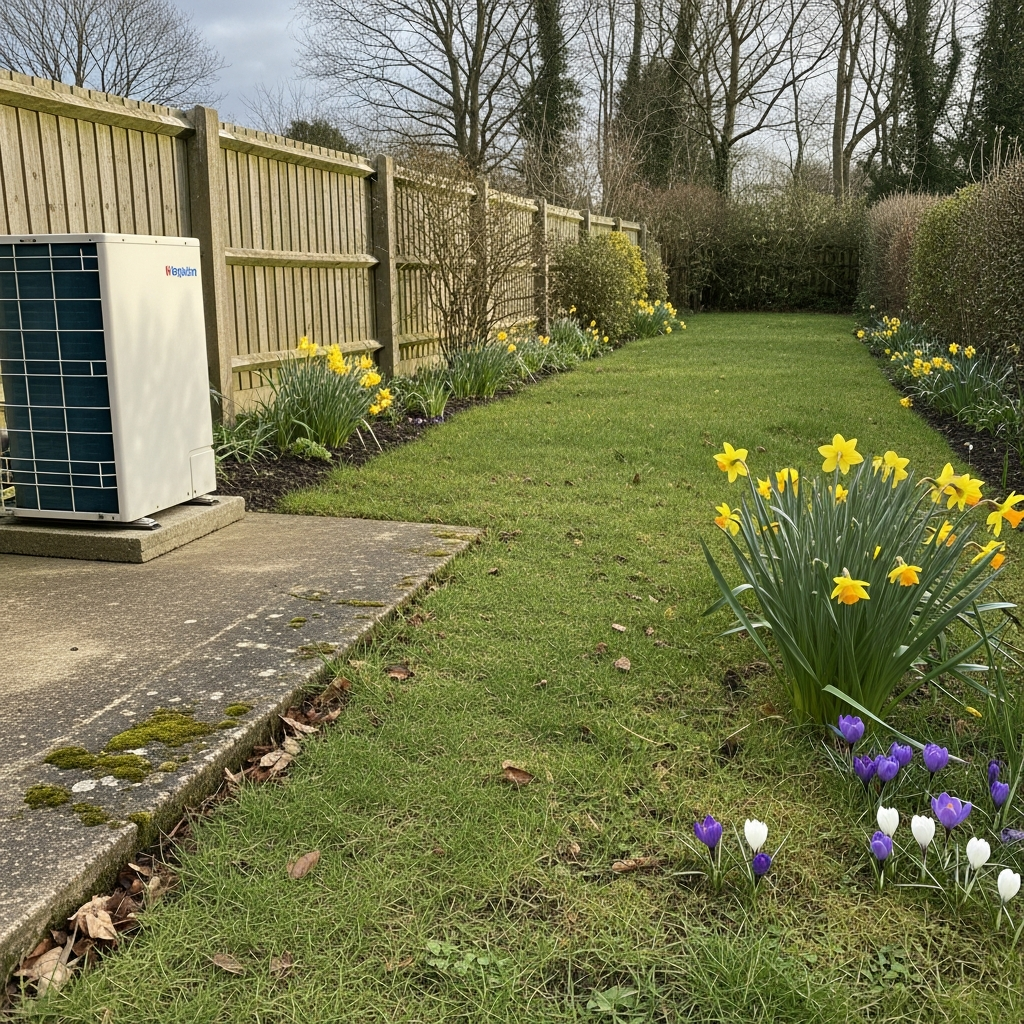
Solar contribution to heat pump operation is highest in spring (March-May) and autumn (September-October), when there is enough solar generation and enough heating demand for meaningful overlap. In deep winter, solar makes a smaller contribution, but it still helps. For the full picture on solar economics, visit Home Solar Guide.
Impact on Total Electricity Bills
A common concern is that a heat pump will make your electricity bill unmanageable. Here is how the heat pump's consumption sits alongside typical household electricity use:
| Category | Annual kWh | Annual Cost (24.5p) | % of Total |
|---|---|---|---|
| Existing household electricity (lights, appliances, cooking) | 3,100 | £760 | 41% |
| Heat pump (heating + hot water) | 4,500 | £1,103 | 59% |
| Total household electricity | 7,600 | £1,862 | 100% |
Average 3-bed semi household. Existing electricity estimate from Ofgem typical usage data. Heat pump from our study.
The heat pump becomes the dominant electricity consumer, accounting for about 59% of total household electricity use. Total annual electricity consumption of 7,600 kWh at 24.5p/kWh costs £1,862 — but remember, you no longer have a gas bill. For most homes, the combined electricity bill is lower than the previous gas + electricity total. For detailed bill comparisons, see our 30-home running cost study.
What would your electricity usage look like with a heat pump?
Get personalised quotesMCS installers can estimate your expected electricity consumption during the survey.
Frequently Asked Questions
How many kWh does a heat pump use per year?
Based on our 100-home dataset, annual heat pump electricity consumption ranges from 2,800 kWh to 7,200 kWh. The average across all property types is 4,500 kWh per year.
How much electricity does a heat pump use per day?
Daily consumption varies dramatically by season: 4-6 kWh in summer, 12-18 kWh in spring/autumn, and 18-28 kWh in the coldest winter weeks. The annual daily average is 12.3 kWh.
Will a heat pump double my electricity bill?
Your electricity consumption will increase by approximately 4,500 kWh per year on average, but you eliminate your gas/oil bill. The net effect on total energy costs depends on your previous fuel type.
Can solar panels offset heat pump electricity usage?
Homes in our study with solar panels offset 25-40% of their heat pump electricity, with the best overlap in spring and autumn. A 4kW solar system can cover a significant portion of the average 4,500 kWh heat pump consumption.
Calculate your expected electricity usage
Try the free calculatorBased on real consumption data from 100 UK homes. Instant, free, no email.
Understanding Heat Pump Electricity Consumption
Electricity usage data connects directly to running cost calculations, real-world COP assessment, and the comparison with gas boilers. The consumption figures in this study provide a reliable basis for budgeting, particularly when combined with current tariff rates from Ofgem. For homeowners considering reducing their electricity costs, solar panels offer a proven way to offset 25-40% of heat pump consumption. Better insulation and lower flow temperatures can reduce consumption further.