Heat Pump for a Cottage: A Complete Guide
Cottages are among the most characterful homes in Britain — and often among the most challenging to heat. Thick stone walls, draughty windows, low ceilings, and rural locations off the mains gas grid all create a unique set of circumstances. The good news is that these very same characteristics can make a cottage an excellent candidate for a heat pump, particularly if it is currently heated by oil, LPG, or electric storage heaters.
This guide covers everything cottage owners need to know: how stone walls affect heat pump performance, why insulation is critical (and what you can do without compromising character), whether air source or ground source is the better choice, and what the real-world costs and savings look like.
Why Cottages Are Great Heat Pump Candidates
It might seem counterintuitive. Cottages are old, often poorly insulated, and built long before anyone thought about energy efficiency. But several factors work in their favour.
Off-grid advantage
The majority of rural cottages are not connected to the mains gas network. They typically rely on oil, LPG, or electric heating — all of which are expensive. A cottage owner paying £2,500 to £3,500 per year for oil heating will almost certainly save money from day one with a heat pump. The BUS grant of £7,500 makes the upfront cost manageable, and the running cost savings can be dramatic.
By contrast, the savings case for switching from mains gas is currently more marginal. Cottage owners on oil or LPG are in the sweet spot for heat pump economics.
Thermal mass of stone walls
Thick stone walls are poor insulators — they let heat escape readily. But they also have enormous thermal mass, meaning they store heat slowly and release it slowly. A heat pump, which delivers steady, gentle warmth over long periods rather than blast-and-cool cycles, is actually well suited to this characteristic. Once the stone walls are warm, they stay warm and radiate heat back into the rooms, creating a very comfortable internal environment.
Smaller footprint
Many cottages are relatively small — two or three bedrooms with compact rooms. This means the heat pump can be modest in size, keeping costs down. A well-insulated two-bedroom cottage might need as little as 4 to 6 kW — one of the smallest and most affordable systems available.
Rural space
Rural cottages almost always have garden space — often substantial gardens. This is ideal for placing an air source unit with no noise concerns (the nearest neighbour may be 50 metres away), and large gardens make ground source systems feasible and affordable.
The Insulation Challenge
Insulation is the single biggest consideration for any cottage heat pump project. Without addressing it, you will need a larger, more expensive heat pump, and it will cost more to run. The challenge is doing it without destroying the character that makes your cottage special.
Stone walls
Most cottages have solid stone walls, typically 400mm to 600mm thick. These walls have no cavity to fill, so the options are internal wall insulation (IWI) or external wall insulation (EWI).
Internal wall insulation involves adding insulation boards and a new plaster finish to the inside of external walls. This reduces room sizes (typically by 50mm to 100mm per wall) and can affect internal features like window reveals, skirting boards, and fireplaces. It also needs careful detailing to avoid trapping moisture in the stone wall — a real risk if breathable materials are not used. Lime plaster insulation systems are specifically designed for stone buildings and allow moisture to pass through naturally.
External wall insulation preserves internal room sizes and character but changes the external appearance completely. For a rendered or plastered cottage, this may be acceptable. For a beautiful exposed stone cottage, it is usually unthinkable — and will likely be refused by planning if the cottage is listed or in a conservation area.
A pragmatic approach for many cottage owners is to accept that the walls will remain uninsulated and focus on every other aspect of the thermal envelope instead. Many cottages operate perfectly well with heat pumps without wall insulation — you simply need a slightly larger system.
Roof and loft insulation
This is where you can make the biggest gains with the least disruption. Many cottages have inadequate loft insulation or none at all. Adding 270mm of mineral wool in the loft is cheap (£300 to £600), highly effective, and invisible. For rooms in the roof (common in cottages), insulating between and under the rafters is more involved but still very worthwhile.
Windows and doors
Original cottage windows — whether single-glazed timber sashes or small casements — are often draughty and thermally poor. Options include secondary glazing (which preserves the original windows), draught-proofing (surprisingly effective), or replacement with sympathetic double-glazed units that match the original style. For listed cottages, secondary glazing is usually the preferred approach and can reduce window heat loss by 50% or more.
Floor insulation
Cottage floors vary enormously — flagstones on earth, suspended timber, concrete screed, or a mixture. Insulating a flagstone floor is difficult without raising the floor level, which may not be practical in rooms with low ceilings. Suspended timber floors can be insulated from below if there is a crawl space. In some cases, the best approach is simply to improve draught-proofing around the floor edges and accept some heat loss through the floor.
Air Source vs Ground Source for Cottages
Both systems work well in cottages, but the choice depends on your specific circumstances.
Air source heat pumps
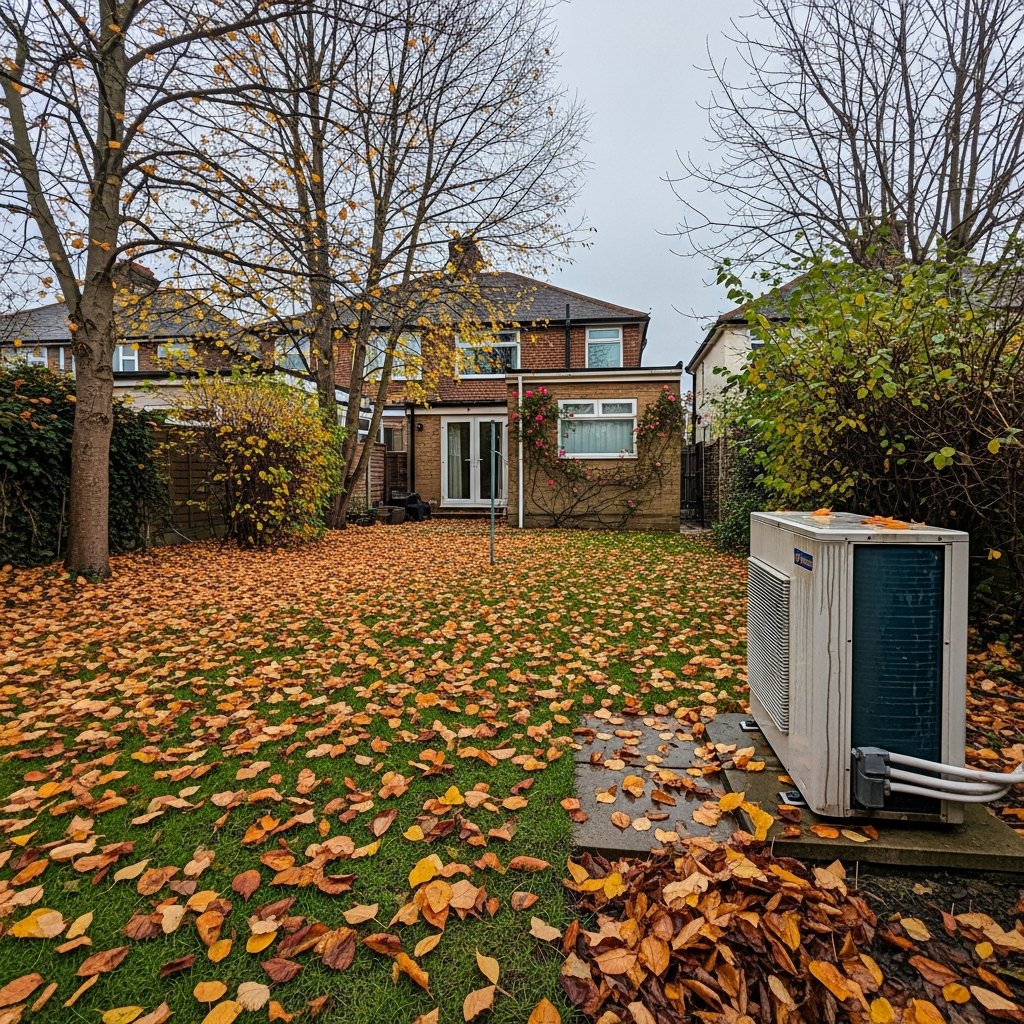
The most popular choice for cottages due to lower upfront cost and simpler installation. A compact air source unit can be positioned in the garden or against an outbuilding wall. In a rural setting with no close neighbours, noise is not a concern at all. Typical cost: £10,000 to £14,000 installed, reduced to £2,500 to £6,500 after the BUS grant.
Ground source heat pumps
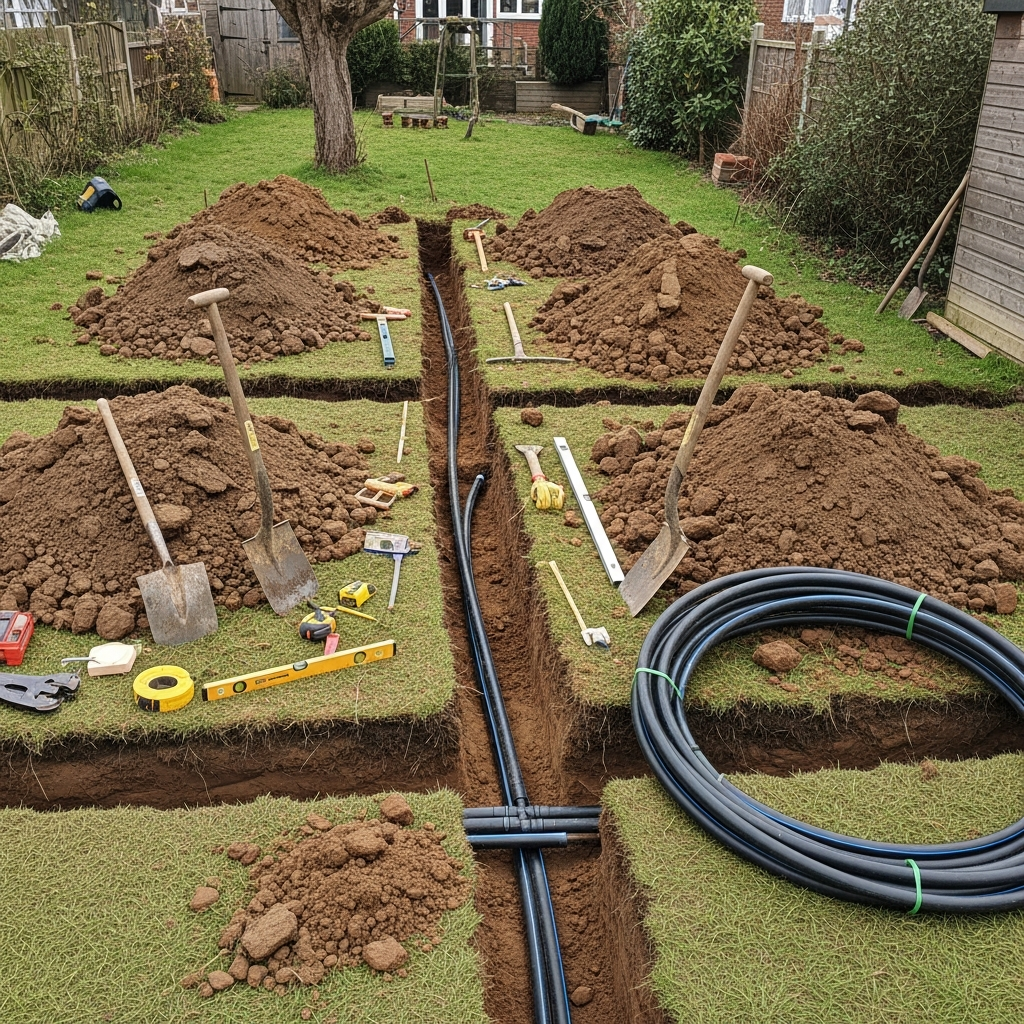
An excellent choice if you have the budget and garden space. Rural cottages often have large gardens or adjacent land where horizontal loops can be trenched or boreholes drilled. Ground source is more efficient (SCOP 3.5 to 4.5) and completely silent. For listed cottages where an outdoor air source unit might be visually intrusive, ground source avoids this issue entirely — nothing is visible above ground once installed.
Typical cost: £20,000 to £35,000 installed, reduced to £12,500 to £27,500 after the BUS grant. The higher upfront investment is offset by lower running costs, particularly for cottages on expensive fuels like oil or LPG.
The off-grid cottage consideration
Some very remote cottages may have limited electricity supplies. A heat pump draws 2 to 5 kW of electricity, which most rural supplies can handle. However, if your cottage has a single-phase supply with low capacity, check with your electricity distributor before committing. Upgrades to rural supplies can sometimes take months to arrange, so start the process early.
Radiators and Heat Distribution
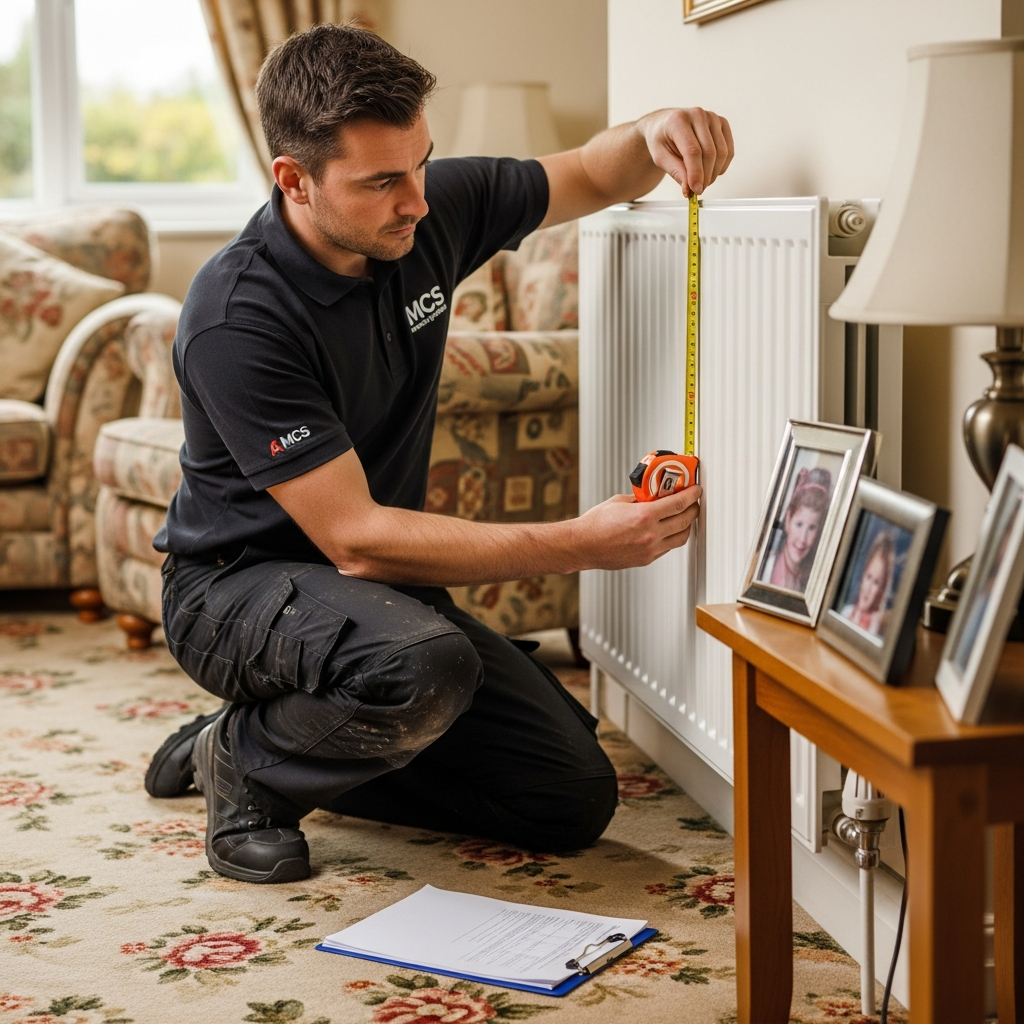
Cottages often have a mix of old radiators, possibly a wood-burning stove, and sometimes underfloor heating in extensions. A heat pump works best at lower flow temperatures than a traditional boiler, which means your existing radiators may need attention.
In a cottage, the thick walls and solid floors have significant thermal mass, which works well with a heat pump's steady heat output. Upgrading some radiators to larger models is typically needed — but not all of them. Your installer will calculate the required output for each room and identify which radiators are adequate and which need replacing.
If you are renovating, underfloor heating is the ideal partner for a heat pump in a cottage. It runs at very low temperatures (25 to 35 degrees Celsius), maximising heat pump efficiency, and it heats stone or tile floors that can feel cold underfoot — a common complaint in old buildings.
Listed Cottages and Conservation Areas
Many cottages are listed buildings or located in conservation areas, which adds a layer of planning regulation to any heat pump installation.
Listed building consent
An air source heat pump on a listed building requires listed building consent. This does not mean it will be refused — it means you need to apply and demonstrate that the installation does not harm the building's special character. Positioning the unit out of sight (behind an outbuilding, in a walled garden, or at the rear of the property) and running pipework discreetly usually satisfies conservation officers.
Conservation areas
In a conservation area, the permitted development rights for air source heat pumps may be restricted. Check with your local planning authority. Again, a sensitively positioned installation is usually approved without difficulty.
Ground source advantage
Ground source heat pumps generally face fewer planning obstacles for listed buildings and conservation areas because there is no visible outdoor equipment. The indoor unit sits in a plant room or utility area, and the boreholes or ground loops are invisible once complete. This makes ground source the lower-hassle option from a planning perspective.
Costs and Savings for Cottage Heat Pump Installations
Installation costs
- Air source (2-3 bed cottage): £9,000 to £13,000 installed
- Ground source with boreholes: £20,000 to £32,000 installed
- Ground source with horizontal loops: £16,000 to £25,000 installed
- Radiator upgrades: £400 to £1,200
- BUS grant deduction: -£7,500
Running cost savings
The savings depend on what you are currently paying for heating:
- Replacing oil heating: Save £800 to £1,500 per year
- Replacing LPG heating: Save £1,000 to £2,000 per year
- Replacing electric storage heaters: Save £500 to £1,200 per year
These are substantial annual savings that make the payback period for a cottage heat pump relatively short — often five to eight years after the grant, compared with ten to fifteen years for a home switching from mains gas.
Frequently Asked Questions
Will a heat pump keep a stone cottage warm in winter?
Yes. The key is that a heat pump runs continuously at a low level rather than blasting heat and switching off. This keeps stone walls warm and the rooms at a steady, comfortable temperature. Many cottage owners find the constant gentle warmth more comfortable than the fluctuating temperatures they had with oil or LPG boilers.
Do I need to insulate my cottage walls before installing a heat pump?
Wall insulation is beneficial but not always essential or practical. Many cottages have heat pumps without wall insulation. Focus on loft insulation, windows, and draught-proofing first — these deliver the best improvements with the least disruption. If wall insulation is feasible, use breathable materials designed for solid stone construction.
Can I keep my wood-burning stove alongside a heat pump?
Absolutely. A wood burner and a heat pump complement each other well. The heat pump provides reliable background warmth throughout the house, while the wood burner adds a boost of cosy heat on the coldest evenings. Just make sure your installer accounts for the stove's output when designing the system — you do not want the heat pump fighting the stove.
Is ground source worth the extra cost for a cottage?
If you have the garden space and budget, ground source is an excellent choice for a cottage. The higher efficiency means lower running costs, which compounds over the system's long lifespan. For listed cottages, the absence of an outdoor unit is a significant planning advantage. And in exposed rural locations, ground source maintains its efficiency regardless of air temperature.
What about very remote cottages with weak electricity supplies?
Most rural single-phase supplies (100 amp) can comfortably power a heat pump. If your supply is particularly limited, contact your electricity distributor (not your energy supplier) to discuss an upgrade. In the meantime, a smaller heat pump combined with good insulation can stay within your existing supply capacity.
How noisy will an air source heat pump be?
Modern air source heat pumps produce around 40 to 50 decibels at one metre — similar to a fridge. In a rural setting, this is barely noticeable over natural sounds like wind and birdsong. If you are particularly concerned about noise, ground source is completely silent.