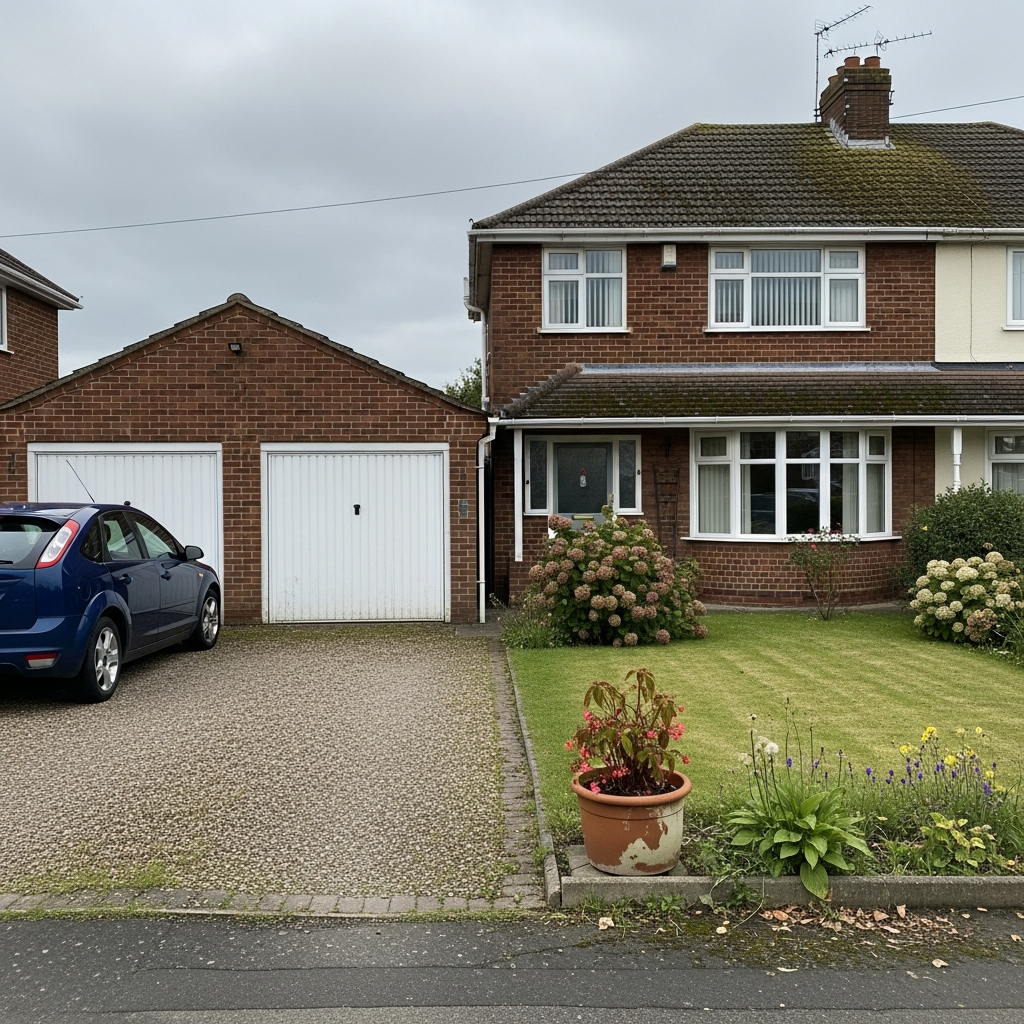
Heat Pump Cost for a 4-Bed Detached House
A four-bedroom detached house is the property type where heat pumps can deliver the largest absolute savings — but also where installation costs are highest. Larger floor areas, more exposed walls (detached properties lose heat on all four sides), and higher heat demands mean bigger systems and more work. But the BUS grant is a flat £7,500 regardless of property size, and the proportionally higher running cost savings for larger homes mean the investment often makes strong financial sense.
This guide covers everything specific to 4-bed detached properties: system sizing, realistic cost ranges, running costs, and what makes these installations different from smaller homes.
What Size Heat Pump for a 4-Bed Detached?
Four-bedroom detached houses in the UK typically range from 120m2 to 200m2, with significant variation in construction and insulation. Heat pump sizing depends on the property's total heat loss:
- Modern well-insulated (post-2000, Building Regs compliant): 8-10kW heat pump, 12,000-16,000 kWh annual heat demand
- Average insulation (1970s-2000s, cavity walls insulated, double glazed): 10-13kW heat pump, 16,000-22,000 kWh annual heat demand
- Older or poorly insulated (pre-1970s, solid walls, mixed glazing): 13-16kW heat pump, 22,000-30,000 kWh annual heat demand
- Large period property (Victorian/Edwardian, 200m2+): 14-18kW heat pump (may need two units), 25,000-40,000 kWh annual heat demand
The key difference with detached properties is that all four walls are exposed to the elements. A semi loses heat through three walls and a terrace through two, but a detached house has no benefit from shared walls. This, combined with the larger floor area, drives significantly higher heat demands.
Use our calculator for an initial sizing estimate, though a proper installer survey with room-by-room heat loss calculations is essential for accurate sizing.
Installation Cost Breakdown
Standard Installation (Replacing Gas Boiler)
- Heat pump unit (10-16kW): £6,000-£10,000
- Hot water cylinder (250-300 litres): £1,200-£2,000
- Installation labour (3-5 days): £3,500-£6,000
- Ancillaries (buffer tank, pipework, valves, controls): £1,000-£2,000
- Electrical work: £400-£800
- Commissioning and MCS registration: £200-£400
- Total before grant: £12,000-£18,000
- After BUS grant (£7,500): £4,500-£10,500
With Radiator Upgrades
Larger properties have more radiators, so upgrades cost more if needed:
- Partial upgrades (4-6 radiators): add £1,500-£3,500
- Full replacement (10-14 radiators): add £4,000-£7,000
With Insulation Improvements
- Loft insulation top-up: £400-£800 (larger loft area)
- Cavity wall insulation: £1,000-£2,000
- External wall insulation (solid walls): £8,000-£15,000
External wall insulation for solid-wall detached properties is expensive but can reduce heat demand by 30-40%, allowing a smaller heat pump and significantly lower running costs. It often makes sense to do this alongside the heat pump installation. For a comprehensive overview of all costs, see our heat pump cost guide.
Running Costs
Using a seasonal COP of 3.0 and the standard electricity rate of 24.50p/kWh:
Well-Insulated 4-Bed Detached (14,000 kWh Heat Demand)
- Electricity consumed: 4,667 kWh
- Annual cost: £1,143
- With TOU tariff (18p/kWh): £840
Average 4-Bed Detached (19,000 kWh Heat Demand)
- Electricity consumed: 6,333 kWh
- Annual cost: £1,552
- With TOU tariff (18p/kWh): £1,140
Poorly Insulated 4-Bed Detached (26,000 kWh Heat Demand)
- Electricity consumed: 8,667 kWh
- Annual cost: £2,123
- With TOU tariff (18p/kWh): £1,560
Comparison with Gas
For the average 4-bed detached (19,000 kWh heat demand):
- Gas boiler annual cost: approximately £1,350-£1,550 (including standing charge and service)
- Heat pump annual cost (standard tariff): approximately £1,650-£1,700 (including service)
- Heat pump annual cost (TOU tariff): approximately £1,240-£1,290
On a standard tariff, the heat pump costs slightly more than gas for a large property. With a time-of-use tariff, it costs slightly less. The financial case depends heavily on tariff choice and whether the electricity-to-gas price ratio improves as expected. For a full comparison, see our running costs guide.
Comparison with Oil and LPG
Detached properties in rural areas often use oil or LPG. The savings here are much more significant:
- Oil annual cost (19,000 kWh): approximately £1,500-£1,800
- LPG annual cost (19,000 kWh): approximately £1,800-£2,200
- Heat pump saving vs oil: £200-£560 per year
- Heat pump saving vs LPG: £500-£960 per year
Specific Considerations for Large Properties
Single Unit vs Two Units
Properties needing more than 14-16kW of heating capacity may benefit from two smaller heat pumps rather than one large one. Two 8kW units can be more efficient than a single 16kW unit because each can modulate independently, and on milder days only one needs to run. The installation cost is higher, but the efficiency gain and redundancy (if one fails, the other still provides some heating) can justify it.
Underfloor Heating
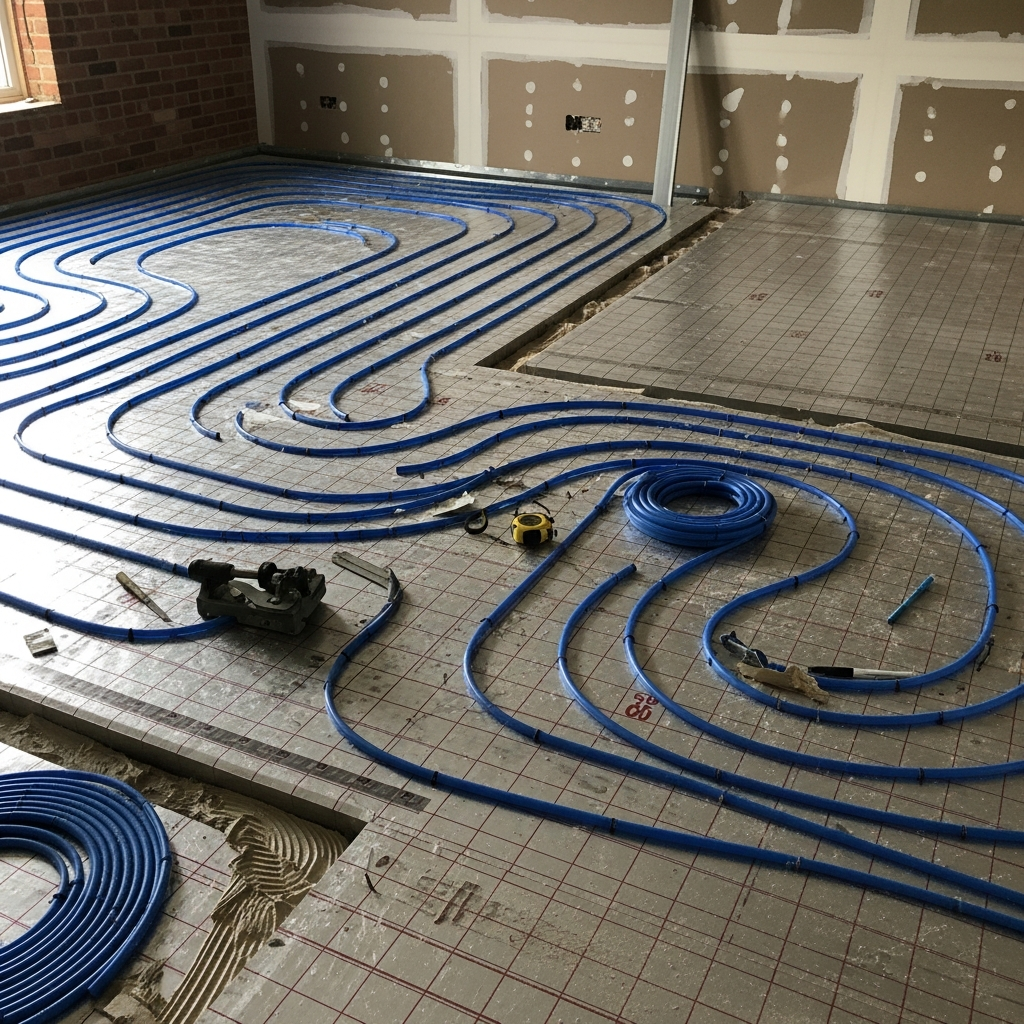
If your 4-bed detached has underfloor heating (common in modern builds and extensions), it is ideal for heat pumps. Underfloor heating operates at very low flow temperatures (30-40°C), which maximises the heat pump's COP. Properties with a mix of underfloor heating downstairs and radiators upstairs can use zone controls to optimise flow temperatures for each system.
Hot Water Demand
Larger households typically have higher hot water demand. A 250-300 litre cylinder is standard for a 4-bed detached. If you have multiple bathrooms with power showers, you may need a 300-litre or even 350-litre cylinder to ensure adequate hot water. Discuss your usage patterns with the installer.
Electrical Supply
Larger heat pumps (12kW+ thermal output) draw more electrical power. Most operate within a single-phase 100A supply, but some larger systems or dual-unit installations may require a supply upgrade or three-phase connection. Your installer will assess this during the survey. If an upgrade is needed, it typically costs £500-£1,500 through your electricity distributor.
Garden Space
Detached properties almost always have ample outdoor space for the heat pump unit. The main consideration is placement — close enough to minimise pipework runs (which reduces cost and heat loss) but far enough from bedrooms and neighbours to minimise noise impact. Our installation guide covers placement best practices.
The Investment Case for 4-Bed Detached
Replacing Gas
- Net cost after grant: £4,500-£10,500
- Annual saving: -£100 to +£300 (depending on tariff)
- Avoided future boiler replacement: £3,000-£5,000
- EPC improvement: Potentially one grade (e.g., D to C)
- Property value benefit: Estimated 1-3% increase
- Payback: 8-20+ years on running cost savings alone; much shorter when factoring in avoided boiler cost and property value
Replacing Oil
- Net cost after grant: £4,500-£10,500
- Annual saving: £200-£560
- Avoided future boiler replacement: £3,500-£5,500
- Payback: 8-15 years on running costs; 4-8 years with avoided boiler
Replacing LPG
- Net cost after grant: £4,500-£10,500
- Annual saving: £500-£960
- Avoided future boiler replacement: £3,000-£4,500
- Payback: 5-12 years on running costs; 2-6 years with avoided boiler
The investment case is strongest for oil and LPG users, where significant running cost savings combine with the BUS grant. For gas users, the case is more about future-proofing and avoiding the fossil fuel lock-in of a new gas boiler. Read our full analysis on whether heat pumps are worth it.
Frequently Asked Questions
Is a 4-bed detached too big for a heat pump?
No. Heat pumps are available in sizes up to 20kW+ for residential use, and two units can be installed for very large properties. Well-insulated 4-bed detached homes are straightforward. Older, poorly insulated properties may benefit from insulation improvements alongside the heat pump, but they are certainly not too big.
Will a single heat pump heat all four bedrooms adequately?
Yes, provided the system is correctly sized. A 10-14kW heat pump with properly sized radiators in every room will maintain comfortable temperatures throughout, including upstairs bedrooms. The key is the initial heat loss calculation and system design, not the number of rooms.
Do I need a bigger hot water cylinder for a 4-bed house?
Typically, yes. A 250-300 litre cylinder is recommended for a 4-bed detached, compared to 150-200 litres for smaller properties. This ensures adequate hot water for multiple bathrooms and higher occupancy. The cylinder is a modest additional cost (£200-£400 more than a smaller one).
What about a ground source heat pump for a large property?
Ground source heat pumps are worth considering for larger properties where garden space allows borehole drilling or horizontal ground loops. They are more expensive to install (£15,000-£25,000 before grant) but achieve higher COP values (3.5-4.5) because ground temperatures are more stable than air. The BUS grant for ground source is also £7,500. See our ground source guide for more.
Can I zone the heating in a large house with a heat pump?
Yes. Zoning — controlling heating independently in different areas of the house — works with heat pumps, though it requires careful design. Motorised zone valves and a buffer tank allow different areas to be at different temperatures. However, heat pumps prefer to run steadily rather than cycling on and off, so zoning should be used to fine-tune temperatures rather than to switch areas on and off entirely.
How much disruption should I expect?
For a 4-bed detached, expect 3-5 days of installation work. This includes the outdoor unit, internal pipework modifications, cylinder installation, electrical connections, and commissioning. If extensive radiator upgrades are needed, add 2-3 days. The work is no more disruptive than a major boiler replacement — mainly in the utility area, loft, and the rooms where radiators are being changed. Use our quote service to get started with MCS-certified installers in your area.