Can You Have a Heat Pump and Gas Boiler Together?
Yes, you can. A system that combines a heat pump with a gas boiler is called a hybrid heating system, and it is a genuinely practical option for certain UK homes. Rather than choosing one technology over the other, a hybrid uses both — with the heat pump doing most of the work and the gas boiler stepping in when conditions make it less efficient.
This guide explains how hybrid systems work, what they cost, who they suit, and whether the compromises are worth it compared to going fully to a heat pump or sticking with a boiler.
How Does a Hybrid Heating System Work?
A hybrid system connects an air source heat pump and a gas boiler to the same central heating circuit. An intelligent controller decides which heat source to use at any given moment, based on factors such as:
- Outside temperature: The heat pump handles heating when outdoor temperatures are moderate (roughly above 2°C to 5°C). When temperatures drop below a set threshold, the gas boiler takes over or supplements the heat pump.
- Energy prices: Some controllers can factor in the relative cost of gas versus electricity, choosing whichever fuel is cheaper at that moment.
- Heating demand: For high-demand situations (rapidly heating a cold house, or providing hot water while also heating), the boiler can boost the heat pump's output.
The Switchover Point
The key concept in a hybrid system is the "bivalent point" — the outside temperature at which the system switches from heat pump to boiler (or uses both together). In a well-configured system:
- Above the bivalent point: the heat pump runs alone
- Near the bivalent point: both may run together
- Below the bivalent point: the boiler takes over
In the UK climate, a bivalent point of around 2°C to 3°C means the heat pump handles heating for roughly 80 to 90 per cent of the year. The boiler only fires up during the coldest winter days and for occasional hot water boosting.
Types of Hybrid System
Integrated Hybrid Systems
Some manufacturers sell purpose-built hybrid systems where the heat pump and boiler are designed as a single package. Brands like Daikin (Altherma Hybrid) and Vaillant offer these. The components are pre-matched, the controller is built in, and installation is relatively straightforward.
Retrofit Hybrid Systems
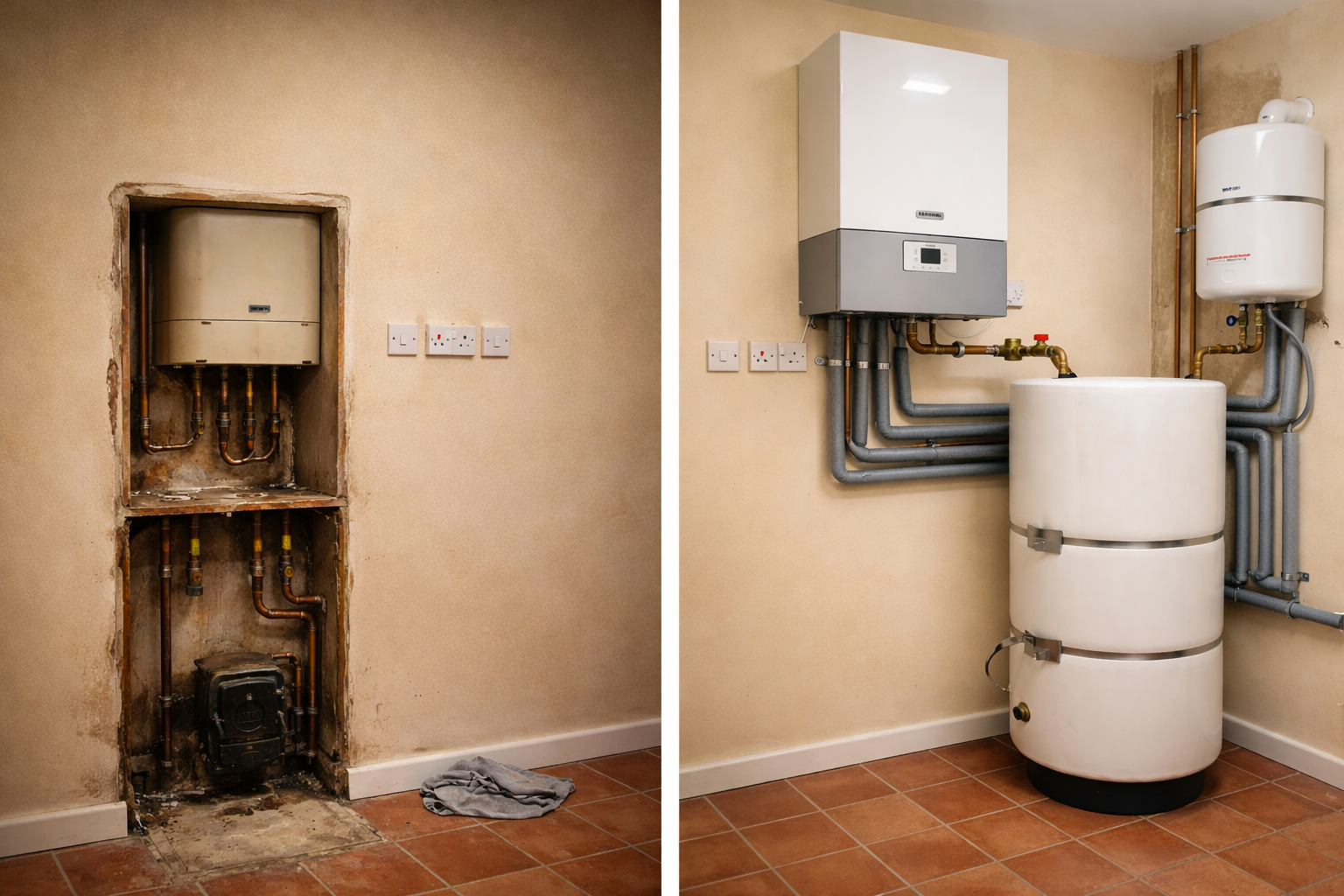
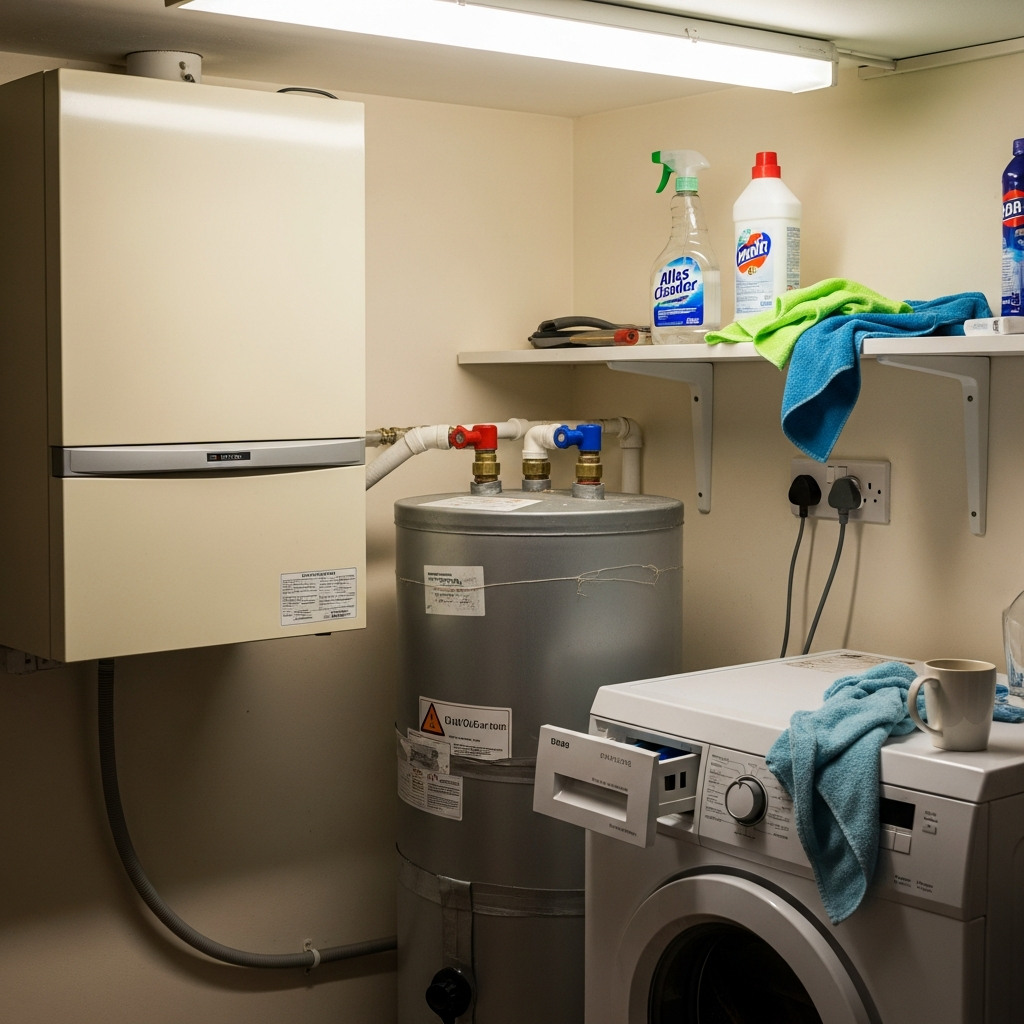
It is also possible to add a heat pump to an existing gas boiler. This is sometimes called a "bolt-on" hybrid. The heat pump is connected to the existing heating circuit alongside the boiler, with a separate controller managing the two. This is cheaper than replacing everything but requires more careful system design.
Which Approach Is Better?
Integrated systems are simpler and generally work more reliably because the components are designed to work together. Retrofit systems can be more cost-effective if you have a relatively new boiler that you do not want to replace, but they require an installer experienced in hybrid configurations.
How Much Does a Hybrid System Cost?
Costs vary significantly depending on whether you are installing a purpose-built hybrid or adding a heat pump to an existing boiler:
- Integrated hybrid system (new heat pump + new boiler): £10,000 to £15,000 installed
- Retrofit (adding a heat pump to existing boiler): £7,000 to £12,000 for the heat pump installation
Can You Get a Grant for a Hybrid System?
This is an important point. The Boiler Upgrade Scheme (BUS) grant of £7,500 is available for heat pump installations, but there are conditions for hybrid systems. The heat pump must be capable of meeting the full heating demand of the property on its own — meaning a small heat pump paired with a large boiler as the primary heat source would not qualify.
In practice, most properly designed hybrid systems do qualify because the heat pump is sized to handle the majority of heating. However, you should confirm eligibility with your installer and check current BUS grant rules before committing.
Running Costs of a Hybrid System
A hybrid system's running costs fall somewhere between a standalone heat pump and a standalone gas boiler. In a typical UK home:
- Gas boiler only: approximately £750 to £900 per year
- Hybrid system: approximately £550 to £700 per year
- Heat pump only: approximately £500 to £700 per year
The hybrid saves money compared to a boiler-only system because the heat pump is more efficient than the boiler for most of the year. But the savings are modest compared to a full heat pump system, because you still burn gas during cold spells and you have two systems to maintain.
Servicing Costs
A significant downside of hybrid systems is that you need to service both the heat pump and the gas boiler annually. That means two service visits per year:
- Heat pump service: £100 to £200
- Gas boiler service: £60 to £120
- Total annual servicing: £160 to £320
Compare this to £100 to £200 for a heat pump only, or £60 to £120 for a boiler only.
When Does a Hybrid System Make Sense?
A hybrid is not the right choice for everyone. It makes most sense in these specific situations:
1. Poorly Insulated Homes You Cannot Easily Improve
If your home has solid walls, listed building constraints, or other barriers to insulation, a standalone heat pump would need to work very hard (and expensively) in cold weather. A hybrid lets the heat pump handle the easy 80 per cent of the year while the boiler covers the difficult 20 per cent.
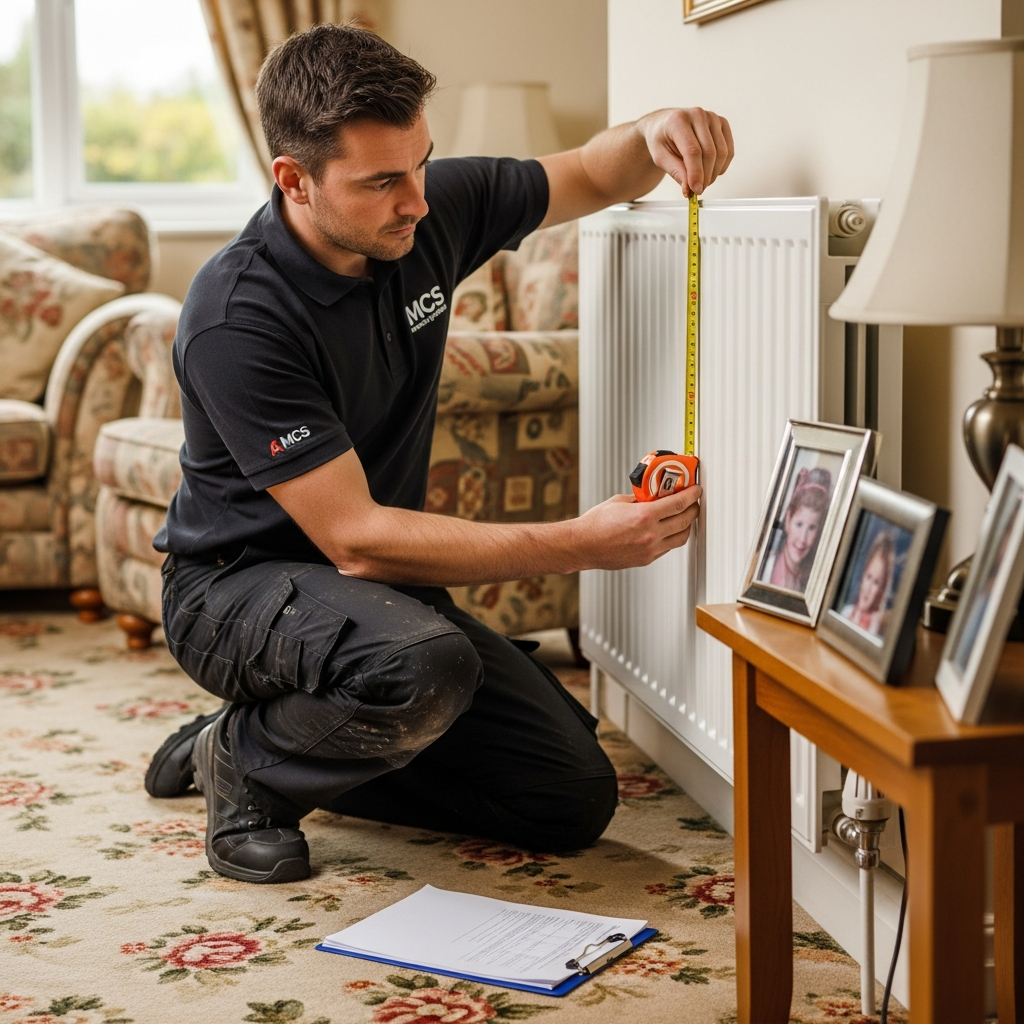
2. Homes With Small Radiators That Cannot Be Upgraded
If you cannot replace your radiators (perhaps due to space constraints or heritage considerations), the boiler can provide the higher flow temperatures needed for small radiators during peak demand, while the heat pump runs at lower temperatures the rest of the time.
3. Homes With a Relatively New Gas Boiler
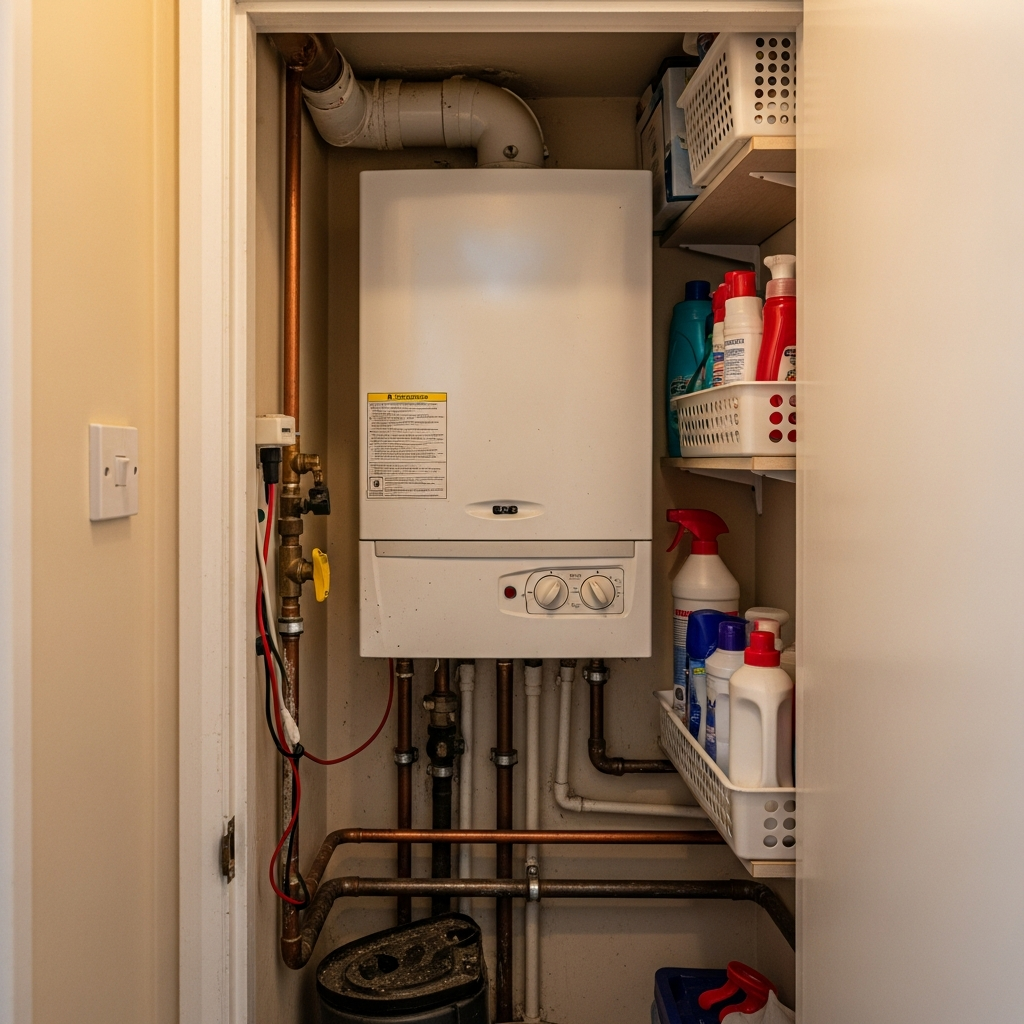
If your gas boiler is only a few years old and in good condition, it may not make financial sense to scrap it. Adding a heat pump alongside it lets you start reducing your carbon footprint and running costs now, with the option to go fully to a heat pump when the boiler eventually needs replacing.
4. Cautious Homeowners Who Want a Transition
Some homeowners are not ready to fully commit to a heat pump. A hybrid offers a lower-risk way to experience heat pump technology while keeping the familiar gas boiler as backup. Many hybrid owners eventually go fully heat pump when they see how little the boiler actually runs.
When a Hybrid Does Not Make Sense
Well-Insulated Modern Homes
If your home is well insulated (cavity wall insulation, loft insulation, double glazing), a standalone air source heat pump will handle all your heating needs efficiently. Adding a gas boiler to the mix adds cost and complexity without meaningful benefit.
Off-Gas-Grid Properties
If you are not connected to mains gas, a hybrid with an LPG or oil boiler is less practical and more expensive than going fully to a heat pump. Off-gas-grid properties typically see the best financial returns from standalone heat pumps because they are replacing expensive fuels.
New Builds
New-build homes should be well insulated enough to be heated entirely by a heat pump. There is no technical or financial justification for installing a hybrid in a new-build property.
Hybrid vs Full Heat Pump: A Direct Comparison
| Factor | Hybrid System | Full Heat Pump |
|---|---|---|
| Upfront cost (after grant) | £5,000 to £10,000 | £2,500 to £7,500 |
| Annual running cost | £550 to £700 | £500 to £700 |
| Annual servicing cost | £160 to £320 | £100 to £200 |
| Carbon reduction vs gas boiler | 60 to 75% | 80 to 85% |
| Suitable for poorly insulated homes | Yes | After insulation upgrades |
| BUS grant eligible | Sometimes (check criteria) | Yes |
| Future gas boiler ban risk | May need further changes | Fully future-proofed |
The Future of Gas Boilers in Hybrid Systems
An important consideration: the UK Government's direction of travel is to phase out fossil fuel heating. While no firm date has been set for banning gas boilers in existing homes, the 2025 Future Homes Standard already bans gas boilers in new-build homes from 2025.
If you install a hybrid system today, the gas boiler component may become redundant or subject to restrictions within 10 to 15 years. At that point, you would simply decommission the boiler and run the heat pump alone — which is straightforward if the system was designed well in the first place.
Installation Considerations
Installing a hybrid system is more complex than either a standalone boiler or standalone heat pump. Key points to discuss with your installer:
- System design: How will the two heat sources be piped together? What controls the switchover?
- Heat pump sizing: The heat pump should be sized to handle most heating independently, not just as a small supplement.
- Hot water strategy: Will the heat pump, boiler, or both provide hot water? Most hybrids use the boiler for quick hot water recovery.
- Controls: Smart controls that optimise between the two systems based on temperature, energy prices, and demand make a significant difference to running costs.
Our installation guide covers how to find and vet a qualified installer.
The Bottom Line on Hybrid Systems
A hybrid heating system is a practical compromise for homes where a full heat pump installation faces genuine barriers — poor insulation, heritage constraints, or homeowners who want a gradual transition. It reduces carbon emissions and running costs compared to a gas boiler alone, while keeping the reassurance of a familiar backup.
However, for most UK homes in 2026, a standalone heat pump with the BUS grant is the simpler, cheaper, and greener option. The hybrid adds cost, complexity, and ongoing maintenance requirements that a well-designed full heat pump system avoids.
Not sure which approach suits your home? Our suitability checker can help, and you can compare costs using our heat pump calculator.
Frequently Asked Questions
Can I add a heat pump to my existing gas boiler?
Yes. This is called a retrofit hybrid system. A heat pump is connected to your existing heating circuit alongside the gas boiler, with a controller managing which one operates. This works best when your boiler is relatively new and in good condition. You should use an installer experienced in hybrid configurations.
Do I still qualify for the BUS grant with a hybrid system?
Potentially, but the heat pump must be sized to meet the full heating demand of the property independently. A small heat pump designed only as a supplement to the boiler would not qualify. Confirm eligibility with your installer and check current grant rules before proceeding.
How much can I save with a hybrid system vs a gas boiler?
A hybrid system typically saves £100 to £250 per year on energy bills compared to a gas boiler alone. The saving is less dramatic than switching fully to a heat pump because you still use some gas and you have higher servicing costs for two systems.
What percentage of heating does the heat pump handle in a hybrid?
In a well-configured hybrid with a bivalent point around 2°C to 3°C, the heat pump handles approximately 80 to 90 per cent of the annual heating demand. The gas boiler only operates during the coldest days of winter and for occasional hot water boosting.
Is a hybrid system more reliable than a standalone heat pump?
In theory, having two heat sources provides redundancy — if one fails, the other can provide heating. In practice, both standalone heat pumps and boilers are individually reliable enough that this backup benefit rarely matters. The added complexity of a hybrid system creates its own potential failure points in the control and switching logic.
Will a hybrid system still work if gas boilers are banned?
If gas boilers are eventually banned in existing homes, you would decommission the boiler component and run the heat pump alone. This is straightforward if the heat pump was correctly sized to meet the property's full heating demand — which is a BUS grant requirement anyway.