Home Heat Pump Guide

Cheapest Heat Pumps UK: Budget Options That Actually Work

Not everyone has £12,000 to spend on a heat pump, even with a grant. If you are looking for the most affordable way to install a heat pump in the UK, this guide covers the genuine budget options — including which brands offer the lowest prices, where the real savings are found, and what compromises you might need to make.

The good news is that a cheap heat pump does not have to mean a bad heat pump. With the right approach and realistic expectations, it is entirely possible to install a working, efficient system for significantly less than the average quoted price.

What Does the Cheapest Heat Pump Installation Actually Cost?

The total installed cost of a heat pump varies enormously. The UK average is around £10,000 to £14,000 before grants, but the cheapest installations come in well below that.

  • Absolute minimum (small property, budget brand, minimal changes): £6,000 to £8,000 before grant
  • Budget-conscious (average property, value brand, some radiator upgrades): £8,000 to £10,000 before grant
  • Average (mid-range brand, typical three-bed semi): £10,000 to £14,000 before grant

After the £7,500 BUS grant, those budget installations could cost as little as £500 to £2,500 out of pocket. That changes the equation entirely.

Budget Heat Pump Brands Available in the UK

Heat pump prices vary significantly by brand. Here are the most affordable options on the UK market in 2026, focusing on the unit cost alone (before installation).

Lower-Cost Brands (£2,500 to £4,500 for the unit)

  • Grant Aerona3: A UK-manufactured brand with a solid reputation. Units start from around £2,800 for a 6kW model. Good reliability record and readily available parts.
  • Samsung EHS: Competitive pricing from a major manufacturer. The 5kW mono unit starts around £2,500. Well-regarded for efficiency at lower outputs.
  • LG Therma V: Another electronics giant offering heat pumps at competitive prices. The Monobloc R290 range starts around £3,000 for smaller capacities.
  • Midea M-Thermal: One of the world's largest HVAC manufacturers (parent company of Toshiba's HVAC division). Units from approximately £2,500 but with a smaller UK installer network.

Mid-Range Brands (£4,500 to £7,000 for the unit)

  • Vaillant Arotherm Plus: Excellent efficiency (consistently tops field trials) but higher unit cost from around £4,500.
  • Daikin Altherma 3: Well-established in the UK market. Units from approximately £4,800. Extensive installer network.
  • Mitsubishi Ecodan: The most installed heat pump in the UK. Units from around £5,000. Proven reliability over many years.

The price difference between a budget unit and a premium unit can be £2,000 to £4,000. However, the unit cost is only part of the total — installation labour, cylinders, pipework, and radiator upgrades often cost more than the heat pump itself.

Where the Real Savings Are (Beyond the Unit Price)

Choosing a cheaper heat pump unit saves money, but the biggest cost reductions often come from elsewhere in the installation.

1. Avoid Unnecessary Radiator Upgrades

Radiator replacements can add £2,000 to £5,000 to an installation. But not every home needs new radiators. If your existing radiators are generously sized (common in older properties), they may work perfectly well at the lower flow temperatures a heat pump uses. A good installer will calculate whether your existing radiators provide sufficient output before recommending replacements. See our guide on radiators for heat pumps.

2. Choose a Monobloc System

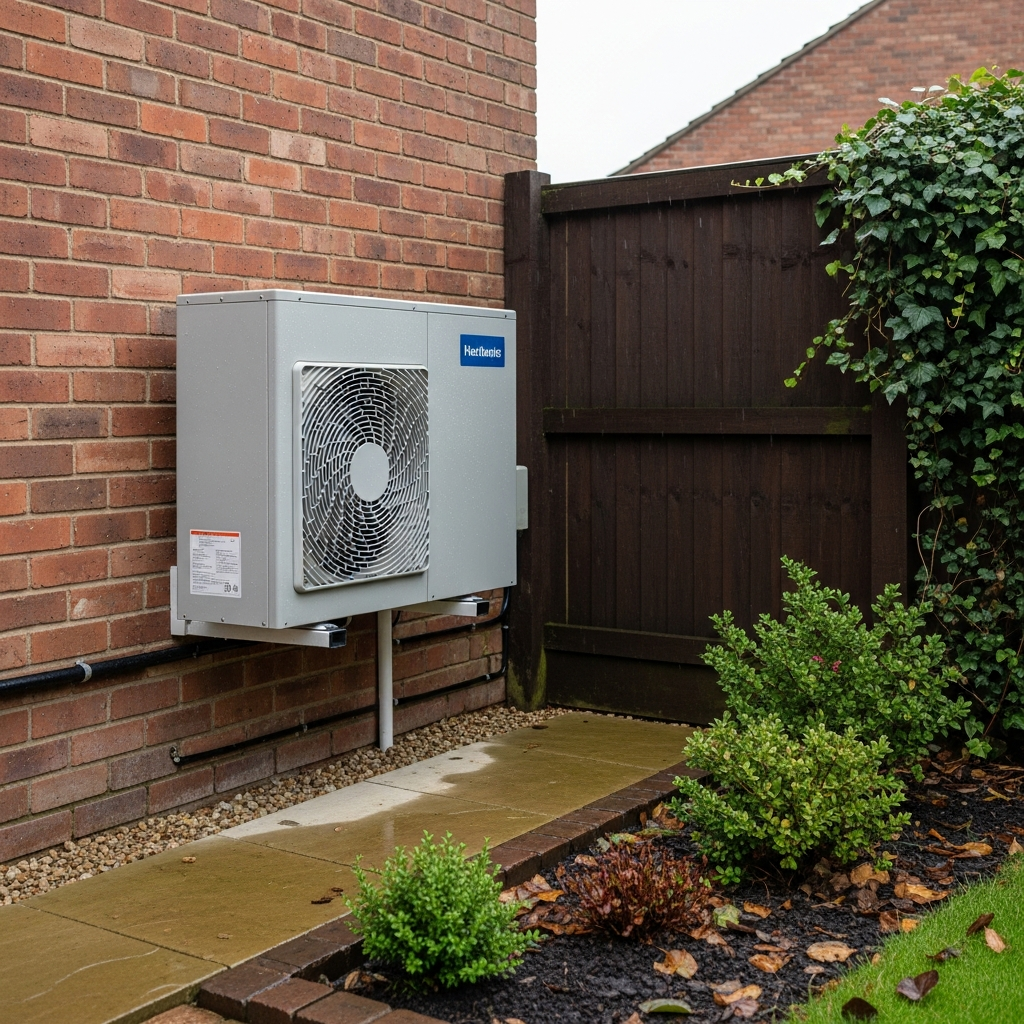
Monobloc heat pumps keep all refrigerant components in the outdoor unit, with only water pipes running into the house. This is simpler and cheaper to install than a split system, which requires an F-Gas qualified engineer to handle the refrigerant connections. The labour saving can be £500 to £1,500.

3. Keep Pipework Runs Short

Position the outdoor unit close to where the pipes enter the house. Long pipe runs mean more materials, more insulation, more labour, and slightly reduced efficiency. The ideal position is on an external wall near the existing boiler location.

4. Use the Existing Hot Water Cylinder

If you already have a suitable hot water cylinder (at least 150 litres with a coil suitable for heat pump flow rates), you may be able to reuse it rather than buying a new one. This saves £500 to £1,200. However, many existing cylinders are too small or have coils designed for higher-temperature boiler water, so this needs checking by your installer.

5. Get Multiple Quotes

Installation quotes for the same property can vary by 30% to 50%. Getting at least three quotes is essential. Our free quote service connects you with MCS-certified installers in your area.

What Do You Sacrifice with a Budget Installation?

Cheap is not always cheerful. Here is what you might give up when choosing the lowest-cost option.

Potentially Lower Efficiency

Budget heat pump units may have slightly lower seasonal COPs than premium models. The difference is typically 0.2 to 0.5 COP points — for example, achieving a seasonal COP of 2.8 instead of 3.2. Over 20 years on a medium property, that difference amounts to approximately £3,000 to £5,000 in additional electricity costs. Sometimes paying more for the unit saves money overall.

Noise Levels

Cheaper units may be noisier than premium models. If your outdoor unit is near a bedroom window or a neighbour's property, this matters. Premium brands like Vaillant and Daikin have invested heavily in noise reduction. Budget models may be 3-5 decibels louder, which is a noticeable difference.

Smaller Installer Network

Less common brands may have fewer trained installers in your area. This can mean longer waits for installation, potentially higher labour costs (if the installer needs to travel further), and harder-to-source replacement parts in the future.

Shorter Warranties

Budget brands may offer 5-year warranties compared to 7-10 years from premium manufacturers. Given that the compressor alone can cost £1,500 to £2,500 to replace, a shorter warranty is a genuine financial risk.

Fewer Smart Features

Premium models often include better integration with smart home systems, more sophisticated weather compensation algorithms, and built-in energy monitoring. Budget models may lack these features, though the core heating function is the same.

The Grant Makes Budget Installations Remarkably Affordable

The £7,500 BUS grant transforms the economics of a budget installation. Consider these real-world scenarios:

  • Small flat, 5kW budget unit, minimal pipework changes: Total cost £7,000. After grant: £0 out of pocket (grant covers the full amount, as it cannot exceed the total cost, so the grant payment would be capped at £7,000)
  • Two-bed terrace, 6kW budget unit, one radiator upgrade: Total cost £8,500. After grant: £1,000 out of pocket
  • Three-bed semi, 8kW mid-range unit, three radiator upgrades: Total cost £11,000. After grant: £3,500 out of pocket

For a property where the total cost comes in under £7,500, the grant effectively makes the heat pump free. The BUS grant is not means-tested, so household income is irrelevant.

Budget Strategies That Work

Strategy 1: Smallest Suitable System

Do not over-size your heat pump. A 5kW unit costs significantly less than a 12kW unit. If your home's heat loss calculation shows you need 6kW, there is no benefit to installing an 8kW system. In fact, an oversized heat pump will cycle on and off more frequently, reducing efficiency and lifespan. Let the heat loss survey determine the correct size — our calculator provides an initial estimate.

Strategy 2: Insulate First

Spending £500 to £1,500 on loft insulation top-up, draught-proofing, and simple insulation improvements can reduce your heat demand enough to need a smaller (cheaper) heat pump. Better insulation also means the heat pump runs more efficiently, saving money every year for the next 20 years.

Strategy 3: Phase the Upgrades

Install the heat pump with your existing radiators and see how the system performs. If some rooms are not warm enough at low flow temperatures, upgrade those specific radiators later. This avoids paying for unnecessary upgrades upfront and spreads the cost.

Strategy 4: Off-Season Installation

Installers are busiest from September to January when homeowners think about heating. Booking an installation in spring or early summer may get you a better price, shorter wait time, and a more thorough installation (the engineer is not rushing between jobs).

What to Avoid When Buying on a Budget

  • Unbranded or unknown imports: Very cheap units from unknown manufacturers may lack proper UK certification, parts availability, and after-sales support
  • Non-MCS installers: You must use an MCS-certified installer to qualify for the BUS grant. A cheaper non-MCS installation disqualifies you from £7,500 of funding
  • Skipping the heat loss survey: This costs £150 to £300 but ensures correct sizing. An incorrectly sized system will cost far more in the long run
  • DIY installation: Heat pump installation requires specialist knowledge, F-Gas certification (for split systems), and MCS certification. DIY is not viable for most homeowners

For guidance on comparing installer quotes properly, see our guide on heat pump costs in the UK.

Is a Cheap Heat Pump Worth It?

Yes — if you approach it correctly. A budget heat pump from a reputable manufacturer, properly sized and installed by an MCS-certified engineer, will heat your home effectively for 20 years. The difference between a £7,000 installation and a £14,000 installation is often in the brand premium, the extent of radiator upgrades, and the complexity of the property — not in the quality of heating you receive.

After the BUS grant, many budget installations cost less than a new gas boiler. At that price point, the financial case for a heat pump becomes overwhelming, even before considering lower running costs and the elimination of a gas bill. Check our full analysis at are heat pumps worth it.

Frequently Asked Questions

What is the cheapest heat pump I can buy in the UK?

The cheapest heat pump units available in the UK start from approximately £2,500 for a small-capacity monobloc from brands like Samsung or Midea. Including installation, the total minimum cost for a small property is around £6,000 to £8,000 before the BUS grant.

Can I get a heat pump installed for free with the grant?

Effectively, yes. If your total installation cost is £7,500 or less, the BUS grant covers the full amount. This is most achievable in small, well-insulated properties that need minimal radiator upgrades and short pipework runs.

Are cheap heat pumps less reliable?

Not necessarily. Brands like Grant and Samsung are reputable manufacturers offering competitive pricing. However, very cheap units from unknown brands may have reliability issues and limited spare parts availability. Stick to established manufacturers with UK-based support.

Is it worth paying more for a premium brand?

In some cases, yes. If the efficiency difference means a COP of 3.3 versus 2.8, the premium brand will save £150 to £250 per year in running costs. Over 20 years, that offsets the higher purchase price. A longer warranty also provides financial protection against expensive compressor failures.

What size heat pump do I need for a two-bedroom house?

Typically 4kW to 6kW, depending on insulation quality. A proper heat loss calculation is essential — our calculator gives an initial estimate, but your MCS installer will provide the definitive sizing.

Can I install a heat pump myself to save money?

This is not recommended. You need MCS certification to claim the BUS grant, F-Gas certification for split systems, and specialist knowledge of heating system design. A poorly installed heat pump will be inefficient, may damage itself, and will not qualify for the grant. The labour component of installation is typically £2,500 to £4,000 — but losing the £7,500 grant by going DIY makes it a false economy.