Water Source Heat Pumps UK Explained
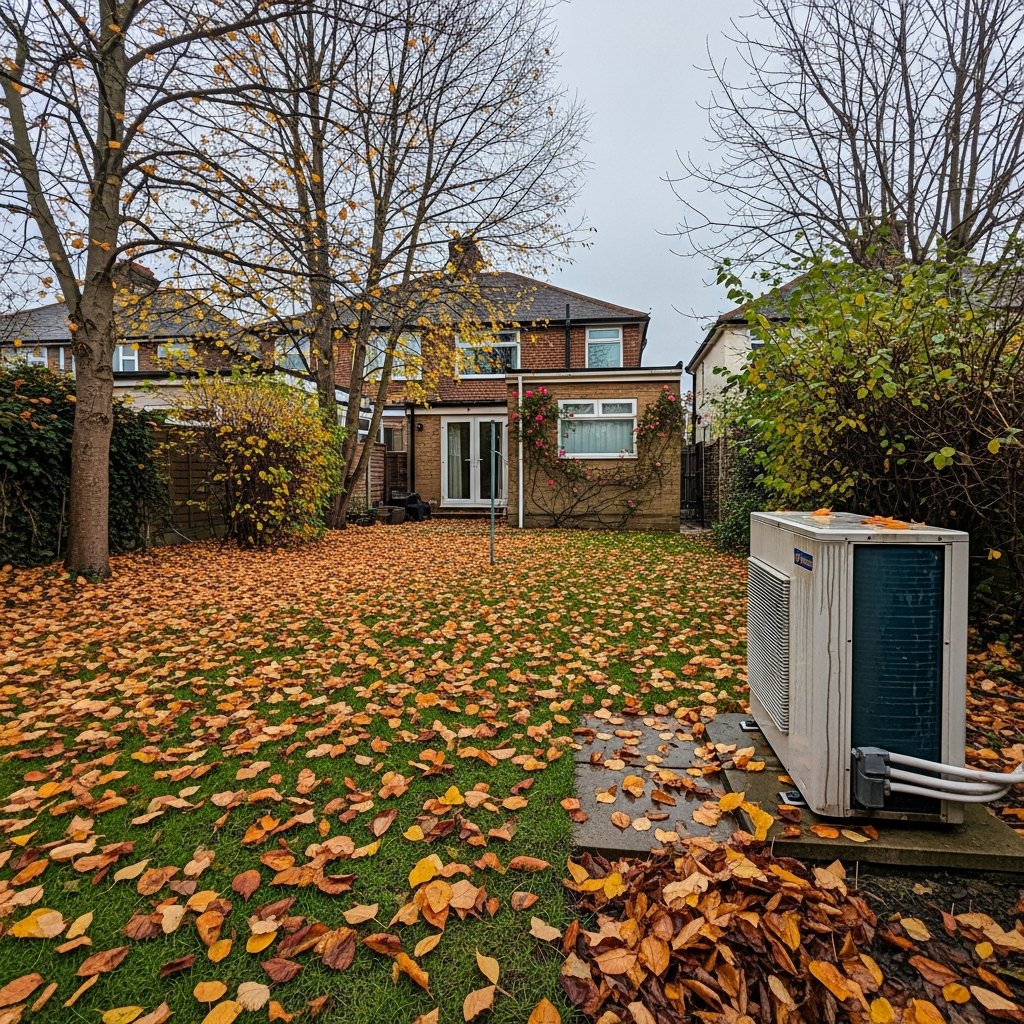
Water source heat pumps achieve COPs of 4.0-5.5 -- the highest efficiency of any heat pump type. If your property sits near a river, lake, or underground aquifer, you have access to a heating resource that outperforms both air source and ground source systems. The catch? Regulatory hurdles, specialist installers, and higher upfront costs.
This guide explains how water source heat pumps work, what they cost, the regulations you need to navigate, and whether one could work for your property.
Explore your heat pump options with an instant cost estimate
Use Our Free CalculatorCompare system types and see projected running costs for your home.
How Water Source Heat Pumps Work
A water source heat pump (WSHP) works on exactly the same principle as ground source and air source heat pumps -- it uses a refrigeration cycle to extract low-grade heat from the environment and upgrade it. The difference is the heat source: water transfers heat far more effectively than air or soil.
Open Loop Systems
Water is drawn from a source (river, lake, or aquifer), passed through a heat exchanger, and returned. Highly efficient because they use large volumes of water at stable temperatures. Requires abstraction and discharge permits.
Closed Loop Systems
A sealed loop of pipe containing antifreeze is submerged in the water source. Heat transfers through the pipe walls. Simpler to regulate but slightly less efficient than open loop.
Types of Water Source
Rivers and Streams
The most commonly used source. Even in winter, UK rivers typically stay above 4-6 degrees C. You need riparian rights and an abstraction licence from the Environment Agency.
Lakes and Ponds
Closed loop coils are typically laid on the lake or pond bed. The water must be deep enough (at least 1.5-2 metres) and the body large enough -- at least 0.5 to 1 acre for a typical domestic system.
Groundwater (Aquifers)
Underground aquifer water at 10-13 degrees C year-round makes groundwater WSHPs among the most efficient available. Requires a hydrogeological survey and abstraction licence.
Mine Water
An emerging opportunity. Abandoned coal mines across northern England, Scotland, and Wales are flooded with water at 12-20 degrees C. Several pilot schemes are exploring mine water heat networks.
Water Source Heat Pump Efficiency
| System Type | Typical COP | Water Temperature |
|---|---|---|
| Open loop groundwater WSHP | 4.5-5.5 | 10-13 degrees C |
| Open loop river WSHP | 3.5-5.0 | 4-15 degrees C (seasonal) |
| Closed loop lake/river WSHP | 3.5-4.5 | 4-15 degrees C |
| Ground source (comparison) | 3.5-4.0 | 8-12 degrees C ground |
| Air source (comparison) | 2.5-3.5 | Variable air temp |
The efficiency advantage is particularly strong in winter, when river and groundwater temperatures remain far above air temperature. Use our heat pump calculator to model the running cost savings.

Water Source Heat Pump Costs
| System Type | Total Installed Cost | After £7,500 BUS Grant |
|---|---|---|
| Closed loop (lake/river) | £15,000-£25,000 | £7,500-£17,500 |
| Open loop (river) | £18,000-£30,000 | £10,500-£22,500 |
| Open loop (groundwater doublet) | £25,000-£45,000 | £17,500-£37,500 |
The Boiler Upgrade Scheme provides £7,500 towards all WSHP configurations. Check the full cost breakdown for current pricing.
Regulations and Permits
This is where water source heat pumps become more complex than other types:
Abstraction licence: Required for open loop systems from the Environment Agency (England), NRW (Wales), or SEPA (Scotland). Application can take 3-6 months.
Discharge consent: May be needed if returning water at a lower temperature to a different location.
Closed loop exemption: Closed loop systems do not abstract water and typically do not need an abstraction licence.
Planning permission: WSHPs do not have automatic permitted development rights. You may need planning permission for boreholes, structures near watercourses, and works in flood risk zones. Check our guide on heat pump planning permission for broader context.
Ecological impact: Returned water must typically be no more than 2-3 degrees C cooler to protect aquatic species.
Need specialist advice on water source feasibility?
Find Specialist InstallersWe match you with MCS-certified installers experienced in water source systems.
Is a Water Source Heat Pump Right for You?
You are a good candidate if you own or have access to a suitable water body, want maximum efficiency, lack garden space for ground source, are off the gas grid replacing oil or LPG, and are prepared for the regulatory process.
Properties that combine water source heating with solar panel generation achieve some of the lowest heating costs possible in the UK, as the high COP means very little electricity is needed per unit of heat delivered.
Water Source vs Ground Source vs Air Source
| Factor | Water Source | Ground Source | Air Source |
|---|---|---|---|
| Efficiency (COP) | 4.0-5.5 | 3.5-4.0 | 2.5-3.5 |
| Installation cost | £15,000-£45,000 | £15,000-£35,000 | £8,000-£15,000 |
| Complexity | Highest | Medium | Lowest |
| Running costs | Lowest | Low | Low-medium |
| Suitability | Needs water body | Needs garden | Almost anywhere |
For most UK homes, air source or ground source will be the practical choice. Water source is a premium option for properties with the right natural resources. See how all types compare in our heat pump vs gas boiler guide.
Which heat pump type is right for your home?
Take the Free Suitability CheckAnswer a few questions about your property and get a personalised recommendation.
Frequently Asked Questions
What is a water source heat pump?
A water source heat pump extracts heat from a body of water -- a river, lake, pond, or underground aquifer -- and uses it to heat your home and hot water. It works on the same principle as air and ground source heat pumps but achieves the highest efficiency ratings.
How much does a water source heat pump cost in the UK?
Total installed costs range from £15,000 for a simple closed loop system in a lake to £45,000+ for an open loop groundwater doublet system. The BUS grant provides £7,500 towards the cost. Running costs are the lowest of any heat pump type.
Do I need planning permission for a water source heat pump?
Potentially yes. WSHPs do not have automatic permitted development rights. You may need planning permission for boreholes, structures near watercourses, and works in flood risk zones. An abstraction licence is required for open loop systems.
How efficient are water source heat pumps?
WSHPs can achieve COPs of 4.0-5.5, making them the most efficient heat pump type. A groundwater system extracting heat from 12 degrees C water can maintain a COP above 4.5 even in winter.
Can I use my garden pond for a water source heat pump?
Most garden ponds are too small. You need at least 0.5 acres and 2+ metres depth for a typical domestic system. Spring-fed ponds are better than stagnant ones.
Are water source heat pumps eligible for the Boiler Upgrade Scheme?
Yes. Water source heat pumps receive the same £7,500 BUS grant as ground source systems, installed by an MCS-certified installer.
What maintenance does a water source heat pump need?
Annual servicing similar to a ground source system. Open loop systems also need regular checks on filtration, intake screens, and water quality. Closed loop systems are lower maintenance.
Water Source Heating Technology in Context
Water source heat pumps represent the highest-efficiency end of renewable heating technology in the UK. They connect to wider topics including government renewable heating incentives, environmental regulations, and the growing interest in mine water and district heat networks. For properties that also harness solar energy, water source heating completes a near-zero-carbon home energy system.