Ground Source Heat Pump for Off-Grid Properties

If you are stuck with oil deliveries or an LPG tank, a ground source heat pump could cut your heating bills by £800-£1,500 a year while eliminating the carbon emissions from your home heating entirely. Off-grid rural properties are actually the ideal candidates for ground source -- they typically have the garden space for ground loops, the highest fuel costs to offset, and the fastest payback periods.
This guide explains why ground source heat pumps are particularly well suited to off-grid properties, what the installation involves, and what it costs.
Calculate how much you would save by switching from oil or LPG
Use Our Free CalculatorEnter your current fuel type and usage for an instant savings estimate.
Why Off-Grid Properties Are Ideal for GSHP
Large gardens: Rural properties almost always have the garden space needed for horizontal ground loops, avoiding the need for expensive borehole drilling. A typical horizontal installation needs 200-400 m2 of garden -- easily available for most rural homes.
Highest fuel costs to replace: Oil costs roughly 65p per litre (7-8p per kWh of heat). LPG costs even more. Ground source heat pumps deliver heat for roughly 6-7p per kWh. The saving per unit of heat is dramatic.
Largest properties: Rural off-grid homes tend to be larger and less well-insulated than urban properties, meaning higher heat demand and therefore larger absolute savings from switching to a heat pump.
No gas alternative: Unlike homes on the gas grid (where gas remains relatively cheap), off-grid homes have no low-cost fossil fuel option. A heat pump is the most economical long-term heating solution available.
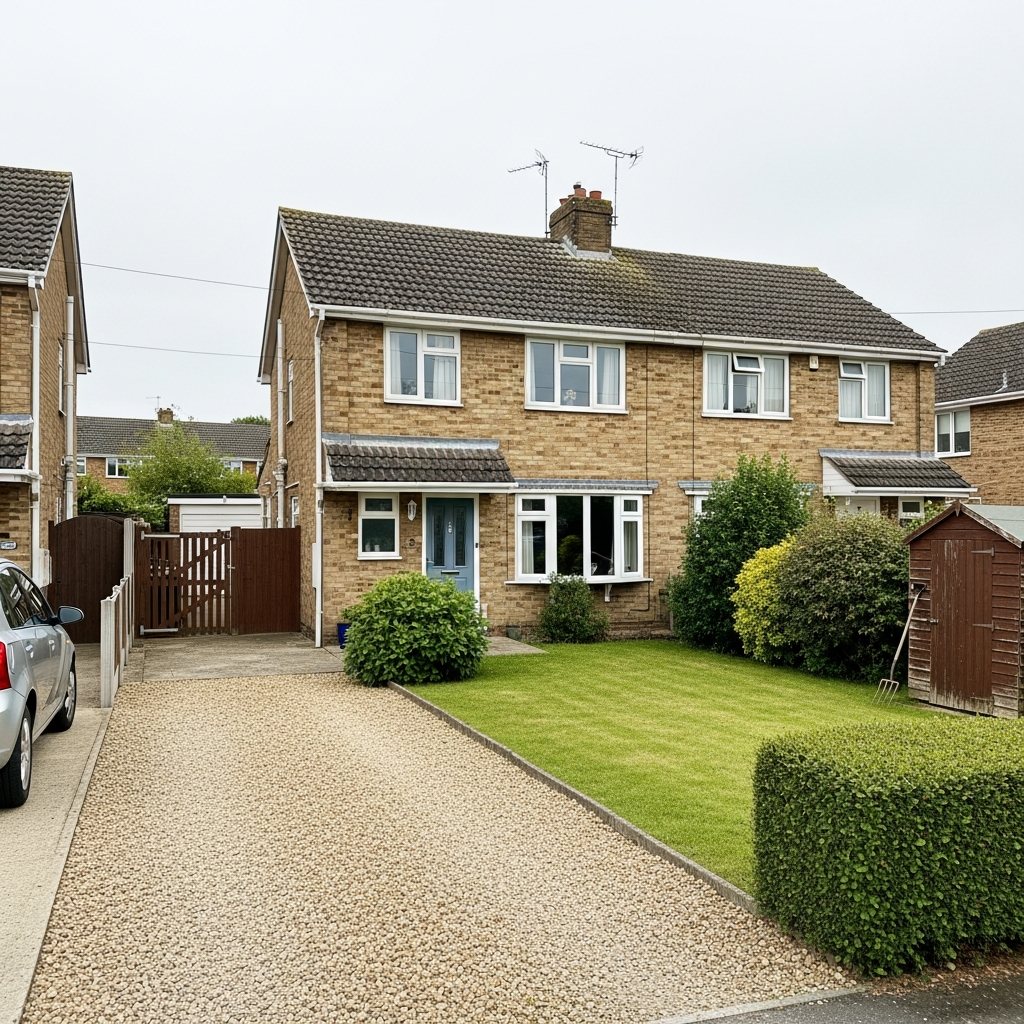
Running Cost Savings vs Oil and LPG
| Fuel Type | Cost per kWh of Heat | Annual Cost (20,000 kWh) | Saving vs GSHP |
|---|---|---|---|
| Oil boiler (85% efficiency) | ~8p/kWh | ~£1,600 | |
| LPG boiler (85% efficiency) | ~9p/kWh | ~£1,800 | |
| Ground source heat pump (SCOP 3.8) | ~6.6p/kWh | ~£1,315 | |
| Annual saving vs oil | ~£285 | ||
| Annual saving vs LPG | ~£485 | ||
Based on electricity at 25p/kWh, oil at 65p/litre, LPG at 55p/litre. Actual savings depend on usage, insulation, and tariff. Many off-grid homes use more than 20,000 kWh, where savings scale proportionally.
For a fuller comparison, see our dedicated ground source vs oil boiler analysis and our running costs guide.
Combining with Solar for Maximum Independence
Off-grid properties that add solar panels to their ground source heat pump take control of their energy future. During daylight hours, solar-generated electricity powers the heat pump directly, reducing your electricity bill further.
A typical 4 kW solar array generates 3,500-4,000 kWh per year. If even half of this offsets heat pump electricity consumption, you save an additional £400-£500 annually. With battery storage, this benefit extends into evening hours.
The combination of ground source heating and solar electricity generation delivers the lowest possible heating costs for off-grid UK properties -- significantly less than oil, LPG, or even mains gas.
Find out how much you could save by switching from oil or LPG
Get Free Installer QuotesSpecialist ground source installers with off-grid experience in your area.
Installation Considerations for Rural Homes
Older buildings: Many off-grid rural properties are older, with solid walls and potentially poor insulation. Improving insulation before or alongside the heat pump installation is strongly recommended -- it reduces the system size needed, lowers costs, and improves efficiency.
Existing heating systems: Oil boiler systems typically use radiators, which can often be reused with a heat pump if they are large enough. Your installer will calculate whether existing radiators can deliver adequate heat at lower flow temperatures, or whether upgrades are needed.
Electrical supply: Some rural properties have limited single-phase electricity supply. Most domestic ground source heat pumps run on single phase, but check with your installer. In rare cases, an electrical supply upgrade may be needed.
Access: Rural properties usually have good access for the groundwork equipment. A mini-digger for horizontal trenches or a drilling rig for boreholes needs vehicle access to your garden.
Costs and Grants
The Boiler Upgrade Scheme provides £7,500 towards ground source installation. In Scotland, Home Energy Scotland offers additional support. For a full breakdown, see our heat pump cost guide.

See the full costs and savings for your off-grid property
Calculate NowInstant estimate including grant deductions and projected annual savings.
Frequently Asked Questions
Can I replace my oil boiler with a ground source heat pump?
Yes. Ground source heat pumps are an excellent replacement for oil boilers, offering lower running costs, zero on-site emissions, and eligibility for the £7,500 BUS grant.
How much will I save replacing oil with ground source?
A typical off-grid home using 20,000 kWh of heat per year could save £800-£1,500 per year on fuel costs depending on oil prices and electricity tariff.
Do off-grid homes get a bigger grant for ground source?
The BUS grant is £7,500 regardless of current fuel type. However, off-grid homes see faster payback because the running cost savings versus oil or LPG are larger.
Can I go fully off-grid with a ground source heat pump and solar?
With solar panels and battery storage, you can dramatically reduce grid dependence. Full off-grid heating is achievable in summer, with grid backup mainly needed in winter.
Off-Grid Renewable Heating
Ground source heat pumps are transforming heating for the UK's 1.5 million off-grid homes. They connect to government decarbonisation incentives, the phase-out of fossil fuel heating, and the growing opportunity to combine heat pumps with solar electricity generation for maximum energy independence. For rural properties, this combination represents the most cost-effective heating solution available today.