UK Heat Pump Installer Market Report 2026
The heat pump installer workforce is the binding constraint on UK heat pump deployment. No matter how generous the grants, how competitive the technology, or how strong the consumer demand — if there are not enough qualified installers, the transition stalls. This report examines the installer market in 2026: workforce size, training capacity, regional distribution, earnings, and the gap between where we are and where we need to be.
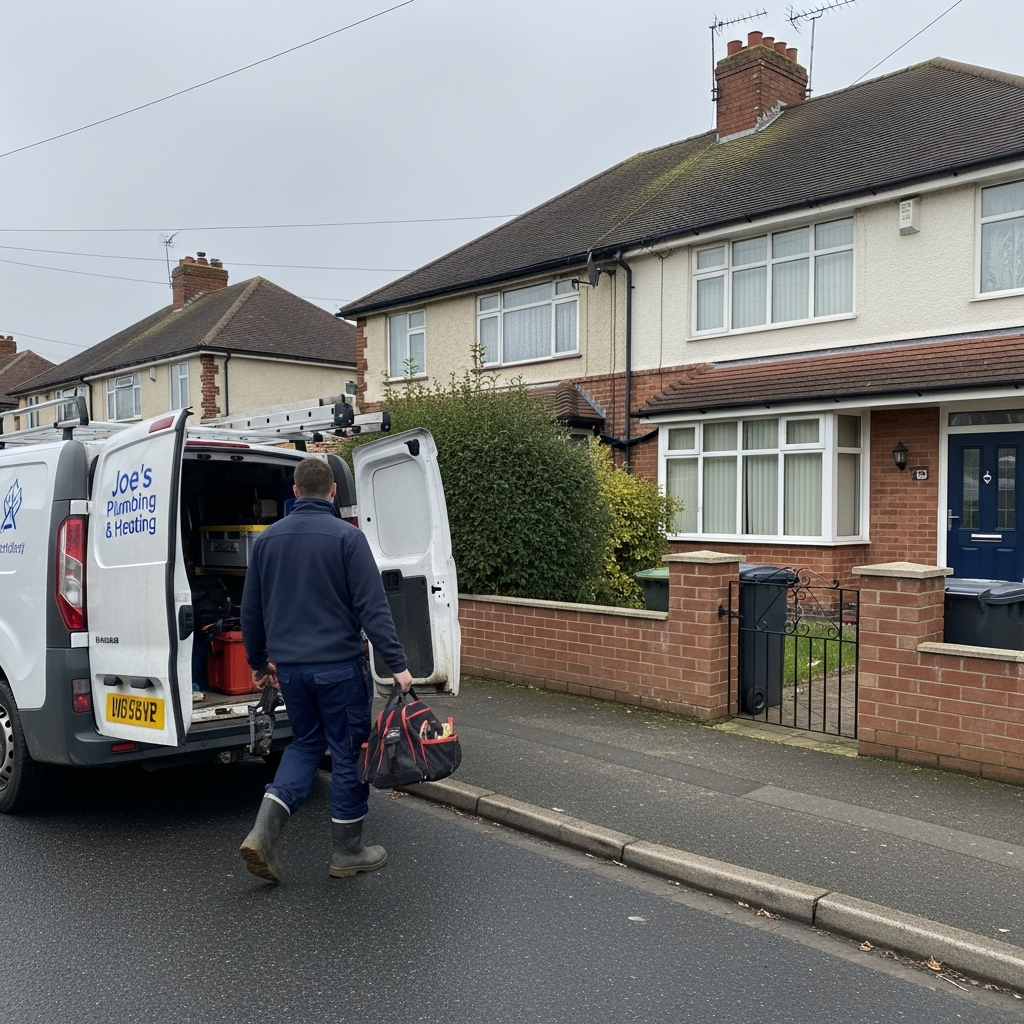
The installer workforce has been the most scrutinised aspect of the UK heat pump market. The Climate Change Committee, the Heat Pump Association, and MCS have all identified it as the primary bottleneck. While the workforce has grown significantly — roughly doubling since 2023 — it remains approximately half the size needed to meet government installation targets. For insight into the installer perspective, see our roundup of plumbers who retrained as heat pump installers.
Find experienced installers near you
Get free MCS installer quotesWe connect you with verified, experienced heat pump installers.
Current Workforce Size
15,000-20,000
qualified individuals
8,000-10,000
MCS-certified companies
30,000-40,000
needed for 600k/yr target
~50%
current gap
Workforce Growth Trend
| Year | MCS-Certified Companies | Estimated Qualified Individuals | Year-on-Year Growth |
|---|---|---|---|
| 2021 | 3,000 | 6,000 | — |
| 2022 | 3,800 | 8,000 | +33% |
| 2023 | 5,200 | 11,000 | +38% |
| 2024 | 7,000 | 15,000 | +36% |
| 2025 | 9,000 | 18,000 | +20% |
| 2028 (needed) | 15,000-20,000 | 35,000-40,000 | — |
Data from MCS certification records and industry workforce estimates.
Regional Distribution
Installer distribution is uneven across the UK, creating a postcode lottery for waiting times and competition:
Training Capacity
Training infrastructure has expanded significantly but still cannot produce installers fast enough:
- College and training provider courses: Approximately 8,000-10,000 places per year
- Manufacturer training academies: Approximately 5,000-7,000 training days per year
- On-the-job training and mentoring: The most effective route but capacity-limited
- Government-funded bootcamps: Growing but still small-scale
Total annual training output is estimated at 5,000-8,000 newly qualified installers — sufficient to grow the workforce but not fast enough to double it within two years. The installation guide explains the skills required.
Earnings Data
| Role | Typical Annual Earnings | Compared to Gas Engineer |
|---|---|---|
| Employed installer (junior) | £30,000-£38,000 | +10-15% |
| Employed installer (experienced) | £40,000-£55,000 | +20-30% |
| Self-employed installer | £45,000-£70,000 | +25-40% |
| Installation business owner | £60,000-£100,000+ | +40-60% |
The Supply-Demand Gap
The gap between installer supply and demand creates real consequences:
- Long waiting times: 6-12 weeks nationally, up to 6 months in some areas
- Limited competition: Fewer quotes available in underserved areas
- Higher prices: Scarcity enables some installers to charge premium rates
- Quality variation: Pressure to train quickly can compromise quality
- Installation rate ceiling: The UK cannot install faster than the workforce allows
Compare quotes from experienced installers
Get free quotesCompetition drives quality and value. Compare at least 3 quotes.
Quality and Standards
MCS certification provides the baseline quality standard. Beyond this, quality varies with installer experience, brand training, and company culture. Key quality indicators include number of heat pump installations completed, customer reference availability, willingness to show heat loss calculations, and membership of consumer code schemes. Our guide on common installer mistakes helps homeowners spot quality issues.
Outlook
The installer workforce is projected to reach 25,000-30,000 by 2028, still short of the 35,000-40,000 target. Achieving the gap requires faster training throughput, better retention of newly trained installers, immigration of qualified installers from European markets, and technology improvements that reduce installation complexity. The workforce challenge is solvable but requires sustained investment. Combined with growing demand driven by the BUS grant and improving economics including solar integration, the market outlook is positive.
Frequently Asked Questions
How many heat pump installers are there in the UK?
Approximately 15,000-20,000 qualified individuals across 8,000-10,000 MCS-certified companies.
How long is the waiting time for installation?
6-12 weeks nationally, up to 3-6 months in high-demand areas.
How much do heat pump installers earn?
£35,000-£55,000 employed; £50,000-£80,000+ self-employed. 25-40% premium over gas engineers.
What qualifications are needed?
Plumbing NVQ, heat pump training (2-4 weeks), F-Gas certification, manufacturer training, and MCS certification.
Is there a shortage of installers?
Yes. Current workforce is approximately half what is needed for 600,000 installations per year.
Find qualified installers in your area
Get free MCS installer quotesAll installers verified for MCS certification and experience.
The Installer Workforce and UK Heat Pump Adoption
The installer workforce underpins the entire UK heat pump transition. Without enough qualified, experienced installers, neither generous grants nor compelling economics can deliver the installation rates needed. As the workforce grows and quality improves through MCS standards, homeowners benefit from more competition, shorter waits, and better outcomes. Combined with solar panel installation skills, the new generation of renewable energy tradespeople is building the foundation for the UK's clean heating future.