Shared Ground Loop Heat Pump Systems
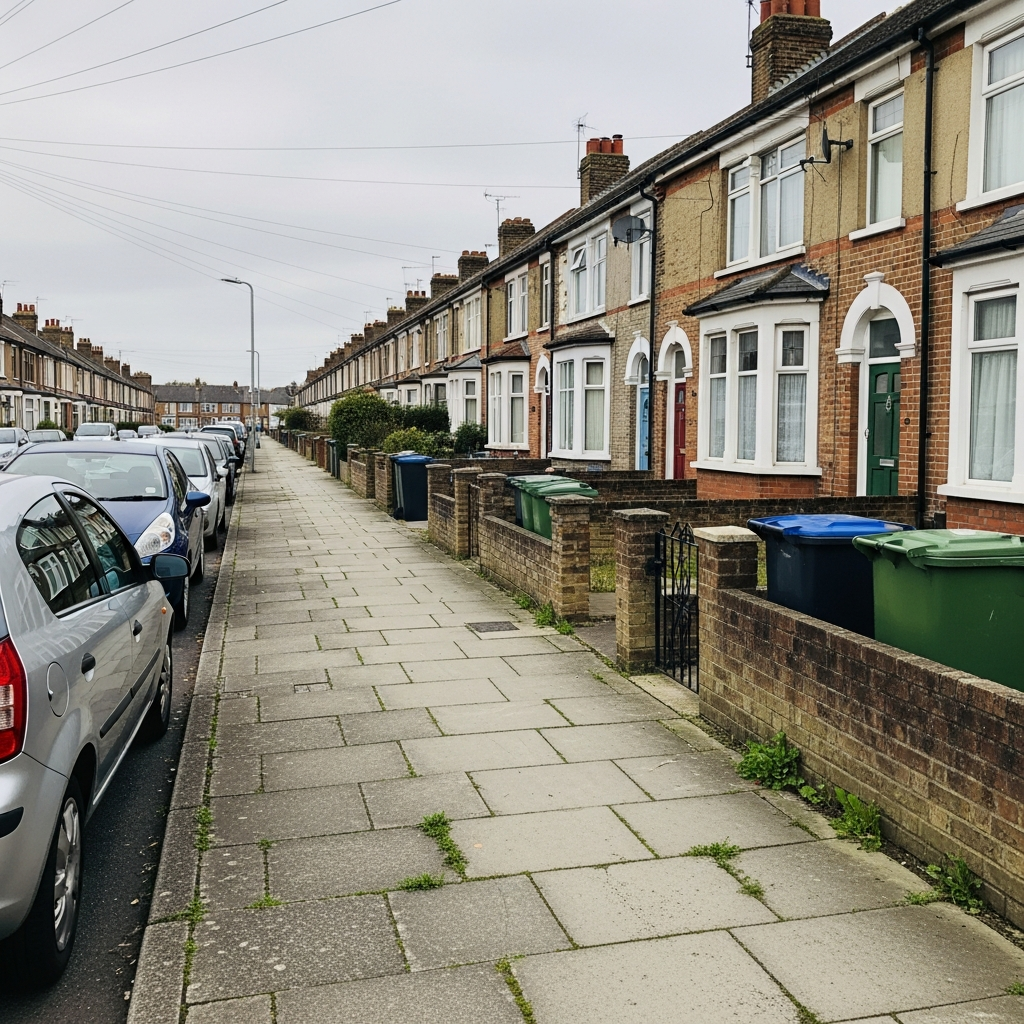
Individual ground source heat pump installations cost £15,000-£35,000. The ground works -- trenching or drilling -- represent the largest share of that cost. Shared ground loop systems slash that figure by spreading the infrastructure across multiple homes, reducing per-property ground works costs by 30-50%.
This guide explains how shared ground loops work, where they are being used in the UK, what they cost, and whether a communal system could work for your street or development.
Interested in ground source heating for your home?
Calculate Your CostsSee individual and shared system cost estimates for your property type.
What Is a Shared Ground Loop System?
A shared ground loop system uses a communal network of boreholes or horizontal trenches to serve multiple homes. Each property has its own individual ground source heat pump, but instead of each home having its own dedicated ground loop, all the heat pumps draw from and return heat to a shared underground network.
This is different from a district heating system where a single large heat pump serves all homes. With a shared ground loop, each household retains individual control over their heating and hot water through their own heat pump -- they simply share the ground infrastructure.
How Shared Systems Work
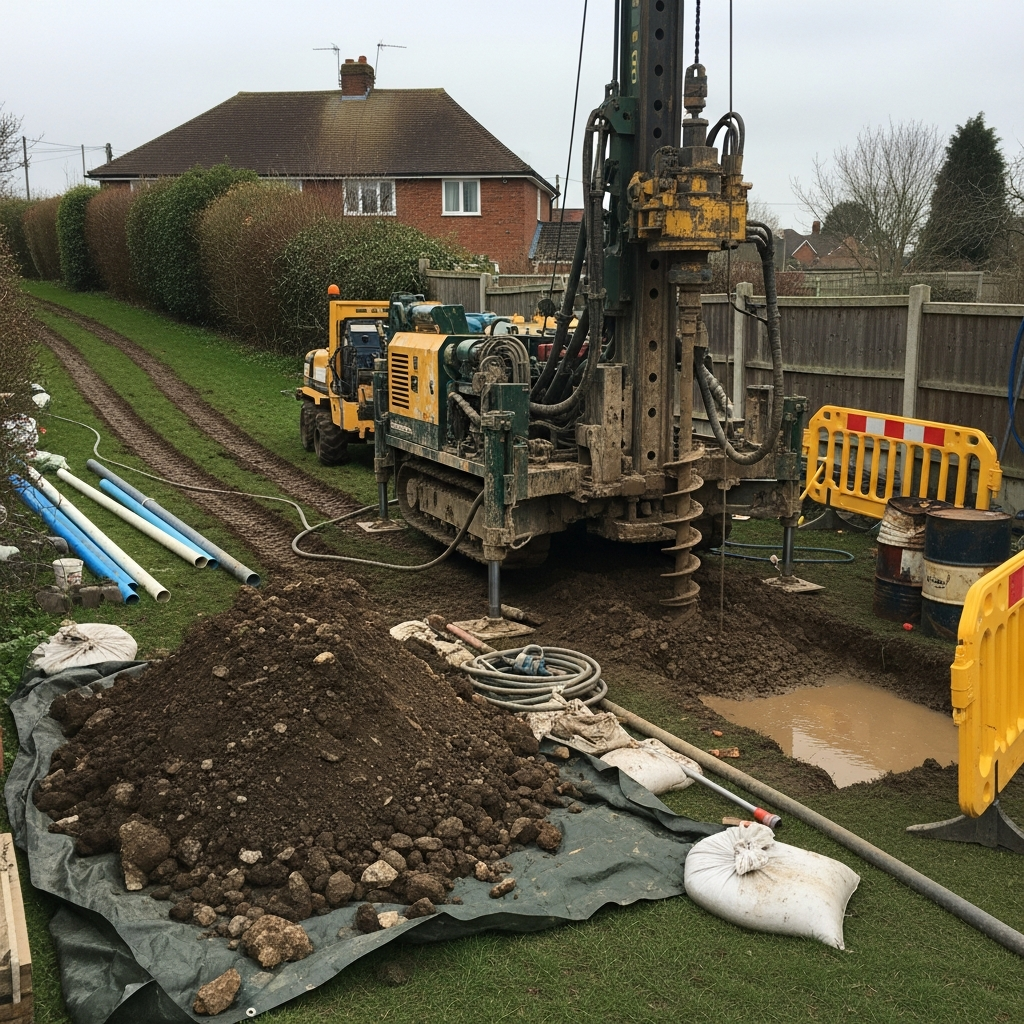
A series of boreholes (typically 100-200 metres deep) are drilled in a shared space -- a car park, playing field, roadside verge, or communal garden. The boreholes are connected by a distribution loop that runs to each property. Each home has a connection point where the shared loop feeds into their individual heat pump.
The beauty of this approach is that the borehole drilling -- the most expensive single element of any ground source installation -- is shared across many homes. A borehole that costs £6,000-£10,000 individually might serve 3-5 homes in a shared arrangement.
Cost Savings
| Cost Element | Individual GSHP | Shared Ground Loop |
|---|---|---|
| Ground works per home | £8,000-£20,000 | £4,000-£10,000 |
| Heat pump unit | £5,000-£8,000 | £5,000-£8,000 |
| Internal installation | £3,000-£5,000 | £3,000-£5,000 |
| Total per home | £16,000-£33,000 | £12,000-£23,000 |
| After £7,500 BUS grant | £8,500-£25,500 | £4,500-£15,500 |
With the Boiler Upgrade Scheme grant, a shared ground loop installation can bring the per-home cost of ground source heating down to levels comparable with individual air source installations -- but with higher efficiency and lower running costs.
Shared Ground Loops in New Builds
New housing developments are the easiest context for shared ground loops. The developer drills the borehole array as part of the site infrastructure (alongside roads, drains, and utilities), and connects each plot. Several UK housebuilders are now adopting this approach as standard, particularly where gas connections are no longer being installed in new developments.
Retrofitting Existing Streets
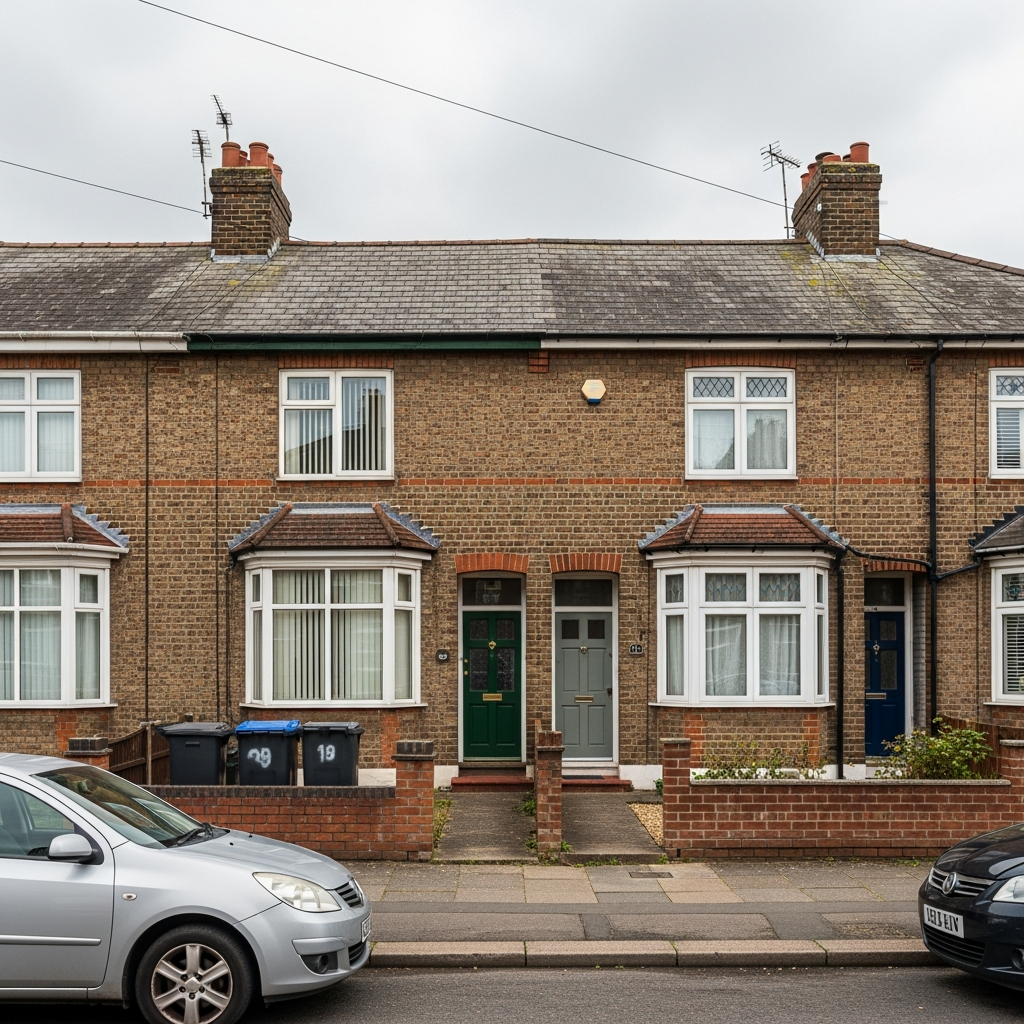
Companies like Kensa have pioneered retrofit shared ground loop projects on existing streets and housing estates. Boreholes are drilled in shared spaces (verges, car parks, communal gardens), and distribution pipes are run to individual homes. This is more complex than new builds but has been delivered successfully across dozens of UK projects.
Social housing providers have been early adopters, using the Social Housing Decarbonisation Fund and other government funding to install shared ground loops across entire estates.
Ownership and Maintenance
A management company or energy service company (ESCO) typically owns and maintains the shared ground loop infrastructure. Individual homeowners maintain their own heat pump units through annual servicing. This separation keeps things simple -- you are responsible for your own unit, the ESCO handles the shared infrastructure.
Running costs remain low because each home's heat pump operates at the same high efficiency as an individual ground source system. The ground loop performance is identical whether shared or individual -- the heat is coming from the same stable ground temperature.
For developments that also include communal solar panel arrays, the combination of shared ground loops and shared solar generation can deliver near-zero energy costs for residents.
Is your property suitable for ground source heating?
Check Suitability FreeWhether individual or shared, find out if ground source could work for you.

Explore ground source heat pump options for your home
Get Free QuotesMCS-certified ground source installers in your area. No obligation.
Frequently Asked Questions
What is a shared ground loop heat pump system?
A communal network of boreholes or trenches serving multiple homes, each with their own individual heat pump. The ground infrastructure cost is shared, reducing per-home costs by 30-50%.
How much cheaper is a shared ground loop compared to individual?
Ground works costs can reduce by 30-50% per home. A home that might pay £15,000 for an individual borehole could pay £7,000-£10,000 for a shared system.
Can existing streets have shared ground loops installed?
Yes, though it is more complex than new builds. Companies like Kensa have pioneered retrofit shared ground loop projects on existing streets and housing estates across the UK.
Who maintains a shared ground loop?
Typically a management company or ESCO maintains the shared infrastructure. Individual homeowners maintain their own heat pump units through annual servicing.
Communal Ground Source Heating in the UK
Shared ground loop systems are a growing part of the UK's decarbonisation strategy, supported by government grants and the Social Housing Decarbonisation Fund. They make ground source technology accessible to properties that could not justify individual installations, connecting to wider themes of heat pump affordability, community energy, and renewable energy adoption across the UK housing stock.