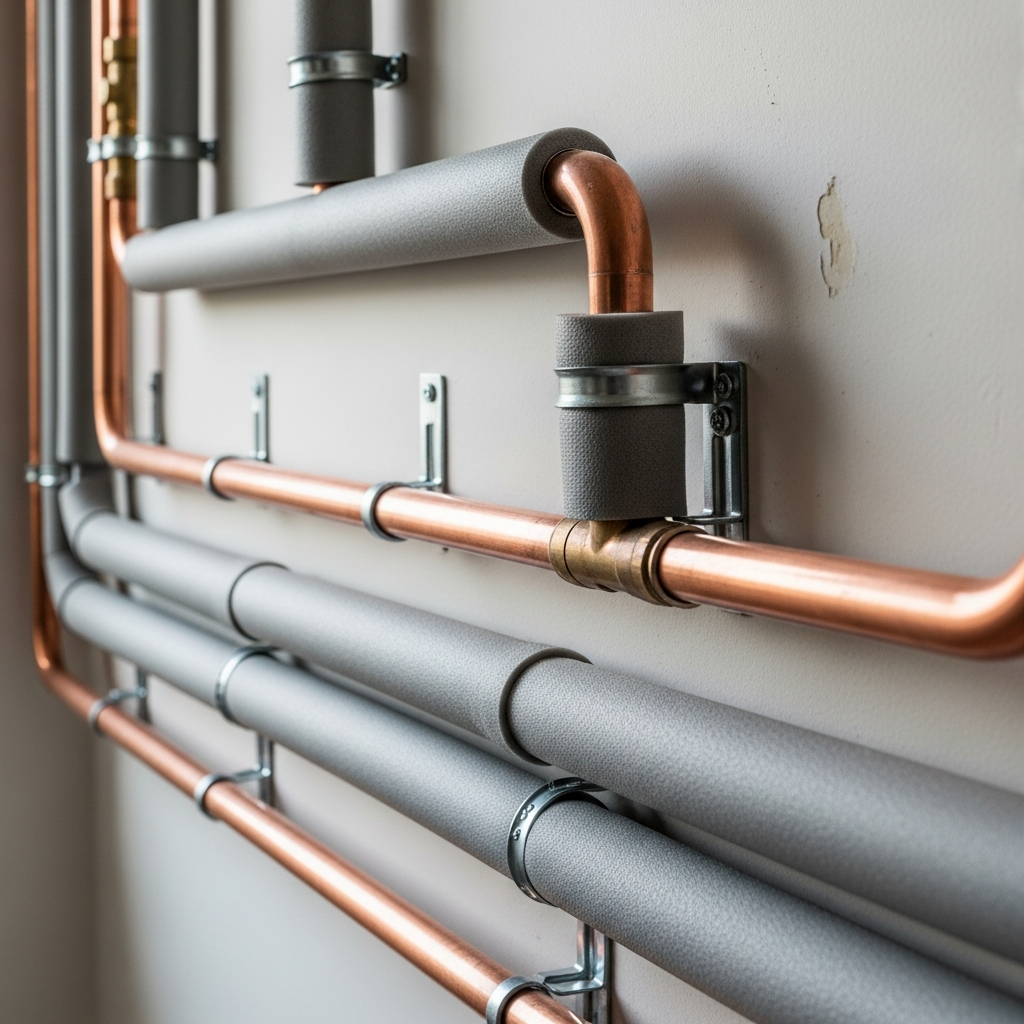
Home Heat Pump Guide

Ground Source Heat Pump Maintenance Guide
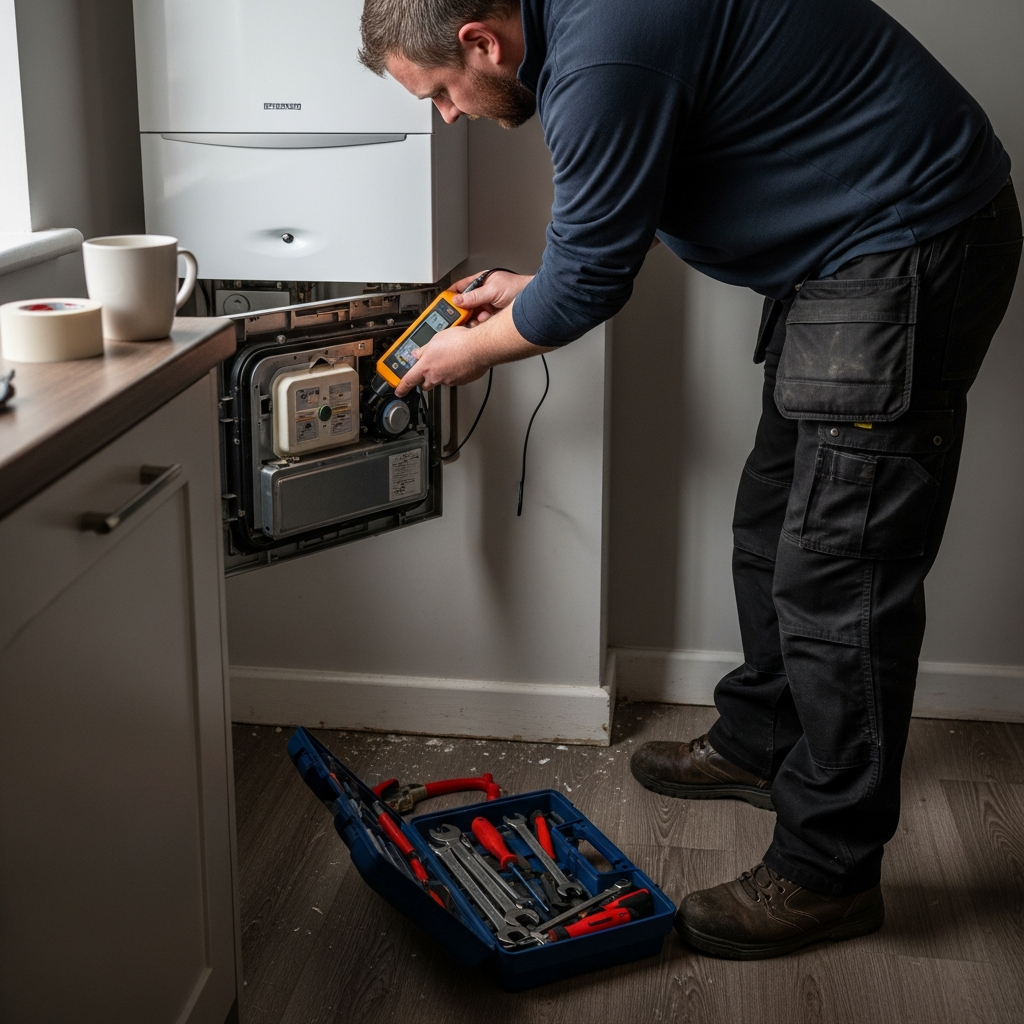
One of the advantages of a ground source heat pump is its low maintenance requirements. With no outdoor unit exposed to the elements and no combustion process, there is less to go wrong and less to maintain than a gas boiler. But "low maintenance" does not mean "no maintenance." Regular servicing keeps the system running efficiently and extends its lifespan.

This guide covers exactly what maintenance a ground source heat pump needs, what happens during an annual service, how much it costs, and what you can do yourself between services.

Annual Service: What Is Checked

A ground source heat pump should be professionally serviced once a year. The service typically takes 1-2 hours and covers the following:

Refrigerant Circuit

The engineer checks the refrigerant pressures and temperatures at key points in the circuit. Abnormal readings can indicate a refrigerant leak, a failing compressor, or a blocked heat exchanger. Unlike gas boiler servicing, this requires F-Gas certified engineers — not all heating engineers hold this qualification.

Ground Loop Circuit

The antifreeze solution in the ground loop is checked for concentration and condition. Over time, the glycol can degrade or become diluted, reducing frost protection and heat transfer performance. The engineer will also check the loop pressure and look for signs of leaks, though ground loop leaks are extremely rare.

The loop flow rate is measured to ensure the circulation pump is performing correctly. A drop in flow rate could indicate pump wear, air locks, or a partially blocked strainer.

Heating Circuit

The water side of the system — connected to your radiators or underfloor heating — is checked for pressure, flow rate, and water quality. The engineer will inspect the system filter (if fitted) and check corrosion inhibitor levels.

Sludge in the heating circuit is one of the biggest risks to heat pump longevity. The plate heat exchanger inside the unit has narrow channels that can clog with magnetite and debris, reducing efficiency and potentially causing expensive damage.

Electrical Connections

All electrical connections are visually inspected for signs of overheating, corrosion, or looseness. Thermal imaging may be used to identify hot spots. Loose connections can cause intermittent faults and are a fire risk.

Controls and Sensors

The engineer checks that all temperature sensors are reading accurately, the weather compensation curve is correctly set, and the controls are operating as intended. Sensor drift is common over time and can cause the system to operate inefficiently without the homeowner being aware.

System Performance Check

The overall system performance is assessed — typically by measuring the COP (coefficient of performance) at the time of the service. If the COP has dropped significantly since the last service, it indicates a problem that needs investigation.

How Much Does a Ground Source Heat Pump Service Cost?

Annual service costs for a ground source heat pump are typically:

Basic annual service: £100-£200

Comprehensive service (including water quality testing): £150-£250

Service contract (annual, including priority callouts): £150-£300 per year

These costs are comparable to or slightly less than a gas boiler service. Some manufacturers and installers offer service contracts that include parts and labour for repairs — these can be good value for peace of mind, particularly after the manufacturer's warranty expires.

Bear in mind that the engineer must hold F-Gas certification to work on the refrigerant circuit. Not every plumber or heating engineer can service a heat pump. Specialist heat pump service engineers may charge a premium, particularly in areas where few are available.

Ground Loop Maintenance

The ground loop is the most maintenance-free part of the entire system. Here is what you need to know:

What Maintenance Does the Ground Loop Need?

Almost none. The ground loop is a sealed system of HDPE pipe buried underground. There are no moving parts. The antifreeze solution circulates in a closed circuit. Barring physical damage (from digging, for example), the loop should operate maintenance-free for its entire 50-100+ year lifespan.

Antifreeze Checks

The antifreeze concentration in the ground loop should be checked annually as part of the regular service. Over time, the glycol can degrade, reducing its effectiveness. If the concentration drops below the required level, it needs topping up — a straightforward job during a routine service.

The antifreeze may need complete replacement every 10-15 years, depending on the product used and results of condition testing. This costs a few hundred pounds and is done by the service engineer.

Pressure Monitoring

The ground loop operates at a set pressure. A gradual loss of pressure can indicate a slow leak, though this is rare. Most modern systems have a pressure gauge or digital readout that you can check periodically. A sudden pressure drop warrants an urgent call to your installer.

What Can Damage a Ground Loop?

The main risks are:

Digging. If you or a contractor dig in the area where the ground loop is buried, you risk puncturing a pipe. Always check the ground loop plan (which your installer should have provided) before any excavation work.

Tree roots. Large trees planted too close to horizontal ground loops can eventually damage the pipes. Keep trees at least 3-5 metres from the loop.

Building over the loop. Covering the loop area with a building, concrete, or tarmac prevents the ground from recharging with heat from the sun and rain, gradually reducing the loop's effectiveness.

What You Can Do Between Services

There are several things you can monitor yourself to catch issues early:

Check System Pressures

Most ground source heat pumps have pressure gauges for both the ground loop circuit and the heating circuit. Check these monthly and note the readings. A gradual decline may indicate a slow leak. A sudden change warrants a call to your service engineer.

Monitor Energy Consumption

If your system has an energy meter or monitoring app, keep an eye on electricity consumption relative to the heat output. If electricity use creeps up without a corresponding increase in heat demand, the system may be losing efficiency. Our calculator can help you understand what normal consumption looks like.

Listen for Unusual Noises

A ground source heat pump should be quiet — similar to a fridge or a little louder. New noises such as rattling, banging, or grinding should be investigated. They could indicate a failing bearing in a circulation pump, a loose component, or air in the system.

Check the Filter

If your system has an accessible magnetic filter on the heating circuit (and it should), check it every few months. A heavily loaded filter indicates sludge in the system that needs addressing. Some filters have visual indicators that show when they need cleaning.

Keep the Area Around the Indoor Unit Clear

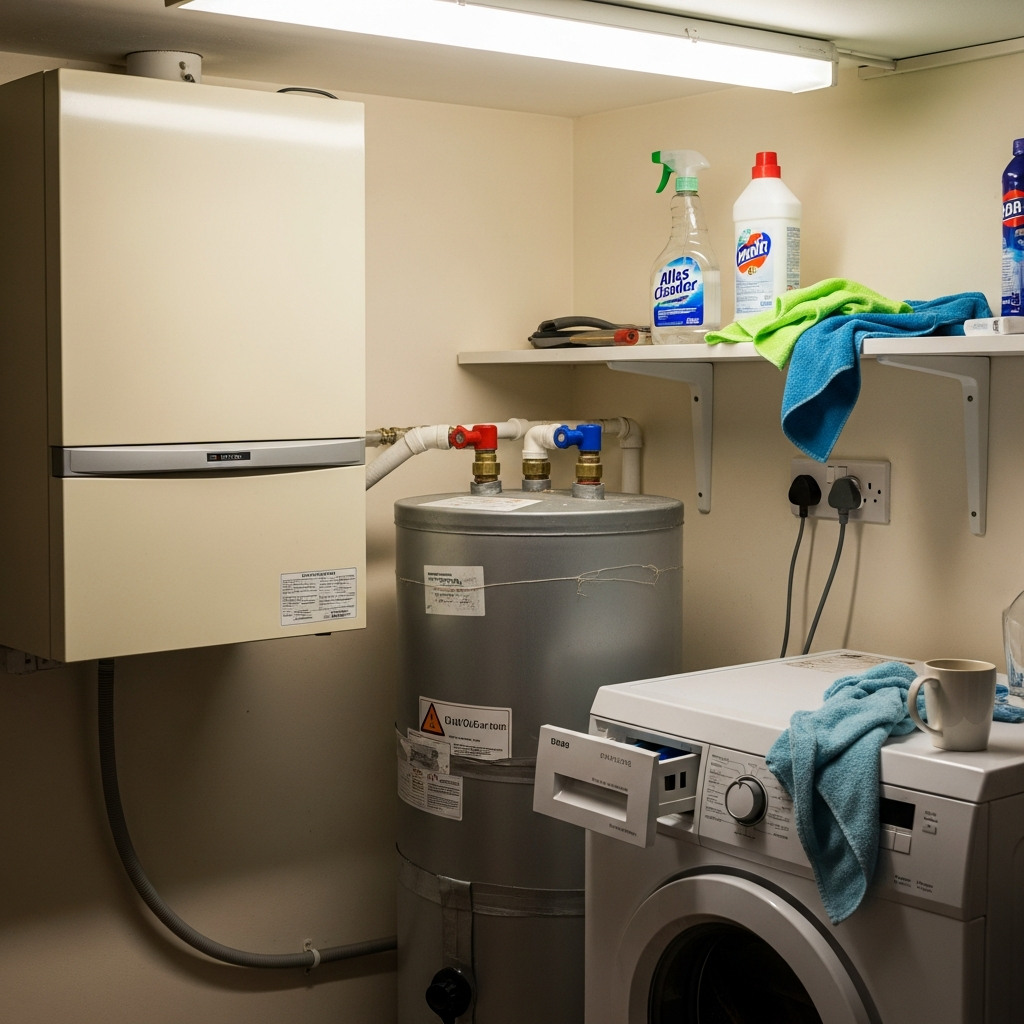
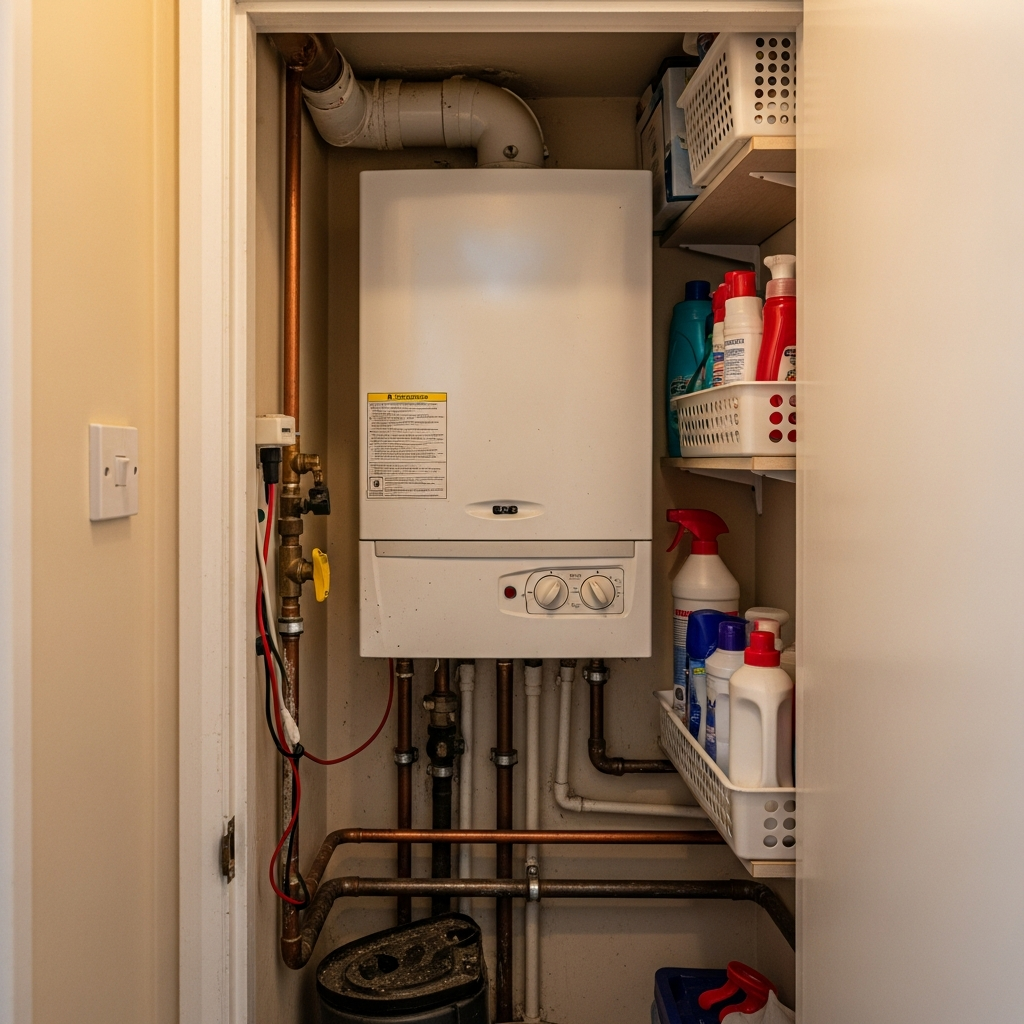
The heat pump unit needs adequate ventilation. Do not stack items around it, block air vents, or use the utility room as extra storage where items might fall against the unit. Keep at least 500mm clearance around the unit for servicing access.

Bleed Radiators

If you have radiators, bleed them at the start of each heating season. Air in radiators reduces heat output and makes the heat pump work harder. This is the same as with any central heating system.

Common Maintenance Issues and Costs

Most ground source heat pumps run for years without any issues beyond routine servicing. When problems do occur, here are the most common ones:

Circulation Pump Failure

Frequency: Every 10-15 years on average

Cost: £200-£400 for parts and labour

Impact: System stops heating until replaced. Usually a same-day or next-day repair.

Antifreeze Top-Up or Replacement

Frequency: Top-ups as needed, full replacement every 10-15 years

Cost: £50-£100 for a top-up, £200-£400 for full replacement

Impact: If antifreeze degrades, the system may trigger frost protection warnings. Not urgent but should be addressed at the next service.

Expansion Vessel Replacement

Frequency: Every 10-15 years

Cost: £150-£300

Impact: The system may lose pressure repeatedly if the expansion vessel fails. A routine repair.

Sensor Replacement

Frequency: Occasional — one or two sensors over the system's life

Cost: £50-£150 per sensor

Impact: A faulty sensor can cause the system to run inefficiently or display error codes. Usually detected during a service.

PCB (Control Board) Replacement

Frequency: Rare

Cost: £300-£800

Impact: The system may stop working or behave erratically. Can sometimes take a few days to source the part.

Compressor Failure

Frequency: Rare (once in the system's lifetime, if at all)

Cost: £1,500-£3,000

Impact: System stops heating entirely. Major repair — may take a week or more for parts. At this point, if the unit is 20+ years old, replacement of the entire indoor unit may be more economical.

Maintenance Compared to Other Heating Systems

How does GSHP maintenance compare?

Gas boiler: Requires annual service (legally recommended, and required for warranty). The boiler itself has a combustion chamber, burner, fan, diverter valve, and numerous seals and gaskets that wear. Gas boilers typically need more frequent repairs as they age, and gas safety inspections are mandatory for landlords.

Oil boiler: Requires annual service plus regular oil tank inspections. More maintenance-intensive than gas due to the fuel supply system. Nozzles, pumps, and fuel lines need periodic replacement.

Air source heat pump: Similar maintenance requirements to ground source for the heat pump unit, but the outdoor unit also needs checking — fan bearings, defrost system, coil condition, and clearing of debris. Air source units have marginally higher maintenance needs overall because of the outdoor unit's exposure to weather.

Ground source heat pump: The lowest maintenance option. No outdoor unit, no combustion, no fuel supply. Just the indoor unit and the sealed ground loop. Annual service costs are comparable to a gas boiler, but repair frequency is typically lower.

Finding a Service Engineer

Not every heating engineer can service a ground source heat pump. You need someone who is:

F-Gas certified — required to work on the refrigerant circuit.

Experienced with heat pumps — ideally with specific training from your heat pump manufacturer.

Familiar with ground source systems — understanding ground loop diagnostics and antifreeze management.

Your installer should offer servicing or recommend a local engineer. Alternatively, the heat pump manufacturer may have a network of approved service partners. If you need a new service provider, get in touch and we can help connect you with qualified engineers in your area.

Warranty and Maintenance Requirements

Most ground source heat pump manufacturers require annual servicing to maintain the warranty. Typical warranty terms:

Standard warranty: 2-5 years (included with purchase)

Extended warranty: 5-7 years (often available for an additional fee or with a service contract)

Skipping the annual service can void your warranty. Given that the service costs £100-£200 and a compressor replacement costs £1,500-£3,000, maintaining the warranty is clearly worthwhile.

After the warranty period, continue annual servicing to maximise the system's lifespan. The running cost savings of a well-maintained system versus a neglected one can be significant over time — a poorly maintained system might lose 10-20% of its efficiency without you realising.

Frequently Asked Questions

How often does a ground source heat pump need servicing?

Once a year. The annual service takes 1-2 hours and covers the refrigerant circuit, ground loop, heating circuit, electrics, and controls. This is required by most manufacturers to maintain the warranty.

How much does ground source heat pump maintenance cost?

Annual service costs £100-£200. Over a 10-year period, expect total maintenance costs (including occasional minor repairs) of £1,500-£2,500. This is comparable to or less than the maintenance costs of a gas boiler over the same period.

Does the ground loop need maintenance?

Almost none. The ground loop is a sealed, buried system with no moving parts. The antifreeze concentration is checked during the annual service and may need topping up occasionally. Full antifreeze replacement is needed roughly every 10-15 years. The HDPE pipes themselves require no maintenance and last 50-100+ years.

Can any plumber service a ground source heat pump?

No. You need an engineer with F-Gas certification to work on the refrigerant circuit, plus specific heat pump training. Not all plumbers or gas engineers have these qualifications. Ask your installer for a recommended service engineer or contact the heat pump manufacturer for approved service partners.

What happens if I do not service my ground source heat pump?

In the short term, probably nothing obvious. But over time, the system will lose efficiency, small problems will go undetected and become larger ones, and the manufacturer's warranty may be voided. Regular servicing is inexpensive insurance that protects a significant investment — check whether heat pumps are worth it to see the long-term value.

Is ground source heat pump maintenance easier than air source?

Slightly. Ground source has no outdoor unit to inspect, no fan bearings to check, and no defrost system to maintain. The indoor unit maintenance is similar for both types. Both require an annual service by a qualified engineer.