Northern England Heat Pump Report: Cold Climate Champions
Northern England's colder climate is not a barrier to heat pumps — it is an advantage. Higher heating demand means bigger energy savings when switching from gas, oil, or LPG. The region's large stock of semi-detached houses, significant off-gas-grid rural areas, and growing installer base create enormous potential. This report analyses the Northern heat pump market, addresses cold climate concerns with real data, and identifies the opportunities that could make the North a heat pump leader.
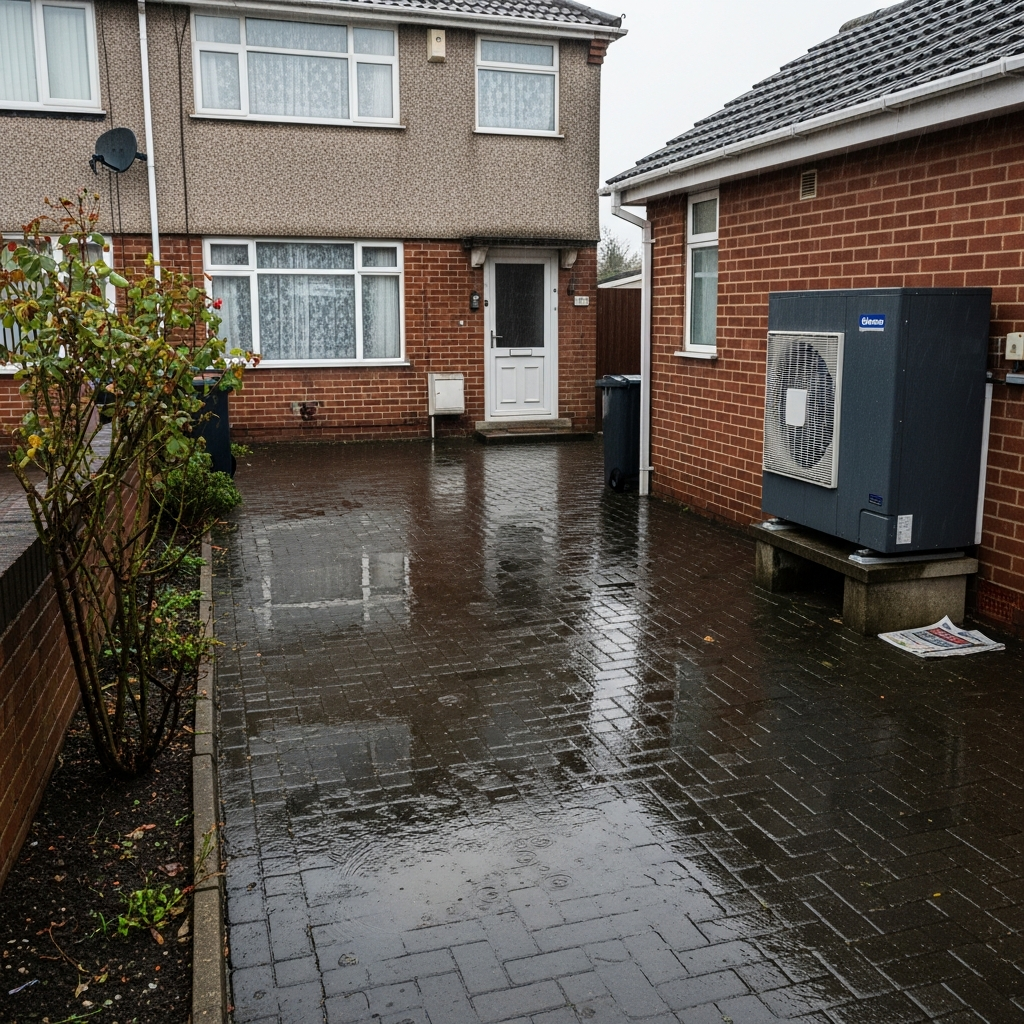
Northern England — comprising the North East, North West, and Yorkshire and the Humber — is home to approximately 6.5 million households. Despite strong growth rates, the region's heat pump penetration of 2.4-2.6% lags behind the national average. Yet the fundamentals favour adoption: colder winters mean higher heating demand (and therefore bigger savings), significant rural areas are off the gas grid, and the region's dominant housing types (semis and terraces) are well-suited to heat pump installation. For the national context, see our regional scorecard.
See what a heat pump would save you in the North
Use the free calculatorNorthern homes often save more due to higher heating demand.
Regional Overview
6.5 million
households in Northern England
2.4-2.6%
heat pump penetration
45,000
installations in 2025
25-30%
year-on-year growth
Cold Climate Performance
The perception that heat pumps struggle in Northern England's climate is one of the biggest myths holding back adoption. The data tells a different story:
| Metric | Northern England | Southern England |
|---|---|---|
| Average winter temperature | 2-5°C | 4-8°C |
| Design temperature (coldest) | -3°C to -4°C | -1°C to -3°C |
| Typical seasonal COP | 2.8-3.2 | 3.0-3.5 |
| Annual heating demand (3-bed semi) | 14,000-16,000 kWh | 10,000-12,000 kWh |
| Annual saving vs gas | £50-£200 | £0-£100 |
| Annual saving vs oil | £600-£1,000 | £400-£800 |
COP slightly lower in the North but higher heating demand means larger absolute savings, especially vs oil/LPG.
The critical insight is that higher heating demand actually strengthens the financial case. A Northern home spending £1,500 on oil saves more by switching to a heat pump than a Southern home spending £1,000 on gas. The COP difference (approximately 0.2-0.3 lower in the North) is more than offset by the larger fuel bill savings. For Scandinavian comparison, see our climate scientists' perspective.
Sub-Regional Analysis
| Sub-Region | Penetration | Key Characteristics | Growth Rate |
|---|---|---|---|
| Cumbria | 4.2% | Rural, off-grid, oil replacement | +35% |
| Northumberland | 3.6% | Rural, cold climate, oil replacement | +30% |
| North Yorkshire | 3.3% | Mix of rural and urban | +28% |
| Lancashire | 2.5% | Urban fringe, growing awareness | +25% |
| County Durham | 2.3% | Former coalfields, mixed housing | +26% |
| Greater Manchester | 1.8% | Urban, gas-connected | +22% |
| West Yorkshire | 1.9% | Urban, mixed housing | +24% |
| Tyne & Wear | 1.7% | Urban, social housing | +20% |
The pattern is clear: rural, off-grid areas lead adoption while urban centres lag. Cumbria's 4.2% penetration rivals the South West, demonstrating that cold climate and distance from major cities are not barriers when the financial case is strong.
Northern Housing Stock
Northern England's housing stock presents both opportunities and challenges for heat pump installation:
- Victorian/Edwardian terraces: Common in industrial towns. Solid walls require insulation investment. Smaller gardens but manageable outdoor unit placement
- 1930s-1960s semis: The largest housing type across the North. Cavity walls (often unfilled), good garden space, ideal candidates for heat pumps. Our radiator guide covers compatibility
- Stone-built rural properties: Common in Cumbria, Yorkshire Dales, and Northumberland. Thick stone walls provide some thermal mass. Large gardens. Often off-gas-grid
- Post-war social housing: Significant stock across the North. Often poorly insulated but suitable for whole-house retrofit including heat pump
Off-Grid Opportunities
Approximately 15-18% of Northern homes are off the gas grid, concentrated in Cumbria, Northumberland, rural North Yorkshire, and parts of Lancashire. These households typically use oil (60%), LPG (25%), or electric heating (15%). The savings from switching to a heat pump are substantial — typically £600-£1,200 per year for oil users and £800-£1,500 for LPG users. With the BUS grant covering £7,500, the payback period is often 3-5 years.
Installer Landscape
The installer gap is the biggest constraint on Northern adoption. With approximately half the national average installer density, Northern homeowners face fewer choices, longer waits, and less competitive pricing. Growing the Northern installer base is critical. Our quote service connects you with certified installers in your area.
Northern Costs and Savings
| Scenario | Typical Total Cost | After BUS Grant | Annual Saving | Payback |
|---|---|---|---|---|
| 3-bed semi replacing gas | £11,500 | £4,000 | £50-£200 | 12-20+ years |
| 4-bed detached replacing oil | £14,000 | £6,500 | £800-£1,000 | 6-8 years |
| 3-bed stone cottage replacing LPG | £13,000 | £5,500 | £900-£1,200 | 5-6 years |
| 2-bed terrace replacing gas | £10,000 | £2,500 | £30-£150 | 15-20+ years |
The payback data clearly shows that off-grid Northern homeowners have the strongest financial case in England. Adding solar panels further reduces running costs by providing free daytime electricity.
Untapped Potential
Northern England has massive untapped potential for heat pump adoption. The region's 6.5 million households include approximately 1 million off-gas-grid homes and 4 million suitable houses on the gas grid. With improved installer availability, better awareness, and continued grant support, the North could become a heat pump powerhouse — its cold climate a selling point rather than a concern.
Find Northern installers
Get free MCS installer quotesCompare up to 3 quotes from certified installers in your area.
Frequently Asked Questions
Do heat pumps work well in Northern England?
Yes. Seasonal COP of 2.8-3.2, and higher heating demand actually means bigger savings — especially for oil and LPG users.
How does Northern adoption compare to the South?
Currently lower (2.4-2.6% vs 3.5-4.5%) but growing at 25-30% annually with significant untapped potential.
Are there enough installers?
Below national average density (18-22 vs 35 per 100k). The workforce is growing but needs to expand faster.
What does a Northern installation cost?
£11,000-£13,000 before grant, £3,500-£5,500 after the £7,500 BUS grant.
Are Northern homes suitable?
Most are. Semis and detached houses are ideal. Terraces may need insulation first. Stone properties need careful design.
See what a heat pump would save in your Northern home
Calculate your savingsHigher heating demand often means bigger savings for Northern homeowners.
Northern England in the UK Heating Transition
Northern England's cold climate, large off-grid population, and suitable housing stock make it a region of enormous potential for heat pump adoption. With the BUS grant available to all and growing installer capacity, the North is well-positioned to accelerate. Combined with solar energy and improving electricity tariffs, Northern homeowners have compelling reasons to make the switch from gas and oil boilers.