Home Heat Pump Guide

Kensa Ground Source Heat Pump Review: UK Manufacturer & Shoebox Range

Kensa holds a unique position in the UK heat pump market. Based in Truro, Cornwall, they are the only manufacturer of ground source heat pumps in the United Kingdom. While most heat pump brands offer air source units with ground source as a secondary option, Kensa focuses exclusively on ground source technology — and that specialist focus shows in their products.

This review covers Kensa's range of ground source heat pumps, their innovative shared ground loop approach, installation costs, efficiency, and whether a ground source system from a UK specialist is the right choice for your home.

Why Ground Source?

Before examining Kensa's products, it is worth understanding why ground source heat pumps (GSHPs) are fundamentally different from the air source units that dominate the UK market.

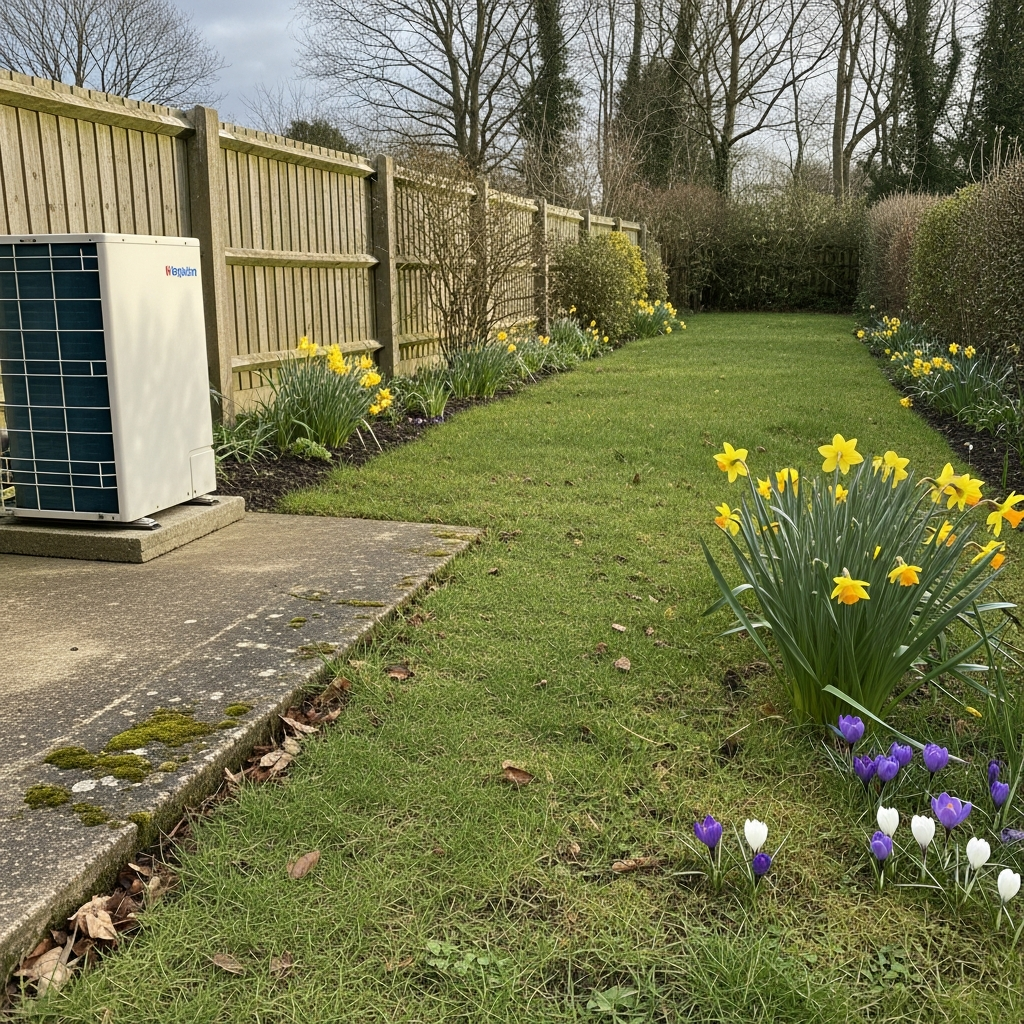
A ground source heat pump extracts heat from the ground rather than the air. Because ground temperature in the UK remains relatively stable at around 10-12°C year-round (even when air temperatures drop below freezing), a GSHP can operate more efficiently than an ASHP during the coldest months. There is no outdoor unit, no fan noise, and no defrost cycles.

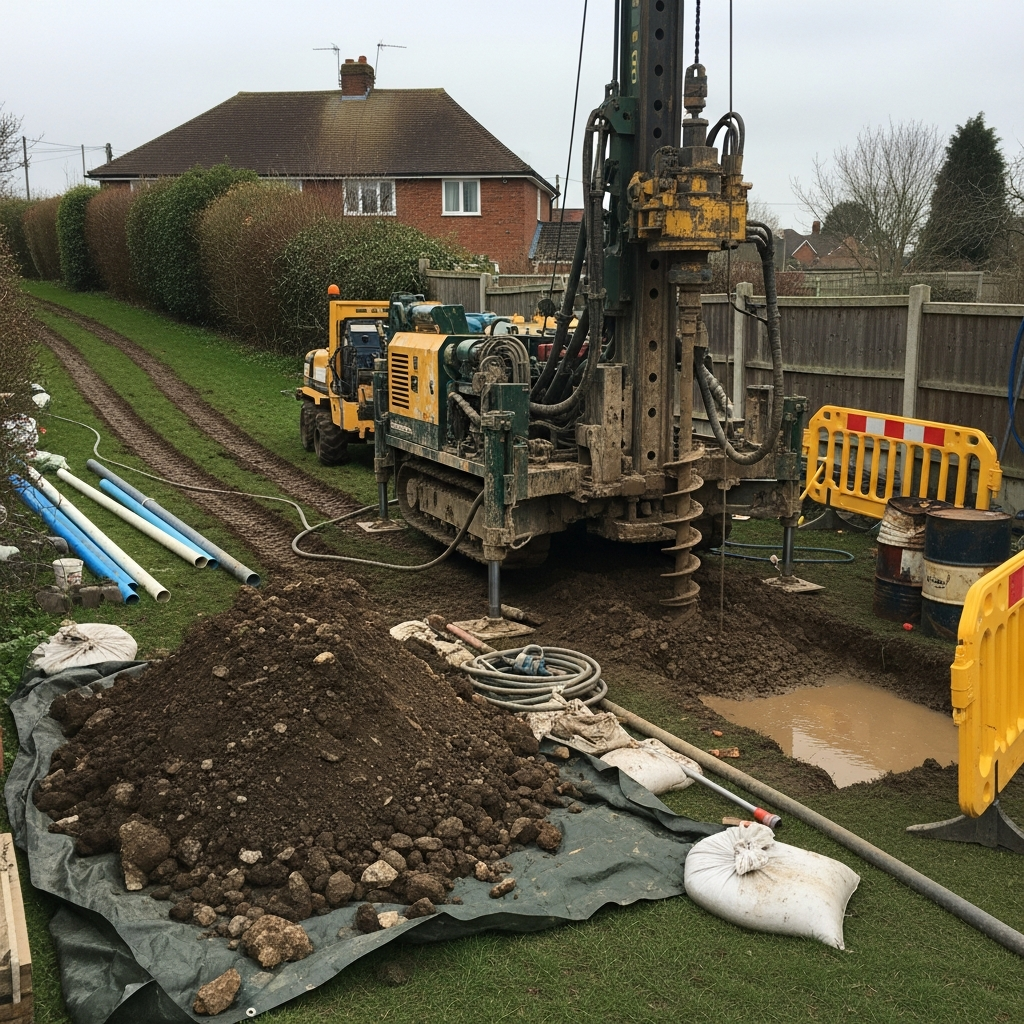
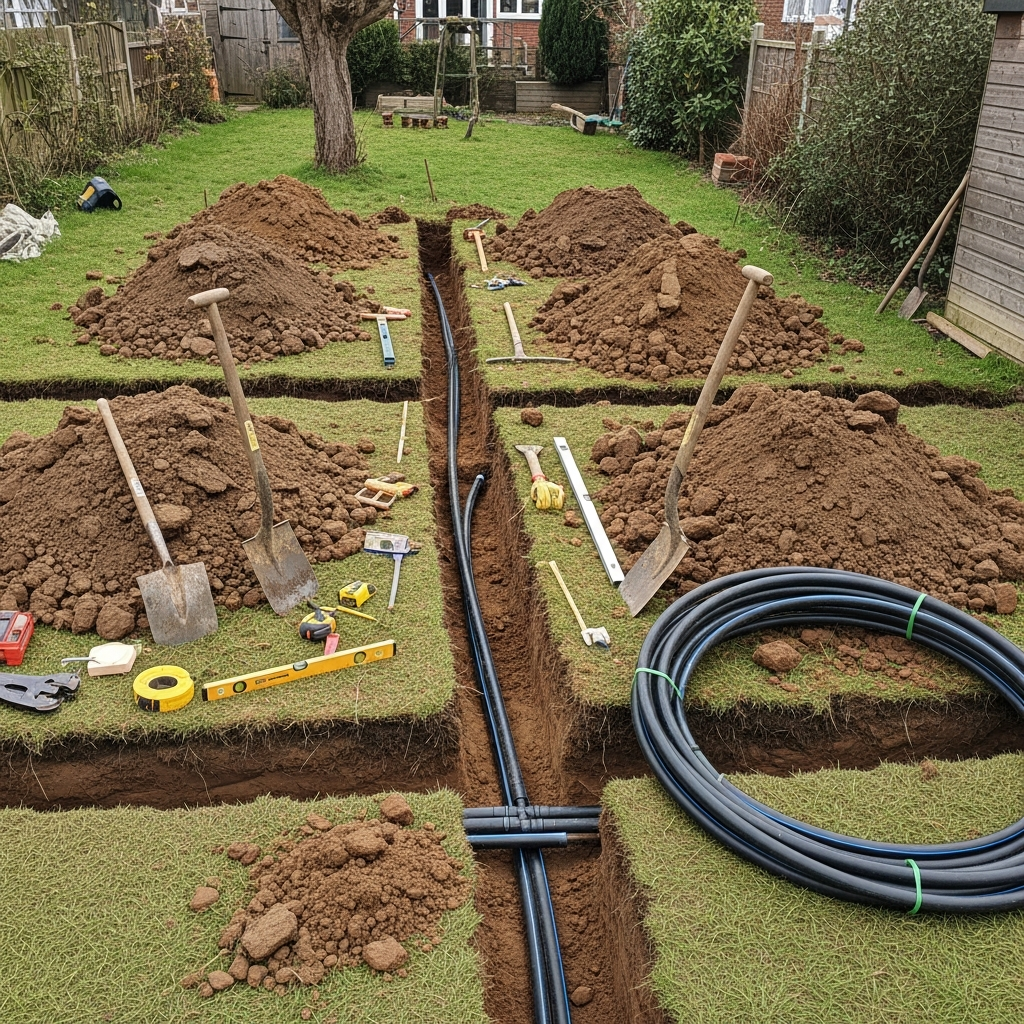
The trade-off is the ground array — you need either horizontal trenches or vertical boreholes to extract heat from the ground, and these involve significant upfront earthworks. This is where Kensa's innovative approaches help reduce the barrier to entry.

Kensa Heat Pump Range

Kensa Shoebox

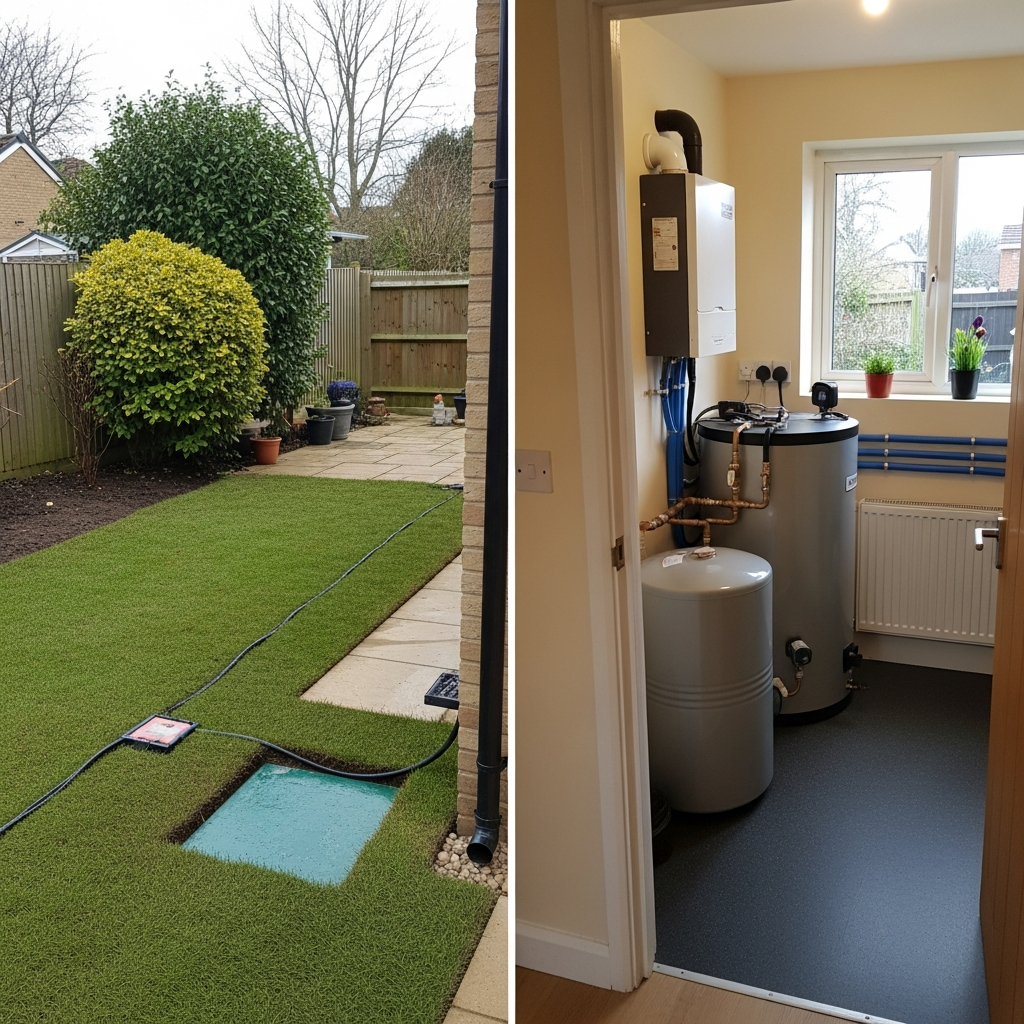
The Shoebox is Kensa's most popular product and the one that sets them apart. As the name suggests, it is remarkably compact — roughly the size of a small kitchen appliance. Available in outputs from 3 kW to 14 kW, the Shoebox can fit inside a standard kitchen cupboard, utility room, or airing cupboard.

Key Shoebox specifications:

  • Dimensions: approximately 595mm x 595mm x 410mm (comparable to a large microwave)
  • Weight: around 50 kg
  • No outdoor unit — the entire system sits inside your home
  • Quiet operation — typically under 40 dB(A), no louder than a fridge
  • R290 (propane) refrigerant in newer models
  • SCOP of up to 4.5 (ground source units inherently achieve higher SCOPs than air source)

The compact size is a genuine advantage. Many homeowners who cannot accommodate a bulky air source outdoor unit or who have noise-sensitive neighbours find the Shoebox solves both problems simultaneously.

Kensa Evo

The Evo is Kensa's larger ground source heat pump, designed for bigger properties and commercial applications. Available in outputs up to 32 kW, the Evo offers higher capacity while maintaining the efficiency and reliability of Kensa's established technology.

Kensa Duo

The Duo combines a heat pump with an integrated hot water cylinder, providing an all-in-one solution that minimises installation complexity and space requirements.

Shared Ground Loop Arrays: Kensa's Innovation

One of the biggest barriers to ground source heat pumps is the cost of the ground array. Traditional installations require either long horizontal trenches (needing a large garden) or deep vertical boreholes (expensive to drill). Kensa has pioneered a solution: shared ground loop arrays.

Through their Kensa Utilities subsidiary, Kensa works with housing developers, local authorities, and housing associations to install shared borehole networks that serve multiple properties. This approach:

  • Reduces per-property costs: Sharing borehole drilling costs across many homes significantly lowers the ground array expense
  • Eliminates outdoor units: No visible external equipment — attractive for housing estates and conservation areas
  • Works for flats and terraces: Properties without gardens can connect to shared arrays
  • Reduces noise concerns: No outdoor fans or compressors

This shared array model has made ground source viable for social housing, new developments, and urban properties where it would previously have been impractical. Kensa has deployed shared ground loop systems across hundreds of housing developments in the UK.

Efficiency and Performance

Ground source heat pumps inherently achieve higher efficiency than air source units because they draw from a more stable heat source. While an ASHP might extract heat from -5°C air in January, a GSHP extracts from 10°C ground — requiring far less energy to boost to usable temperatures.

Real-world performance data for Kensa heat pumps:

  • Shoebox (with UFH, 30-35°C): SCOP of 4.0 to 4.8
  • Shoebox (with radiators, 40-50°C): SCOP of 3.2 to 3.8
  • Evo (well-designed system): SCOP of 3.8 to 4.5

These figures are consistently higher than most air source heat pumps, reflecting the fundamental advantage of ground source technology. A Kensa Shoebox with underfloor heating in a well-insulated home can achieve seasonal COPs above 4.5 — meaning you get over 4.5 kWh of heat for every 1 kWh of electricity consumed.

For a three-bedroom semi-detached home, annual running costs with a Kensa ground source system are typically £550 to £850 — potentially the lowest of any heating system, including the most efficient air source heat pumps.

Installation Costs

Ground source heat pumps are more expensive to install than air source due to the ground array costs. Typical fully installed costs for Kensa systems:

  • Kensa Shoebox + horizontal trenches: £15,000 to £22,000 (before grants)
  • Kensa Shoebox + vertical boreholes: £18,000 to £28,000 (before grants)
  • Kensa shared ground loop (new development): £12,000 to £18,000 per property (before grants)

After the £7,500 Boiler Upgrade Scheme grant, net costs range from approximately £4,500 to £20,500. The shared ground loop option can bring costs down to £4,500 to £10,500, which approaches air source pricing while delivering higher efficiency.

The ground array typically accounts for 40-60% of the total installation cost. Horizontal trenches are cheaper but require a large garden (typically 200-400 square metres of available land). Vertical boreholes require less space but cost more to drill — typically £40 to £60 per metre of borehole depth, with depths of 60-120 metres being common.

Build Quality and UK Manufacturing

Kensa manufactures all their heat pumps in Truro, Cornwall. As the only UK-based GSHP manufacturer, they offer several practical advantages:

  • Short supply chains: No shipping delays from continental Europe or Asia
  • UK-focused design: Products designed specifically for British homes and climate
  • Responsive support: UK-based technical team in the same time zone
  • Economic contribution: Supporting UK manufacturing and local jobs

The build quality of Kensa units is good. They are simple, well-made machines without unnecessary complexity. The Shoebox in particular is elegantly engineered — packing a complete ground source heat pump into such a compact package requires careful design.

Noise: The Quiet Advantage

This is where ground source heat pumps, and Kensa in particular, have an unbeatable advantage. With no outdoor unit, there is zero external noise. The indoor Shoebox unit operates at approximately 38-42 dB(A) — comparable to a fridge — and this noise is contained within your home, typically in a utility room or cupboard.

For properties where neighbour noise is a concern, conservation areas, or simply homeowners who want a completely quiet garden, Kensa eliminates the noise issue entirely.

Controls

Kensa's control systems are straightforward and functional. The Shoebox includes an integrated controller with clear display, weather compensation, and programmable schedules. Kensa also offers remote monitoring and smart control options through compatible thermostats.

The controls are not as sophisticated as Nibe's myUplink or Viessmann's ViCare, but they cover all the essential functions. Kensa has been improving their digital offering, and newer systems offer app-based monitoring and control.

Warranty and Support

Kensa offers a 5-year warranty on their heat pumps as standard, covering the compressor and all internal components. Extended warranty options are available through their installer network.

Being UK-based, Kensa's support is accessible and responsive. Their technical team in Truro provides direct assistance, and their network of trained installers covers most of England, Wales, and Scotland. For ground source-specific technical expertise, Kensa's support is unmatched in the UK.

Pros and Cons of Kensa Heat Pumps

Advantages

  • Highest efficiency: Ground source delivers consistently higher COP than air source
  • Zero outdoor noise: No external unit means no neighbour noise issues
  • Ultra-compact: Shoebox fits in a cupboard — no outdoor space needed for the heat pump itself
  • UK manufactured: Built in Cornwall with UK-focused design and support
  • Shared ground loops: Innovative approach makes GSHP viable for more property types
  • Constant performance: Ground temperature stability means consistent year-round efficiency
  • No defrost cycles: No energy wasted on defrosting that ASHP units require

Disadvantages

  • Higher upfront cost: Ground array adds significant expense compared to ASHP
  • Garden disruption: Horizontal trenches require digging up substantial areas
  • Not for every property: Need either garden space for trenches or access for a drill rig for boreholes
  • Fewer installers: GSHP installers are less common than ASHP installers
  • Simpler controls: Less sophisticated monitoring than premium ASHP brands
  • Ground array permanence: Once installed, the array cannot be easily modified or relocated

Who Should Choose Kensa?

Kensa ground source heat pumps are the right choice for homeowners who can accommodate the ground array and want the highest possible efficiency and zero outdoor noise. They are particularly well suited to:

  • Properties with sufficient garden space for horizontal ground loops
  • Homes in noise-sensitive locations or conservation areas
  • New build developments where shared ground loops can reduce costs
  • Homeowners who want to support UK manufacturing
  • Properties without suitable space for an air source outdoor unit
  • Those who want the lowest possible running costs over the system's lifespan

If you do not have the garden space or budget for ground works, an air source heat pump from brands like Grant, Bosch, or Panasonic will be more practical. For a full comparison of all brands, see our complete UK manufacturer directory.

Frequently Asked Questions

Are Kensa heat pumps any good?

Yes, Kensa heat pumps are well-regarded as reliable, efficient ground source units. As the UK's only GSHP manufacturer, they have specialist expertise that general heat pump brands cannot match. The Shoebox range is particularly impressive for its compact size and consistent performance.

How much does a Kensa ground source heat pump cost?

A fully installed Kensa system including ground works costs between £15,000 and £28,000 before grants, depending on whether you choose horizontal trenches or vertical boreholes. After the £7,500 Boiler Upgrade Scheme grant, the net cost is typically £7,500 to £20,500. Shared ground loop installations can be significantly cheaper.

Is ground source better than air source?

Ground source is more efficient because it draws heat from stable ground temperatures rather than variable air temperatures. A GSHP typically achieves 15-30% higher seasonal efficiency than an ASHP. However, the higher installation cost means the payback period is longer, and not all properties are suitable for ground arrays.

How big a garden do I need for a Kensa heat pump?

For horizontal ground loops, you typically need 200-400 square metres of garden space (roughly twice the floor area of your home). For vertical boreholes, you need only enough access for a drill rig — typically a 3-metre-wide path. Shared ground loop arrays can serve properties with no garden at all.

Where are Kensa heat pumps made?

Kensa heat pumps are manufactured in Truro, Cornwall. They are the only ground source heat pump manufacturer based in the United Kingdom, and all design, engineering, and assembly takes place at their Cornwall facility.

How long does a ground source heat pump last?

The heat pump unit itself typically lasts 20-25 years with proper maintenance. The ground array (pipes and boreholes) can last 50-100 years, meaning you can replace the heat pump unit while keeping the same ground infrastructure. This makes the long-term cost of ownership very competitive.