High Temperature Heat Pumps: When You Need One
If your home has small, original radiators that need 60°C+ to heat properly, a high temperature heat pump lets you switch from gas without replacing them. With flow temperatures of 65-80°C and BUS grant eligibility, they bridge the gap between modern heating technology and the UK's older housing stock.
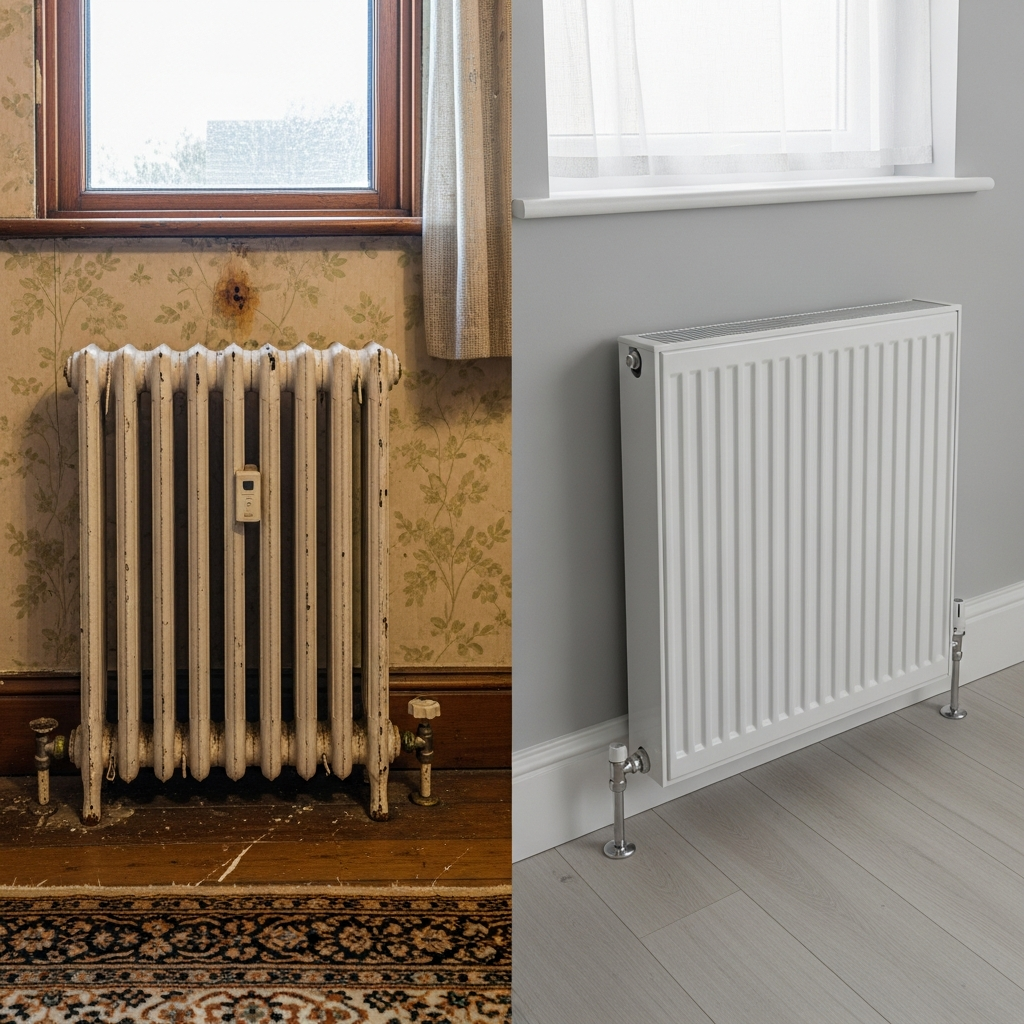
Standard air-to-water heat pumps work best at flow temperatures of 35-55°C. That's fine for homes with underfloor heating or generously sized radiators, but what if your home has small, older radiators that need 60°C or above?
This is where high temperature heat pumps come in. They can deliver flow temperatures of 65-80°C while still being significantly more efficient than direct electric heating.
Check if your home needs a standard or high-temperature system
Use the free calculatorNo email required. Instant results based on your property details.
What Is a High Temperature Heat Pump?
A high temperature heat pump works on the same principle as a standard unit — extracting heat from outdoor air using a refrigerant cycle. The difference is in the compressor technology and refrigerant, which allow output temperatures of 65-80°C (some up to 90°C). High temperature models typically use cascade or two-stage compressor systems, or specialist refrigerants like R290 (propane) or CO2.
When Do You Need a High Temperature Heat Pump?
1. Older Properties with Original Radiators
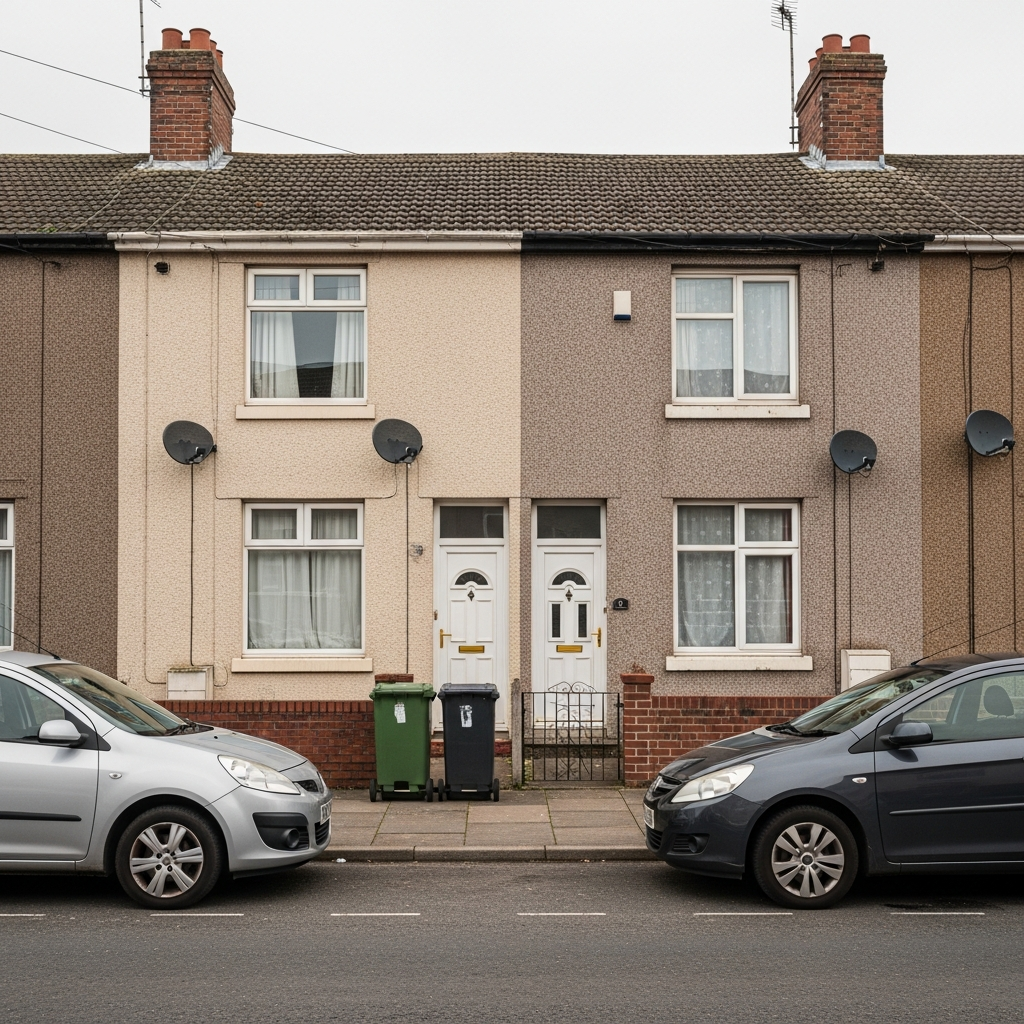
Victorian, Edwardian, and inter-war properties often have small cast iron or pressed steel radiators designed for 70-80°C. A high temperature heat pump can run these at 65-70°C without any changes. For more on radiator compatibility, see our radiators guide.
2. Listed Buildings and Conservation Areas
Changing radiators in listed buildings may require consent. A high temperature heat pump avoids altering the building's historic fabric.
3. Hard-to-Insulate Properties
Solid-walled properties with high heat loss may need higher flow temperatures to compensate without requiring extensive (and costly) insulation upgrades first.
4. Properties Where Radiator Replacement Is Impractical
Radiators recessed into walls, fitted under window seats, or integrated into cabinetry are costly to replace. A high temperature system avoids this.
Costs: High Temperature vs Standard Heat Pumps
| Flow Temperature | Typical COP | Approximate Annual Cost (3-bed) |
|---|---|---|
| 35°C (UFH) | 3.5 – 4.5 | £500 – £700 |
| 45°C (large radiators) | 3.0 – 3.8 | £600 – £850 |
| 55°C (standard radiators) | 2.5 – 3.2 | £750 – £1,000 |
| 65°C (high temp) | 2.2 – 2.8 | £850 – £1,150 |
| 75°C (high temp) | 1.8 – 2.5 | £1,000 – £1,350 |
The purchase premium is typically £2,000-4,000 above a standard system. But weigh this against £3,000-5,000 of radiator replacements a standard system might require — the high temperature option may be cheaper overall. High temperature heat pumps are eligible for the £7,500 BUS grant.

Available Models in the UK
Major brands offering high temperature models include Vaillant aroTHERM plus (up to 75°C), Daikin Altherma 3 H HT (up to 70°C), Mitsubishi Ecodan R290 (up to 75°C), Samsung EHS Mono HT, NIBE S-Series (up to 75°C), and Bosch Compress 7800i (up to 75°C).
High Temperature Heat Pumps vs Other Solutions
Four options for older properties:
- Standard heat pump + new radiators: Higher efficiency long-term, but more disruption and upfront cost (£11,000-17,000)
- High temperature heat pump + existing radiators: Lower disruption, £10,000-16,000 total
- Hybrid heat pump + gas boiler: Low disruption but still uses gas
- Standard heat pump + partial radiator upgrade: Good compromise for properties where only a few radiators are undersized
Find out which option works best for your property
Get free quotes from specialist installersMCS-certified installers assess your radiators as part of every survey. Free, no obligation.
Efficiency Tips for High Temperature Heat Pumps
- Use weather compensation: Don't run at 70°C all year. Let the system automatically reduce flow temperature on milder days.
- Insulate where you can: Even targeted improvements reduce heat demand and allow lower flow temperatures.
- Consider a hybrid approach: Upgrade radiators in 1-2 key rooms while keeping originals elsewhere.
- Use the lowest temperature that works: Try 65°C before assuming you need 75°C — many homes cope at lower temperatures than expected.

Frequently Asked Questions
What is a high temperature heat pump?
A heat pump designed to deliver water at 65-80°C (some up to 90°C), compared to standard models that typically max out at 55-60°C. They use advanced compressor technology or specialist refrigerants to achieve higher temperatures while maintaining reasonable efficiency.
Are high temperature heat pumps less efficient?
Yes, at the same flow temperature comparison. A high temperature heat pump at 70°C has a COP of around 2.2-2.8, versus 3.0-3.8 for a standard system at 45°C. However, it may be the more practical and cost-effective choice if the alternative involves extensive radiator replacements.
Do high temperature heat pumps qualify for the BUS grant?
Yes. They are eligible for the £7,500 Boiler Upgrade Scheme grant, provided they're installed by an MCS-certified installer.
Can I use a high temperature heat pump with underfloor heating?
Yes, but there's no benefit. UFH works at 30-40°C, so a standard heat pump would be more efficient and cheaper.
How much noisier are high temperature heat pumps?
Not significantly. Noise levels are comparable to standard models — typically 40-55 dB at one metre.
Is a high temperature heat pump right for my Victorian terrace?
Possibly. Victorian terraces often have small radiators, solid walls, and high ceilings — factors that favour high temperature. A proper heat loss survey is essential.
Will high temperature heat pumps get cheaper?
Almost certainly. As the UK retrofit market grows and more manufacturers enter the segment, competition and technological advances will drive prices down and efficiency up.
The Bottom Line
High temperature heat pumps bridge the gap between modern heating technology and the UK's older housing stock. If your property has small radiators, solid walls, or period features you want to preserve, a high temperature system lets you switch to a heat pump without ripping out your existing heating infrastructure.
The trade-off is lower efficiency and higher running costs compared to a standard system at lower temperatures. But compared to extensive radiator replacements — or continuing to burn gas — a high temperature heat pump is a practical, cost-effective solution. Pairing with solar panels can help offset the slightly higher electricity consumption.
Get expert advice on the right system for your older property
Get free quotes from specialist installersExperienced installers who understand period properties. Free, no obligation.
Understanding High Temperature Heat Pumps in Context
High temperature heat pumps are a critical technology for decarbonising the UK's older housing stock. By delivering flow temperatures of 65-80°C, they enable air source heat pump installation in properties where standard systems would require extensive radiator replacements. Advanced refrigerants like R290 and cascade compressor designs are pushing efficiency higher each year. Combined with BUS grant funding, targeted insulation improvements, and solar energy, high temperature heat pumps make the transition from gas boilers practical for millions of period and hard-to-treat UK homes.