Heat Pump vs LPG Cost Comparison UK 2026
If you heat with LPG, you are paying some of the highest energy bills in the country -- and a heat pump could cut those costs by £300 to £635 a year. With the £7,500 BUS grant, LPG households have the strongest financial case to switch of any fuel type in the UK.
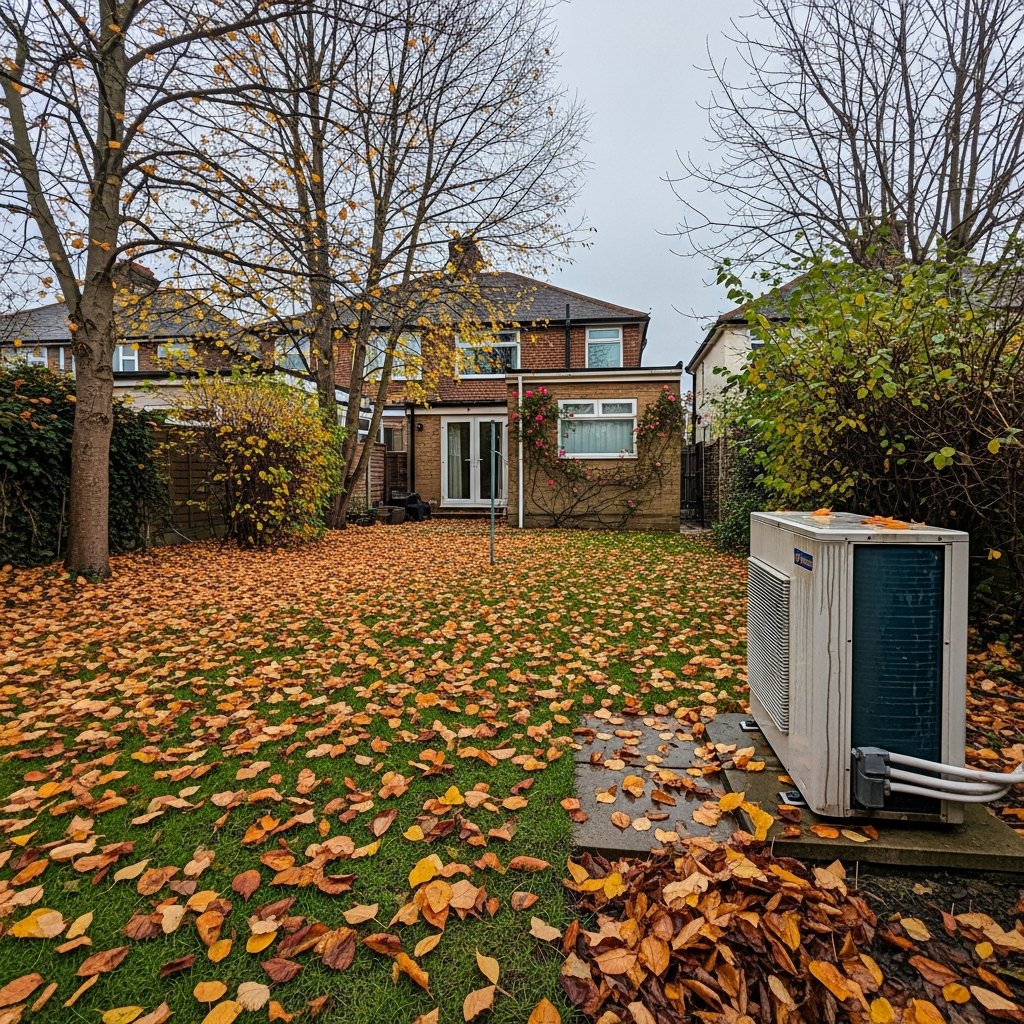
LPG prices have been volatile, delivery charges add up, and there is no Ofgem price cap protecting you the way mains gas customers are protected. This guide compares the full costs of heat pumps versus LPG heating -- from installation to running costs to long-term payback. If you live in a rural area without mains gas, this comparison could change how you heat your home.
For a broader view of all heat pump costs in the UK, start with our main cost guide. This page focuses specifically on the LPG comparison that matters most to off-grid homeowners.
Find out what switching from LPG would save you
Use the free calculatorNo email required. Enter your LPG spend and get an instant comparison.
Current LPG Heating Costs in the UK
LPG (liquefied petroleum gas) is delivered by tanker and stored in a tank at your property. It is the most common heating fuel for rural homes not connected to the mains gas network. But it comes at a premium.
LPG Fuel Prices
As of early 2026, LPG prices typically range from 55p to 75p per litre. Converting to a price per kilowatt-hour of heat delivered:
- LPG energy content: approximately 7.11 kWh per litre
- LPG boiler efficiency: 89-92% for a modern condensing model
- Effective cost per kWh of heat: approximately 8.5p to 11.5p per kWh
These figures make LPG roughly 40-60% more expensive per unit of heat than mains gas. And unlike gas, LPG has no regulatory price cap, so prices can spike significantly during cold winters when demand surges.

Typical Annual LPG Heating Bills
For a three-bedroom rural home with an annual heat demand of 12,000 kWh:
- LPG consumption: approximately 1,870 litres per year (at 90% boiler efficiency)
- Annual fuel cost at 65p/litre: approximately £1,215
- Tank rental (if applicable): £50 to £120 per year
- Annual boiler service: £80 to £120
- Total annual cost: approximately £1,345 to £1,455
For a larger four-bedroom detached property (18,000 kWh heat demand), the annual LPG bill alone can easily exceed £1,800 before tank rental and servicing.
Heat Pump Costs for the Same Properties
Installation Costs
A typical air source heat pump installation for a rural property costs between £8,000 and £14,000 before the BUS grant. The Boiler Upgrade Scheme provides £7,500 towards the cost, bringing the net price down significantly:
- Three-bedroom rural home: £9,000-£12,000 total cost, approximately £1,500-£4,500 after BUS grant
- Four-bedroom detached: £11,000-£15,000 total cost, approximately £3,500-£7,500 after BUS grant
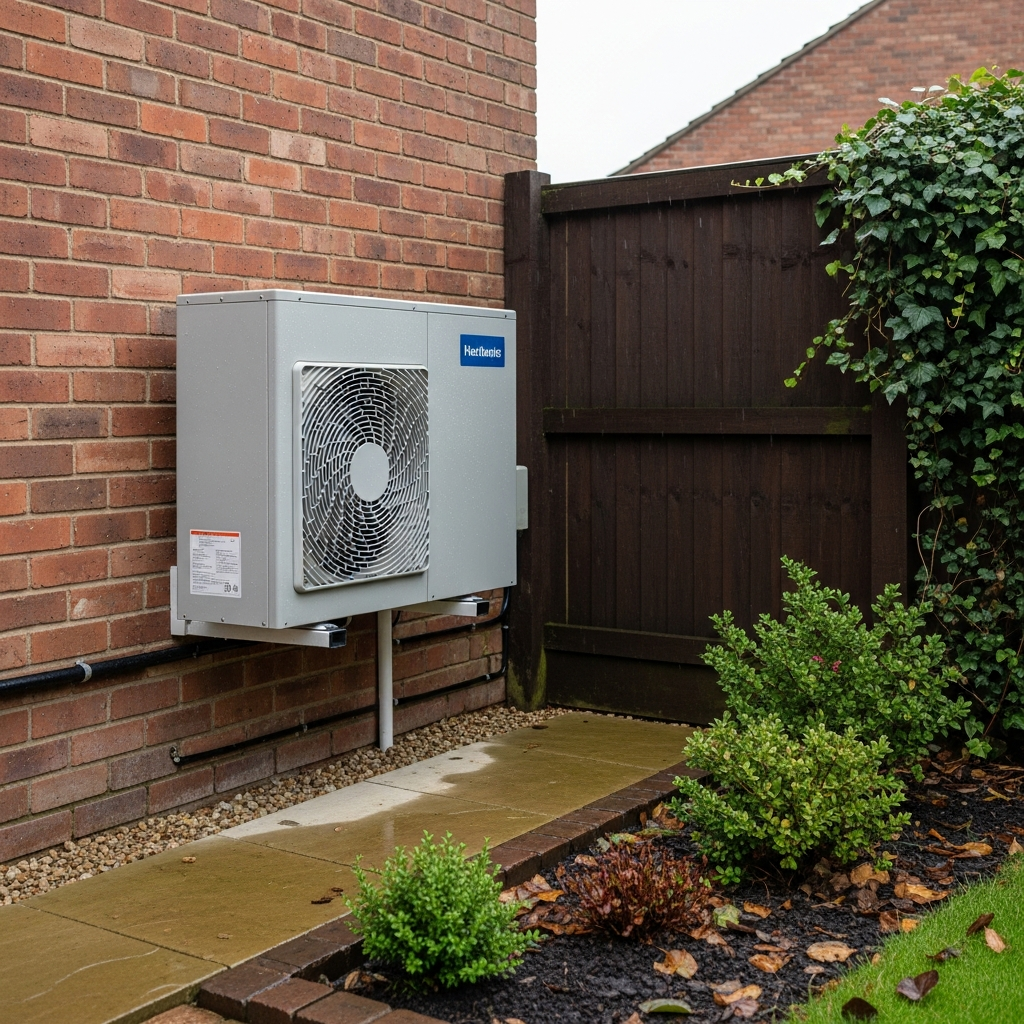
Rural properties often suit heat pumps well. There is usually plenty of outdoor space for the unit, and noise is less of a concern with distant neighbours. The main consideration is ensuring adequate insulation, which some older rural homes may need improving. Check our suitability checker to see how your property stacks up.
Running Costs
Using the same three-bedroom home with 12,000 kWh heat demand, a heat pump with a seasonal COP of 3.0 at the standard electricity rate of 24.50p per kWh:
- Electricity consumed: 4,000 kWh (12,000 / 3.0)
- Annual electricity cost: £980
- Annual service cost: £100 to £150
- Total annual cost: approximately £1,080 to £1,130
With a time-of-use electricity tariff (blended rate of 18p/kWh), the electricity cost drops to approximately £720, bringing the total to around £820 to £870.
Get quotes from MCS-certified installers in your area
Get free quotesCompare up to 3 quotes from vetted local installers. No obligation.
Head-to-Head Annual Cost Comparison
For a three-bedroom rural home (12,000 kWh heat demand):
- Annual saving (standard tariff): £215 to £375
- Annual saving (TOU tariff): £475 to £635

For a four-bedroom detached (18,000 kWh heat demand):
- Annual saving (standard tariff): £340 to £560
- Annual saving (TOU tariff): £730 to £950
If you also generate electricity with solar panels, a proportion of the heat pump's consumption costs nothing at all, pushing savings even higher.
Payback Period Analysis
The payback period depends on your net installation cost after the BUS grant and your annual savings. Here are realistic scenarios:
Even the worst case delivers payback within the 20-year lifespan of a heat pump. And these calculations use current energy prices -- if LPG prices rise or electricity levies are rebalanced (as the government has indicated), the payback shortens considerably.
Use our heat pump calculator to get a payback estimate specific to your property and current fuel costs.
Beyond the Numbers: Why LPG Users Should Consider Switching
Price Stability
LPG prices fluctuate with global oil markets and have no regulatory price cap. Electricity prices, while not immune to volatility, are regulated by Ofgem and increasingly influenced by domestic renewable generation. Switching to a heat pump gives you more predictable heating costs.
No More Deliveries
Running out of LPG in January is a genuine risk for some rural homeowners. Heat pumps run on electricity from the grid -- always available, always on. No more scheduling deliveries, worrying about access for the tanker, or paying premium rates for emergency top-ups.
Tank Removal
Once you switch, the LPG tank can be removed (your supplier will collect it if it is rented). This frees up garden space and removes the associated safety considerations of storing pressurised gas on your property.
Property Value
Moving away from LPG typically improves your EPC rating, which can positively impact property value. Buyers increasingly view LPG dependency as a negative, whilst a modern heat pump is seen as a future-proofed solution. Read more in our guide to whether heat pumps are worth it.
Practical Considerations for LPG-to-Heat-Pump Switches
Radiator Upgrades
Many rural properties with LPG boilers have standard radiators sized for high flow temperatures (70-80°C). Heat pumps work most efficiently at lower flow temperatures (35-45°C), so some radiators may need upsizing. An installer will calculate the heat loss for each room and determine whether existing radiators are adequate. See our guide on whether you need new radiators for a heat pump.
Hot Water Cylinder
If your LPG system has an existing hot water cylinder, it may be reusable with the heat pump. If you currently have a combi boiler setup, you will need a new cylinder installed, which adds to the cost but is included in most installer quotes.
Insulation
Rural properties -- particularly older stone cottages and farmhouses -- can have poor insulation. Improving insulation before or alongside a heat pump installation reduces the size of system needed, lowers running costs, and improves comfort. Loft insulation, cavity wall insulation (where applicable), and draught-proofing are the most cost-effective measures.
Planning Permission
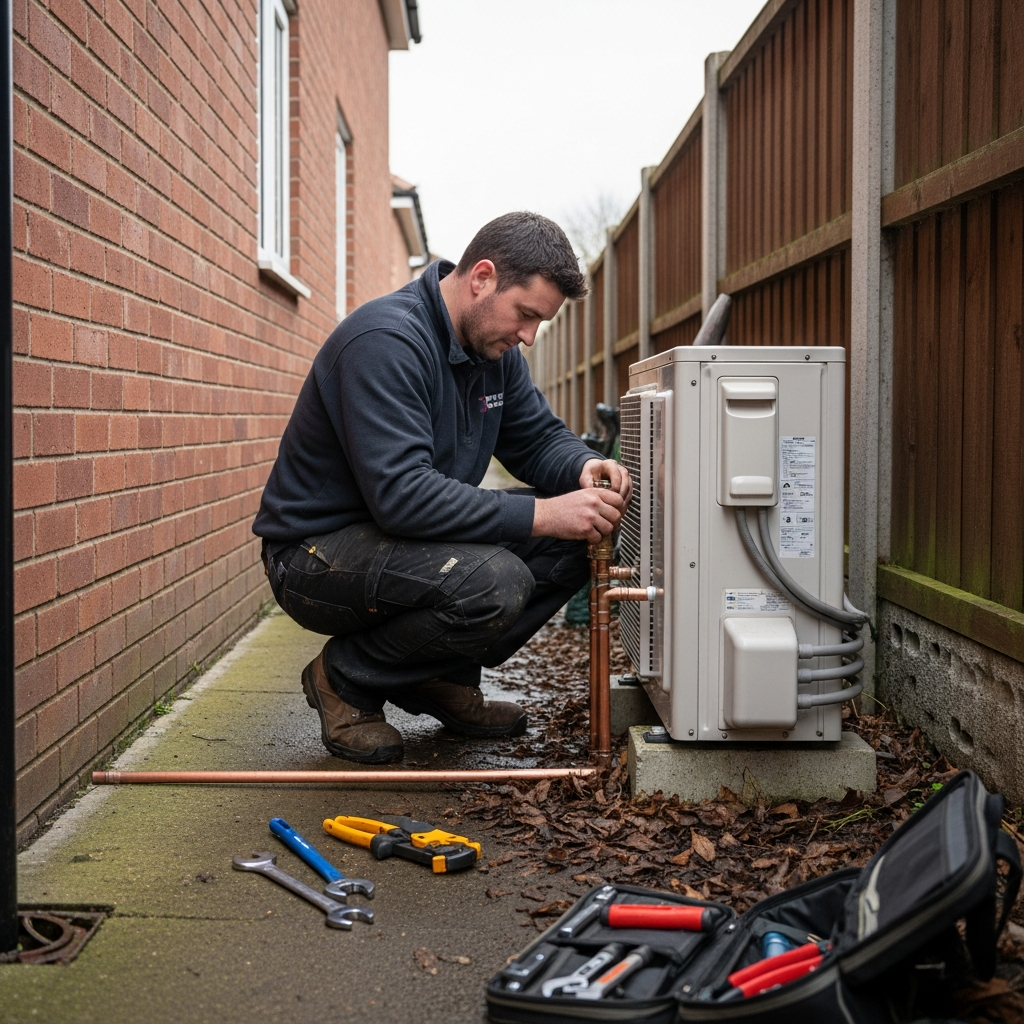
Air source heat pumps generally fall under permitted development rights in England and Wales. However, properties in conservation areas, listed buildings, or those in national parks may need planning permission. Our installation guide covers the full planning process.
Pairing a heat pump with solar panels for your rural home can offset a significant chunk of the electricity cost, making the economics even more attractive for off-grid properties.
What About Hybrid Systems?
Some LPG users consider a hybrid system -- keeping the LPG boiler as backup while installing a heat pump for most of the year's heating. This can work, but for LPG users the economics are less compelling than for mains gas users. The high cost of LPG means you save more by replacing it entirely than by keeping it as a backup.
A full heat pump replacement, combined with good insulation and correctly sized radiators, can handle even the coldest UK days. The hybrid approach adds complexity and maintenance cost for a backup you should rarely need. For a more detailed comparison of running costs across all fuel types, see our running costs guide.
Frequently Asked Questions
Can a heat pump heat a rural home as effectively as LPG?
Yes, provided the system is correctly sized and the property is reasonably insulated. Modern air source heat pumps operate efficiently down to outdoor temperatures of -20°C or below. The UK rarely experiences temperatures below -10°C, even in northern Scotland. A properly specified system will keep your home comfortable year-round.
What happens to my LPG tank when I switch?
If the tank is rented from your supplier (which is most common), they will arrange collection at no charge. If you own the tank, you can have it decommissioned and removed by a qualified engineer, or sell it. Most suppliers require a notice period, so check your contract terms before switching.
Is the BUS grant available for homes currently using LPG?
Yes. The Boiler Upgrade Scheme is available for properties replacing any existing fossil fuel heating system, including LPG boilers. You must use an MCS-certified installer and GOV.UK does not list an EPC as an eligibility condition with no outstanding loft or cavity wall insulation recommendations (or these must be addressed first).
Will I need three-phase electricity for a heat pump?
Most domestic heat pumps up to about 14kW operate on single-phase electricity, which is standard in UK homes. Larger systems (typically for bigger properties needing 16kW+) may require three-phase supply. Your installer will advise during the survey.
How do heat pump running costs compare if LPG prices rise?
If LPG prices increase by just 10p per litre (from 65p to 75p), the annual saving from a heat pump increases by approximately £165 for a three-bedroom home. Every price increase for LPG strengthens the case for switching.
Can I get the heat pump installed before the LPG contract ends?
Yes. Most LPG contracts allow you to stop ordering fuel at any time -- the contract typically relates to the tank, not the fuel. You can have the heat pump installed and switch over immediately, then arrange tank removal. Check your specific contract for any early termination clauses on tank rental.
Ready to ditch LPG? See what a heat pump would cost
Get free quotes nowCompare quotes from MCS-certified installers experienced with LPG replacements.
About this guide: This article is part of the Home Heat Pump Guide cost cluster, covering every aspect of heat pump costs in the UK. Heat pumps are a key technology in the UK's transition to low-carbon heating, supported by the Boiler Upgrade Scheme. For rural properties, combining a heat pump with solar panels can further reduce electricity costs and carbon emissions, contributing to the government's net zero targets.