Heat Pump vs Electric Storage Heater Costs UK 2026
If you heat with electric storage heaters or panel heaters, you are paying the highest heating bills of anyone in the UK. A heat pump can slash those costs by 60-70% -- saving a three-bedroom household up to £1,200 a year -- because it produces three units of heat for every unit of electricity consumed.
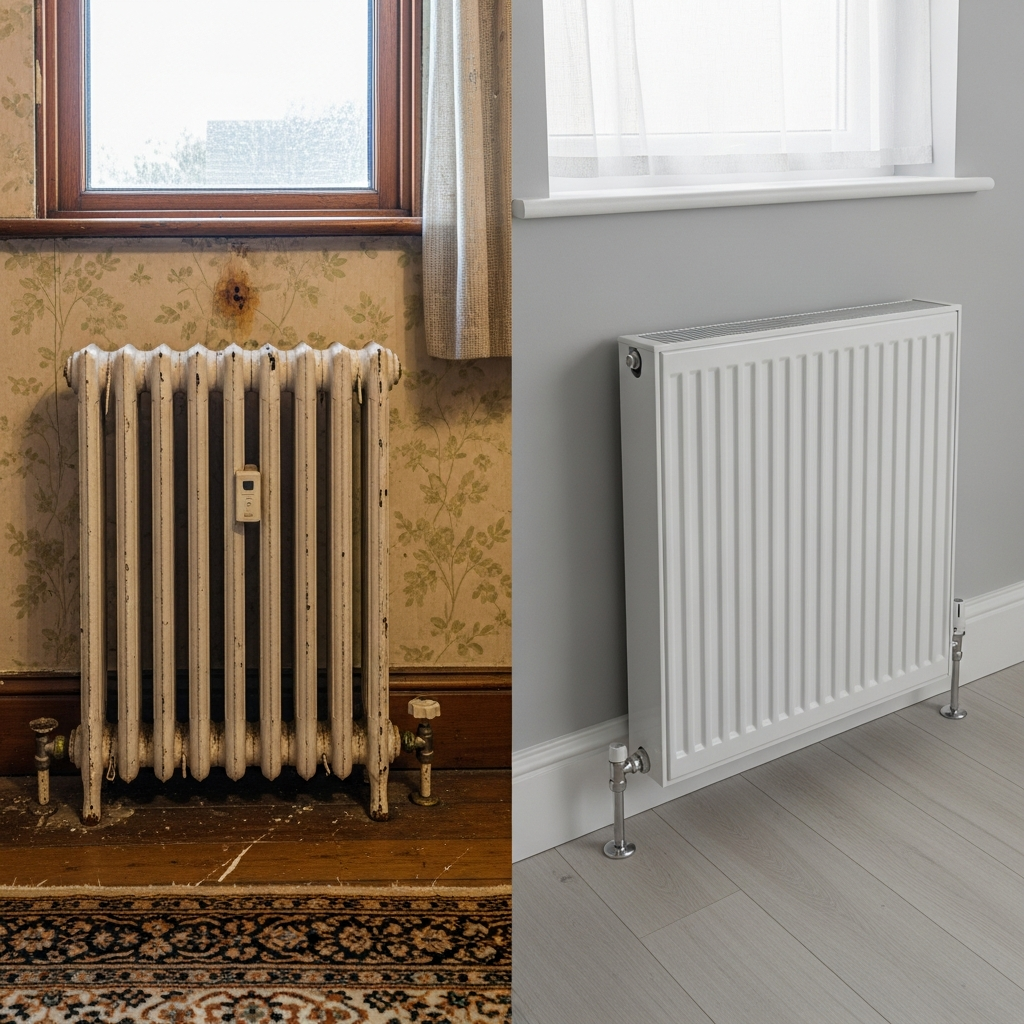
The confusion around heat pump economics disappears when you compare them to electric heating. Electric resistance heating -- whether storage heaters, panel heaters, or convectors -- operates at a COP of 1.0. That means every 1kWh of electricity produces exactly 1kWh of heat. A heat pump, by contrast, produces 2.5 to 3.5 kWh of heat from the same 1kWh of electricity. The savings potential is enormous.
For the complete picture across all heating types, see our heat pump cost guide.
See how much you could save by switching from electric heating
Use the free calculatorInstant results. No email required.
Why Electric Heating Is So Expensive
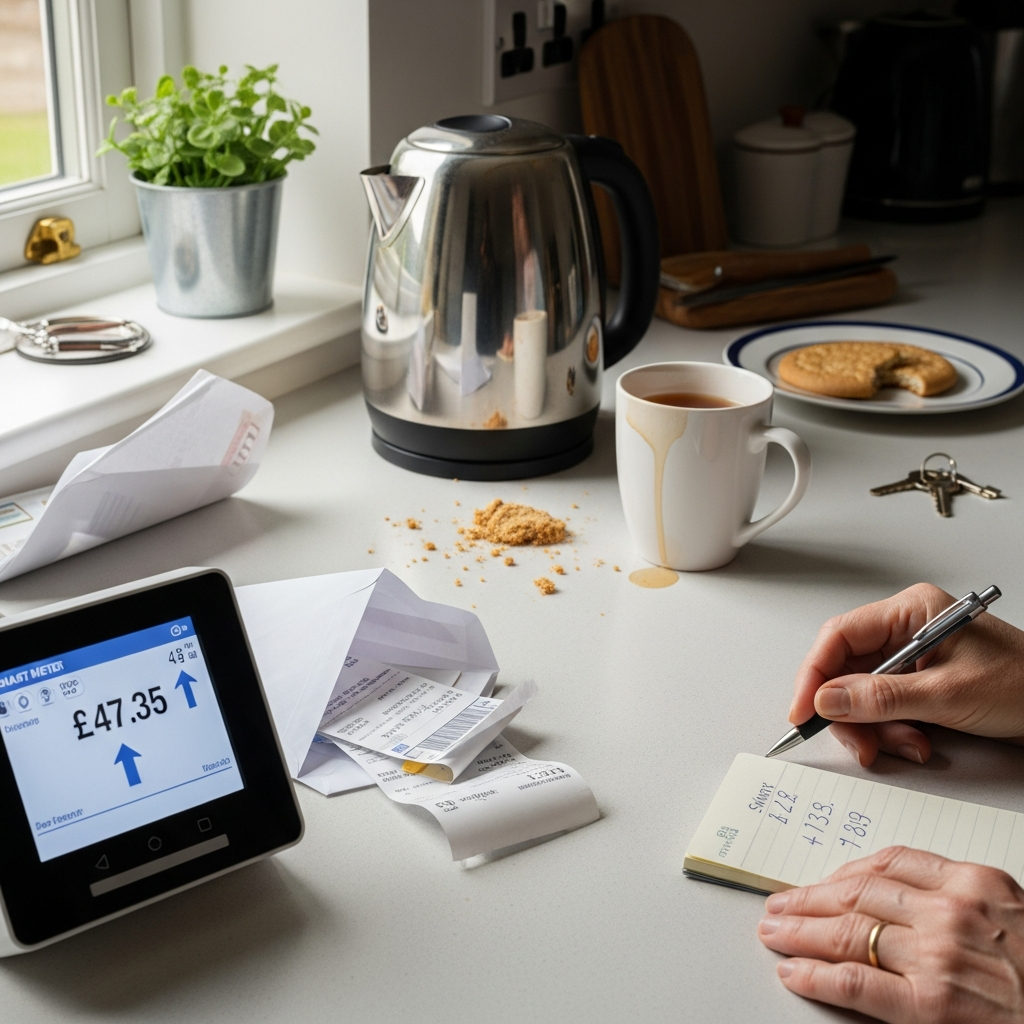
The fundamental problem with electric storage heaters, panel heaters, and other direct electric heating is simple physics. They convert electricity to heat at a 1:1 ratio. At the current Ofgem electricity rate of 24.50p per kWh, every kilowatt-hour of heat costs you 24.50p.
| Heating System | Cost Per kWh of Heat |
|---|---|
| Electric storage heaters (Economy 7) | 10-15p |
| Panel heaters (standard rate) | 24.50p |
| Gas boiler (90% efficient) | ~7.2p |
| Heat pump (COP 3.0, standard) | ~8.2p |
| Heat pump (COP 3.0, TOU tariff) | ~6.0p |
Even on an Economy 7 tariff where off-peak electricity costs 10-12p per kWh, storage heaters still cost more per unit of heat than a heat pump on a standard tariff.
The Storage Heater Problem
Storage heaters were designed for a world where overnight electricity was very cheap. They charge up using off-peak electricity (typically midnight to 7am) and release heat during the day. In practice, they release most of their heat in the morning when you may not need it, and by evening they have often run out of stored heat. You then use expensive peak-rate panel heaters to top up.
What Electric Heating Actually Costs Per Year
These are stark numbers. A three-bedroom house heated with panel heaters on a standard tariff could be spending nearly £3,000 per year on heating alone.
Heat Pump Costs for the Same Properties
Using a seasonal COP of 3.0 and the standard electricity rate of 24.50p per kWh:
| Property | Heat Demand | HP Cost (Standard) | HP Cost (TOU) |
|---|---|---|---|
| 1-bed flat | 4,500 kWh | £368 | £270 |
| 2-bed flat | 7,000 kWh | £572 | £420 |
| 3-bed house | 12,000 kWh | £980 | £720 |
| 4-bed house | 18,000 kWh | £1,470 | £1,080 |
The Savings Are Enormous
Annual savings from switching to a heat pump, compared to electric storage heaters:
Compared to panel heaters on standard tariff, the savings are even larger -- up to 70% reduction in heating costs. For a detailed breakdown, see our running costs guide.
Compare quotes from local MCS-certified installers
Get free quotesNo obligation. Installers experienced with electric-to-heat-pump conversions.
Installation Costs and Payback
The Challenge: No Existing Wet System
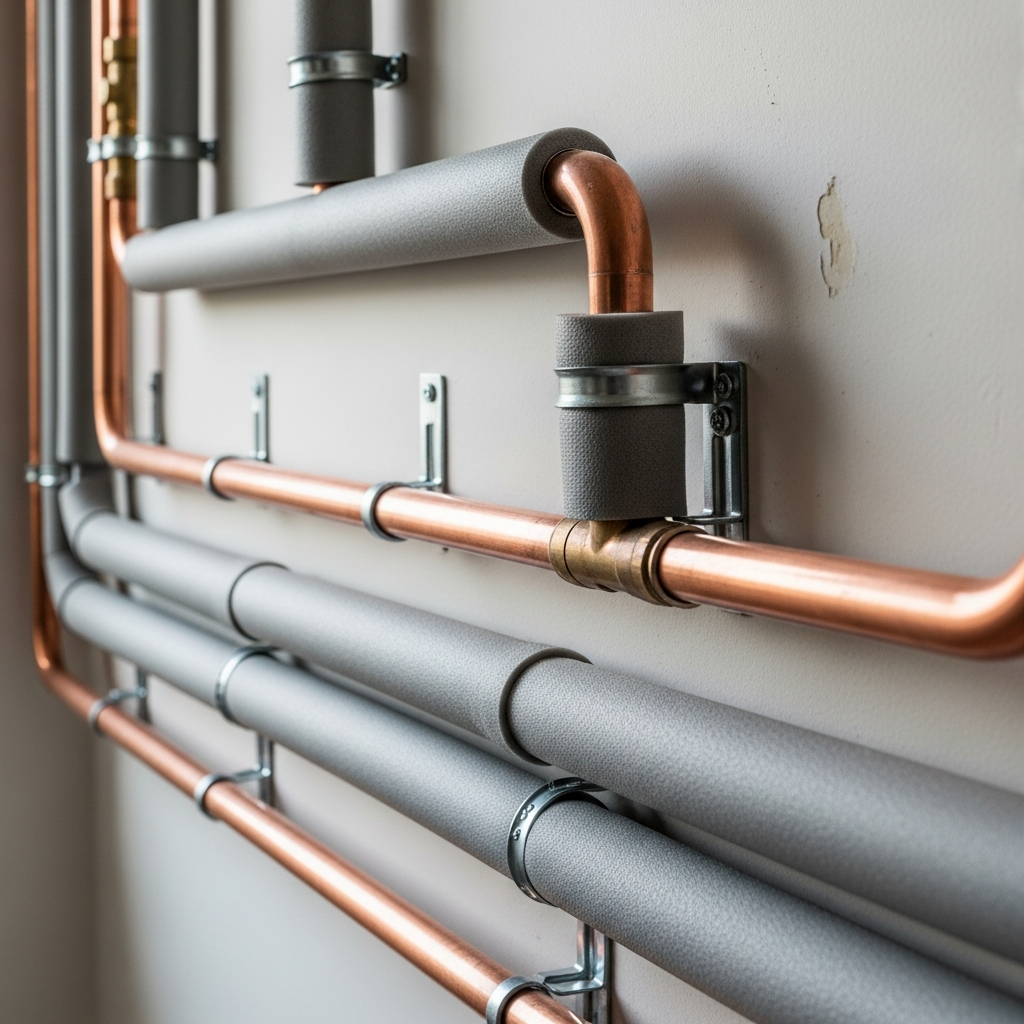
The biggest consideration for homes currently heated electrically is that there is usually no existing wet central heating system -- no radiators, no pipework, no hot water cylinder. Installing a heat pump means installing an entire wet heating system from scratch, which increases the cost significantly.
After the BUS grant of £7,500, typical costs reduce to:
- 1-bed flat: £2,500-£6,500 after grant
- 2-bed flat: £4,500-£8,500 after grant
- 3-bed house: £6,500-£12,500 after grant
- 4-bed house: £8,500-£16,500 after grant
Despite the higher installation cost, the massive running cost savings mean payback can be surprisingly quick -- typically 5-13 years for a three-bedroom house.
Practical Considerations for Electric-to-Heat-Pump Switches
Flats and Apartments
Many electrically heated properties are flats. Installing a heat pump in a flat presents specific challenges: you need space for an external unit, permission from the freeholder, and space inside for a hot water cylinder and pipework. It is possible but requires careful planning.
Disruption During Installation
Because you are installing an entirely new heating system, the work is more disruptive than a simple boiler swap. Expect pipework to be run through the property, radiators installed in each room, and a hot water cylinder fitted. This typically takes 3-5 days. Plan for spring or autumn when you are least dependent on heating. Our installation guide walks through the full process.
Electrical Supply Advantage
Homes with electric heating already have a robust electrical supply, which is actually an advantage. Many already have higher-rated fuses, meaning the heat pump can be connected without any electrical upgrade.
If you also have access to a roof, adding solar panels can offset a large proportion of the heat pump's electricity consumption, making the savings even more dramatic for electrically heated homes.

What About Air-to-Air Heat Pumps?
Air-to-air heat pumps (essentially reversible air conditioning units) are a lower-cost alternative that can work well in some electrically heated properties. They cost £1,500-£3,000 per unit and operate at COP 3.0-4.0. However, they provide warm air rather than radiator heating, do not provide hot water, and typically heat individual rooms rather than the whole house.
For a single room or open-plan flat, an air-to-air unit can be a pragmatic intermediate step. For whole-house heating and hot water, an air-to-water heat pump with a wet system is the better long-term solution. For more on system types, see our complete guide to air source heat pumps.
Frequently Asked Questions
Is it worth switching from storage heaters to a heat pump?
In most cases, yes. The running cost savings of 60-70% are the largest of any heating switch. Even with the higher installation cost of fitting a complete wet system, the payback period is typically 5-15 years, well within the 20-year lifespan of the heat pump. The improvement in comfort is also significant.
Can I get the BUS grant if I have electric heating?
Yes. The Boiler Upgrade Scheme covers replacement of any existing heating system, including electric storage heaters and other electric heating. The property must have a valid EPC and any recommended insulation must be in place.
What if I only have panel heaters, not storage heaters?
The case for switching is even stronger. Panel heaters use peak-rate electricity at 24.50p per kWh, making them the single most expensive way to heat a home. A heat pump will save you 65-75% on heating costs compared to panel heaters.
Will the heat pump need a bigger electrical supply?
Usually not. Most electrically heated homes already have a sufficient electrical supply for a heat pump. A typical air source heat pump draws 2-5kW of electricity, which is less than many electric heating systems combined.
How much will my electricity bill change?
Your overall electricity consumption will drop significantly. If you currently use 12,000 kWh for heating, a heat pump at COP 3.0 will use only 4,000 kWh for the same heat output. Your electricity bill for heating falls by roughly two-thirds.
Stop overpaying for electric heating -- see your savings
Calculate your savings nowFree, instant results based on your current electricity spend.
About this guide: This article is part of the Home Heat Pump Guide cost cluster, covering the financial case for heat pump installations across all UK property types. Electrically heated homes stand to benefit the most from switching, particularly when combined with solar panel installations that can further reduce electricity costs. The Boiler Upgrade Scheme makes these switches more affordable than ever.