Heat Pump Technology Trends UK: What Is Coming Next

Heat pump technology is advancing rapidly, with new developments in refrigerants, compressor design, smart controls, and integration with solar and battery systems. But here is the most important thing to understand: you do not need to wait. Today's heat pumps are already highly efficient, the BUS grant makes them affordable now, and every year you wait is a year of gas bills you could have avoided. That said, understanding what is coming helps you make the smartest choice today — particularly around refrigerant type and smart control capabilities.
Ready to invest in proven technology now?
Get Your Free Cost EstimateSee what today's best technology would cost for your home — under 2 minutes.
Trend 1: Universal R290 Refrigerant Adoption
The industry is transitioning from R32 to R290 (propane) across all brands. Vaillant, Nibe, Viessmann, Bosch, and others have already made the switch. Mitsubishi, Daikin, and Samsung have R290 models in development. By 2028, R290 will likely be the default across all brands.
Trend 2: AI-Powered Smart Controls
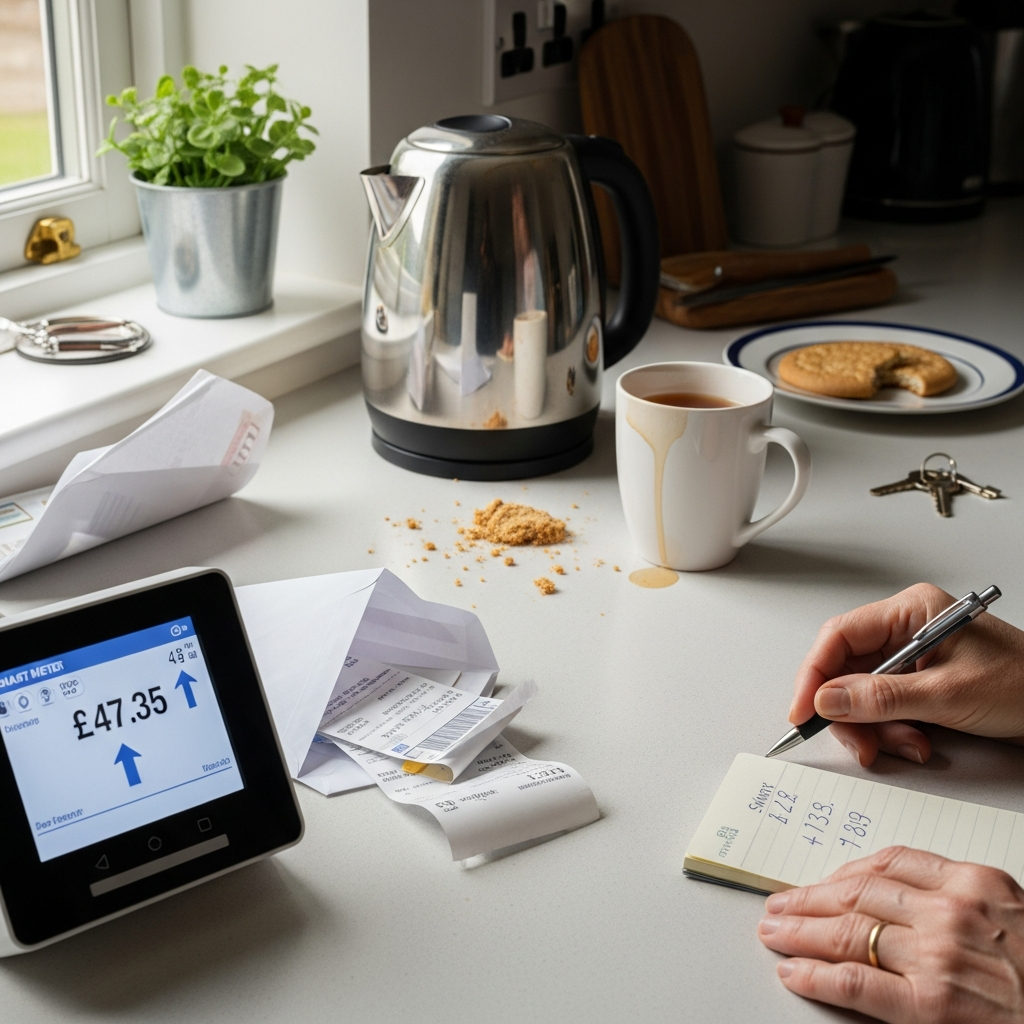
Heat pumps are getting smarter. Nibe's myUplink and Viessmann's ViCare already optimise heating around weather forecasts and electricity tariffs. Future systems will learn household patterns, predict heating demand, and coordinate with smart grid signals to minimise costs automatically.
Trend 3: Solar, Battery, and EV Integration
The future home energy system combines solar panels, battery storage, a heat pump, and EV charging — all managed by a single intelligent controller. Viessmann already leads in this area with their GridBox energy management system. The result: near-zero energy bills for optimally configured homes.
Trend 4: Smaller, Quieter Units
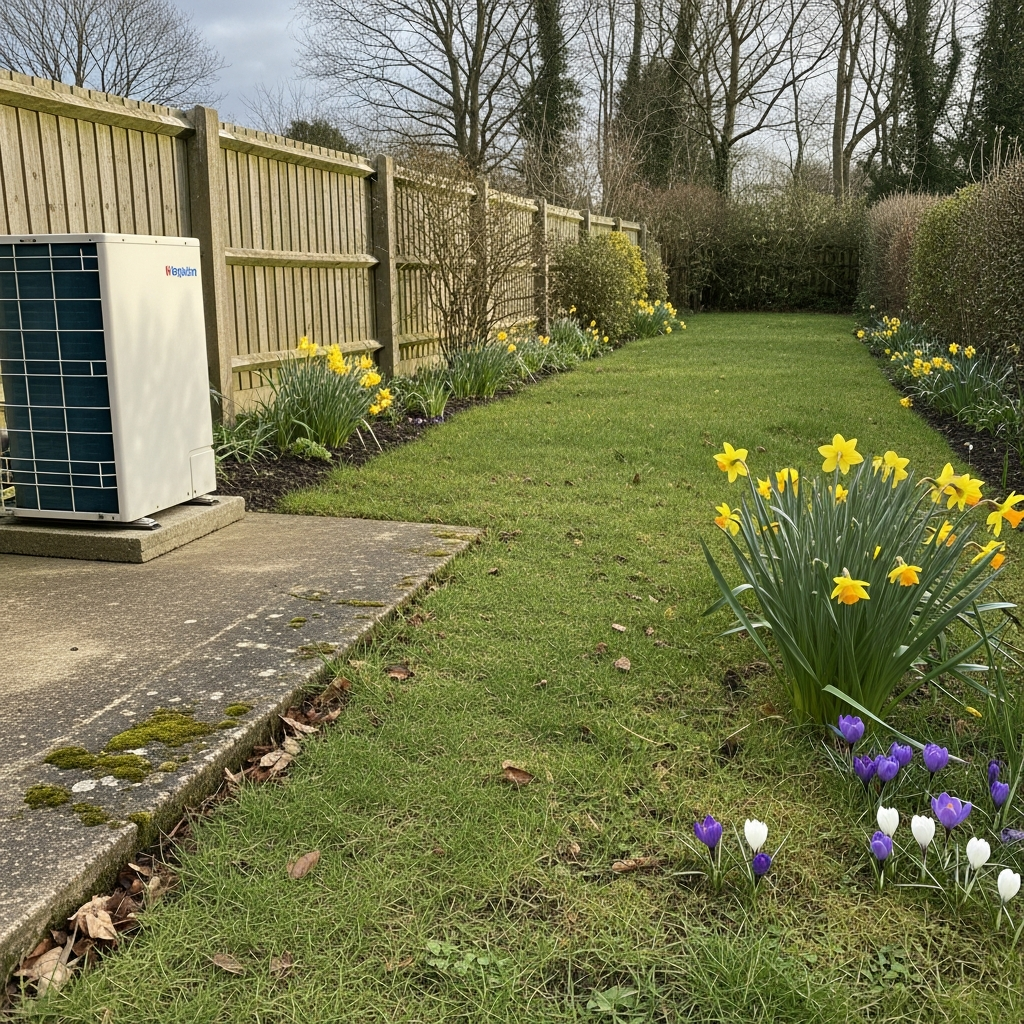
Heat pumps are shrinking. New compressor designs and improved heat exchangers deliver the same output from smaller units. Stiebel Eltron already achieves 32dB — quieter than ambient background noise. By 2028, expect all brands to achieve sub-35dB operation.
Trend 5: Falling Costs
As manufacturing scales up and competition intensifies, heat pump prices are expected to fall 10–20% over the next 5 years. However, the £7,500 BUS grant may not continue indefinitely — buying now with the grant may deliver better value than waiting for lower prices without it.

Should You Wait for Better Technology?
No. Current heat pumps are excellent. Waiting means:
- Missing £500–£800/year in gas bill savings
- Risking the BUS grant being reduced or ended
- Future improvements will be incremental, not revolutionary
- R290 and smart controls are already available from leading brands
The best strategy: buy an R290 model with good smart controls today, and benefit from both current savings and future firmware updates.
Get future-proof heat pump quotes today
Get Free Installer QuotesAsk for R290 models with smart controls — no obligation.

Frequently Asked Questions
Should I wait for better technology?
No. Current heat pumps are highly efficient and the BUS grant makes them affordable now. Every year you wait is a year of gas bill savings missed.
Will heat pumps get cheaper?
Prices are expected to fall 10–20% over 5 years. But the BUS grant may not continue — buying now with the grant may be better value.
What is the biggest trend?
Universal transition to R290 refrigerant and AI-powered smart controls are the two most significant developments.
Will heat pumps work with smart grids?
Already happening. Nibe and Viessmann already optimise around time-of-use tariffs.
Are revolutionary new designs coming?
Caloric (solid-state) heat pumps are in development but 5–10 years from commercial availability. Current technology will remain dominant through the 2030s.
How will heat pumps integrate with solar?
Integration is improving rapidly. Future systems will coordinate solar PV, batteries, heat pumps, and EV charging as unified home energy systems.
Get started with today's best technology
Check Your Home's SuitabilityFree 2-minute assessment — no waiting required.
The Future Is Already Here
Heat pump technology in 2026 is mature, efficient, and affordable. The BUS grant of £7,500 makes even premium R290 brands accessible. Solar panel systems can generate the electricity your heat pump consumes. Smart controls already optimise running costs around tariff pricing. Whether you are comparing brands in our brand comparison guide or weighing up the value proposition, the message is clear: do not wait for the future when excellent technology is available today.