Air Source Heat Pump EPC Rating Impact
Installing an air source heat pump typically improves your EPC by 1–3 bands — potentially adding 3–14% to your property value and future-proofing against tightening rental regulations.
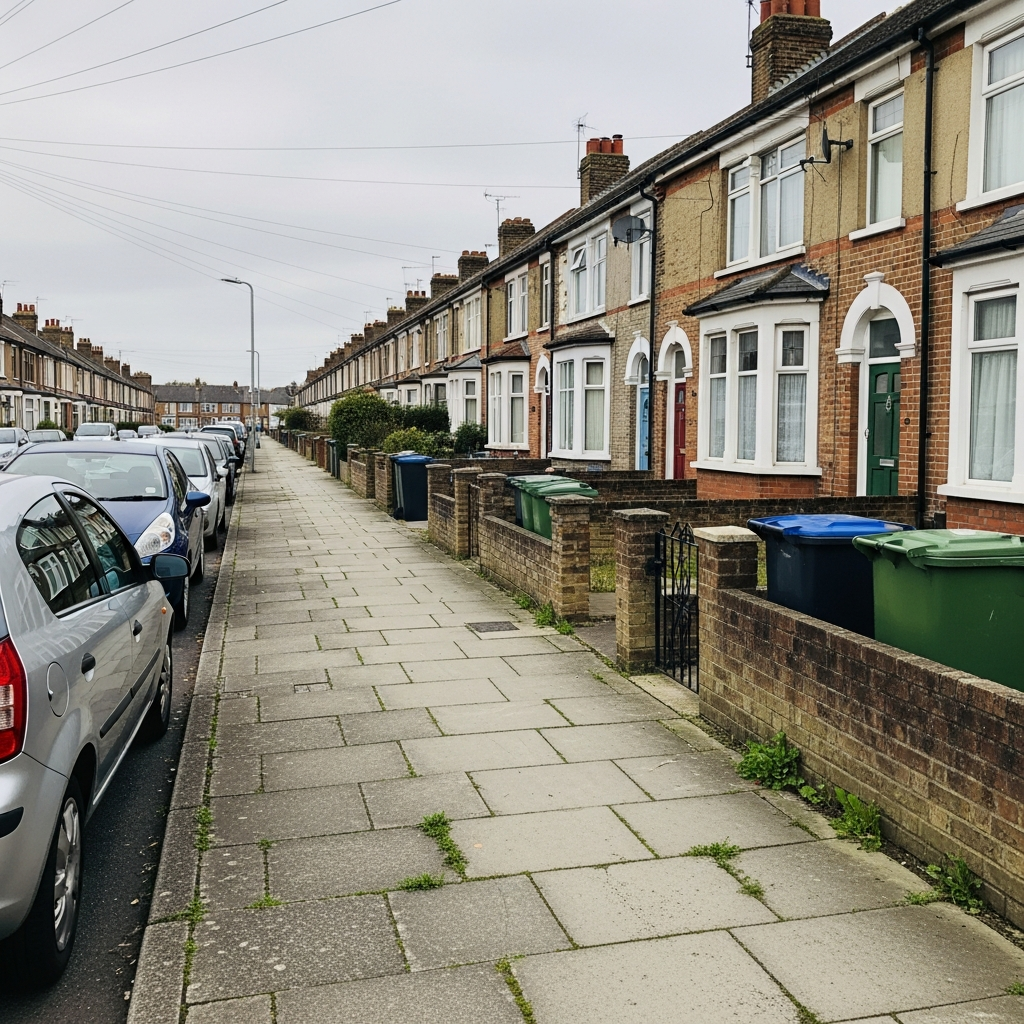
One of the less-discussed benefits of installing an air source heat pump is the positive impact on your property's Energy Performance Certificate (EPC) rating. Whether you are trying to improve your EPC for regulatory compliance, boost property value, or simply document your home's efficiency, a heat pump makes a significant difference.
See how much a heat pump would save — and what it adds to your home
Get a personalised cost, savings, and EPC impact estimate in 60 seconds.
Calculate my savings →In this guide:
How the EPC Rating System Works
An EPC rates your home's energy efficiency on a scale from A (most efficient) to G (least efficient), with a numerical score from 1 to 100+. The key factors are:
- Heating system efficiency — how efficiently the main heating system converts fuel or electricity into useful heat
- Insulation levels — walls, roof, floor, and glazing
- Hot water system — efficiency of production and storage
- Lighting — proportion of low-energy lighting
- Renewable energy generation — solar panels, etc.
- Fuel type — carbon intensity and cost of fuel used
The EPC methodology (SAP) assigns specific efficiency values to different heating systems. Heat pumps score very well because they produce significantly more heat energy than they consume in electricity.
How a Heat Pump Improves Your EPC
Heating System Efficiency Rating
Typical EPC Improvement
| Replacing | EPC Score Improvement | Typical Band Jump |
|---|---|---|
| Old gas boiler (non-condensing) | 15–30 points | 2–3 bands (e.g. D → B) |
| Modern condensing gas boiler | 5–15 points | 1–2 bands (e.g. C → B) |
| Oil boiler | 20–35 points | 2–3 bands |
| Electric storage heaters | 10–25 points | 1–2 bands |
| LPG heating | 15–30 points | 2–3 bands |
These are indicative ranges. The actual improvement depends on the rest of the property.
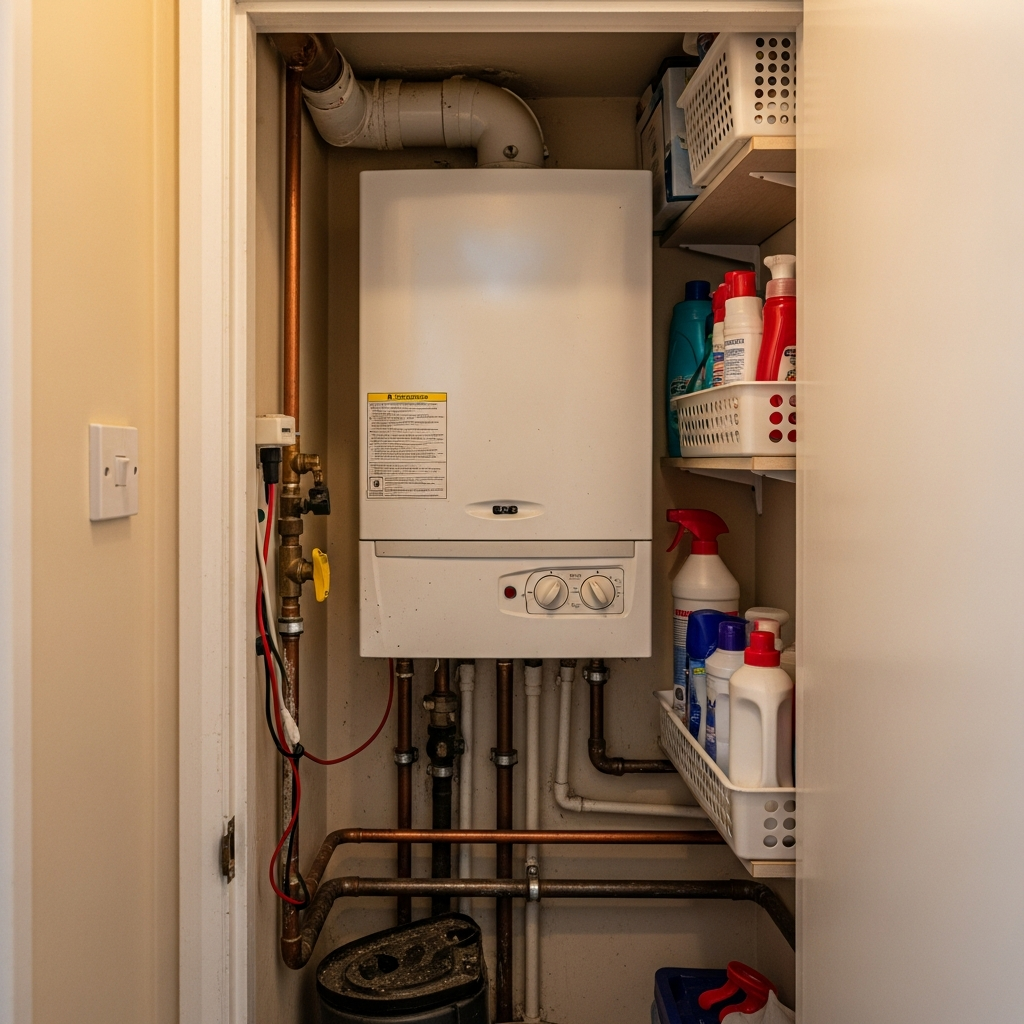
EPC and the Boiler Upgrade Scheme
To claim the BUS grant of £7,500, GOV.UK does not list an EPC as an eligibility condition. The EPC does not need to show a specific rating — there is no minimum requirement. However, the EPC must exist and be current (less than 10 years old).
The EPC is assessed before the heat pump is installed. If your current EPC is low, that does not prevent you from getting the grant. After installation, you can commission a new EPC that will show the improved rating.
EPC, Minimum Energy Efficiency Standards, and Landlords
If you are a landlord, the EPC has legal teeth. The Minimum Energy Efficiency Standards (MEES) require rental properties to meet a minimum EPC rating:
- Current requirement: minimum EPC band E for all tenancies (since April 2020)
- Proposed future requirement: the government has consulted on raising the minimum to EPC C
For landlords with properties rated D, E, F, or G, installing a heat pump could be the most effective single measure to meet current or future MEES requirements. The capital cost is partially offset by the BUS grant.
Compare quotes from MCS-certified installers to improve your EPC and cut heating costs
Get 3 free quotes →No obligation. No sales calls. We are not installers.
EPC and Property Value
Research consistently shows that higher EPC ratings correlate with higher property values:
- Moving from EPC band G to E can add 6-14% to a property's value
- Moving from band D to band B can add 3-8% to value
- Properties with EPC band A or B sell faster than those rated D or below
A heat pump is visible proof that a home has modern, efficient heating — which resonates with buyers who are increasingly aware of energy costs and carbon footprints. For a broader assessment, read our guide on whether heat pumps are worth it.

Maximising Your EPC Improvement
A heat pump alone will improve your EPC, but combining it with other measures can push you into the highest bands:
| Measure | EPC Points Improvement |
|---|---|
| Air source heat pump | 15–30 points |
| Cavity wall insulation | 10–20 points |
| External/internal wall insulation | 15–25 points |
| Loft insulation (top up to 300mm) | 5–15 points |
| Solar panels | 5–15 points |
| Double or triple glazing | 5–15 points |
| LED lighting throughout | 3–8 points |
A heat pump combined with good insulation and solar panels can take a D-rated property to B or even A.
Use our suitability checker to see how well your home would work with a heat pump.
Getting a New EPC After Installation
After your heat pump is installed, you will need to commission a new EPC to show the improved rating. This is not automatic.
- Hire a qualified Domestic Energy Assessor (DEA) — cost: typically £60-£120
- Have the heat pump's technical specifications and commissioning documents available
- The new EPC is valid for 10 years
Common EPC Pitfalls with Heat Pumps
The SAP Methodology May Not Reflect Real-World Performance
SAP uses standardised assumptions. In reality, a well-installed heat pump in a well-insulated home may perform better than SAP predicts, while a poorly installed system may perform worse.
Assessor Knowledge Varies
Some assessors are not fully familiar with heat pump installations. If your EPC seems lower than expected, query the assessment and ask the assessor to double-check their inputs. Our installation guide explains what a proper system includes.
EPC Does Not Capture Everything
The EPC does not consider smart controls, weather compensation, time-of-use tariffs, solar diverters, or many other factors. Your actual energy bills may be significantly better than the EPC suggests. See our running costs guide for realistic figures.
Ready to boost your EPC and cut your heating bills?
Get free, no-obligation quotes from MCS-certified installers who can advise on the best system for your property.
Get my free quotes →Free. No obligation. No sales calls from us.
Frequently Asked Questions
How many EPC bands will a heat pump improve my rating?
Typically one to three bands, depending on your current heating system and the overall condition of the property. Replacing an old gas boiler or oil boiler tends to give the biggest improvement.
Do I need a specific EPC rating to get the BUS grant?
No. GOV.UK does not list an EPC as an eligibility requirement (less than 10 years old), but there is no minimum rating requirement. Whether your property is rated A or G, you can apply for the grant provided all other eligibility criteria are met.
Will a heat pump get me to EPC band C?
If your property is currently band D, a heat pump alone may be enough to reach band C. If you are starting at band E or below, you will likely need additional measures alongside the heat pump.
Does the EPC affect my heat pump's running costs?
Indirectly, yes. A higher EPC rating means a better-insulated, more energy-efficient home — which means your heat pump works less hard and uses less electricity. See our running costs guide for realistic figures.
Can a heat pump achieve EPC band A?
Yes, but typically only in combination with excellent insulation, solar panels, and other measures. A new-build home designed to high standards with a heat pump and solar panels can readily achieve band A.
How often should I update my EPC?
An EPC is valid for 10 years. Get a new one after any significant improvement (like installing a heat pump) if you are selling, letting, or want the record updated.
About Heat Pumps, EPC Ratings, and Property Value
Air source heat pumps significantly improve a property's EPC rating due to their high efficiency (250-350% in SAP terms). The Boiler Upgrade Scheme provides £7,500 towards installations, and combining a heat pump with solar panels can push ratings even higher. Higher EPC bands correlate with increased property values and faster sale times. This guide is part of our resource hub covering costs, running costs, and installation for UK homeowners.