Home Heat Pump Guide

Ground Source Heat Pump Antifreeze and Glycol
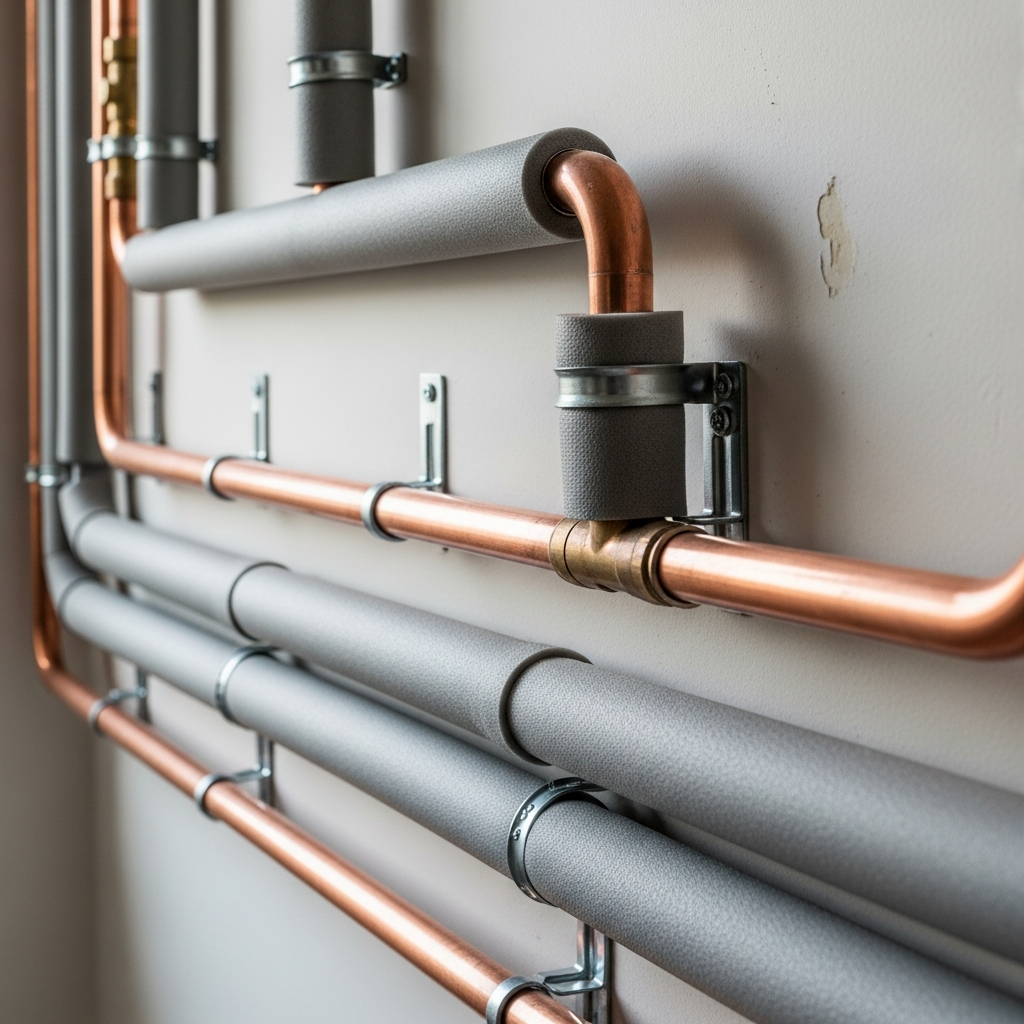
If you have a ground source heat pump — or are considering one — you may have heard references to antifreeze, glycol, or "brine" in the ground loops. It is a topic that generates more questions than it should, largely because most installers do not explain it clearly. This guide covers what the fluid is, why it is there, how it is maintained, and what you need to know as a homeowner.

What Is in Your Ground Loops?

The fluid circulating through the underground pipes (ground loops) of a ground source heat pump is not just water. It is a mixture of water and antifreeze — most commonly a glycol-based solution. This fluid is sometimes referred to as "brine" in technical documentation, though it is not salt water.

The antifreeze serves a critical purpose: it prevents the fluid from freezing in the ground loops. Although the ground temperature in the UK remains above freezing year-round (typically 8-12°C), the fluid returning from the heat pump can be significantly colder — sometimes as low as -3°C to -5°C in peak winter operation. Without antifreeze, this cold fluid could freeze inside the pipes, blocking flow and potentially damaging the system.

Types of Antifreeze Used in Ground Source Heat Pumps

There are two main types of glycol used in UK ground source heat pump installations:

Propylene Glycol

Propylene glycol is the most commonly used antifreeze in UK ground source systems. It is classified as non-toxic and food-safe at the concentrations used, which makes it the preferred choice for environmental and safety reasons.

  • Toxicity: Non-toxic. Safe for the environment if a leak occurs underground.
  • Freeze protection: At a typical 25% concentration, protects down to approximately -10°C to -12°C.
  • Viscosity: Slightly more viscous than ethylene glycol at the same concentration, which marginally increases pumping energy.
  • Cost: Moderately priced. A typical residential system needs 100-200 litres of pre-mixed solution.
  • Environmental: Biodegradable. Approved for use in ground source systems near water courses and in sensitive environments.

Ethylene Glycol

Ethylene glycol is the same chemical used in car antifreeze. It performs slightly better than propylene glycol in terms of heat transfer and viscosity, but it is toxic if ingested and harmful to the environment.

  • Toxicity: Toxic to humans and animals. Classified as harmful to groundwater.
  • Freeze protection: At 25% concentration, protects down to approximately -12°C to -14°C.
  • Viscosity: Slightly lower than propylene glycol, meaning marginally better pump efficiency.
  • Cost: Similar to propylene glycol.
  • Environmental: Not biodegradable in the short term. May be restricted in certain locations (near wells, boreholes, watercourses).

Most MCS-certified installers in the UK default to propylene glycol unless there is a specific technical reason to use ethylene glycol. If your system uses ethylene glycol, check whether your local environment agency has any restrictions — particularly if you are in a groundwater protection zone.

Other Fluids

Some European systems use alternative heat transfer fluids:

  • Ethanol-water mix: Common in Scandinavian countries. Good heat transfer properties, lower viscosity, but flammable and requires careful handling.
  • Calcium chloride brine: A true brine solution. Used in some older systems but less common now due to corrosion concerns with metal components.
  • Betaine-based fluids: A newer, more environmentally friendly option gaining traction. Lower toxicity than glycol but higher cost.

For UK residential installations, you will almost certainly be dealing with propylene or ethylene glycol. The rest of this guide focuses on these.

Glycol Concentration: How Much Is Enough?

The concentration of glycol in the water determines the freeze protection level. More glycol means more freeze protection — but also higher viscosity, which reduces heat transfer efficiency and increases pump energy consumption. Getting the balance right matters.

Typical UK Concentrations

  • 20% glycol: Freeze protection to approximately -7°C to -8°C. Minimum for UK applications.
  • 25% glycol: Freeze protection to approximately -10°C to -12°C. The most common concentration used in the UK. Provides a good safety margin for typical operating conditions.
  • 30% glycol: Freeze protection to approximately -14°C to -16°C. Used in systems where the fluid temperature may drop lower than usual — for example, in undersized systems or very cold locations.
  • Above 30%: Generally not recommended. The viscosity increase significantly impairs heat transfer and increases pump electricity consumption, reducing overall system efficiency.

Your installer should calculate the appropriate concentration based on the minimum expected fluid temperature in your system, which depends on the heat pump design, the ground loop size, and the peak heating demand.

Maintenance: Checking and Topping Up Glycol

The glycol solution in your ground loops requires periodic checking, though it is a low-maintenance aspect of the system overall.

How Often Should It Be Checked?

The glycol concentration and condition should be checked during the annual service — which you should have every year, as recommended by most heat pump manufacturers. A good service engineer will:

  • Check the glycol concentration using a refractometer or hydrometer
  • Check the fluid's pH level (acidity)
  • Check for discolouration or debris in the fluid
  • Check the system pressure (which indicates whether fluid has been lost)

What Can Go Wrong with the Glycol?

Concentration drops: If the system has been topped up with plain water (perhaps after maintenance or a minor pressure loss), the glycol concentration is diluted. This reduces freeze protection and can put the system at risk. Always top up with the correct glycol-water mixture, never with plain water.

Glycol degrades over time: Glycol does not last forever. Over years of circulation, it can oxidise and become acidic. Acidic glycol can corrode metal components in the system — pumps, heat exchangers, and fittings. The inhibitors added to heat pump-grade glycol slow this process, but they also deplete over time.

Typical glycol replacement interval: Most manufacturers and installers recommend replacing the glycol solution every 5-10 years, depending on the results of annual testing. If the pH drops below about 7.0 (acidic) or the inhibitor levels have depleted, replacement is due.

Biological growth: In some cases, bacteria or algae can grow in the glycol solution, particularly if the concentration is low. This can block filters and reduce flow. Biocide additives can prevent this.

How Much Does a Glycol Top-Up or Replacement Cost?

  • Minor top-up (5-10 litres): £30-£60 for materials, plus engineer time if done during a service visit
  • Full system flush and glycol replacement: £200-£500 depending on system size. This involves draining the existing fluid, flushing the system, and refilling with fresh glycol solution.

This is a modest cost compared to the overall system value, and neglecting it can lead to much more expensive repairs if corrosion damages the heat exchanger or circulating pump.

Can You Check the Glycol Yourself?

Yes, if you are comfortable with basic DIY. Here is how:

Checking Concentration

You need a refractometer — a simple optical instrument that measures the concentration of glycol in a fluid sample. They cost £10-£30 and are easy to use. Take a small sample of fluid from the system's filling/draining point, place a drop on the refractometer, and read the concentration.

Checking pH

pH test strips (available from any aquarium or pool supplier for a few pounds) will tell you if the fluid has become acidic. A pH of 7.0-9.0 is normal. Below 7.0 indicates degradation and the need for replacement.

Checking Pressure

Most ground source heat pump systems have a pressure gauge on the ground loop circuit. Normal operating pressure is typically 1.0-2.5 bar when the system is running. If the pressure is dropping over time, there may be a leak or the system needs topping up. Consult your system manual for the correct pressure range.

While you can check these parameters yourself, any corrective action (topping up, replacing fluid, investigating leaks) should ideally be done by your installer or a qualified heat pump engineer.

Environmental and Safety Considerations

Is Glycol Harmful to the Environment?

Propylene glycol is classified as non-toxic and biodegradable. A small leak from a ground loop will not contaminate soil or groundwater in any meaningful way. This is one reason propylene glycol is strongly preferred for ground source installations in the UK.

Ethylene glycol, however, is toxic to animals and can contaminate groundwater. If your system uses ethylene glycol and you are in a sensitive location (near a well, borehole, or watercourse), your installer should have consulted the Environment Agency during the design phase.

Can You Use Car Antifreeze?

No. Automotive antifreeze contains additives designed for car cooling systems that can damage heat pump components. Always use heat pump-grade glycol with the correct inhibitors. Your heat pump manufacturer will specify the approved glycol products — using anything else may void your warranty.

What Happens If There Is a Leak?

Ground loop leaks are extremely rare — the HDPE pipe used is robust and the joints are fusion-welded, creating a seal as strong as the pipe itself. If a leak does occur underground, you will notice a gradual drop in system pressure on the gauge. The amount of glycol lost is typically small, and propylene glycol poses no environmental risk in the soil.

Leaks in the internal pipework or at connections inside the house are more common than underground leaks. These are usually minor and easily repaired by tightening fittings or replacing seals.

For more on ground source system design and components, see our ground source heat pump guide.

Glycol and System Efficiency

The glycol concentration has a measurable effect on system efficiency, though the impact is modest at typical UK concentrations:

  • Heat transfer: A 25% propylene glycol solution has roughly 5-8% lower thermal conductivity than pure water. This slightly reduces the rate of heat transfer in the heat exchanger.
  • Pumping energy: Glycol solutions are more viscous than water, requiring slightly more pumping power. At 25% concentration, the increase in pump energy is roughly 10-15%.
  • Overall COP impact: The combined effect on the system's Coefficient of Performance is typically a reduction of 2-5% compared to a hypothetical system running on pure water. This is a necessary trade-off for freeze protection.

Running higher glycol concentrations than necessary wastes efficiency. This is why getting the concentration right — enough for safety, not more — matters.

Frequently Asked Questions

How do I know what glycol is in my system?

Check your installation documentation — the installer should have recorded the type and concentration of glycol used. If you do not have this information, your installer can test the fluid during a service visit. A refractometer reading combined with knowledge of whether the glycol is propylene or ethylene (the installer's records or a lab test can confirm this) will tell you everything you need to know.

Does glycol need topping up regularly?

In a sealed, leak-free system, the glycol level should remain stable for years. If you are having to top up regularly, there is likely a leak somewhere — either in the ground loops (rare) or in the internal pipework or connections. Investigate the cause rather than just topping up repeatedly.

Can I switch from ethylene glycol to propylene glycol?

Yes, but it requires a full system flush and refill — you cannot simply add propylene glycol to a system containing ethylene glycol. The two should not be mixed. This is typically done during a scheduled glycol replacement and costs £200-£500.

What does glycol smell like?

Propylene glycol has a faintly sweet, almost odourless character. Ethylene glycol also smells slightly sweet. If you notice a strong or unpleasant smell from the fluid, it may have degraded or become contaminated with bacteria — this warrants investigation and likely replacement.

Is the glycol in the ground loops the same as in the heating circuit?

No. The ground loop circuit (containing glycol) and the heating circuit (containing water) are separate. They exchange heat through the heat pump's heat exchanger but the fluids never mix. The water in your radiators or underfloor heating does not contain glycol.

How much glycol does a typical system contain?

A typical domestic ground source heat pump system contains 100-250 litres of glycol-water mixture in the ground loop circuit. The exact volume depends on the total pipe length and diameter. Your installer should record this figure in the system documentation.