Ground Source Heat Pump Lifespan and Reliability
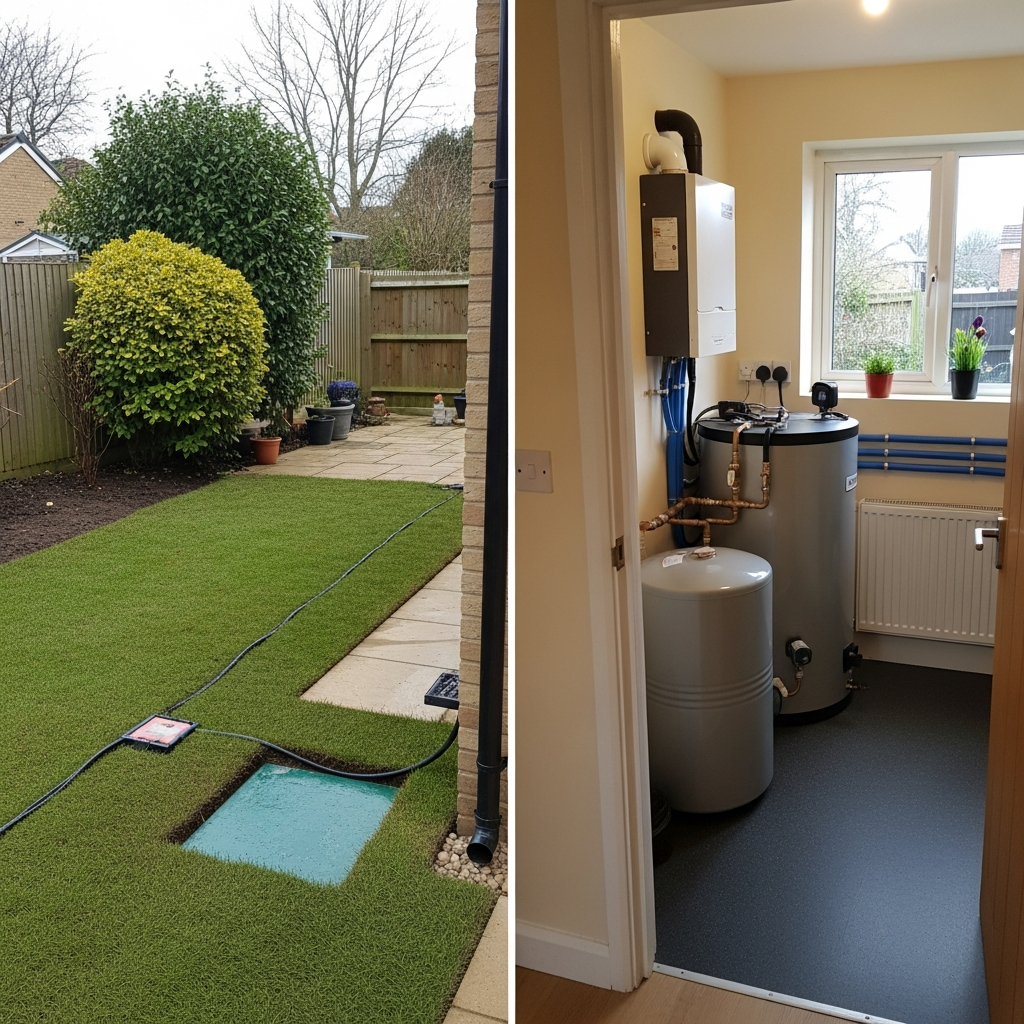
A ground source heat pump costs more upfront than a gas boiler. But it lasts nearly twice as long -- and the buried ground loop beneath your garden can keep working for half a century or more. When you factor in that longevity, the financial picture shifts dramatically in ground source's favour.
This guide breaks down exactly how long every component lasts, what real-world reliability data shows, and the steps that keep your system running at peak performance for decades. If you are weighing up whether the higher installation cost is justified, the lifespan story is one of the strongest arguments for choosing ground source.
Find out what a ground source heat pump would cost for your home
Use Our Free CalculatorGet an instant estimate based on your property size, insulation, and location.
How Long Does a Ground Source Heat Pump Last?
A ground source heat pump system has two main components, each with its own lifespan:
The Ground Loop: 50-100+ Years
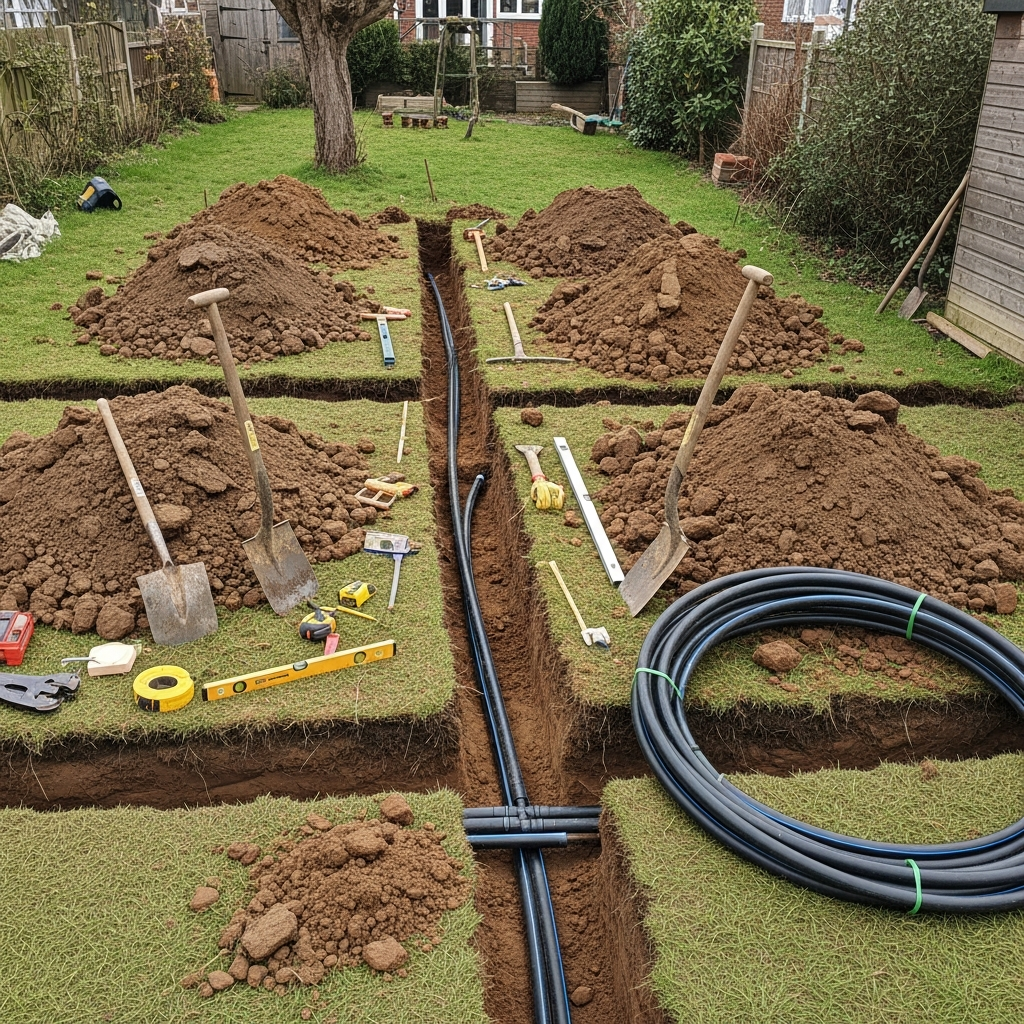
The ground loop -- the network of buried pipes that collects heat from the earth -- is the longest-lasting part of the system. Made from high-density polyethylene (HDPE) pipe, the same material used for mains water supply, these loops have an expected lifespan of 50 to 100 years or more.
There are no moving parts in the ground loop. The pipes sit buried at depth, protected from UV light, frost, and physical damage. The antifreeze solution circulating through them is a simple glycol-water mix that requires minimal attention. In practice, ground loops installed in the 1970s in Scandinavia are still operating without issue today.
This is the single biggest advantage of ground source over air source heat pumps. Once the ground loop is in, it is essentially a permanent asset. If the heat pump unit itself needs replacing in 20 years, you simply connect the new unit to the existing ground loop -- saving tens of thousands of pounds.
The Heat Pump Unit: 20-25 Years
The indoor heat pump unit -- containing the compressor, heat exchanger, and controls -- has a typical lifespan of 20 to 25 years. Some units last longer, particularly those from reputable European manufacturers that use high-quality scroll compressors.
Compare this to a gas boiler, which typically lasts 12 to 15 years. Over a 50-year period, you might replace two heat pump units versus three or four boilers -- and each heat pump replacement is cheaper because the ground loop is already in place.
Component-by-Component Lifespan Breakdown
Beyond the two main elements, here is how long each component typically lasts:
| Component | Expected Lifespan | Replacement Cost |
|---|---|---|
| Ground loop (HDPE pipes) | 50-100+ years | N/A (permanent) |
| Compressor | 15-25 years | £1,500-£3,000 |
| Heat pump unit (overall) | 20-25 years | £5,000-£8,000 |
| Circulation pumps | 10-15 years | £200-£400 each |
| Expansion vessel | 10-15 years | £150-£300 |
| Controls and electronics | 15-20 years | £100-£500 |
| Hot water cylinder | 20-30 years | £800-£1,500 |
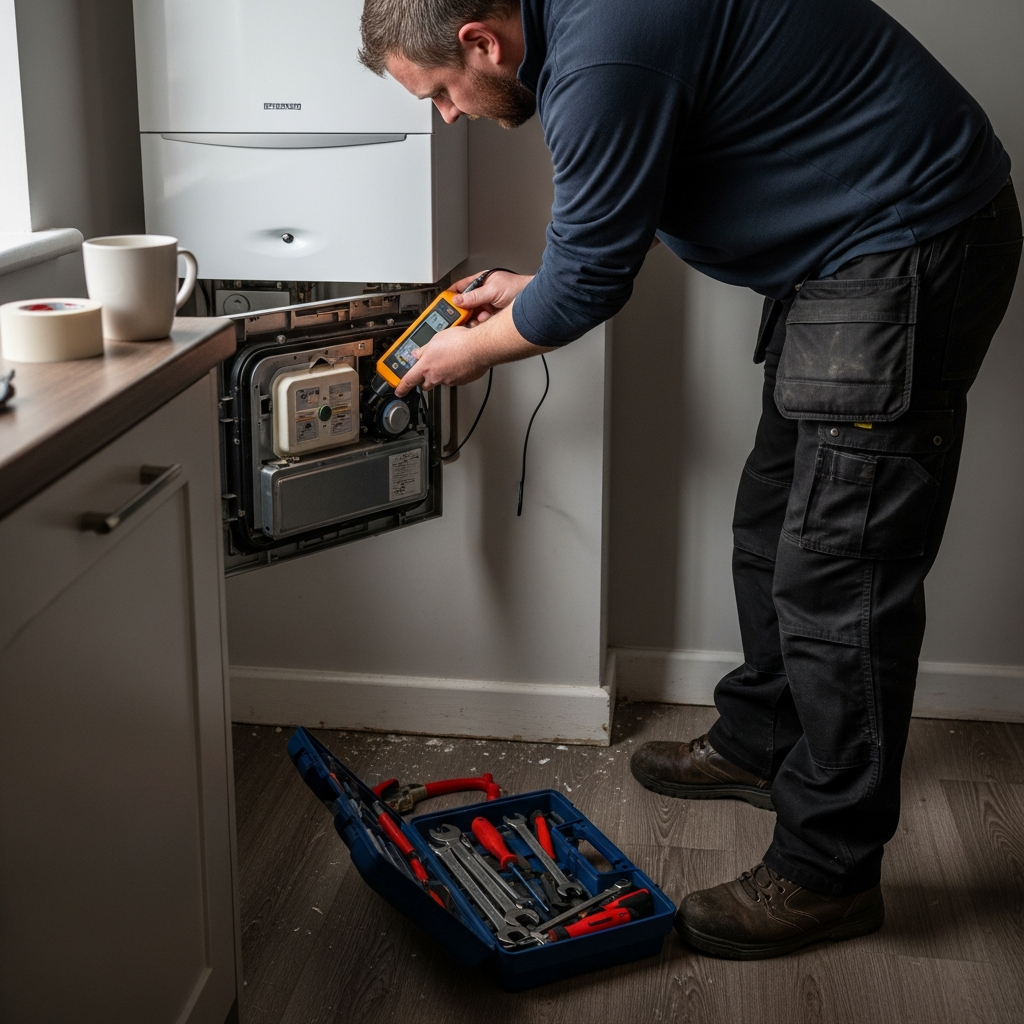
The compressor is the hardest-working component. In a ground source system, it benefits from more stable operating conditions than an air source unit (no extreme cold starts), which extends its life. Most modern scroll compressors in GSHPs last 20 years or more with proper maintenance.
Circulation pumps that move fluid through the ground loop and the heating circuit are the most likely components to need replacement. They are relatively inexpensive and straightforward to swap out.
What Affects Ground Source Heat Pump Reliability?
Not all GSHP installations are equal. Several factors influence how long the system lasts and how reliable it proves:
Installation Quality
This is the biggest factor. A properly designed, correctly sized, and professionally installed system will last decades with minimal issues. A poorly installed system -- undersized ground loop, incorrect antifreeze mix, badly configured controls -- will suffer problems from day one.
Always use an MCS-certified installer, and check that they have specific experience with ground source systems. Use our free quotes service to find vetted installers in your area.
Ground Loop Design
An undersized ground loop forces the heat pump to work harder and reduces efficiency. Over time, this extra strain shortens the compressor's life. Proper geological assessment and thermal conductivity testing before installation ensures the loop is correctly sized. For more on land requirements, see our guide to GSHP land requirements.
Annual Servicing
Regular maintenance catches small issues before they become expensive failures. An annual service typically costs £100-£200 and includes checking refrigerant pressures, antifreeze concentration, electrical connections, and system performance. This modest investment significantly extends the system's life. Read our full ground source maintenance guide for details.
Water Quality and System Protection
The heating circuit (the water side connected to your radiators or underfloor heating) should be properly treated with inhibitor and fitted with a filter. Sludge and debris in the heating circuit can damage the heat pump's plate heat exchanger, leading to expensive repairs.
Is your home suitable for a ground source heat pump?
Check Suitability NowFree, instant assessment based on your property type and location.
Real-World Reliability Data
The Energy Saving Trust's long-running field trials of heat pumps in UK homes found that ground source heat pumps had higher average performance and fewer reported issues than air source systems. This aligns with the simpler operating conditions -- no defrost cycles, no extreme temperature swings, no outdoor unit exposed to weather.
In Sweden, where ground source heat pumps have been mainstream since the 1980s, reliability data from over 500,000 installations shows average system lifespans well above 20 years, with ground loops showing no degradation after 40 years of operation.
Manufacturers like Kensa (the UK's only domestic GSHP manufacturer), NIBE, and Vaillant offer warranties of 5 to 7 years on their units, with extended warranties available. The fact that these warranties exist -- and that claims rates are low -- speaks to the underlying reliability of the technology.

Ground Source vs Air Source: Lifespan Comparison
How does ground source compare to air source on longevity?
Air source heat pumps have a typical lifespan of 15-20 years for the outdoor unit. The outdoor unit is exposed to rain, frost, UV light, and temperature extremes, and it contains a fan that runs constantly during operation. The defrost cycle adds mechanical stress that ground source units never experience.
Ground source heat pumps have no outdoor unit at all. The indoor unit operates in a controlled environment. The ground loop provides a stable heat source year-round, so the compressor never has to work as hard as an air source unit does in the depths of winter.
The result is that ground source systems typically last 3-5 years longer than air source -- and the ground loop element lasts effectively forever. If you are comparing the two, our heat pump calculator can help you model the long-term costs. Homeowners who also generate their own electricity with solar panels can reduce running costs even further throughout the system's long lifespan.
When Will You Need to Replace Components?
Here is a realistic timeline for a typical ground source heat pump installation:
Years 1-10: Very little should go wrong. Annual services, occasional antifreeze top-ups, and perhaps a circulation pump replacement towards the end of this period.
Years 10-20: Circulation pumps may need replacing. The expansion vessel might need attention. Electronics and sensors may need occasional replacement. The compressor should still be running well.
Years 20-25: The heat pump unit itself may start to become less efficient or develop compressor issues. A replacement unit (connected to your existing ground loop) will cost significantly less than the original installation -- typically £5,000-£8,000 for the unit and connection, versus £15,000-£35,000 for a full system including ground works.
Years 25-50+: The ground loop continues operating. You are now on your second heat pump unit, which will likely be more efficient than the first thanks to technology improvements.
How to Maximise Your GSHP Lifespan
Follow these steps to get the most years out of your system:
1. Choose quality over price. A premium heat pump unit from a reputable European manufacturer will outlast a budget alternative. The compressor quality matters enormously.
2. Insist on proper design. The ground loop must be sized correctly for your home's heat demand. Use our suitability checker to assess your property before getting quotes.
3. Service annually. An annual service costs £100-£200 and is the single best investment in longevity. Most manufacturer warranties require it.
4. Protect the heating circuit. Ensure your installer fits a magnetic filter and adds corrosion inhibitor. Flush the system if you are connecting to old radiators.
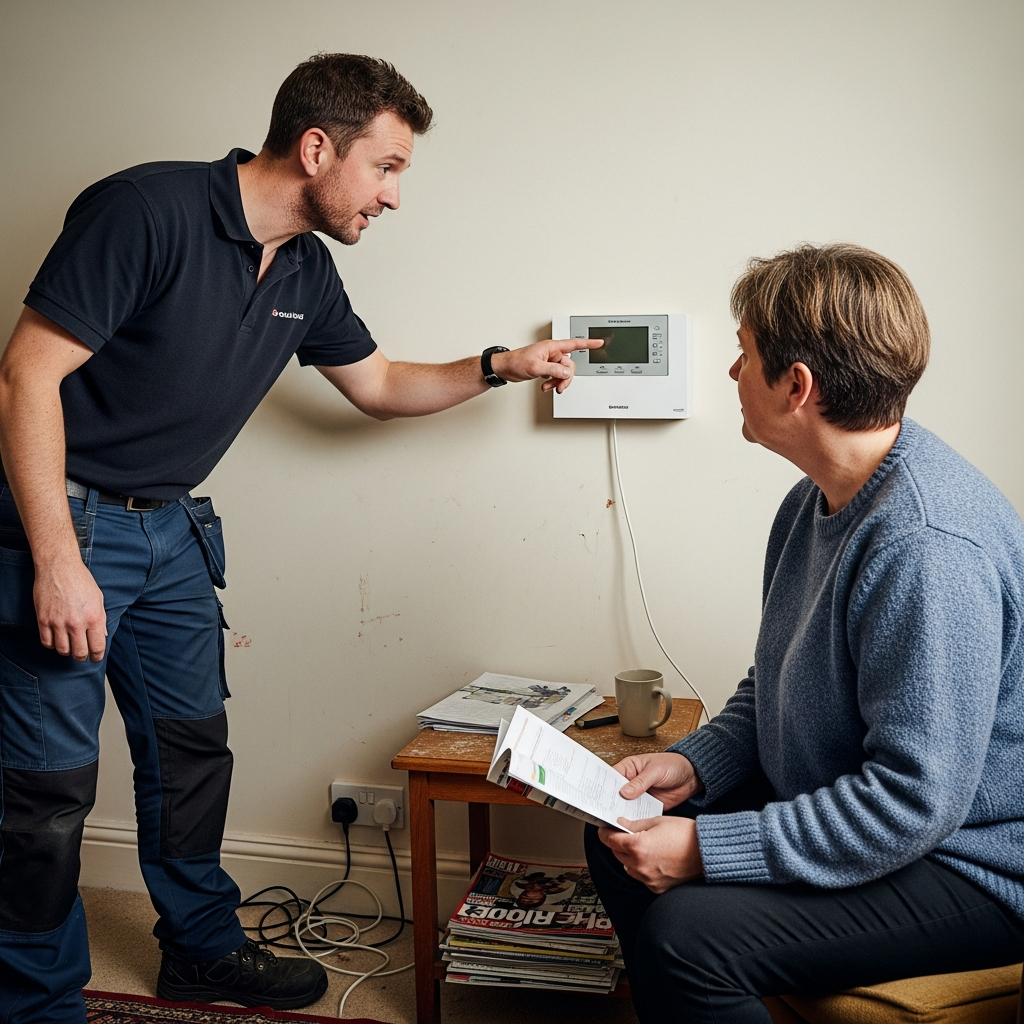
5. Monitor performance. Many modern GSHPs have monitoring apps or displays showing COP (coefficient of performance). If performance drops significantly, get it checked -- early intervention prevents larger problems.
6. Do not ignore warning signs. Unusual noises, rising electricity bills, or rooms not reaching temperature all warrant investigation. Small issues become expensive if left.
The Financial Implication of Long Lifespan
The longevity of ground source heat pumps transforms the financial equation. Yes, the upfront cost of a heat pump is higher than a gas boiler. But spread over 25 years (versus 12-15 for a boiler), the annual cost of ownership drops significantly.
Factor in lower running costs, BUS grant funding of £7,500, and the fact that ground loop replacement is never needed, and the lifetime cost of ownership for a GSHP is often lower than a gas boiler -- even before considering rising gas prices.
For properties that also invest in solar panel installation, the combination of free daytime electricity and a long-lasting ground source heat pump delivers exceptional lifetime savings.
For a detailed comparison, see our guide on whether heat pumps are worth it.
Ready to see the numbers for your home?
Get Free Heat Pump QuotesCompare quotes from MCS-certified ground source installers near you. No obligation.
Frequently Asked Questions
How long does a ground source heat pump last?
The heat pump unit itself lasts 20-25 years. The ground loop lasts 50-100+ years. Over the life of the ground loop, you may replace the indoor unit once or twice, but each replacement is far cheaper than the original installation because the ground works are already done.
Do ground source heat pumps lose efficiency over time?
Ground loops do not degrade -- the ground temperature remains stable indefinitely. The heat pump unit's efficiency may decrease slightly as components age, but a well-maintained system should still be performing close to its original specification after 15-20 years.
Are ground source heat pumps more reliable than air source?
Generally yes. Ground source units have no outdoor components exposed to weather, no defrost cycles, and operate in more stable conditions. Field trial data consistently shows slightly better reliability for GSHP compared to ASHP systems.
What is the most common ground source heat pump failure?
Circulation pump failure is the most common issue, and it is relatively cheap and easy to fix (£200-£400). Compressor failure is rare but expensive -- typically £1,500-£3,000 depending on the model. Most compressor failures occur in poorly designed or poorly maintained systems.
Is it worth replacing a 20-year-old ground source heat pump?
If the ground loop is still functioning (it almost certainly is), replacing just the indoor unit is excellent value. Modern units are more efficient, quieter, and have better controls. You will benefit from 20+ years of improved performance at a fraction of the original installation cost.
Does the ground loop need replacing?
In practice, no. HDPE pipe has a design life exceeding 50 years, and real-world installations from the 1970s are still operating. The ground loop is a one-time investment that should outlast multiple heat pump units.
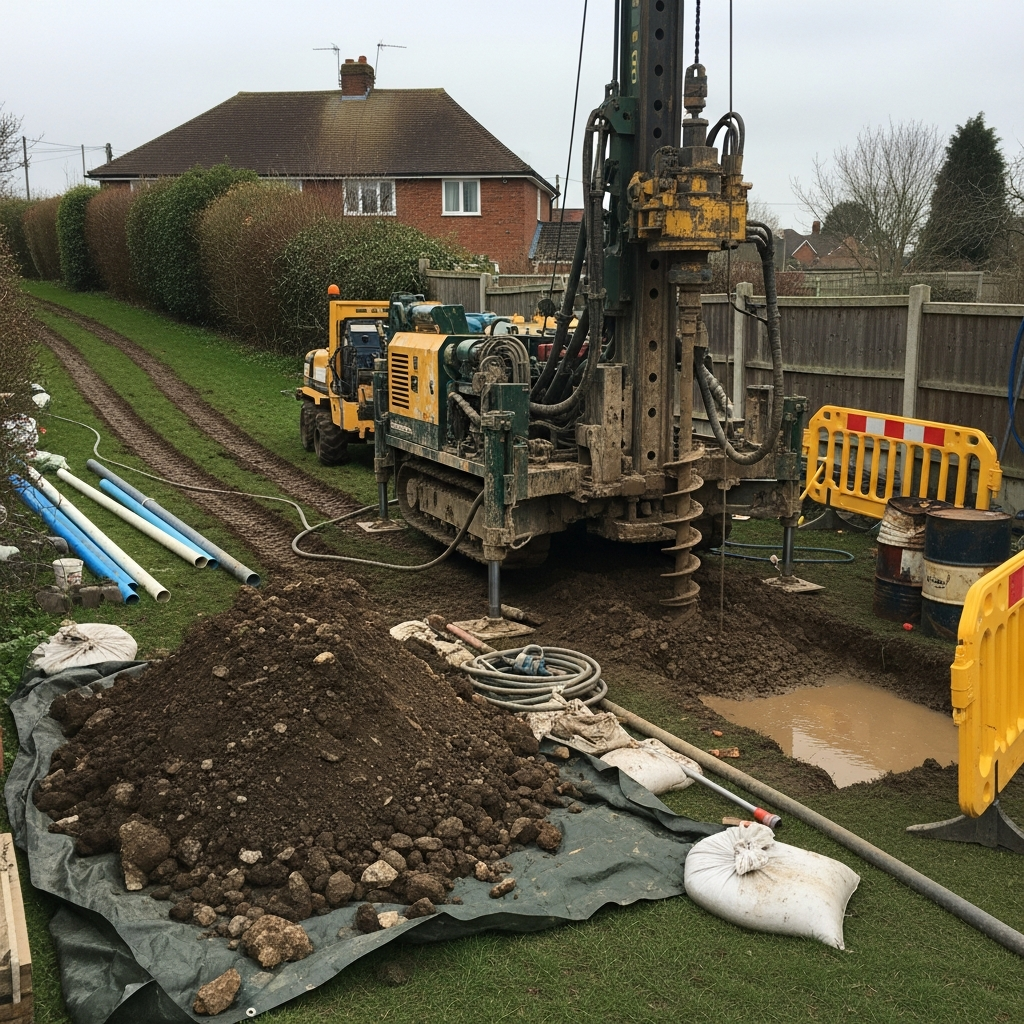
Understanding Ground Source Heat Pump Longevity
Ground source heat pumps are part of the UK's shift towards renewable heating systems. Their exceptional lifespan connects to broader topics including government grant schemes like the Boiler Upgrade Scheme, long-term running cost savings, and the UK's net zero targets. Combined with home solar energy systems, ground source technology forms a cornerstone of whole-home decarbonisation strategies that deliver returns over decades rather than years.