Air Source Heat Pump and Underfloor Heating: The Perfect Match
Pairing underfloor heating with a heat pump can improve efficiency by 20-30% compared to radiators alone, cutting hundreds of pounds from your annual electricity bill. At flow temperatures of just 30-40°C, the heat pump achieves its highest COP while the entire floor becomes a gentle, even heat emitter. Here is how to make it work — including retrofit options for existing homes.
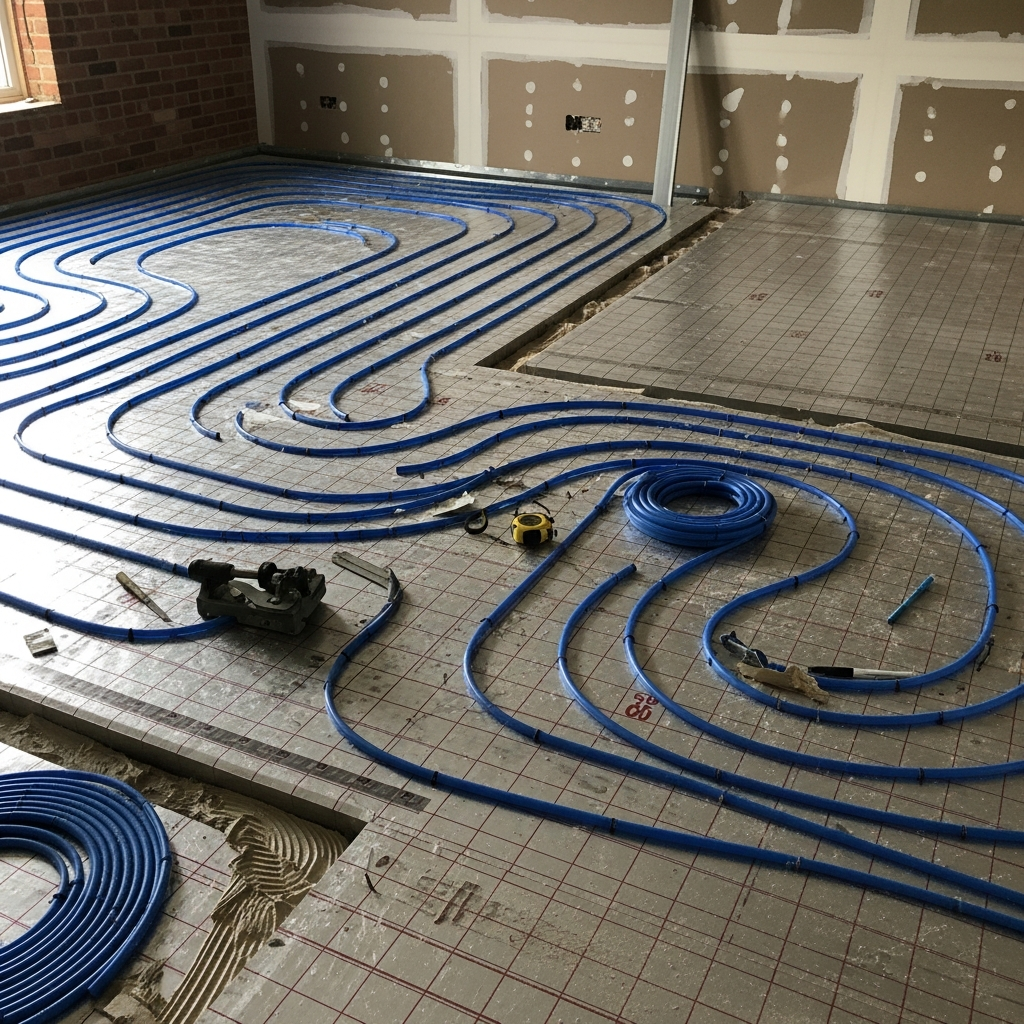
If you are planning to install an air source heat pump, one of the best decisions you can make is pairing it with underfloor heating. The two technologies complement each other so well that many in the industry consider them the ideal combination.
The reason is simple: underfloor heating works at low water temperatures — exactly the conditions where heat pumps operate most efficiently. The result is lower electricity bills, more even heat distribution, and a more comfortable home.
What would a heat pump with UFH cost for your home?
Get an instant estimateIncludes running cost comparison with radiators.
Why Underfloor Heating and Heat Pumps Work So Well Together
Low Flow Temperatures = High Efficiency
Underfloor heating operates at flow temperatures of 30-40°C — far lower than the 50-70°C required by conventional radiators. At these low flow temperatures, a heat pump achieves its highest efficiency.
| Emitter Type | Flow Temperature | Typical COP | Relative Efficiency |
|---|---|---|---|
| Underfloor heating | 30-40°C | 3.5-4.0+ | Best |
| Oversized radiators | 40-45°C | 3.0-3.5 | Good |
| Standard radiators | 50-55°C | 2.5-3.0 | Moderate |
| Small/old radiators | 55-65°C | 2.0-2.5 | Poor |
That efficiency difference translates to 20-30% lower electricity bills compared to a radiator-based system.
Even Heat Distribution
With radiators, heat rises from a point source, creating warm zones near the radiator and cooler zones elsewhere. Underfloor heating distributes heat evenly across the entire floor — fewer cold spots, and heat at floor and body level rather than pooling at the ceiling.

Types of Underfloor Heating
Wet (Water-Based) Underfloor Heating
This is the type that pairs with a heat pump. Warm water circulates through plastic pipes buried in or beneath the floor. This is the standard choice for new builds and major renovations.
Electric Underfloor Heating
Uses thin heating cables or mats embedded in the floor. Runs on direct electricity (COP of 1.0) and cannot be connected to a heat pump. Fine for small areas like bathrooms but not a substitute for a whole-house wet UFH system.
Retrofit Options for Existing Homes
| System | Best For | Floor Height Increase | Cost per m² | Performance |
|---|---|---|---|---|
| Screed system | Major renovation, ground floor | 80-120mm | £50-£80 | Excellent |
| Low-profile overlay | Retrofit in occupied homes | 15-30mm | £60-£100 | Good |
| Between-joist | Period properties, suspended timber floors | None | £40-£70 | Moderate |
Low-profile overlay systems are the most popular retrofit option. They work on ground and upper floors with minimal disruption. For older houses with suspended timber floors, the between-joist approach avoids any floor height change.
Find installers who specialise in heat pump + UFH systems
Get free quotesMCS-certified installers experienced with UFH in your area.
Which Rooms Should Have Underfloor Heating?
A mixed system — UFH downstairs, radiators upstairs — is a popular and practical approach. Priority rooms for UFH:
- Living room: Benefits most from even floor-level warmth
- Kitchen/dining area: Often the largest open space with hard floors
- Bathroom: Warm floors and good moisture resistance with tile
- Open-plan areas: Even heat across a large space with no radiators interrupting the layout
For guidance on radiators alongside UFH, see our guide on whether you need new radiators for a heat pump.
Costs: UFH with a Heat Pump
Over a 20-year heat pump lifespan, the energy savings roughly cover the additional cost. Add in comfort and aesthetic benefits, and UFH usually makes financial sense.
Floor Finishes and Their Impact
Best Finishes for UFH
- Stone and ceramic tiles: Excellent heat conductors — the best choice
- Engineered wood: Good conductor, rated for UFH use
- Luxury vinyl tile (LVT): Good heat transfer and practical
- Polished concrete: Excellent thermal mass
Less Ideal
- Thick carpet and underlay: Acts as insulator, may need higher flow temperature
- Solid hardwood: Risk of warping — use engineered wood instead
Controls and Zoning
Modern UFH systems offer room-by-room temperature control through individual zone thermostats. This means you can heat the living room to 21°C, the bedroom to 18°C, and the spare room to 16°C — all independently. This level of control reduces energy waste.
Smart thermostats compatible with UFH allow remote control via smartphone apps and can learn your schedule to optimise heating times. Homeowners with solar panels can further optimise by scheduling UFH heating during peak solar generation hours.
Ready to explore UFH with a heat pump?
Get free quotes from specialist installersTell us you are interested in UFH and we will match you with the right installers.
Frequently Asked Questions
Can I retrofit UFH upstairs?
Yes, but it is more disruptive than ground-floor retrofit. Many homeowners choose UFH downstairs and radiators upstairs as a practical compromise.
Can I have UFH and radiators on the same heat pump?
Yes, and this is very common. The heat pump supplies both circuits, with a mixing valve reducing the water temperature for the UFH circuit (30-40°C) while the radiator circuit runs slightly higher (40-50°C).
Does UFH work with all floor types?
UFH works with most floor types. The floor finish above needs to be UFH-compatible. Your UFH supplier will advise on compatibility.
How long does UFH last?
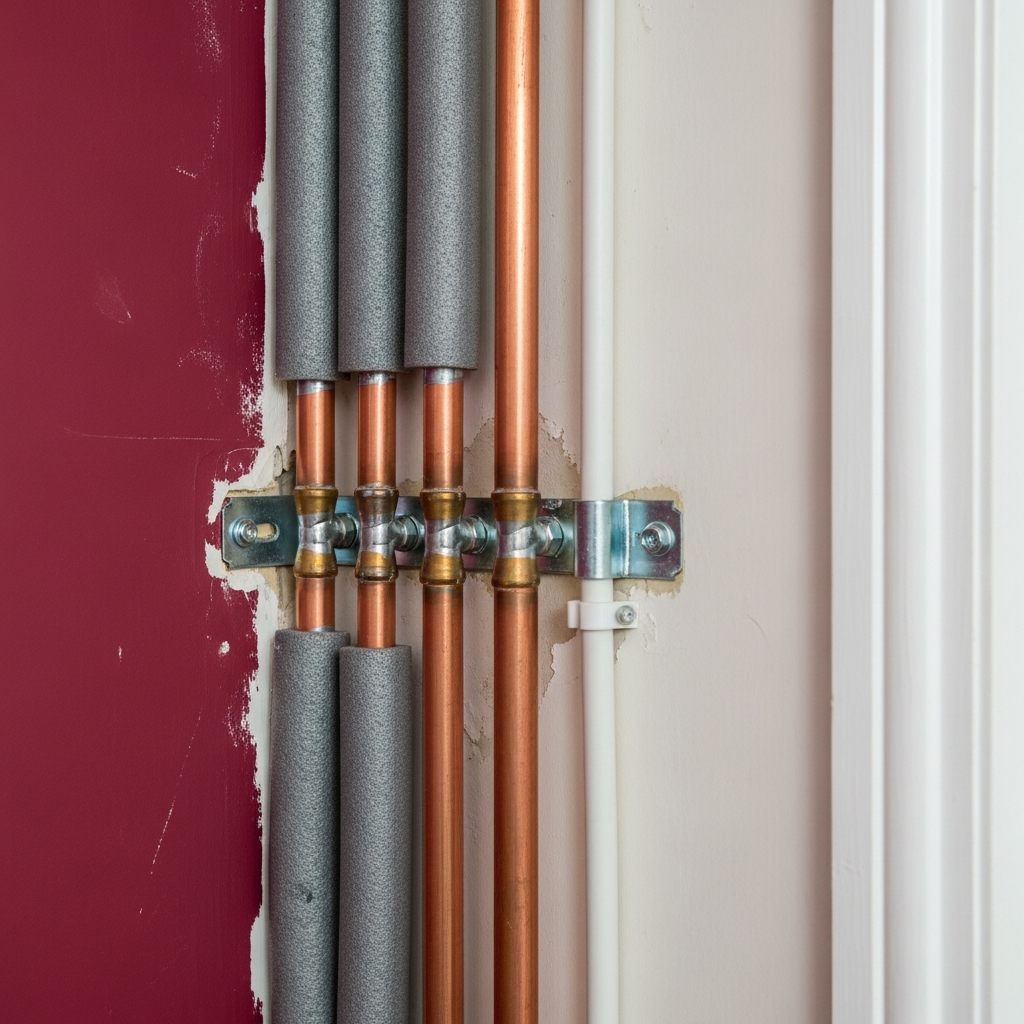
The pipes (typically PEX or PERT plastic) have a design life of 50 years or more. The manifold and controls may need replacing after 15-20 years, but the pipes should last the lifetime of the building.
Is UFH suitable for older houses?
Yes. Between-joist systems work well in period properties with suspended timber floors. Low-profile overlay systems work on solid ground floors. Read our guide to heat pumps in older houses for more.
Will I need building regulations approval for UFH?
Installing UFH as part of a heat pump system is covered under the heat pump's Building Regulations notification. Structural changes may need separate approval.
About Underfloor Heating, Heat Pumps, and Home Comfort
Wet underfloor heating systems use low-temperature water circuits (30-40°C) to heat rooms from the floor up, creating even, draught-free warmth. When paired with an air source heat pump, this low-temperature operation maximises the system's Coefficient of Performance (COP), reducing electricity consumption by 20-30% compared to radiator-based systems. Modern UFH pipes carry a 50-year design life, making them a long-term investment alongside the 20-25 year lifespan of a heat pump. Homeowners who combine UFH, a heat pump, and solar panels create one of the most efficient and sustainable home heating systems available in the UK today.