Air Source Heat Pump Lifespan: How Long Do They Last?
An air source heat pump will outlast almost two gas boilers. With an average lifespan of 20-25 years and annual servicing costs under £150, the lifetime economics heavily favour a heat pump — especially after the £7,500 BUS grant. Here is what affects how long yours will last and how to maximise it.
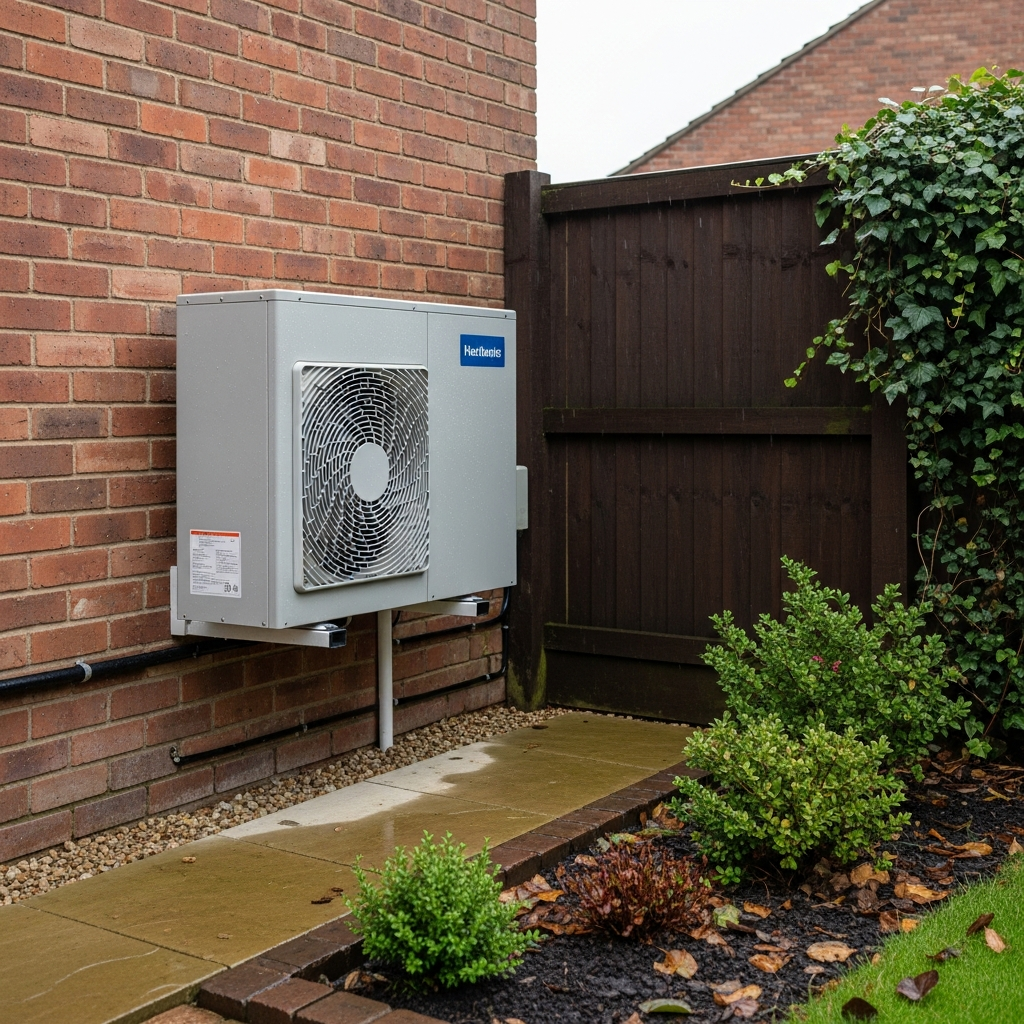
When you are spending thousands of pounds on a new heating system, one of the first questions you want answered is: how long will it last? With an air source heat pump, the answer is reassuring — significantly longer than the gas boiler it is replacing.
The typical lifespan of an air source heat pump is 20 to 25 years, with many units continuing to operate beyond that. Compare this to a gas boiler, which averages 12 to 15 years, and the longevity advantage is clear. But lifespan depends on several factors, from installation quality to maintenance habits.
This guide covers what to expect, what affects how long your heat pump lasts, and what you can do to get the maximum life from your investment.
See what a heat pump would cost over its full lifetime
Use the free calculatorIncludes running costs over 20 years. No email required.
Average Lifespan: The Numbers
Air Source Heat Pumps: 20-25 Years
Industry data and manufacturer guidance consistently point to a 20-25 year expected lifespan for the outdoor unit of a quality air source heat pump. The compressor — the hardest-working component — is typically warrantied for 5-10 years, but in practice most last 15-20 years before needing replacement.
In countries where heat pumps have been mainstream for decades (Sweden, Norway, Finland), there are plenty of units still running after 25-30 years. The UK market is younger, so we have less domestic long-term data, but the technology is identical.
Gas Boilers: 12-15 Years
The average gas boiler lasts 12-15 years before it becomes unreliable or uneconomical to repair. Some last longer, particularly simpler models, but modern condensing boilers with their complex electronics and heat exchangers tend to develop faults from around the 10-year mark.
Ground Source Heat Pumps: 20-25 Years (Unit) + 50+ Years (Ground Loop)
For comparison, ground source heat pump units have a similar lifespan to air source models. The underground ground loop, however, can last 50 years or more — it has no moving parts and is made from durable HDPE pipe.
What Affects Heat Pump Lifespan?
Not all heat pumps age equally. Several factors determine whether yours lasts 15 years or 30.
Installation Quality
This is the single biggest factor. A well-designed, properly installed system will last far longer than one that has been bodged. Key installation factors include:
- Correct sizing: An oversized heat pump short-cycles (turns on and off frequently), putting unnecessary stress on the compressor. An undersized unit runs constantly at maximum capacity, wearing out faster. A proper heat loss survey ensures correct sizing.
- System design: The buffer tank, pipework, controls, and emitters all need to be correctly designed. Poor system design forces the heat pump to work harder than necessary.
- Refrigerant charge: The correct amount of refrigerant is critical. Too much or too little reduces efficiency and puts strain on components.
- Electrical installation: Proper wiring, circuit protection, and control wiring are essential for reliable operation.
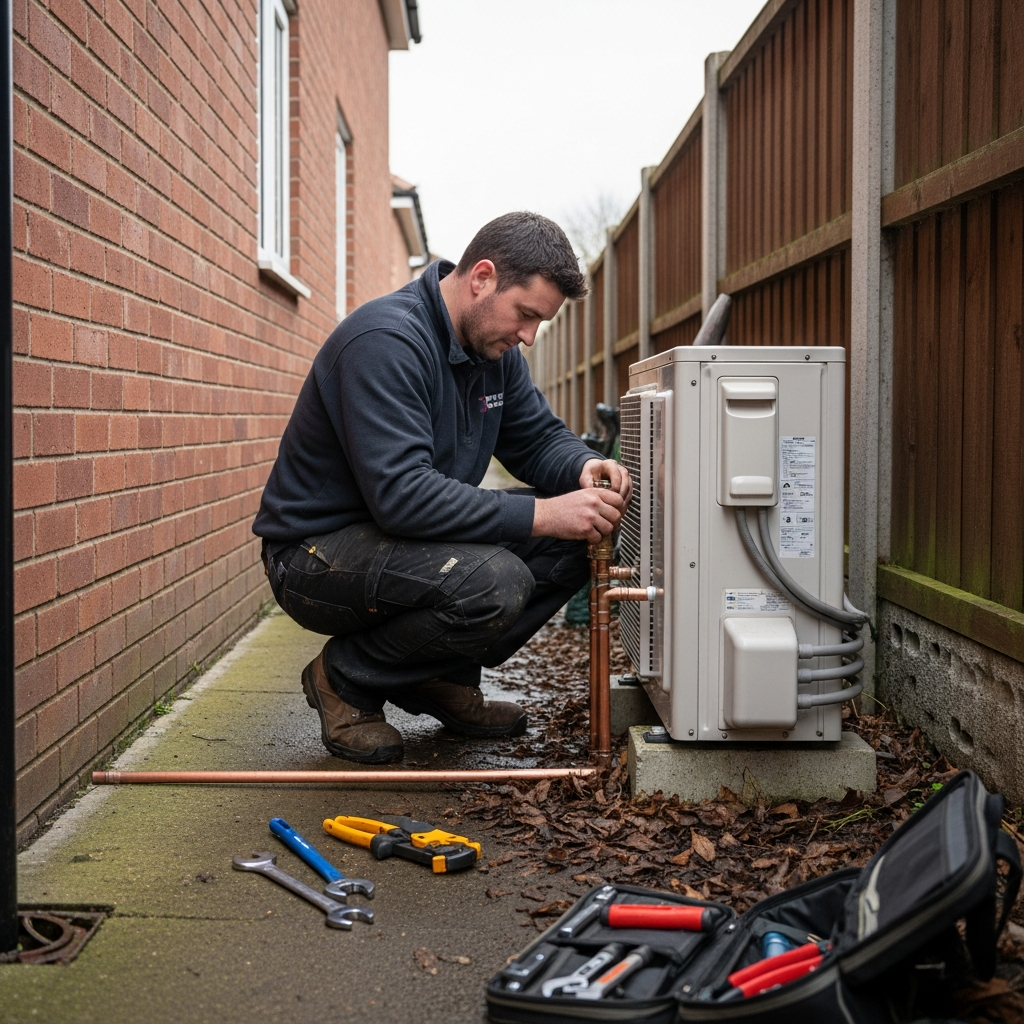
Maintenance
Heat pumps need less maintenance than gas boilers (no annual gas safety check, no combustion to worry about), but they are not maintenance-free. Regular servicing extends lifespan significantly.
Build Quality and Brand
Not all heat pumps are created equal. Premium brands use higher-quality components — better compressors, more durable heat exchangers, more robust electronics. Budget brands may use cheaper components that wear out sooner. Read our brand comparison guide for more detail.
Climate and Location
Heat pumps in colder parts of the UK work slightly harder than those in milder areas. Coastal locations can be a factor — salt air can corrode the outdoor unit's casing and fins more quickly. Many manufacturers offer anti-corrosion coatings as an option for coastal installations.
How much could you save over a heat pump's lifetime?
See the full financial pictureRunning costs, grants, and payback periods explained.
Key Components and Their Lifespans
| Component | Typical Lifespan | Replacement Cost |
|---|---|---|
| Compressor | 15-20 years | £1,500-£3,000 |
| Fan motor | 10-15 years | £200-£500 |
| Expansion valve | 15-20 years | £300-£600 |
| Circuit board (PCB) | 10-15 years | £300-£800 |
| Evaporator and condenser coils | 20-25 years | Rarely replaced individually |
| Hot water cylinder | 15-25 years | £600-£1,200 |
Heat Pump vs Gas Boiler: Lifetime Cost Comparison
The longer lifespan of a heat pump significantly affects the lifetime cost comparison with a gas boiler. Consider a typical scenario over 26 years:
The heat pump costs slightly more in equipment terms over 26 years, but the lower running costs (typically 20-40% less than gas) more than compensate. Over the full lifespan, most heat pump owners save thousands of pounds compared to staying on gas. Homeowners who also install solar panels can reduce electricity costs further, improving the payback even more.
For a detailed financial analysis, see our guide on whether heat pumps are worth it.

How to Maximise Your Heat Pump's Lifespan
- Choose the right installer: Use an MCS-certified installer who carries out a full heat loss survey. Do not choose purely on price.
- Service annually: Book an annual service with a qualified heat pump engineer. This catches small issues before they become big ones.
- Keep the outdoor unit clear: Remove leaves, grass cuttings, cobwebs, and other debris regularly. Airflow is essential.
- Maintain system water quality: Have the heating system water tested periodically and treat with inhibitor as needed.
- Run the system efficiently: Let the heat pump run at steady, moderate temperatures rather than turning it on and off like a boiler.
- Protect the outdoor unit: In coastal or exposed areas, consider a permeable screen and ask about anti-corrosion coatings.
Warranties: What to Expect
- Parts warranty: 5-7 years as standard, extendable to 10 years with some brands (often conditional on annual servicing)
- Compressor warranty: 5-10 years, sometimes longer
- Installer workmanship warranty: Typically 2-5 years, depending on the installer
When to Replace Rather Than Repair
- Under 10 years old: Almost always worth repairing. Most repairs at this age are covered by warranty.
- 10-15 years old: Repairs are usually worthwhile unless the repair cost exceeds 30-40% of a new unit's price.
- 15-20 years old: Evaluate on a case-by-case basis. If the compressor needs replacing and the unit is over 18 years old, a new unit might offer better efficiency.
- Over 20 years old: If major components fail, replacement is usually the better investment.
Get a heat pump that will last
Get free quotes from experienced installersQuality installation is the #1 factor in heat pump longevity.
Frequently Asked Questions
How long does an air source heat pump last?
The average lifespan of an air source heat pump is 20-25 years. With good installation and regular maintenance, many units continue operating beyond 25 years. The compressor is usually the first major component to need replacement, typically at 15-20 years.
Do heat pumps last longer than gas boilers?
Yes, significantly. Gas boilers average 12-15 years. Air source heat pumps average 20-25 years. Over a 25-year period, you would likely need two gas boilers but only one heat pump.
What is the most common heat pump repair?
The most common repairs in the first 10 years are PCB (circuit board) replacements, fan motor replacements, and sensor failures. These are relatively inexpensive — typically £200-£800 including labour. Compressor failures, while more expensive, are rare in the first 15 years.
Does the warranty cover the full lifespan?
No. Standard manufacturer warranties are 5-7 years, with some offering up to 10 years. The heat pump will typically last 10-15 years beyond the end of the warranty. Extended warranty options are available if you want longer coverage.
Will my heat pump become obsolete before it wears out?
Unlikely. Heat pump technology is mature and evolving incrementally rather than radically. A unit installed today will still be perfectly functional and efficient in 20 years. Unlike phones or computers, there is no "obsolescence" risk — it is a heating appliance, not a tech gadget.
Can I replace just the outdoor unit and keep the rest of the system?
In many cases, yes. The indoor components (pipework, radiators, cylinder, controls) often outlast the outdoor unit. When the outdoor unit reaches end of life, a new one can often be connected to the existing indoor system with minimal changes, significantly reducing the replacement cost.
About Heat Pump Longevity and Home Heating
Air source heat pumps are manufactured to EN 14511 and EN 14825 standards, with design lifespans of 20-25 years. The technology has been mainstream in Scandinavian countries since the 1980s, providing extensive real-world longevity data. In the UK, the MCS certification scheme ensures installation quality, which is the primary factor affecting system lifespan. Combining a heat pump with solar panels can reduce the electricity load on the system, potentially extending its working life by reducing compressor cycling.