Air Source Heat Pump Reviews: What Owners Actually Say
84% of UK heat pump owners would recommend the technology to others — but the 16% who would not almost always point to poor installation quality, not the technology itself. This guide distils hundreds of real owner reviews into an honest picture of what life with a heat pump is actually like.

Online heat pump discussions tend to be dominated by two groups: installers and manufacturers talking up the technology, and sceptics insisting they are a waste of money. Neither gives you a balanced picture.
What matters is what actual owners think — people who live with a heat pump day in, day out, through winter cold snaps and summer heatwaves. We have analysed hundreds of owner reviews, forum posts, and survey responses to bring you the genuine owner experience.
The picture that emerges is more nuanced than either side of the debate would have you believe.
83%
satisfied or very satisfied
Nesta Electrification of Heat project (2024)
84%
would recommend
Energy Saving Trust survey
2-3%
complaint rate
MCS installation data — comparable to gas boilers
20-25 yrs
typical lifespan
vs 12-15 years for a gas boiler
See what a heat pump would cost for your home
Use the free calculatorNo email required. Instant results based on your property details.
Overall Satisfaction: The Numbers
Multiple surveys paint a consistent picture of heat pump owner satisfaction in the UK:
- Nesta's Electrification of Heat project (2024): 83% of heat pump owners reported being satisfied or very satisfied
- Energy Saving Trust survey: 84% said they would recommend a heat pump to others
- MCS installation data: Complaint rates for heat pump installations are around 2-3%, comparable to gas boiler installations
These numbers tell us that the large majority of owners are happy. But they also tell us that around 15-17% are not fully satisfied — and understanding why is just as important.
What Owners Love
Consistent, Even Heat
This is the most frequently praised aspect of heat pump ownership. Unlike a gas boiler, which fires up, blasts hot water through radiators, and then switches off — creating a cycle of warm and cool — a heat pump runs more continuously at a lower intensity.
The result is a remarkably even temperature throughout the day. Many owners describe it as a "background warmth" that feels more comfortable than the peaks and troughs of boiler heating.
"The house feels consistently warm from morning to night. No cold spots, no waiting for the heating to kick in. It is a completely different experience from our old gas boiler." — Owner of a 3-bed semi, Berkshire
Lower Bills (Especially Off Gas Grid)
Owners who switched from oil or LPG almost universally report significant savings — often 30-50% reductions in annual heating costs. Even those switching from mains gas report modest savings, particularly with a heat pump electricity tariff.
"We were spending £2,800 a year on heating oil. Our heat pump costs around £1,100 in electricity. Even without the grant, it would pay for itself in a few years." — Owner of a 4-bed detached, Devon
See our running costs guide for detailed comparisons.
Quiet Operation
Most owners are pleasantly surprised by how quiet their heat pump is. The common comparison is to a fridge or a quiet fan — audible if you stand next to it, but not intrusive from inside the house or at boundary distances.
"Our neighbours were worried about noise. Six months in and they have not mentioned it once. You can barely hear it from our garden, let alone from theirs." — Owner of a 3-bed terrace, Manchester
Low Maintenance
Compared to gas boilers, heat pump maintenance is simpler. Annual servicing is recommended but straightforward, and there are fewer components that can fail. No gas safety checks, no combustion analysis, no flue inspections.
Environmental Satisfaction
Many owners report genuine satisfaction from reducing their carbon footprint. For some, this was the primary motivation, and the knowledge that their heating is low-carbon provides ongoing peace of mind.
What Owners Complain About
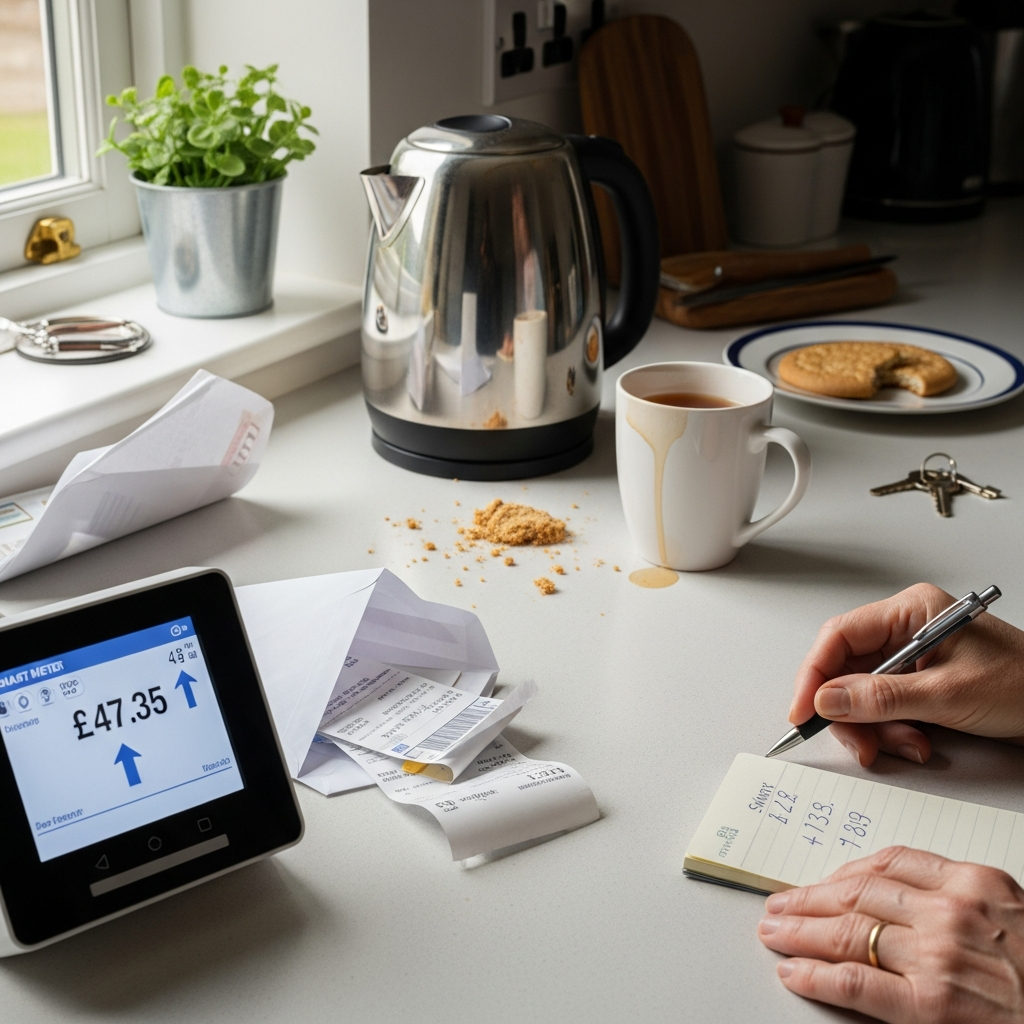
Higher-Than-Expected Bills
This is the single most common complaint, and it almost always comes down to one of three causes:
- Poor system design: The heat pump was sized incorrectly, the flow temperature was set too high, or the radiators were not adequate for low-temperature operation
- Incorrect user behaviour: The owner is running the system like a boiler — switching it on and off, overriding weather compensation, or boosting the temperature manually
- No heat pump tariff: Running a heat pump on a standard electricity tariff costs significantly more than a heat pump-specific tariff
The pattern is clear: high bills are usually a system design or behaviour issue, not a technology problem.
"Our first winter bills were shocking — £200 a month more than we expected. Turned out the installer had set the flow temperature to 55°C. Once a different engineer dropped it to 40°C and adjusted the curve, our bills halved." — Owner of a 4-bed detached, Yorkshire
The Learning Curve
Transitioning from a gas boiler to a heat pump requires a mindset change, and not everyone finds this easy. The key differences:
- Heat pumps work best left running for extended periods, not switched on and off
- Radiators feel warm rather than hot — this is normal and by design
- Hot water takes longer to reheat than with a boiler
- The system needs time to "settle in" — the first few weeks are not representative
"It took me about six weeks to stop panicking that the radiators were not hot enough. Once I understood that warm radiators all day is better than hot radiators for two hours, everything clicked." — Owner of a 2-bed terrace, Bristol
Installation Quality
Among dissatisfied owners, poor installation quality is the most cited reason. Common installation problems include:
- Inadequate heat loss calculation (guessed rather than calculated)
- Oversized or undersized systems
- Flow temperatures set too high
- Weather compensation not set up correctly
- Buffer tank or hydraulic design errors
- Poor commissioning and handover
This is why choosing the right installer is so critical. Read our installation guide for advice on what to look for.
Hot Water Temperature
Some owners find that their hot water is not as hot as they are used to. Heat pumps typically heat water to 48-52°C for daily use (with periodic 60°C pasteurisation cycles), compared to 60-65°C from a gas boiler. This is perfectly safe and adequate, but some people notice the difference, particularly in the shower.
Space Requirements
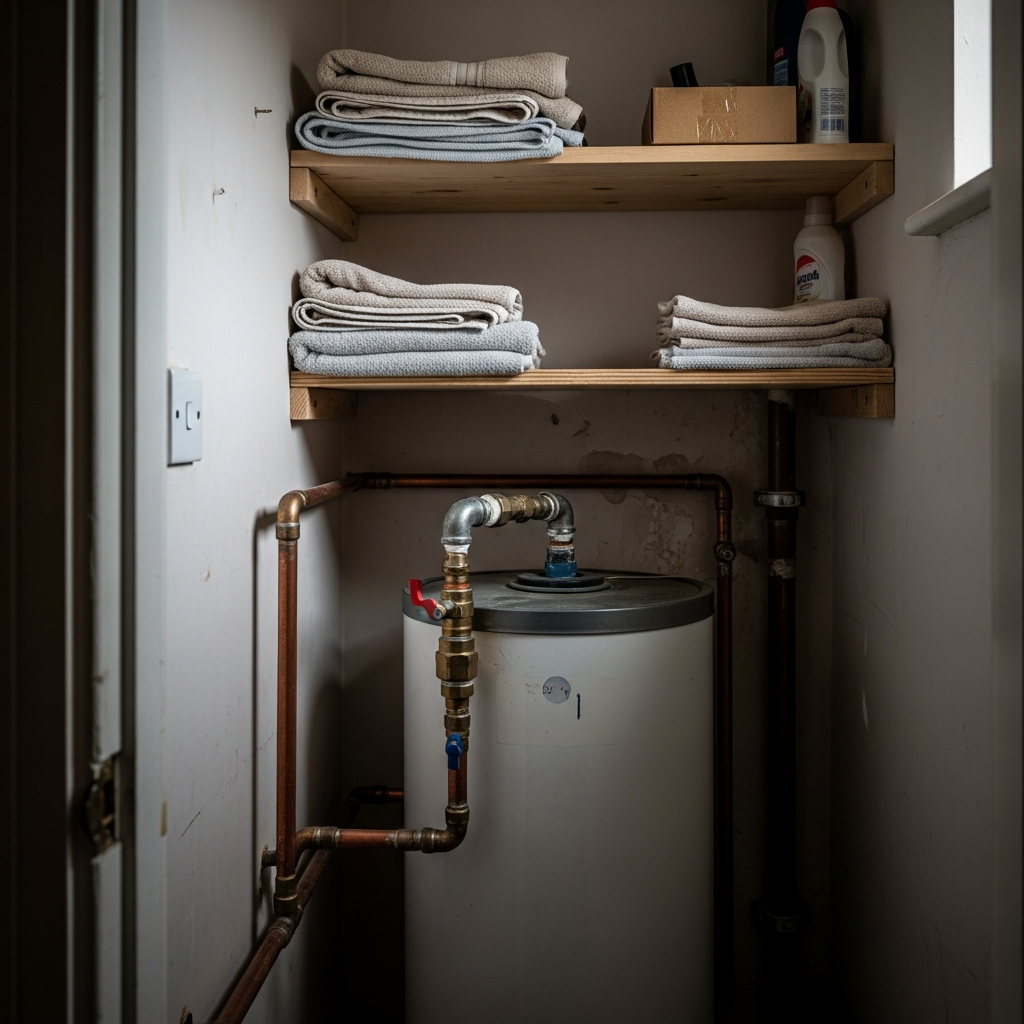
The outdoor unit and indoor cylinder take up space that some owners had not fully appreciated before installation. The outdoor unit is roughly the size of a washing machine, and the cylinder (typically 200-250 litres) needs a dedicated cupboard or corner.
Find an experienced, highly-rated installer
Get free quotesInstallation quality is the biggest factor in owner satisfaction. Choose wisely.
Reviews by Property Type
New Builds
Owner satisfaction is highest in new builds, where the heat pump is designed into the property from the start. Large radiators, underfloor heating, excellent insulation, and proper system design combine to deliver the best possible performance.
"Our new-build came with an ASHP and underfloor heating throughout. It is the most comfortable house I have ever lived in. Bills are about £60 a month for a 4-bed detached."
Well-Insulated Existing Homes
Owners with good insulation (cavity walls, 270mm+ loft insulation, double or triple glazing) generally report positive experiences, particularly if their radiators were adequately sized or upgraded during installation.
Older, Less-Insulated Homes
This is where experiences are most mixed. Owners who improved insulation before or alongside the heat pump installation tend to be happy. Those who installed a heat pump into a poorly insulated home without upgrades often report disappointing performance and high bills.
"We should have done the insulation first. The heat pump works, but it is working much harder than it needs to because we still have not sorted the solid walls." — Owner of a Victorian terrace, London
Off-Gas-Grid Properties
Satisfaction is consistently very high among owners who replaced oil or LPG boilers. The cost savings are dramatic and the environmental benefits are substantial.
What Owners Wish They Had Known
We asked heat pump owners what they would tell someone considering one. The most common responses:
- "Insulate first." Improving your home's insulation before fitting a heat pump makes everything work better and costs less
- "Get the right installer." Do not just go with the cheapest quote. Ask about experience, check references, and make sure they do a proper heat loss calculation
- "It is not a boiler." Do not expect it to work the same way. Embrace the different approach — leave it running, trust the weather compensation, let it do its thing
- "Get a heat pump tariff." The difference between a standard and a heat pump electricity tariff can be £200-400 per year
- "Give it time." The first month is not representative. It takes a full heating season to really understand how the system performs
For those also considering renewable electricity generation, many owners recommend pairing a heat pump with solar panels — the combination of free daytime electricity and efficient heating can dramatically reduce running costs.
Frequently Asked Questions
Are most heat pump owners happy?
Yes. Surveys consistently show 80-85% satisfaction rates. Dissatisfaction is most commonly linked to poor installation quality or unrealistic expectations rather than problems with the technology itself.
What is the biggest regret among owners?
Not improving insulation before installation. This single step improves comfort, reduces bills, and allows the heat pump to operate more efficiently. It is the most impactful preparation you can do.
Do people regret switching from gas?
Most do not, particularly with the BUS grant reducing the upfront cost. Those who do regret it almost always have a system that was poorly designed or installed, rather than a fundamental problem with the technology.
How reliable are heat pumps in practice?
Very reliable. The compressor — the main moving part — typically lasts 15-20 years. Breakdown rates are comparable to gas boilers, and servicing is simpler and cheaper. The most common maintenance issue is clearing debris from around the outdoor unit.
Would owners do it again?
The Energy Saving Trust found that 84% of heat pump owners would recommend the technology to others. Among those in well-insulated homes with a quality installation, the figure is even higher.
Ready to join the 84% who would recommend a heat pump?
Get free installer quotesQuality installation is the biggest factor in owner satisfaction. Start with the right installer.
Understanding Heat Pump Ownership in Context
Owner satisfaction with air source heat pumps reflects the wider maturation of the UK heat pump market. As installation standards improve, technology advances, and more homeowners share their experiences, the knowledge base for new buyers grows stronger. The £7,500 BUS grant has significantly reduced the financial risk of switching, while combining heat pumps with solar panels offers even greater long-term value. Understanding the honest pros and cons and realistic running costs helps set the right expectations from day one.