Heat Pump Service Cost UK: What to Expect
Like any heating system, a heat pump needs regular servicing to maintain performance, efficiency, and warranty cover. The good news is that heat pump servicing is straightforward, less frequent than you might expect, and comparable in cost to gas boiler servicing. This guide covers what a heat pump service involves, what it costs, and how to find a qualified engineer to do the work.
How Much Does a Heat Pump Service Cost?
A standard annual heat pump service in the UK costs between £100 and £200. The exact price depends on:
- Location: London and the South East are typically 15-25% more expensive than other regions
- Heat pump type: Air source heat pump services are at the lower end. Ground source systems may cost slightly more due to additional checks on the ground loop
- Engineer: Manufacturer-trained engineers may charge more than general heat pump service engineers, but they have specific knowledge of your brand's systems
- Service plan vs one-off: Some installers offer annual service plans at a reduced rate — typically £120-160 per year — which can include priority callout and discounted parts
Service Cost Comparison with Other Heating Systems
- Gas boiler service: £80 to £120 per year
- Oil boiler service: £100 to £150 per year
- Heat pump service: £100 to £200 per year
The difference in annual service cost between a heat pump and a gas boiler is modest — approximately £20 to £80 per year. This should not be a significant factor in your decision about whether to install a heat pump.
What Is Included in a Heat Pump Service?
A comprehensive annual heat pump service should include the following checks and tasks. If your service engineer is not covering these items, ask why.
Outdoor Unit Checks
- Visual inspection: Checking for physical damage, corrosion, or signs of refrigerant leaks (oil stains around connections)
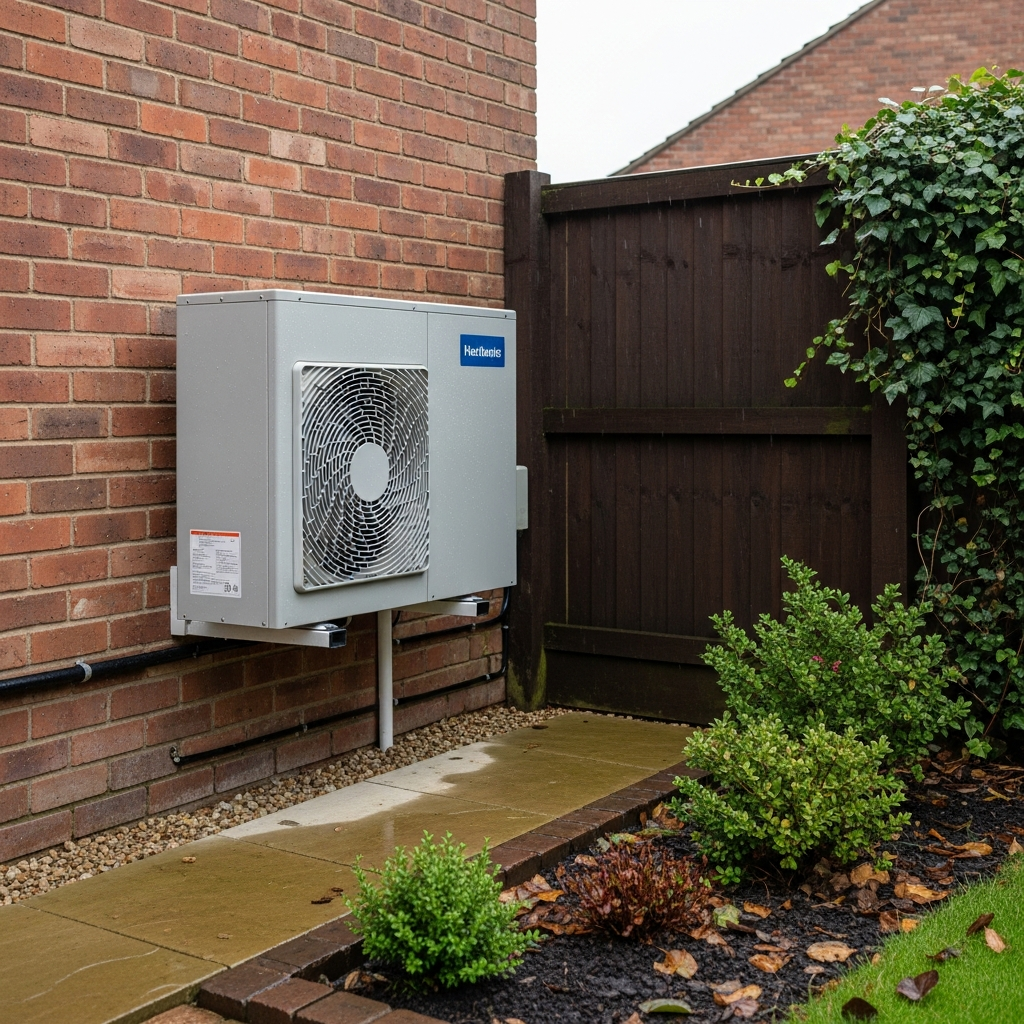
- Airflow check: Ensuring the coil is clear of leaves, debris, cobwebs, and plant growth that could restrict airflow
- Coil cleaning: Cleaning the evaporator coil if it is dirty. A dirty coil reduces efficiency and can cause icing problems
- Fan inspection: Checking the fan blade for damage and the motor for unusual noise or vibration
- Condensate drain: Ensuring the condensate drainage is clear and flowing freely
- Base and mountings: Checking the concrete base or wall brackets for stability, and anti-vibration mounts for deterioration
Indoor Unit and System Checks
- System pressure: Checking the heating system pressure is within the correct range
- Flow and return temperatures: Measuring the water temperatures to verify the system is performing correctly
- Electrical connections: Checking all electrical connections are tight and there are no signs of overheating
- Controls and settings: Reviewing the control settings, including weather compensation curves, flow temperature setpoints, and hot water schedules
- Error log review: Checking the system's error log for any faults or warnings that may have occurred since the last service
- Filter check: If the system has inline filters (like a magnetic filter or strainer), these should be checked and cleaned
Hot Water Cylinder Checks
- Temperature: Verifying the stored water temperature is correct (typically 48-52°C for normal storage)
- Anode rod: Some cylinders have a sacrificial anode that should be checked periodically (not necessarily annually, but the service is a good opportunity)
- Pressure relief valve: Testing the temperature and pressure relief valve to ensure it operates correctly
- Legionella cycle: Confirming the legionella pasteurisation cycle is programmed and functioning
Performance Check
- COP measurement: Some service engineers measure the system's current COP to verify efficiency. A declining COP can indicate issues before they become obvious problems
- Energy consumption review: If the system has monitoring, reviewing the electricity consumption and comparing it to expected values
How Often Does a Heat Pump Need Servicing?
Annual servicing is the standard recommendation for heat pumps, and it is what most manufacturers require to maintain the warranty. This is the same frequency as a gas boiler service.
The best time to service a heat pump is in autumn — before the heating season begins. This ensures the system is in optimal condition for the period when it works hardest. Spring is the second-best option, allowing any issues from the winter season to be identified and addressed before the next winter.
What About the Refrigerant?
A common question is whether the refrigerant needs topping up during a service. In a properly installed system, the answer is no. Refrigerant circuits are sealed systems — they should not lose refrigerant over time. If refrigerant needs topping up, it means there is a leak that needs finding and repairing, not just topping up.
Refrigerant handling is a specialist skill requiring F-Gas certification (or equivalent for newer refrigerants like R290). Your service engineer must hold this certification if they need to work on the refrigerant circuit. A standard service does not normally involve opening the refrigerant circuit.
Is a Service Legally Required?
Unlike gas boiler servicing for landlords (which is a legal requirement under the Gas Safety Regulations), heat pump servicing is not legally mandated. However:
- Warranty requirement: Most heat pump manufacturers require annual servicing to maintain the warranty. Skipping services can void your warranty, which typically lasts 5-10 years
- Efficiency maintenance: An unserviced heat pump gradually becomes less efficient, costing more to run. A dirty evaporator coil alone can reduce COP by 0.2-0.5, adding £50-150 per year in extra electricity costs
- Early fault detection: Catching problems early — before a compressor fails or a refrigerant leak worsens — saves significantly on repair costs
The cost of an annual service (£100-200) is a small fraction of the potential cost of a major repair (£500-2,000+) or the energy wasted by an inefficient system. Servicing is a worthwhile investment.
How to Find a Qualified Heat Pump Service Engineer
Option 1: Your Installer
The simplest option is to use your original installer for servicing. They know your system, have the relevant training, and can offer continuity. Many installers offer service plans at installation — typically £120-160 per year, sometimes bundled with priority callout and discounted parts.
Option 2: Manufacturer's Service Network
Heat pump manufacturers maintain networks of trained service engineers. Contact the manufacturer directly for a list of authorised service agents in your area. These engineers have brand-specific training and access to genuine parts.
Option 3: MCS Installer Database
The MCS (Microgeneration Certification Scheme) installer database lists certified heat pump installers, many of whom also offer servicing. Search by postcode at the MCS website.
Option 4: Independent Heat Pump Engineers
A growing number of independent heating engineers are trained in heat pump servicing. Look for engineers who hold:
- Relevant NVQ or City & Guilds qualifications in heat pump installation and maintenance
- F-Gas certification (for handling refrigerant if needed)
- Manufacturer-specific training for your brand
Our quotes service can also connect you with qualified engineers who offer servicing in your area.
What Happens If You Skip Servicing?
In the short term, probably nothing obvious. Heat pumps are robust equipment. But over time, skipping services leads to:
- Reduced efficiency: A dirty evaporator, incorrect settings drift, or gradual refrigerant loss all reduce COP. You pay more for the same amount of heat.
- Voided warranty: Most manufacturers require annual servicing. A compressor failure at year 4 on a 7-year warranty could leave you with a £2,000+ repair bill if you have no service records.
- Undetected faults: Small issues — a slightly low system pressure, a developing refrigerant leak, a blocked condensate drain — become expensive problems if left unaddressed.
- Shortened lifespan: A well-maintained heat pump lasts 20-25 years. A neglected one might manage 15 before a major component fails.
Service Plans vs Pay-As-You-Go
Most installers offer two options for servicing:
Service Plan (£120-180 per year)
- Annual service included
- Priority callout if a fault occurs (often within 24-48 hours)
- Discounted or included parts for common repairs
- Some plans include labour for repairs
- Peace of mind — no unexpected large bills
Pay-As-You-Go (£100-200 per service)
- You book and pay for each service individually
- No commitment — you can change engineer if you are not satisfied
- Repairs are charged separately at full price
- No priority callout — you join the standard queue
For the first 5-7 years (while the manufacturer's warranty covers major components), pay-as-you-go is often the more economical choice. After the warranty expires, a service plan with repair cover provides better protection against unexpected costs.
DIY Maintenance Between Services
There are simple tasks you can do yourself between professional services to keep your heat pump running well:
- Keep the outdoor unit clear: Remove leaves, debris, and plant growth from around the unit. Maintain at least 300mm clearance on all sides for proper airflow.
- Check the condensate drain: Ensure it is not blocked, especially after autumn leaf fall or winter frost.
- Monitor performance: Keep an eye on your electricity usage. A sudden increase may indicate a problem.
- Check system pressure: If your system has a pressure gauge, note the normal reading and check it periodically. A drop may indicate a leak in the heating circuit (not the refrigerant circuit).
- Clean or replace air filters: If your system has accessible air filters, clean them as recommended by the manufacturer — typically every three to six months.
Do not attempt to clean the evaporator coil with a pressure washer or harsh chemicals — this can damage the aluminium fins. Leave coil cleaning to the professional service.
Frequently Asked Questions
How much does a heat pump service cost in the UK?
Between £100 and £200 for a standard annual service, depending on location, engineer, and heat pump type. Service plans from installers typically cost £120-180 per year and may include additional benefits like priority callout.
Do I need to service my heat pump every year?
Annual servicing is recommended by virtually all manufacturers and is usually required to maintain your warranty. While the system will likely continue to function without servicing, efficiency will decline, and you risk voiding your warranty and missing early signs of faults.
Can a gas engineer service my heat pump?
Not automatically. Gas Safe registration covers gas appliances, not heat pumps. The engineer needs specific heat pump training and ideally manufacturer-specific certification for your brand. Some Gas Safe engineers have also trained on heat pumps, but you should check their qualifications before booking.
What if my installer has gone out of business?
Contact the heat pump manufacturer — they maintain networks of authorised service agents. Alternatively, search the MCS installer database or ask for recommendations from local heat pump owner groups. Any competent heat pump engineer can service your system, even if they did not install it.
Is a heat pump service cheaper than a gas boiler service?
Slightly more expensive — typically £100-200 versus £80-120 for a gas boiler. The difference is modest and reflects the additional checks involved. Over the heat pump's longer lifespan, the total servicing expenditure may be similar because the heat pump does not need replacing as often.
What should I do if the engineer finds a fault during the service?
Ask for a full explanation of the fault, what the repair involves, and the cost. If it is a warranty item, the manufacturer should cover the parts and often the labour. If it is out of warranty, get a quote before authorising the repair. For expensive repairs (over £500), it is reasonable to get a second opinion.