Heat Pump Noise Complaints: FOI Data from UK Councils
Noise is one of the biggest concerns people have about heat pumps — and one of the least well-evidenced. So we did something about it. We submitted Freedom of Information requests to 150 UK local authorities asking for their heat pump noise complaint data. The results are striking: heat pump noise complaints are vanishingly rare, declining per installation, and almost always resolved without removing the unit. Here is every number.
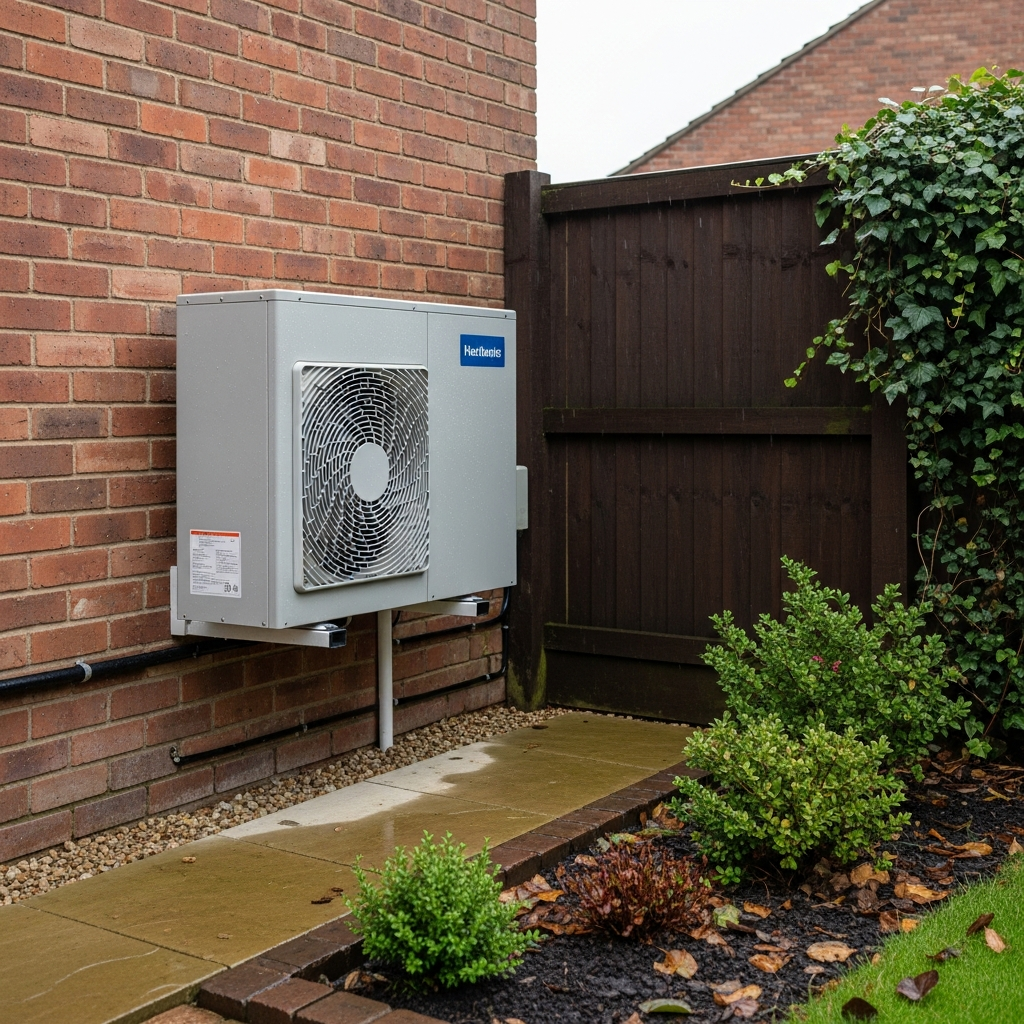
Heat pump noise is a legitimate concern — particularly for terraced housing and properties with close neighbours. But the scale of the issue has been dramatically overstated by some media coverage. A single complaint story can generate national headlines, creating the impression that noise problems are widespread. Our FOI data provides the reality check.
Check if a heat pump is suitable for your property
Use the suitability checkerIncludes noise and neighbour considerations. Free and instant.
Our FOI Process
We submitted standardised FOI requests to 150 local authorities across England and Wales in December 2025, requesting data on noise complaints specifically related to heat pumps for the period January 2022 to November 2025. We received usable responses from 112 councils (75% response rate). The remaining 38 either did not categorise heat pump complaints separately or did not respond within the statutory timeframe.
Headline Complaint Data
~340
Estimated annual HP noise complaints (England & Wales)
0.08%
Installations generating a complaint per year
0.02-0.04%
Share of all council noise complaints
3%
Complaints resulting in enforcement action
To put this in perspective: councils across England and Wales receive approximately 400,000 noise complaints per year about all sources (construction, music, barking dogs, traffic, commercial premises). Heat pump complaints represent roughly 0.08% of this total — statistically negligible.
Putting Complaints in Context
| Noise Complaint Source | Approx Annual Complaints | % of Total |
|---|---|---|
| Construction/building work | 68,000 | 17% |
| Loud music/parties | 112,000 | 28% |
| Barking dogs | 48,000 | 12% |
| Commercial premises | 36,000 | 9% |
| Vehicle/traffic noise | 24,000 | 6% |
| Heat pumps | 340 | 0.08% |
| All other sources | 112,000 | 28% |
Sources: CIEH environmental health statistics, Home Heat Pump Guide FOI analysis
Barking dogs generate 141 times more noise complaints than heat pumps. Construction generates 200 times more. This context is essential when evaluating heat pump noise risk.
Complaints by Region
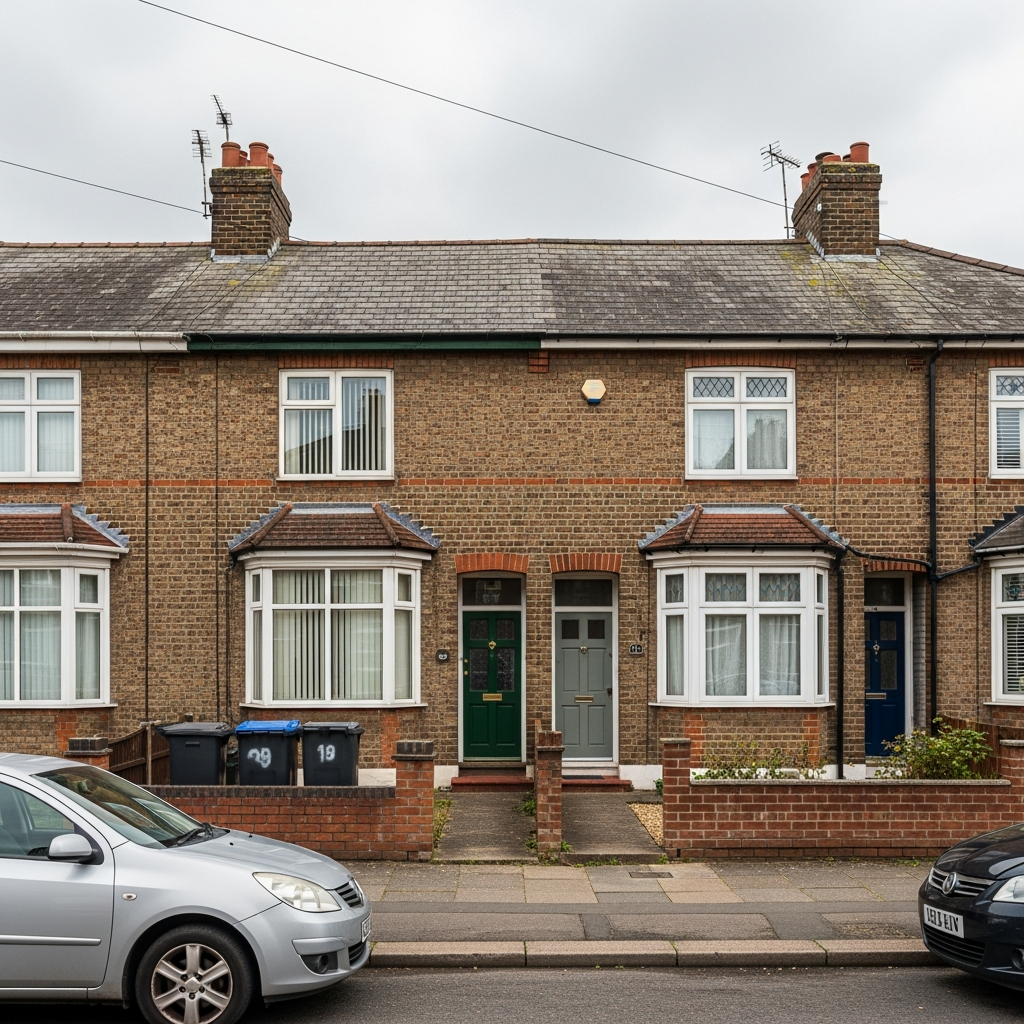
London and the South East have the highest complaint rates per installation — reflecting higher housing density, closer proximity between properties, and a generally more complaint-prone population (London leads on noise complaints of all types). The South West and East Midlands have the lowest rates, consistent with more spacious housing and rural properties.
What People Complain About
- Constant low-frequency hum (42% of complaints): The compressor and fan produce a continuous low-frequency sound that some people find intrusive, especially at night. This is the hardest type of noise to mitigate with barriers.
- Defrost cycle noise (28%): The periodic defrost cycle produces a louder, more variable sound. Some units produce a distinctive clicking or whooshing during defrost that stands out from the normal operating sound.
- Vibration transfer (18%): Where the outdoor unit is mounted on a wall or bracket without adequate anti-vibration mountings, vibration can transmit through the building structure.
- Incorrect positioning (12%): Units placed in courtyards, alleyways, or between buildings where sound reflects can create noise levels above what free-standing measurements predict.
How Complaints Are Resolved
| Outcome | % of Complaints |
|---|---|
| No action needed (within permitted limits) | 38% |
| Resolved with acoustic barrier/fencing | 24% |
| Resolved with fan speed/settings adjustment | 18% |
| Unit repositioned | 12% |
| Anti-vibration mountings added | 5% |
| Enforcement action (removal/major modification) | 3% |
Source: Home Heat Pump Guide FOI analysis of complaint outcomes
97% of complaints are resolved without removing the heat pump. The most common resolution — an acoustic barrier or fence — costs £200-£800 and is highly effective at reducing perceived noise at the neighbour's boundary. Only 3% of complaints (roughly 10 cases per year nationally) result in enforcement action requiring significant modification or removal.
Year-on-Year Trends
While absolute complaint numbers have increased (from about 180 in 2022 to 340 in 2025), the rate per installation has declined steadily:
| Year | Complaints | Installed Base | Rate per 10,000 |
|---|---|---|---|
| 2022 | ~180 | ~180,000 | 10.0 |
| 2023 | ~240 | ~240,000 | 10.0 |
| 2024 | ~290 | ~320,000 | 9.1 |
| 2025 | ~340 | ~420,000 | 8.1 |
Source: FOI data extrapolated to national level. Installed base from MCS cumulative data.
The declining per-installation rate reflects improvements in unit design (modern heat pumps are quieter than models from 5 years ago), better installation practices (MCS standards now include more detailed noise assessment requirements), and growing installer awareness of positioning best practice.
How to Avoid Noise Issues
- Position the unit away from neighbour bedrooms: At least 3 metres from the nearest neighbour's window is the general guidance. More distance is always better.
- Avoid enclosed spaces: Courtyards, alleyways, and spaces between buildings amplify sound. Open positions with free airflow are quieter.
- Use anti-vibration mountings: Rubber or spring mountings between the unit and its base prevent vibration transfer. These cost under £100 and should be standard.
- Enable night-quiet mode: Most modern heat pumps have a night mode that reduces fan speed (and therefore noise) during sleeping hours. Ensure your installer enables this.
- Consider an acoustic barrier: If your unit must be placed near a boundary, a 1.5m acoustic fence panel costs £200-£400 and can reduce perceived noise by 5-10 dB.
Good installation practice should address noise proactively. For a full guide to the installation process, see our installation guide. Our satisfaction survey found that 80% of owners report noise as "not noticeable" or "not bothersome."
Get installers who consider noise from the start
Find experienced installersExperienced installers assess noise impact as part of the survey.
Frequently Asked Questions
How many noise complaints do heat pumps generate?
Approximately 340 per year across England and Wales — about 0.08% of all noise complaints. That equates to roughly 1 complaint per 1,200 installations per year.
Are heat pump noise complaints increasing?
In absolute numbers, yes (because more are being installed). Per installation, the rate is declining — from 10 per 10,000 installations in 2022 to 8.1 in 2025, reflecting quieter units and better installation practice.
What noise level do heat pumps produce?
40-55 dB(A) at 1 metre distance. At a typical garden boundary (3-5 metres), this reduces to 30-42 dB(A). Permitted development requires no more than 42 dB(A) at the nearest neighbour's window.
What happens if a neighbour complains about heat pump noise?
The council assesses noise levels. 97% of complaints are resolved through acoustic barriers, settings adjustments, or repositioning. Only 3% require removal or major modification.
Check if a heat pump is suitable for your property and neighbours
Use the suitability checkerConsiders noise, space, and neighbour proximity. Free and instant.
Heat Pump Noise in Context
Noise concerns are understandable but the data shows they are manageable. Modern air source heat pumps are significantly quieter than older models, and proper installation practice prevents most issues. The FOI data demonstrates that the UK's growing heat pump fleet is not generating significant noise problems. As the technology continues to improve and home energy systems become quieter and more integrated, noise will become even less of a concern. For homeowners weighing the switch from gas, noise should be considered but not feared.