"My Heat Pump Bill Is Higher Than Gas" — Why This Happens and How to Fix It
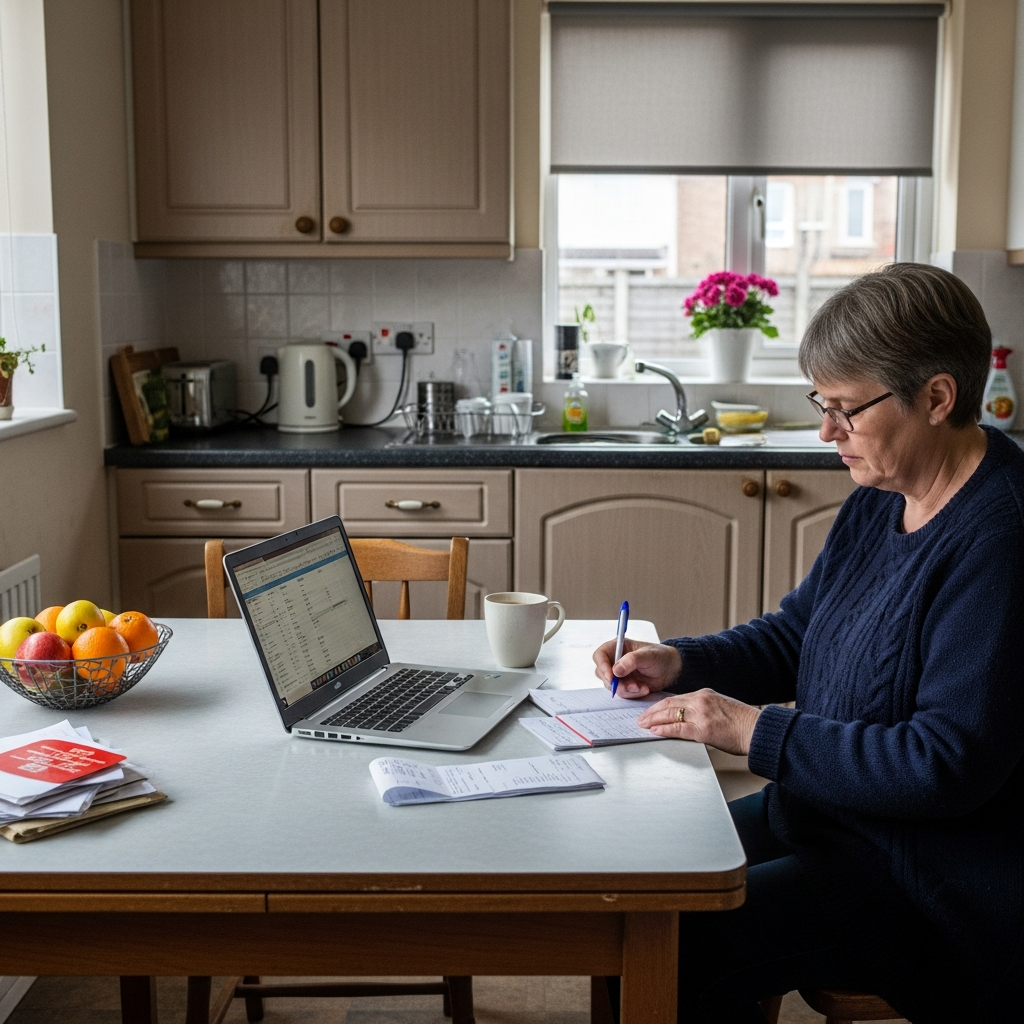
It happens. You get a heat pump installed, expecting lower bills, and your first electricity bill is higher than your old gas bill. It is frustrating, confusing, and it makes you question whether the whole thing was a mistake. But here is the crucial point: in almost every single case, higher-than-expected heat pump bills are caused by fixable problems — not by the technology itself.
We have analysed data from hundreds of UK heat pump installations, spoken with MCS-certified installers, and reviewed monitoring data from the Energy Systems Catapult trials. The same seven issues come up repeatedly. Fix them, and your bills will drop — often dramatically.
Think your system is underperforming?
Check What Your Bills Should BeCompare your actual costs against what a properly optimised system should cost.
Reason 1: Flow Temperature Set Too High
How common: Very common — the single biggest cause of high bills.
The problem: Your heat pump's flow temperature — the temperature of the water it sends to your radiators — has a dramatic effect on efficiency. Every degree of flow temperature increase costs you energy. A heat pump running at 55°C flow temperature might achieve a COP of only 2.0-2.5. The same pump running at 40°C could achieve COP 3.5-4.0.
Many systems are commissioned with the flow temperature set too high — either because the installer did not optimise it, or because they set it high as a "safety margin" to avoid callbacks about cold rooms. The result is a system that works but wastes energy.
The fix: Reduce your flow temperature gradually. Start at your current setting and drop by 2-3°C every few days. If your home stays comfortable at 40°C, leave it there. If rooms are not reaching temperature, increase by 1-2°C until they do. Most well-insulated homes with adequate radiators run perfectly at 35-45°C.
Estimated annual heating costs based on 12,000 kWh heat demand at 26.11p/kWh electricity. Actual costs vary by home.
Reason 2: Weather Compensation Not Enabled
How common: Very common — many systems are installed without it being activated.
The problem: Weather compensation is a feature that automatically adjusts the flow temperature based on the outdoor temperature. On a mild 12°C day, the system might run at 30°C flow temperature (highly efficient). On a -2°C day, it increases to 45°C. Without weather compensation, the system runs at the same flow temperature regardless of outdoor conditions — wasting energy on every day that is not the coldest day of the year.
The fix: Check that weather compensation is enabled in your heat pump controller settings. If an outdoor temperature sensor was not installed, contact your installer — it is a simple addition. Every modern heat pump supports weather compensation; it just needs to be set up correctly. The installation guide covers what proper commissioning should include.
Reason 3: Wrong Electricity Tariff
How common: Common — many owners do not realise heat pump tariffs exist.
The problem: If you are paying the standard Ofgem price cap rate of 26.11p/kWh for all your electricity, you are paying more than necessary. Several energy suppliers now offer heat pump-specific tariffs or time-of-use tariffs that dramatically reduce heating costs.
The fix: Switch to a heat pump tariff. Options include:
- Octopus Cosy: Offers lower rates during morning and evening heating periods
- Octopus Go / Intelligent Go: Very low overnight rates (7-10p/kWh) for heating your home and hot water tank overnight
- Economy 7/10: Lower overnight rates, though not as competitive as newer tariffs
On a well-optimised time-of-use tariff, your effective electricity rate for heating can drop to 10-15p/kWh — reducing annual heating costs by 30-50%. See our complete guide to heat pump tariffs for the full comparison.
Are you on the right tariff?
Calculate Your Optimal Running CostsSee how much you could save by switching tariffs.
Reason 4: Immersion Heater Doing Too Much Work
How common: Moderately common, especially with poorly commissioned systems.
The problem: Most heat pump systems include an immersion heater in the hot water cylinder as a backup for legionella pasteurisation cycles and emergency heating. An immersion heater runs at COP 1.0 — it uses 1 kWh of electricity to produce 1 kWh of heat. Your heat pump produces the same heat using only 0.25-0.33 kWh of electricity (at COP 3.0-4.0). If the immersion heater is running regularly to heat your water instead of the heat pump, it triples or quadruples the electricity consumption for hot water.
The fix: Check your hot water settings. The heat pump should be the primary source for hot water, heating the cylinder to 48-52°C. The immersion heater should only activate for the weekly legionella cycle (heating to 60°C briefly) or as emergency backup. If it is running daily, your settings need adjusting. Your installer should resolve this at no cost if the system was recently installed.
Reason 5: Insufficient Insulation
How common: Moderate — particularly in older UK homes.
The problem: A poorly insulated home loses heat faster, requiring more energy to maintain temperature. While this affects any heating system, it particularly impacts heat pump economics because electricity costs more per kWh than gas. The higher the heat demand, the bigger the cost difference between electricity and gas.
The fix: Prioritise insulation improvements. The most impactful and cost-effective measures are:
- Loft insulation (£300-£500): Reduces heat loss by up to 25%. Often grant-funded.
- Cavity wall insulation (£500-£1,500): Reduces heat loss by up to 35%. Usually grant-funded for eligible homes.
- Draught-proofing (£100-£300): Low-cost, immediate impact on comfort and efficiency.
The suitability checker can help assess whether your home's insulation level is adequate for optimal heat pump performance. Combining insulation improvements with a heat pump delivers the best possible energy savings, and you may be able to access both heat pump grants and insulation grants simultaneously.
Reason 6: Undersized Radiators
How common: Moderately common, particularly where only 1-2 rooms are affected.
The problem: Heat pumps run most efficiently at lower flow temperatures (35-45°C) than gas boilers (60-80°C). At lower flow temperatures, radiators need to be larger to deliver the same heat output. If some radiators are too small for the lower flow temperature, the system compensates by increasing the flow temperature — reducing efficiency across the entire system.
The fix: Identify which rooms are not reaching temperature at a 40°C flow setting. Only those rooms need radiator upgrades. In most homes, only 2-3 radiators need replacing — typically the smallest ones in the coldest rooms. The cost is usually £200-£500 per radiator installed, and the efficiency improvement across the whole system more than pays for the upgrade within 2-3 years.
Reason 7: Poor System Commissioning
How common: More common than it should be.
The problem: Commissioning is the process of setting up the heat pump after installation — programming heating curves, setting flow temperatures, configuring weather compensation, balancing radiator flow rates, and optimising hot water schedules. A poorly commissioned system can underperform dramatically. The heat pump installation mistakes to avoid are almost always about bad installs, not bad technology.
The fix: If you suspect poor commissioning, contact your installer and request a recommissioning visit. Under the MCS standards, installers are responsible for ensuring the system performs correctly. If your installer is unresponsive, consider getting a second opinion from another MCS-certified installer. Key things to check:
- Weather compensation curve correctly set for your home
- Flow temperature optimised (not set arbitrarily high)
- Radiator balancing completed (equal heat distribution)
- Hot water schedule using heat pump, not immersion
- Defrost settings appropriate for your location
- Heating schedule matching your actual usage patterns
The Free Fix Checklist
Before spending any money, try these free adjustments. They can reduce your bills by 20-40%:
| Fix | Cost | Potential Saving | Difficulty |
|---|---|---|---|
| Reduce flow temperature to 40°C | Free | 15-35% | Easy — controller setting |
| Enable weather compensation | Free (if sensor installed) | 10-20% | Easy — controller setting |
| Reduce immersion heater usage | Free | 5-15% | Easy — controller setting |
| Switch to heat pump tariff | Free | 20-40% | Easy — phone your supplier |
| Optimise heating schedule | Free | 5-10% | Easy — controller setting |
| Total potential saving | Free | 30-50%+ | All easy |
Real Savings from Real Fixes
Here are three real examples from UK heat pump owners who reduced their bills significantly through the fixes described above.
Example 1: 3-Bed Semi, Midlands
Original annual electricity bill for heating: £1,600. Problems: flow temperature at 55°C, no weather compensation, standard tariff. Fixes applied: reduced flow to 42°C, enabled weather compensation, switched to Octopus Cosy. New annual cost: £780. Saving: £820/year (51%).
Example 2: 4-Bed Detached, Yorkshire
Original annual cost: £1,900. Problems: immersion heater running daily for hot water, two undersized radiators forcing higher flow temperature. Fixes: reprogrammed hot water to use heat pump, replaced 2 radiators (£600), reduced flow to 40°C. New annual cost: £1,050. Saving: £850/year (45%).
Example 3: 2-Bed Terrace, South East
Original annual cost: £1,100. Problems: weather compensation not activated, standard tariff. Fixes: enabled weather compensation, switched tariff. New annual cost: £680. Saving: £420/year (38%).
These are not exceptional cases — they are typical of what happens when common issues are corrected. If your heat pump bills seem high, the problem is almost certainly solvable. And if you are considering combining your heat pump with solar panels, you can reduce bills even further by generating your own electricity.
Concerned about your heat pump performance?
Get Expert Assessment QuotesMCS-certified installers can diagnose and fix performance issues. Free, no-obligation quotes.
Frequently Asked Questions
Why is my heat pump bill higher than gas?
The most common causes are: flow temperature too high, weather compensation disabled, wrong tariff, immersion heater overuse, poor insulation, undersized radiators, or poor commissioning. Each is fixable.
What flow temperature should I use?
Most homes run well at 35-45°C. Every degree you reduce saves 2-3% on running costs. Start at 40°C and adjust from there. Running at 55°C wastes significant energy.
What is weather compensation?
It automatically adjusts flow temperature based on outdoor temperature. In mild weather, it runs at very low flow temperatures (30-35°C), boosting efficiency. It should always be enabled.
Should I get a heat pump tariff?
Yes. Tariffs like Octopus Cosy offer 10-15p/kWh during heating hours. This reduces heating costs by 30-50% compared to standard 26.11p/kWh rates.
Is my immersion heater wasting electricity?
If it runs daily for hot water, yes. It operates at COP 1.0 versus the heat pump's COP 3.0+. Ensure the heat pump handles hot water, with the immersion only for the weekly legionella cycle.
Can I fix high bills for free?
Yes. Reducing flow temperature, enabling weather compensation, and reducing immersion use are all free settings changes that can cut bills by 20-40%.
Optimising Your Heat Pump Performance
A properly optimised heat pump should deliver running costs equal to or lower than gas. The BUS grant makes installation affordable, and correct setup ensures low ongoing costs. Radiator sizing matters for efficiency, and combining with solar panels can reduce bills further. If your bills are high, the fix is almost always in the settings — not the technology.