Ground Source Heat Pump Noise: Is It Silent?
Noise is one of the most common concerns people have about heat pumps. Stories of noisy air source units and neighbour disputes make the news regularly. But ground source heat pumps are a completely different proposition when it comes to noise — and it is one of their strongest selling points.
This guide explains exactly how much noise a ground source heat pump makes, compares it to other heating systems, and explains why it is the quietest heat pump option by a significant margin.
Why Ground Source Heat Pumps Are So Quiet
The reason is simple: there is no outdoor unit.
An air source heat pump has a large outdoor unit containing a fan that draws air over the evaporator coil. This fan is the main source of noise, and it runs whenever the heat pump is operating — which in winter can be most of the day and night. The noise radiates outwards from the unit, potentially reaching neighbouring properties.
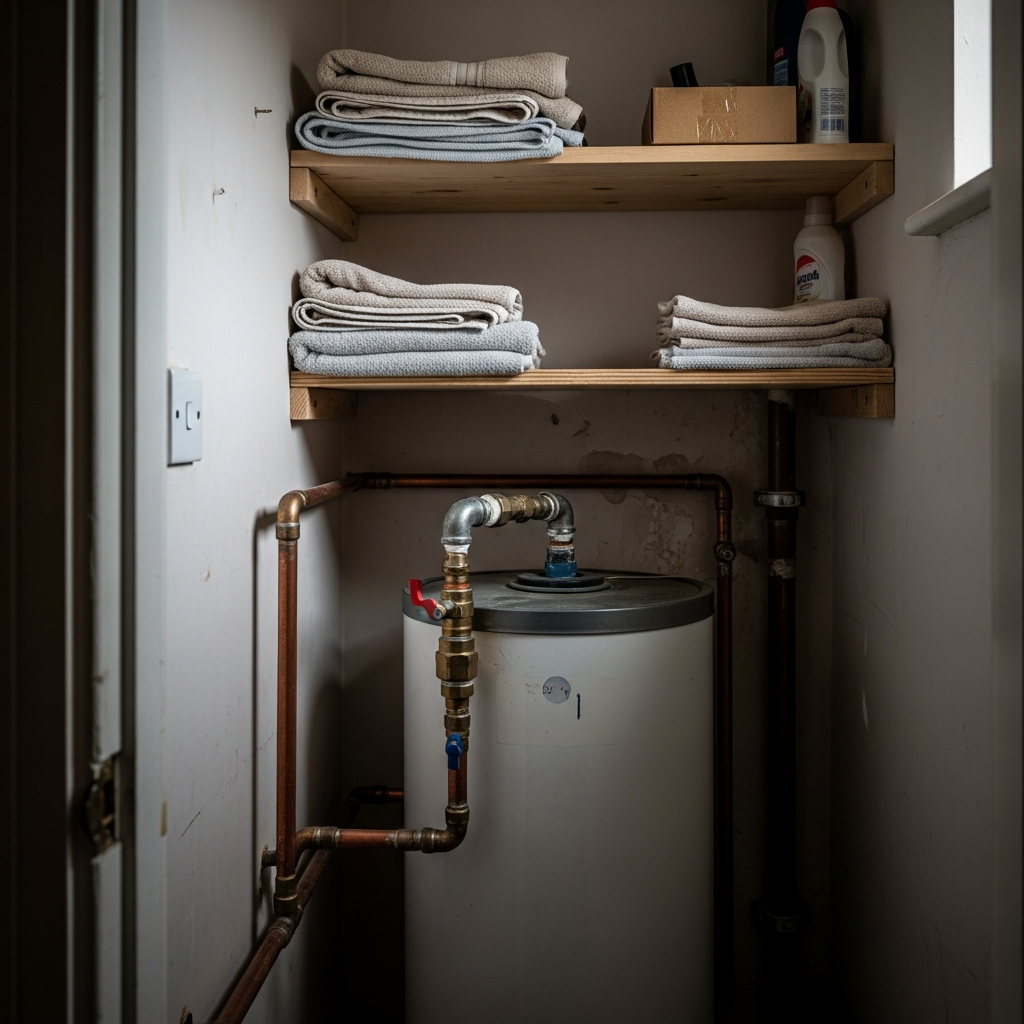
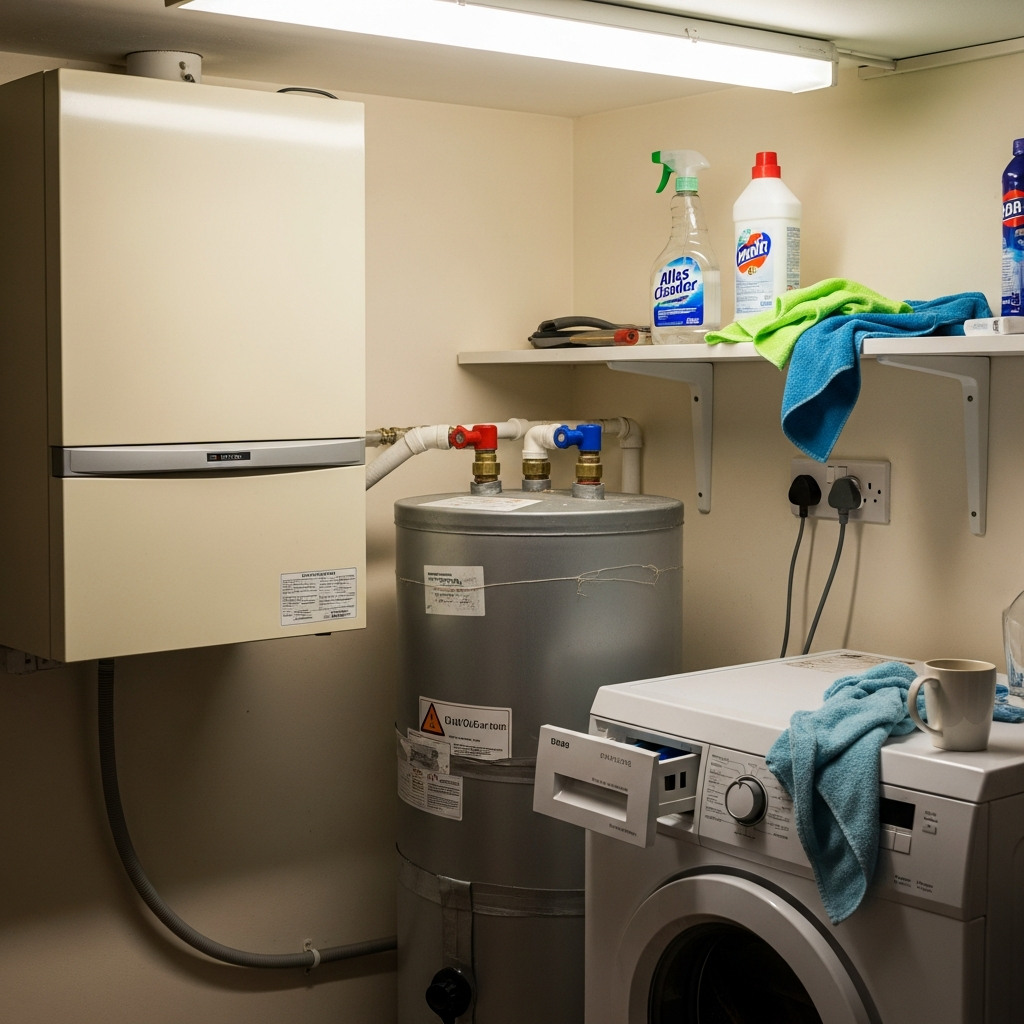
A ground source heat pump has no outdoor unit at all. The ground loop is buried underground — completely silent. The only equipment is the indoor heat pump unit, installed inside your home, typically in a utility room, garage, or plant room.
This means:
Zero external noise. There is literally nothing outside making any sound. Your neighbours will not hear a thing. There is no planning consideration around noise, no minimum distance from boundaries, and no risk of complaints.
Indoor noise only. The sound from a ground source heat pump is contained within your home, in a room you choose. Close the utility room door and you are unlikely to hear it from anywhere else in the house.
How Loud Is a Ground Source Heat Pump?
The indoor unit of a ground source heat pump typically produces 40-45 dB(A) at 1 metre distance. To put that in context:
20 dB: Rustling leaves, quiet whisper
30 dB: Quiet bedroom at night
40 dB: Quiet library, refrigerator humming
45 dB: Ground source heat pump indoor unit
50 dB: Moderate rainfall, quiet conversation
55-65 dB: Air source heat pump outdoor unit (varies by model)
70 dB: Vacuum cleaner, busy traffic
At 40-45 dB, a ground source heat pump is comparable to a modern fridge-freezer or a quiet gas boiler. Most people describe the sound as a low hum — noticeable if you stand next to it in a quiet room, but easily masked by normal household sounds.
Where Does the Noise Come From?
The sounds produced by a ground source heat pump come from three sources:
The Compressor
This is the main source of noise. The compressor is a mechanical device that compresses refrigerant gas, and it produces a steady low-frequency hum when running. Modern scroll compressors are significantly quieter than older reciprocating types. The compressor is housed inside the indoor unit, which provides some sound insulation.
Circulation Pumps
The pumps that circulate fluid through the ground loop and the heating circuit produce a quiet hum. These are similar to the pumps in any central heating system. Modern variable-speed pumps are very quiet — typically contributing only 2-3 dB to the overall noise level.
Water Flow
You may occasionally hear the sound of water flowing through pipes, particularly when the system starts up or the circulation pumps change speed. This is a gentle gurgling or whooshing sound, similar to what you hear with conventional central heating. It is not continuous and is rarely noticeable.
Noise Comparison: Ground Source vs Air Source
This is where ground source has a clear advantage:
Air source outdoor unit: 55-65 dB(A) at 1 metre. This is comparable to a normal conversation or moderate traffic. At the boundary of a neighbouring property (perhaps 3-5 metres away), the level drops to around 40-50 dB, but this is still audible, particularly at night when background noise is low. Planning regulations in England require that the noise level at the nearest neighbour's window does not exceed 42 dB(A).
Ground source indoor unit: 40-45 dB(A) at 1 metre, entirely contained within your home. At your nearest neighbour's property: effectively 0 dB — they will hear nothing at all.
This matters in several situations:
Detached houses in quiet areas. Where background noise is low, even a quiet air source unit can be noticed. Ground source produces zero external noise.
Terraced and semi-detached houses. Air source units placed on side returns or small gardens are close to neighbouring properties. Ground source eliminates this concern entirely.
Conservation areas and listed buildings. Planning authorities may be more cautious about noise in sensitive settings. Ground source removes noise as a planning issue.
Personal noise sensitivity. Some people are particularly sensitive to low-frequency sounds. If noise is a concern for you or your family, ground source is the safe choice.
Can You Hear a Ground Source Heat Pump From Other Rooms?
In most installations, no. The indoor unit is typically placed in a utility room, garage, or dedicated plant room. With the door closed, the 40-45 dB sound level drops by 20-30 dB as it passes through a standard internal door and wall. This means the noise in adjacent rooms is typically 15-25 dB — below the threshold of perception for most people.
If the heat pump is installed in an open-plan area or a room without a door (such as an open utility area off the kitchen), you will hear it. This is an installation design consideration — a good installer will discuss placement options to minimise noise impact.
Tips for Minimising Indoor Noise
Install in a room with a door. A closed door between the heat pump and your living spaces makes an enormous difference.
Use anti-vibration mounts. The unit should be mounted on rubber anti-vibration pads to prevent vibration transmitting through the floor. This is standard practice for reputable installers.
Ensure adequate space. A unit crammed into a tight cupboard will be louder than one installed with proper clearance. The casing needs air space around it to dissipate sound.
Lag pipework. Pipes passing through walls can transmit vibration. Insulating pipes where they pass through walls or floors reduces this.
Avoid bedrooms above. If possible, do not install the unit directly below a bedroom. While the noise is low, sensitive sleepers may perceive the vibration through the ceiling.
Noise and Planning Permission
One of the significant practical advantages of ground source heat pumps' silence is the impact on planning. Air source heat pumps installed under permitted development rights must comply with MCS 020 noise standards — the unit must not exceed 42 dB(A) at the nearest neighbour's habitable room window.
Ground source heat pumps have no external noise to measure. There is no outdoor unit, so there is no planning condition related to noise. This makes ground source the only heat pump option for properties where air source noise limits cannot be met — for example, terraced houses with very short distances to neighbours' windows.
For more on planning requirements, see our guide on ground source heat pump planning permission.
Night-Time Noise
Heat pumps often run at night, particularly in well-designed systems that maintain a steady temperature rather than switching on and off. Night-time noise is the most common cause of complaints about air source heat pumps because background noise drops to very low levels (20-30 dB in rural areas).
With ground source, this is a non-issue. The unit is indoors, behind a closed door, producing 40-45 dB in its own room and effectively nothing in bedrooms or neighbouring properties. You can run a ground source heat pump 24 hours a day, 365 days a year, without any noise concern whatsoever.
What About Vibration?
The compressor in any heat pump produces some vibration. In a ground source unit, this vibration is managed through:
Internal mounts. The compressor is mounted on rubber bushings inside the casing, isolating most vibration from the outer shell.
Anti-vibration feet. The unit sits on rubber or spring mounts that prevent vibration transmitting to the floor.
Flexible pipe connections. The pipes connecting to the unit should include flexible sections to prevent vibration transmitting through the pipework into the building structure.
If these measures are properly implemented (as they should be in any competent installation), vibration is not an issue. If you feel vibration through the floor or hear a resonant hum in other rooms, it usually indicates that the anti-vibration mounting is inadequate or has deteriorated — a relatively easy fix.
Ground Source Noise in Different Property Types
Detached Houses
Ideal for ground source on every measure, including noise. The indoor unit can be placed in a utility room, garage, or outbuilding far from living spaces. Neighbours are far enough away that even if the unit were outdoors (which it is not), they would hear nothing.
Semi-Detached Houses
Ground source is excellent here because there is zero noise on the shared party wall side. Place the unit in a utility room or garage away from the party wall for maximum isolation. Compare this to an air source unit, which must be placed with careful consideration of the neighbour's property.
Terraced Houses
Ground source is often the only viable heat pump option for mid-terrace properties where air source noise limits cannot be met. The indoor unit produces no external noise, so there is no neighbour impact regardless of how close the properties are.
Flats and Apartments
Individual ground source units in flats are rare, but shared ground loop systems serving blocks of flats are increasingly common. The individual heat pump units in each flat are compact and quiet — similar to a fridge. Proper anti-vibration mounting is essential to prevent structure-borne noise transmitting to adjacent flats.
Is Ground Source Really Silent?
No — "silent" is an overstatement. The indoor unit produces a noticeable hum similar to a fridge or quiet gas boiler. But from outside the property? Yes, it is effectively silent. And from other rooms in the house? With the utility room door closed, most people will not hear it.
If noise is a major factor in your decision between air source and ground source, ground source wins decisively. It is the only heat pump technology that produces zero external noise. For a full comparison of the two technologies, see our guide on heat pumps versus gas boilers, or use our suitability checker to assess your property.
Ready to explore ground source for your home? Get free quotes from MCS-certified ground source heat pump installers.
Frequently Asked Questions
Is a ground source heat pump silent?
Not completely, but close. The indoor unit produces about 40-45 dB — similar to a fridge humming. From outside the property, it is effectively silent because there is no outdoor unit. With the utility room door closed, most people cannot hear it from other rooms.
Is a ground source heat pump quieter than an air source heat pump?
Significantly. An air source outdoor unit produces 55-65 dB and can be heard by neighbours. A ground source unit has no outdoor components at all — zero external noise. The indoor unit is also quieter than most air source indoor units because it does not have to work as hard (the ground provides a more stable heat source).
Will my neighbours hear my ground source heat pump?
No. There is no outdoor unit, so there is no external noise to reach neighbouring properties. This is one of the main reasons people choose ground source over air source, particularly in terraced or semi-detached houses.
Can I install a ground source heat pump in a bedroom?
Technically possible but not recommended. At 40-45 dB, the unit is noticeable in a quiet room. Most installations use a utility room, garage, or plant room. If the heat pump is near a bedroom, ensure there is a solid door and wall between them.
Does a ground source heat pump make noise at night?
The indoor unit produces the same low hum whether it runs during the day or at night. Since the unit is indoors and there is no outdoor component, night-time operation causes no disturbance to neighbours and is unlikely to disturb household members if the unit is properly located behind a closed door.
Is noise a planning issue with ground source heat pumps?
No. Unlike air source heat pumps, which must meet noise limits at neighbouring properties under permitted development rules, ground source heat pumps have no external noise to assess. Noise is not a planning consideration for GSHP installations.