Best Heat Pump for Cold Climates UK
One of the most persistent concerns about air source heat pumps is whether they work properly in cold weather. If you live in Scotland, Northern England, or any part of the UK that regularly sees sub-zero temperatures, this is a perfectly reasonable question — and the answer is more reassuring than you might expect.
Modern air source heat pumps are designed to operate in temperatures as low as -20°C to -25°C. They do lose some efficiency in the cold, but the best models maintain strong performance even when the thermometer dips well below freezing. This guide compares the leading brands by cold weather capability and recommends the best options for the coldest parts of the UK.
How Cold Does the UK Actually Get?
Before comparing heat pumps, it helps to understand what "cold" actually means in a UK context. The UK has a temperate maritime climate, and even the coldest regions rarely experience the extremes seen in Scandinavia or Canada.
- Southern England: Average winter low of 1 to 3°C. Below -5°C is rare.
- Midlands and Northern England: Average winter low of 0 to 2°C. -5°C to -10°C occurs a few nights per year.
- Scotland (lowlands): Average winter low of -1 to 1°C. -10°C occurs several nights per year.
- Scotland (highlands): Average winter low of -3 to 0°C. -15°C occurs occasionally. -20°C is extremely rare.
The key insight is that even in the Scottish Highlands, the temperature is above 0°C for the vast majority of heating hours. Extreme cold snaps are short-lived. A heat pump needs to cope with them, but it does not need to be optimised solely for extreme conditions.
How Cold Weather Affects Heat Pump Performance
An air source heat pump extracts heat from outdoor air. As the air temperature drops, there is less heat energy available and the compressor must work harder to extract it. This reduces the coefficient of performance (COP).
A typical heat pump might achieve:
- COP of 4.5 at 7°C (mild winter day)
- COP of 3.0 at 0°C (typical cold day)
- COP of 2.2 at -7°C (cold snap)
- COP of 1.8 at -15°C (severe cold — rare in UK)
Even at a COP of 2.0, the heat pump is still delivering twice as much heat energy as the electricity it consumes — far better than a direct electric heater. The seasonal COP (SCOP) averages these figures across the entire heating season, and for most UK locations, the SCOP remains between 3.0 and 4.5.
Best Heat Pumps for Cold UK Weather
Vaillant aroTHERM plus — Best Overall Cold Weather Performance
The Vaillant aroTHERM plus maintains impressive efficiency even at low temperatures. Its variable-speed compressor modulates smoothly across a wide operating range, and the R290 refrigerant actually performs better than R32 at very low ambient temperatures.
- COP at -7°C (W35): 2.72
- COP at -15°C (W35): 2.10
- Minimum operating temperature: -22°C
- Maximum flow temperature: 70°C
The aroTHERM plus is our top recommendation for properties in Scotland and Northern England. Its R290 refrigerant has a lower boiling point than R32, which helps it extract heat from very cold air more effectively. It also achieves high flow temperatures when needed, ensuring adequate heating output during the coldest spells.
Mitsubishi Ecodan — Proven in Cold Conditions
The Mitsubishi Ecodan has been installed extensively in Scotland, including in Highlands locations, and has a strong reputation for reliability in cold weather.
- COP at -7°C (W35): 2.58
- COP at -15°C (W35): 1.95
- Minimum operating temperature: -25°C
- Maximum flow temperature: 60°C
Mitsubishi's flash injection technology boosts capacity at low temperatures, helping the system maintain output when heating demand is highest. The Ecodan's minimum operating temperature of -25°C is among the lowest of any domestic heat pump — comfortably below anything the UK can produce.
NIBE F2120 — Scandinavian Engineering
NIBE is a Swedish manufacturer with decades of experience designing heat pumps for genuinely cold climates. The F2120 is their commercial and large residential unit, while the S2125 covers smaller properties.
- COP at -7°C (W35): 2.65
- COP at -15°C (W35): 2.05
- Minimum operating temperature: -25°C
- Maximum flow temperature: 65°C
NIBE's Scandinavian heritage gives it a genuine edge in cold weather design. The vapour-injected scroll compressor maintains capacity at low temperatures, and the defrost system is exceptionally well-engineered. NIBE also offers sophisticated weather compensation controls that adapt to local conditions over time.
Daikin Altherma 3 — Reliable All-Rounder
The Daikin Altherma 3 handles cold weather well, though it does not quite match the Vaillant or NIBE at the extremes.
- COP at -7°C (W35): 2.50
- COP at -15°C (W35): 1.85
- Minimum operating temperature: -25°C
- Maximum flow temperature: 65°C
Daikin is a safe choice for Northern England and lowland Scotland. For highland locations with frequent sub-zero temperatures, the Vaillant, Mitsubishi, or NIBE may be slightly better choices.
Samsung EHS Mono — Good Budget Option for Cold Weather
The Samsung EHS Mono performs creditably in cold weather, though it trails the premium brands at the lowest temperatures.
- COP at -7°C (W35): 2.45
- COP at -15°C (W35): 1.80
- Minimum operating temperature: -25°C
- Maximum flow temperature: 65°C
If budget is a priority and you are in a cold area, the Samsung remains a viable option. It will cost slightly more to run during cold snaps than a Vaillant, but the lower purchase price may offset this over the system's lifetime. See our budget heat pump guide for more detail.
Cold Weather COP Comparison Table
| Brand & Model | COP at 7°C | COP at 0°C | COP at -7°C | COP at -15°C | Min Operating Temp |
|---|---|---|---|---|---|
| Vaillant aroTHERM plus | 5.08 | 3.40 | 2.72 | 2.10 | -22°C |
| NIBE F2120/S2125 | 4.80 | 3.25 | 2.65 | 2.05 | -25°C |
| Mitsubishi Ecodan | 4.20 | 3.10 | 2.58 | 1.95 | -25°C |
| Daikin Altherma 3 | 4.60 | 3.05 | 2.50 | 1.85 | -25°C |
| Samsung EHS Mono | 4.65 | 3.00 | 2.45 | 1.80 | -25°C |
All COP values are at W35 (35°C flow temperature). At higher flow temperatures (W55), all values drop by approximately 30 to 40%. For a full comparison, read our COP comparison by brand guide.
Ground Source: The Cold Weather Champion
If cold weather performance is your top priority and budget permits, a ground source heat pump is worth serious consideration. Ground temperatures in the UK remain at 8 to 12°C year-round, regardless of air temperature. This means a ground source system maintains a consistent COP of 4.0 to 5.0 throughout winter.
The installed cost is roughly double that of air source — £18,000 to £28,000 after the grant — and you need adequate garden space for boreholes or horizontal loops. But for rural properties in Scotland with large gardens, ground source can be the best long-term investment.
Tips for Cold Climate Heat Pump Installations
Insulation Is Non-Negotiable
In cold regions, your home loses heat faster, and the heat pump has to work harder. Investing in proper insulation — loft, cavity walls, draughts — reduces the heating load and allows a smaller, cheaper heat pump to do the job. This matters more in Scotland than in southern England.
Size the System for Design Temperature
Your installer should size the heat pump based on the design temperature for your area — the coldest temperature the system needs to handle. For most of England, this is -3°C. For Scotland, it may be -5°C to -8°C. In the Highlands, -10°C or lower. A properly sized system will not need a backup heater.
Consider a Buffer Tank
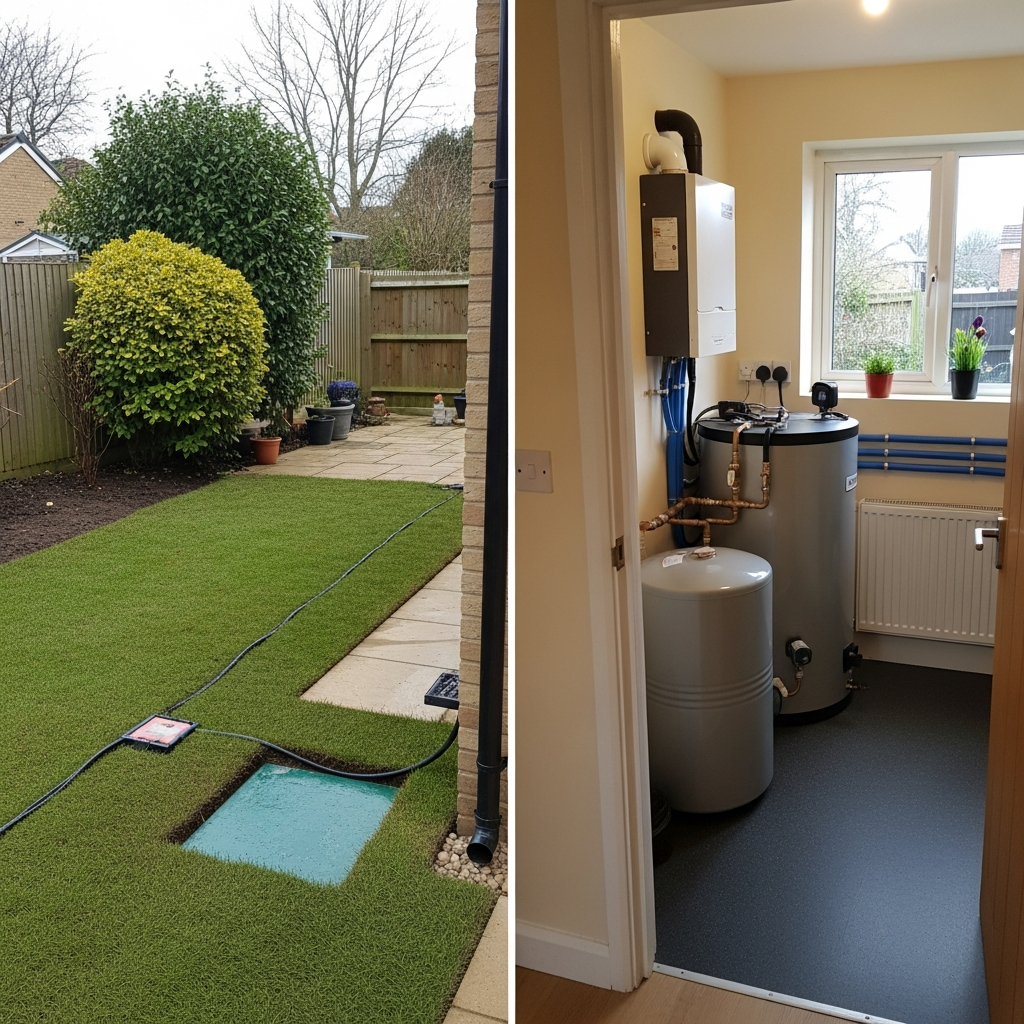
A buffer tank stores heated water, which helps the heat pump run in longer, more efficient cycles rather than short bursts. This is particularly beneficial in cold climates where heating demand fluctuates rapidly as weather fronts pass through.
Position the Outdoor Unit Thoughtfully
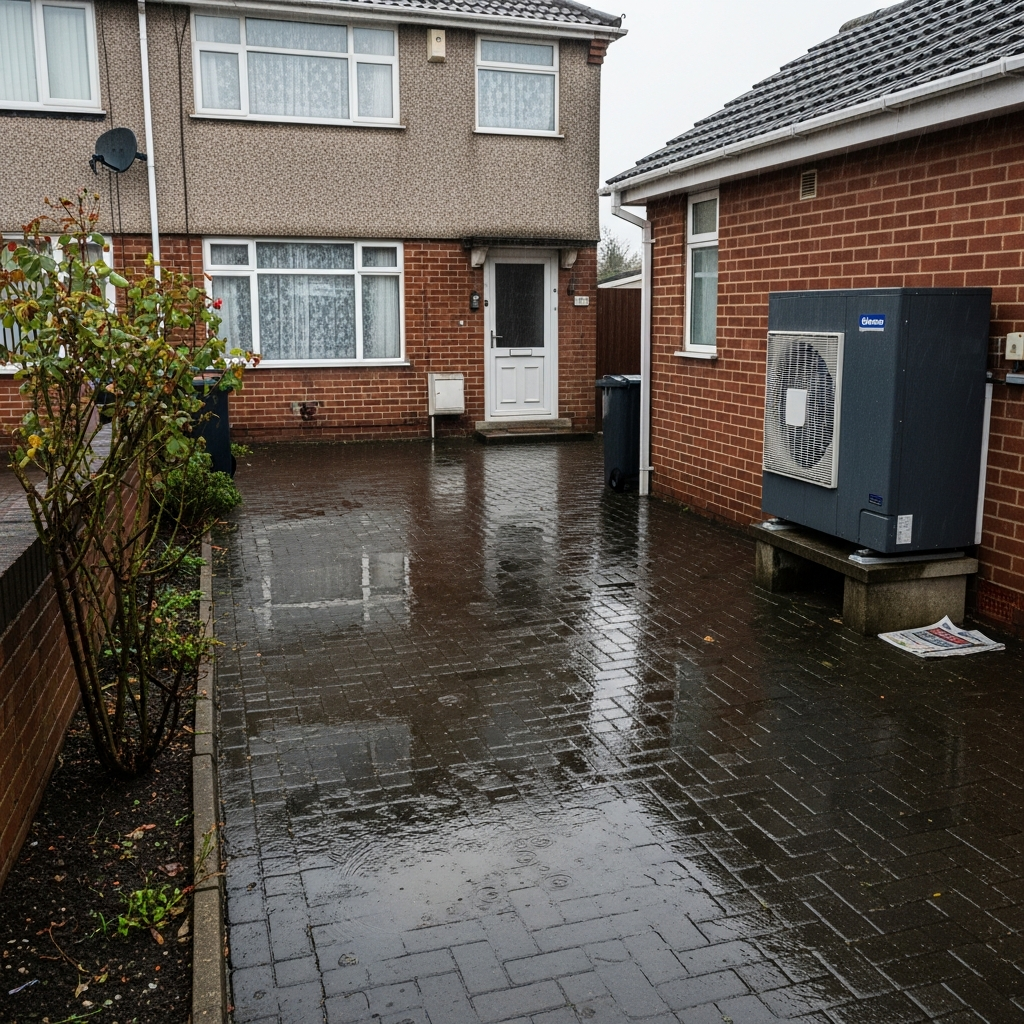
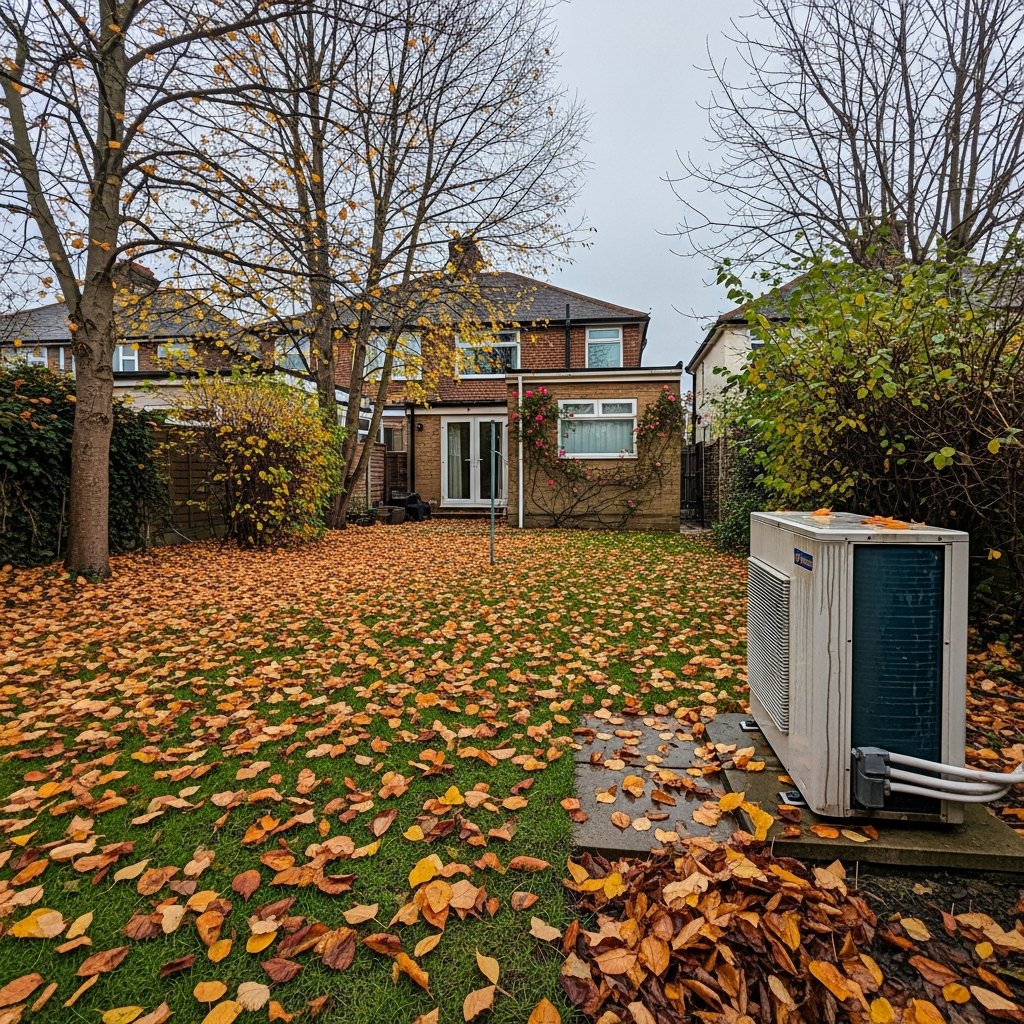
Avoid placing the outdoor unit in a location that is shaded all day or exposed to prevailing winds, as both reduce the available heat in the surrounding air. A south-facing or west-facing wall is ideal. Ensure adequate clearance for airflow and defrost drainage.
Plan for Defrost Cycles
In cold, humid conditions, frost builds up on the outdoor unit's heat exchanger. The heat pump periodically reverses its cycle to defrost, which temporarily reduces heating output and efficiency. Better-quality units have more sophisticated defrost controls that minimise energy loss. This is one area where premium brands genuinely outperform budget options.
Real-World Performance in Scotland
The Energy Saving Trust's Electrification of Heat project monitored hundreds of heat pump installations across the UK, including many in Scotland. The data showed:
- Average SCOP in Scotland was 2.65 to 3.2 — lower than southern England (3.0 to 3.8) but still delivering 2.5 to 3 units of heat per unit of electricity.
- Homes with good insulation and low flow temperatures achieved SCOP above 3.5 even in Scotland.
- The most common issue was not cold weather performance but poor installation — undersized radiators, high flow temperatures, and incorrect controls settings.
The conclusion is clear: a well-installed heat pump works effectively in every part of the UK. Cold weather reduces efficiency modestly, but the difference between a Scottish and a southern English installation is smaller than the difference between a good and a poor installation anywhere.
Frequently Asked Questions
Do heat pumps work in freezing temperatures?
Yes. All modern air source heat pumps are designed to operate in temperatures well below freezing. Most models work down to -20°C or -25°C. Even at -10°C, a good heat pump achieves a COP of 2.0 or better — delivering twice as much heat as the electricity it consumes.
Do I need a backup heating system?
A properly sized heat pump should not need a backup system anywhere in the UK. Most heat pumps include a small electric immersion heater for emergencies, but this should rarely, if ever, activate. If your installer suggests you need a significant backup system, question whether the heat pump has been sized correctly.
Is a heat pump suitable for a Scottish farmhouse?
Yes, though older, poorly insulated farmhouses may need a larger unit (12 to 16kW) or significant insulation improvements first. A ground source heat pump may be more suitable for very large rural properties with adequate land.
Which refrigerant works best in cold weather?
R290 (propane) has a lower boiling point than R32 and performs slightly better at very low temperatures. The Vaillant aroTHERM plus uses R290 and leads the cold weather performance charts. Read more in our R290 propane heat pumps guide.
Does altitude affect heat pump performance?
Higher altitude means lower air temperatures and lower air density, both of which reduce heat pump output slightly. Properties above 300 metres should factor in an extra 1 to 2°C reduction when sizing the system. Your installer should account for this in the heat loss calculation.
Are heat pumps noisier in cold weather?
Slightly. The compressor works harder in cold weather, which can increase noise by 2 to 5 dB. Defrost cycles also produce brief increases in noise. However, background noise levels are generally lower in cold, still conditions, so the heat pump may be more noticeable despite the modest increase in actual output.