Air Source Heat Pump Efficiency: COP and SCOP Explained
A heat pump with an SCOP of 3.5 produces 3.5 kWh of heat for every 1 kWh of electricity — making it over three times more efficient than a new gas boiler. Understanding COP and SCOP is the key to predicting your real running costs and choosing the right system for your home.
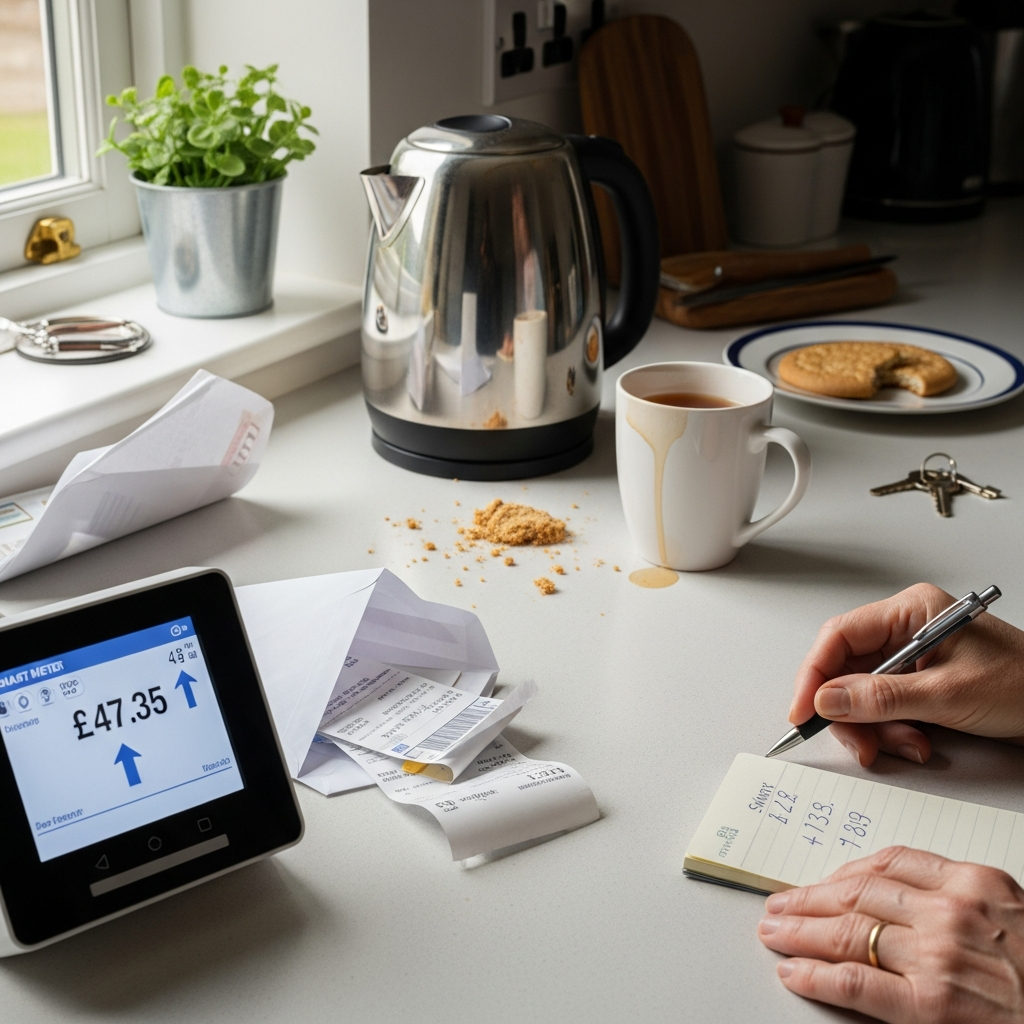
If you've started researching heat pumps, you'll have come across terms like COP and SCOP. They sound technical, but they're actually straightforward once you know what they mean — and understanding them is essential for working out whether a heat pump will save you money.
In this guide, we'll explain air source heat pump efficiency in plain English, show you what good numbers look like, and help you understand why efficiency changes throughout the year.
Find out what a heat pump would cost to run in your home
Use the free calculatorNo email required. Instant results based on your property details.
What Is COP? (Coefficient of Performance)
COP stands for Coefficient of Performance. It's the simplest way to measure how efficient a heat pump is at any given moment.
Here's the basic idea: COP tells you how many units of heat you get for every unit of electricity you put in. A COP of 3.0 means that for every 1 kWh of electricity the heat pump uses, it produces 3 kWh of heat.

To put that in perspective, a gas boiler is typically 90-95% efficient — meaning it converts roughly 0.9-0.95 kWh of heat from every 1 kWh of gas. A heat pump with a COP of 3.0 is effectively 300% efficient. It's not creating energy from nothing; it's moving heat from the outdoor air into your home, using electricity to power the process.
What Affects COP?
COP isn't a fixed number. It changes depending on several factors:
- Outdoor temperature: The warmer the air outside, the higher the COP. On a mild 10°C day, your heat pump might achieve a COP of 4.0 or more. On a freezing -5°C day, it could drop to 2.0-2.5.
- Flow temperature: The temperature of the water your heat pump sends to your radiators or underfloor heating. Lower flow temperatures mean higher COP. This is why correctly sized radiators matter so much.
- System design: A well-designed system with properly sized radiators, good insulation, and correct heat pump sizing will achieve better COP figures consistently.
What Is SCOP? (Seasonal Coefficient of Performance)
While COP gives you a snapshot at one moment, SCOP (Seasonal Coefficient of Performance) gives you the bigger picture. It's the average efficiency across an entire heating season, accounting for all the temperature variations throughout the year.
SCOP is the number you should pay most attention to when comparing heat pumps, because it reflects real-world performance rather than ideal conditions.
In the UK, a good air source heat pump will typically achieve an SCOP of 2.8 to 3.5. This means that over the course of a full heating season, you're getting roughly 3 units of heat for every unit of electricity — even accounting for those cold January mornings.
How Is SCOP Calculated?
SCOP is measured under the European ErP (Energy-related Products) directive. Manufacturers test heat pumps at specific temperature points and calculate a weighted average based on typical weather patterns. For the UK, the "average climate" zone is used, which assumes outdoor temperatures averaging around 5-10°C during the heating season.
You'll find SCOP figures on the product data sheet and energy label of any heat pump sold in the UK. Look for the figure listed under "average climate" — that's the most relevant one for British conditions.
What Numbers Should You Look For?
Here's a practical guide to what the numbers mean:
| SCOP Rating | What It Means | Typical Cost Savings vs Gas |
|---|---|---|
| Below 2.5 | Below average — may struggle to save money | Minimal or none |
| 2.5 – 3.0 | Decent — will likely save money vs gas | 10-25% |
| 3.0 – 3.5 | Good — solid savings expected | 25-40% |
| 3.5 – 4.0 | Excellent — among the best on the market | 35-50% |
| Above 4.0 | Exceptional — usually with low flow temps and UFH | 45%+ |
For a more detailed breakdown of what this means for your energy bills, see our guide to heat pump running costs in the UK.

COP vs SCOP: Which One Matters More?
In short: SCOP matters more for comparing products and estimating your annual bills. COP is useful for understanding how your system performs under specific conditions.
Think of it like a car's fuel economy. COP is like measuring your miles per gallon on a single journey. SCOP is like your average fuel economy over an entire year of driving — it accounts for motorway runs, city traffic, and everything in between.
When you're shopping for a heat pump, always compare SCOP figures. When you're trying to optimise your existing system, monitoring COP can help you identify issues or opportunities for improvement.
How Seasonal Variation Affects Efficiency
One of the most common concerns about air source heat pumps is whether they work well in winter. The answer is yes, but their efficiency does vary throughout the year.
Spring and Autumn (September–November, March–May)
These are the sweet spot for heat pump efficiency. Outdoor temperatures are typically 5-15°C, and heating demand is moderate. COP during these months often sits between 3.5 and 4.5. This is when your heat pump is at its most efficient, and your electricity bills will be lowest relative to the heat produced.
Winter (December–February)
During the coldest months, outdoor temperatures in most of the UK hover between -5°C and 7°C. COP will typically range from 2.0 to 3.0. The heat pump works harder and uses more electricity, but it's still producing 2-3 times more heat energy than the electrical energy it consumes. For more detail, read our guide on heat pump performance in winter.
Summer
If you're only using your heat pump for hot water during summer (no space heating), you'll see high COP figures — often 3.5 to 5.0 — but the actual energy consumption is low because demand is minimal.
See exactly what efficiency means for your energy bills
Calculate your savings nowFree, instant results. No obligation, no email required.
How to Maximise Your Heat Pump's Efficiency
Getting a heat pump with a good SCOP rating is only part of the equation. How the system is installed and operated makes a significant difference to real-world efficiency.
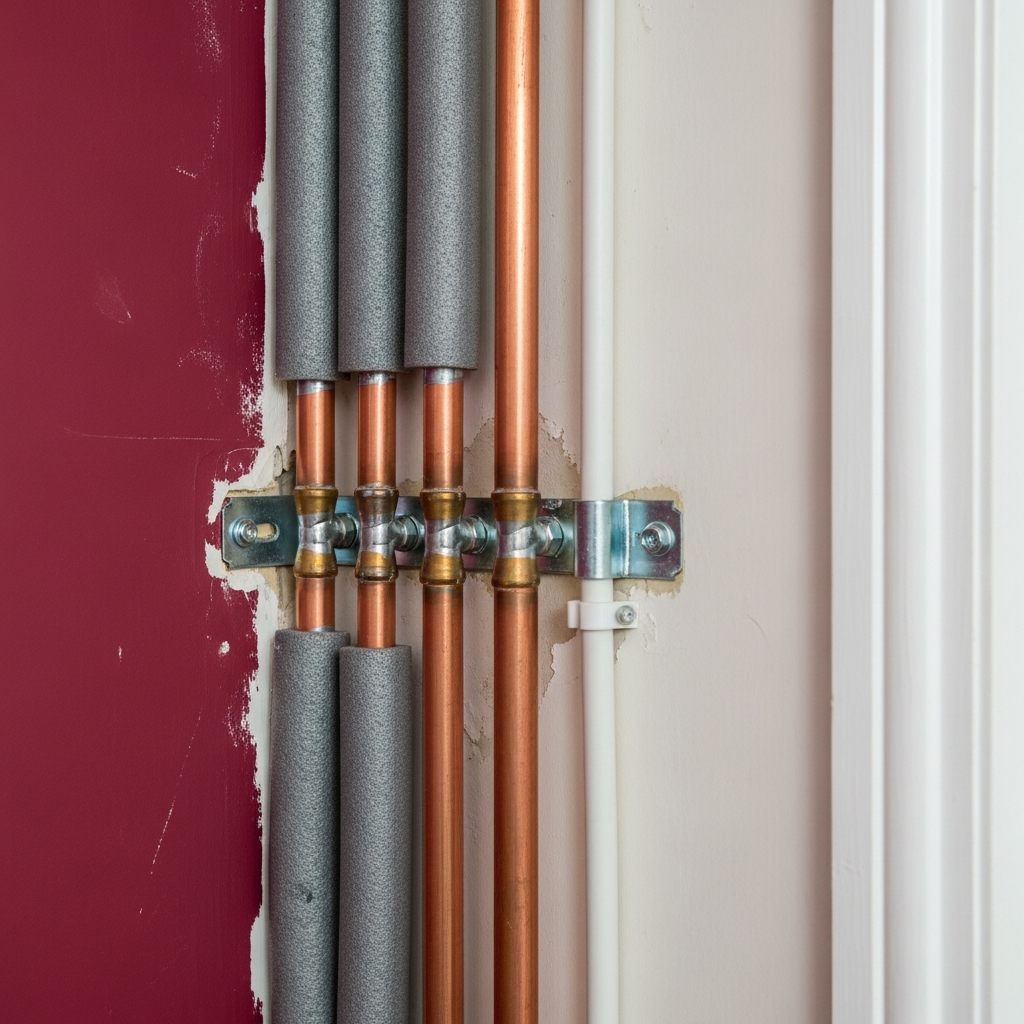
1. Keep Flow Temperatures Low
This is the single biggest factor you can control. Every degree you reduce your flow temperature improves efficiency. Aim for 35-45°C if you have underfloor heating, or 45-55°C with properly sized radiators. If your system needs flow temperatures above 55°C, you may need to upgrade your radiators — our guide on radiators for heat pumps explains when this is necessary.
2. Insulate Your Home
Better insulation means your home holds heat longer, so the heat pump can run at lower flow temperatures and shorter cycles. Loft insulation, cavity wall insulation, and draught-proofing all contribute to improved efficiency.
3. Use Weather Compensation
Most modern heat pumps have weather compensation controls that automatically adjust the flow temperature based on the outdoor temperature. This ensures the system runs at the most efficient settings possible at all times. Make sure this feature is enabled — some installers leave it turned off by default.
4. Don't Constantly Adjust the Thermostat
Heat pumps work best when maintaining a steady temperature rather than heating from cold. Avoid turning the heating off completely overnight and then blasting it in the morning. A small setback of 1-2°C overnight is fine, but large swings hurt efficiency.
5. Ensure Regular Servicing
A well-maintained heat pump operates more efficiently. Annual servicing ensures refrigerant levels are correct, the outdoor unit is clean, and all components are working properly. See our maintenance guide for more details.
Real-World Efficiency: What UK Homeowners Actually Achieve

Lab-tested SCOP figures are useful for comparison, but what do people actually see in practice? Data from the UK's Electrification of Heat Demonstration Project (which monitored thousands of heat pump installations) showed:
- The average SCOP across all installations was around 2.8
- Well-designed systems with low flow temperatures achieved 3.0-3.5
- Poorly designed or incorrectly set up systems sometimes fell below 2.5
- Systems with underfloor heating consistently outperformed those with radiators alone
The key takeaway: the difference between a good installation and a poor one can be 30-40% in efficiency. Choosing the right installer matters as much as choosing the right heat pump. For our full guide on what to expect, see air source heat pump running costs.
Understanding Energy Labels
Every heat pump sold in the UK must carry an ErP energy label, similar to what you see on washing machines and fridges. Here's how to read it:
- A+++: SCOP of 4.6 or above (rare for air source in UK climate)
- A++: SCOP of 3.8 to 4.6 (very good)
- A+: SCOP of 3.0 to 3.8 (good — most quality heat pumps fall here)
- A: SCOP of 2.5 to 3.0 (acceptable but not outstanding)
For the Boiler Upgrade Scheme grant, your heat pump must achieve a minimum SCOP that meets MCS standards. Most reputable brands comfortably exceed this threshold. Learn more in our grants and funding guide.
Does Higher Efficiency Always Mean Lower Bills?
Not necessarily. Efficiency is only one part of the running cost equation. You also need to consider:
- Electricity price vs gas price: Electricity currently costs roughly 3-4 times more per kWh than gas. A heat pump needs an SCOP of at least 2.7-3.0 to break even with a modern gas boiler on running costs alone.
- Heat pump tariffs: Some energy suppliers offer cheaper electricity rates for heat pump users, which can tip the balance significantly.
- Your home's heat demand: A highly efficient heat pump in a draughty, poorly insulated house may still cost more to run than a gas boiler in a well-insulated one.
Use our heat pump calculator to get a personalised estimate based on your property and energy usage. If you are also considering solar panels, pairing solar with a heat pump can reduce your electricity costs further by generating free daytime energy to power the system.
Frequently Asked Questions
What is a good COP for an air source heat pump?
A COP of 3.0-4.0 at typical UK winter temperatures (0-7°C) is considered good. At milder temperatures (10°C+), you'd expect 3.5-5.0. Remember that COP varies with conditions, so SCOP is a better measure for overall comparison.
What SCOP should I look for when buying a heat pump?
Look for an SCOP of at least 3.0 for the "average climate" zone. An SCOP of 3.5 or above is excellent. Most quality brands from manufacturers like Vaillant, Daikin, Mitsubishi, and Samsung achieve 3.0-4.0 depending on the model and flow temperature.
Does COP drop to 1.0 in very cold weather?
No. Even at -10°C, a modern air source heat pump will typically achieve a COP of 1.8-2.5. COP only approaches 1.0 at temperatures well below what the UK experiences. At COP 1.0, the heat pump would essentially be working as an electric heater — this almost never happens in British conditions.
Is a heat pump with a higher SCOP always worth the extra cost?
Not always. If the price difference between an SCOP 3.2 and SCOP 3.5 heat pump is £2,000, but the annual saving is only £50-80, it would take 25-40 years to recoup the difference. Compare the total cost of ownership, not just efficiency ratings.
Can I monitor my heat pump's COP at home?
Yes. Many modern heat pumps display COP on their controller or app. For more accurate monitoring, you can install a heat meter alongside your electricity meter to track actual performance. This is recommended if you want to optimise your system over time.
Why is my heat pump's real-world SCOP lower than the datasheet?
Datasheet SCOP figures are measured under standardised conditions. Real-world performance can differ due to higher flow temperatures, poor system design, incorrect settings, or higher heat demand than expected. If your SCOP is significantly lower than expected, ask your installer to review the system settings.
The Bottom Line
Air source heat pump efficiency is measured by COP (instant performance) and SCOP (seasonal average). For UK homeowners, SCOP is the number that matters most — aim for 3.0 or above, and you can expect meaningful savings compared to a gas boiler.
But remember: the heat pump itself is only part of the story. Low flow temperatures, good insulation, weather compensation controls, and a quality installation are what turn a good SCOP rating into genuine real-world savings.
Ready to find out what a heat pump could save you? Try our heat pump calculator for a personalised estimate, or get free quotes from MCS-certified installers in your area.
Discover what efficiency means for your wallet
Get your personalised savings estimateFree, instant, no obligation. Based on your property type and current heating system.
Understanding Heat Pump Efficiency in Context
Heat pump efficiency sits at the heart of the UK's transition to low-carbon heating. COP and SCOP metrics allow homeowners to compare air source heat pumps objectively and predict real running costs. These efficiency ratings interact with home insulation levels, radiator sizing, flow temperature settings, and electricity tariffs to determine actual savings. For homes pairing a heat pump with solar panels, self-generated electricity can push effective running costs even lower. The Boiler Upgrade Scheme requires minimum efficiency standards, ensuring every grant-funded installation delivers meaningful carbon and cost reductions.