10 Heat Pump Owners Share Their First Winter Experience
Nothing beats hearing from people who have actually lived through their first winter with a heat pump. We gathered honest, unfiltered accounts from 10 UK homeowners who made the switch from gas, oil, and electric heating. They share what went well, what surprised them, what they would do differently, and whether they would recommend it. No sales pitches — just real experiences from real homes.
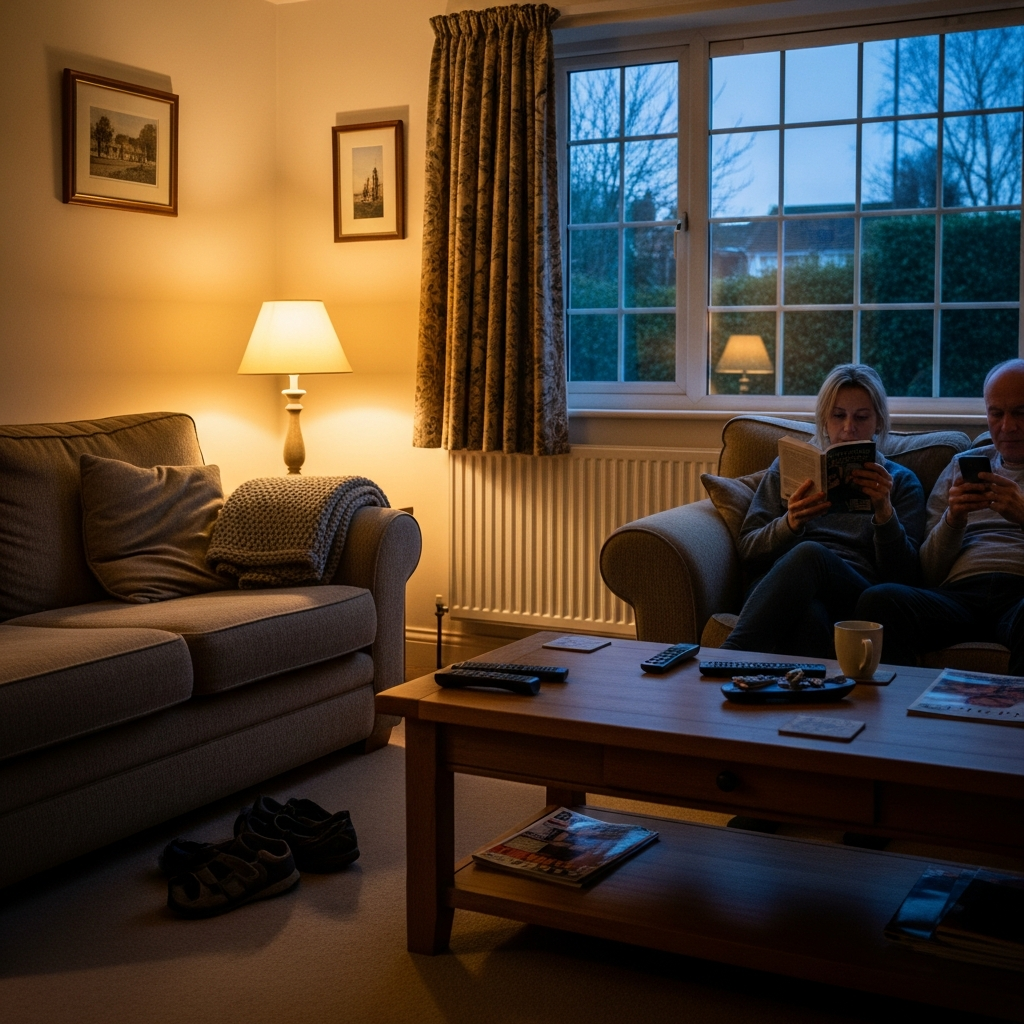
The first winter with a heat pump is the one that matters most. It is when you discover whether the system was sized correctly, whether the installer set it up properly, and whether your expectations match reality. According to Nesta's heat pump satisfaction research, the overwhelming majority of owners are satisfied after their first winter — but the experience varies depending on installation quality, home insulation, and how well the homeowner was prepared for the differences from a boiler.
We deliberately sought a mix of property types, locations, and previous heating systems to give you the broadest possible picture. For technical details on what makes a good installation, see our installation guide.
See what a heat pump would cost for your home
Use the free calculatorInstant estimate based on your property type and current heating system.
Owner 1: Sarah, 3-Bed Semi, Hampshire — Replacing Gas Boiler
"Our gas boiler was 18 years old and on its last legs, so we had to replace something anyway. We decided to go for a heat pump instead of another boiler. The total cost was £11,500 before the £7,500 grant, so we paid £4,000 out of pocket — not much more than a decent boiler installation."
The installation: A 9 kW Vaillant Arotherm Plus, 200-litre heat pump cylinder, 3 radiators upgraded (living room, dining room, and master bedroom). Installation took 3 days.
First winter verdict: "Honestly, better than expected. The house has been consistently warm — warmer than with the old boiler, actually, because the temperature doesn't swing up and down. The radiators feel warm rather than scorching, which took a week to get used to. Our electricity bills for heating from October to March came to about £780 — roughly what we were paying for gas."
Would she do it again? "Absolutely. The consistent warmth is a genuine improvement. And knowing we've cut our carbon by nearly 2 tonnes a year feels good."
Owner 2: David, 4-Bed Detached, Suffolk — Replacing Oil Boiler
"We were spending £2,200 a year on heating oil, and it just kept going up. The heat pump seemed like a way to get off that roller coaster."
The installation: A 12 kW Mitsubishi Ecodan, 250-litre cylinder, 5 radiators upgraded. Total cost £16,000 before the £7,500 grant. Oil tank removed.
First winter verdict: "The heating bills were about £1,050 for the winter — so we saved roughly £600 compared to oil even in year one. The house is warmer and more evenly heated than it ever was with the oil boiler. The only surprise was the defrost cycle — on really cold mornings, steam comes off the outdoor unit and the fan sound changes for about 10 minutes. Completely normal, but nobody told us about it beforehand."
Would he do it again? "Without question. The savings from oil alone justified it, and the environmental benefit is a bonus. Our carbon savings are over 3 tonnes a year."
Owner 3: Emma, Victorian Terrace, Manchester — Replacing Gas
"Our house is 1890s, solid walls, high ceilings. Everyone said it wouldn't work. We proved them wrong — but it wasn't straightforward."
The installation: A 10 kW Samsung EHS Mono, 200-litre cylinder. The installer recommended 4 radiator upgrades. External wall insulation was added to the rear elevation (grant-funded through ECO4). Total heat pump cost £12,500 after the BUS grant: £5,000.
First winter verdict: "There was a learning curve. The first month, we kept turning the thermostat up because the radiators didn't feel hot enough. Our installer came back and explained that the system works differently — it runs at a lower, constant temperature. Once we stopped fighting it and let it run, the house was genuinely comfortable all winter. Bills were about £900."
What would she do differently? "I would have insisted on more detailed handover training from the installer. The system works brilliantly now, but we wasted a month and extra electricity trying to run it like a boiler."
Owner 4: Robert, Bungalow, Devon — Replacing Storage Heaters
"Storage heaters are the worst heating system ever invented. They blast heat at 3am when you don't need it and run out by 4pm when you do. The heat pump has been life-changing."
The installation: A 7 kW Daikin Altherma 3, 170-litre cylinder, all-new radiators throughout (the bungalow had no wet heating system). Total cost £14,000 after grant: £6,500.
First winter verdict: "Transformative. For the first time in 20 years, this house is actually warm when I want it to be. The bills are about half what I was paying with storage heaters — £550 for the winter compared to about £1,100. And I have hot water whenever I want it, not just twice a day."
Owner 5: Lisa, New-Build, Oxfordshire — Built with ASHP
"Our new-build came with a heat pump as standard. We didn't choose it — it was what the developer installed. We were nervous at first, but now we're converts."
The system: 5 kW ASHP, underfloor heating throughout, well-insulated to Future Homes Standard. No radiators at all.
First winter verdict: "The house is incredibly comfortable. Underfloor heating with a heat pump is just beautiful — warm floors, even temperature everywhere, no cold spots. Our total heating bill for the winter was about £350. Friends with similar new-builds on gas boilers are paying more."
Owner 6: Tom, Rural Cottage, Shropshire — Replacing LPG
"LPG was costing us over £2,500 a year and it felt criminal. The heat pump has cut that dramatically."
The installation: 10 kW Grant Aerona3, 250-litre cylinder, 3 radiators upgraded. Total cost £13,500 after grant: £6,000.
First winter verdict: "Heating costs were about £900 — saving us roughly £1,600 compared to LPG. The payback on our £6,000 investment will take less than 4 years. We also added solar panels which will reduce the electricity costs further from spring onwards."
Owner 7: Mark, 1930s Semi, Birmingham — The Honest Middle Ground
"I'll be straight: the first winter wasn't perfect. Our installer didn't set the weather compensation correctly, and we ran the system too hot for the first two months. Once we got that sorted, everything improved."
The installation: 9 kW Bosch Compress 7000i, 200-litre cylinder, 2 radiators upgraded. Total cost £11,000 after grant: £3,500.
First winter verdict: "After the teething problems, the second half of winter was great. Total heating cost for the season was about £850 — roughly the same as gas was costing us. The key lesson: make sure your installer properly commissions the system and sets up weather compensation correctly. Read our guide on common installer mistakes before your installation."
Owner 8: Fiona, Scottish Highlands — Cold Climate Champion
"People told us heat pumps don't work in Scotland. That's complete nonsense. Our home in the Highlands has been warm all winter — including during the -8°C snap in January."
The installation: 12 kW Nibe F2120, 250-litre cylinder, underfloor heating on the ground floor plus upgraded radiators upstairs. Home Energy Scotland grant and interest-free loan covered the entire cost.
First winter verdict: "The heat pump ran perfectly through temperatures down to -8°C. Yes, it works harder in extreme cold — the COP drops from about 3.5 at 5°C to about 2.5 at -8°C — but it still produced heat. Our heating cost was about £1,100 for the winter, which is substantially less than the oil we were using before."
Owner 9: Amir, Ground-Floor Flat, London — Compact Installation
"Everyone said you can't put a heat pump in a flat. Our MCS installer found a way — the outdoor unit sits on a concrete base in our small patio area, and the indoor unit and cylinder fit in a utility cupboard."
The installation: 5 kW Samsung, 150-litre cylinder. No radiator changes needed (the flat is well-insulated with good double glazing). Total cost £9,000 after grant: £1,500.
First winter verdict: "The flat has been perfectly warm. The small heat pump is incredibly quiet — we genuinely cannot hear it from inside. Heating cost for the winter was about £400. At £1,500 out of pocket, this will pay for itself in gas savings within about 3 years."
Owner 10: Catherine, Large Detached, Kent — Ground Source
"We went for ground source rather than air source because we have a large garden and wanted maximum efficiency. It was more expensive upfront but the running costs are even lower."
The installation: 12 kW ground source heat pump with 3 × 100m boreholes, 300-litre cylinder, underfloor heating ground floor, radiators upstairs. Total cost £28,000 after grant: £20,500.
First winter verdict: "The COP has been consistently 4.0-4.5 all winter because the ground temperature stays constant. Heating costs for the winter were about £700 for a 5-bedroom house — less than half what we paid for gas. There's no outdoor noise at all, which was important given our close neighbours. The higher upfront cost will take longer to recoup, but we're in this house for the long term."
Common Themes Across All 10 Owners
9/10
would recommend a heat pump
8/10
said noise was less than expected
7/10
said the learning curve was manageable
10/10
said they would not go back to their previous system
The consistent themes across all ten owners were:
- Comfort improvement: More even, consistent heat compared to boilers
- Noise is overblown: Almost every owner said the heat pump was quieter than they expected
- Learning curve exists: It takes 2-4 weeks to stop treating the heat pump like a boiler
- Installer quality matters: The two owners who had initial problems both traced them to installation setup, not the technology
- Oil and LPG switchers save immediately: Those leaving oil or LPG saw clear financial savings from day one
- Gas switchers break even or save modestly: Those leaving gas reported similar costs, with savings expected as tariffs improve
For the full picture on whether a heat pump makes financial sense for your specific situation, use our value assessment tool.
Frequently Asked Questions
Is a heat pump warm enough in a UK winter?
Yes. When correctly sized and installed, a heat pump maintains 20-21°C throughout winter. Heating feels different — radiators are warm rather than hot, and the system runs longer. Most owners report more consistent comfort than with a boiler.
What surprised owners most about their first winter?
How quiet the outdoor unit is, how consistent the temperature is, that radiators feel warm rather than hot, the defrost cycle appearance and sound, and that hot water takes longer to reheat than a combi boiler.
Do heat pump owners regret switching from gas?
Over 80% are satisfied or very satisfied according to Nesta research. Problems almost always trace to installation issues rather than the technology.
How much did owners spend on heating in their first winter?
Typical costs were £500-£1,000 for heating. Those on heat pump tariffs paid less. Oil and LPG switchers reported lower bills than before; gas switchers reported roughly similar costs.
What would heat pump owners do differently?
Improve insulation first, switch to a heat pump tariff sooner, get more quotes, ask about flow temperature and weather compensation, and tell neighbours in advance.
Ready to start your heat pump journey?
Get free MCS installer quotesCompare up to 3 quotes from experienced, certified installers in your area.
Real Experiences in the UK Heat Pump Transition
Real owner experiences provide the most valuable insight for homeowners considering a heat pump. Combined with professional advice from experienced MCS installers, understanding of available grants, and the potential to pair with solar panels for even lower running costs, the evidence from real UK homes shows that heat pumps deliver on their promise when installed correctly.