London vs Rest of UK: Heat Pump Installation Trends
London is the UK's heat pump laggard — with just 2.1% household penetration compared to the national average of 3.2% and leaders like Cornwall at 6.8%. But is this inevitable, or can the capital catch up? This analysis examines why London's unique housing stock, dense urban environment, and gas grid connectivity create distinct challenges — and identifies the solutions that could unlock the capital's enormous potential for low-carbon heating.
London is home to 3.6 million households — more than Scotland, Wales, and Northern Ireland combined. Decarbonising London's heating is therefore critical to the UK's net zero targets. But the capital's housing stock is fundamentally different from the rest of the UK: 54% of London homes are flats (compared to 15% nationally), nearly 100% are connected to the gas grid, and thousands are in conservation areas or listed. These characteristics create genuine challenges that the rest of the UK does not face. For the national picture, see our county adoption map and regional scorecard.
Check if a heat pump works for your London home
Use the suitability checkerFree assessment for houses and ground-floor flats.
London vs Rest of UK: Key Metrics
| Metric | London | Rest of UK |
|---|---|---|
| Heat pump penetration | 2.1% | 3.4% |
| BUS grants per 10k households | 22 | 48 |
| MCS installers per 100k HH | 14 | 35 |
| Flats as % of housing | 54% | 15% |
| Gas grid connection | ~98% | ~82% |
| Average installation cost | £13,500 | £12,000 |
| Conservation areas | ~1,000 | ~9,000 (but less per property) |
| Year-on-year growth | +22% | +30% |
London's Unique Challenges
1. Flat Prevalence
With 54% of homes being flats, London faces a fundamental structural challenge. Flats need freeholder consent for outdoor units, may lack suitable outdoor space, share walls and ceilings with neighbours (creating noise and planning considerations), and often have limited internal space for hot water cylinders.
2. Universal Gas Grid
Nearly all London homes are connected to the gas grid, meaning the financial incentive to switch (vs the much stronger case for oil/LPG users) is weaker at current gas-to-electricity price ratios. Our 10-year forecaster shows this gap narrowing over time.
3. Space Constraints
London gardens are typically smaller, terraced houses have narrow side returns, and indoor space for cylinders is at a premium. Creative solutions are needed — compact cylinders, slimline outdoor units, and innovative placement strategies.
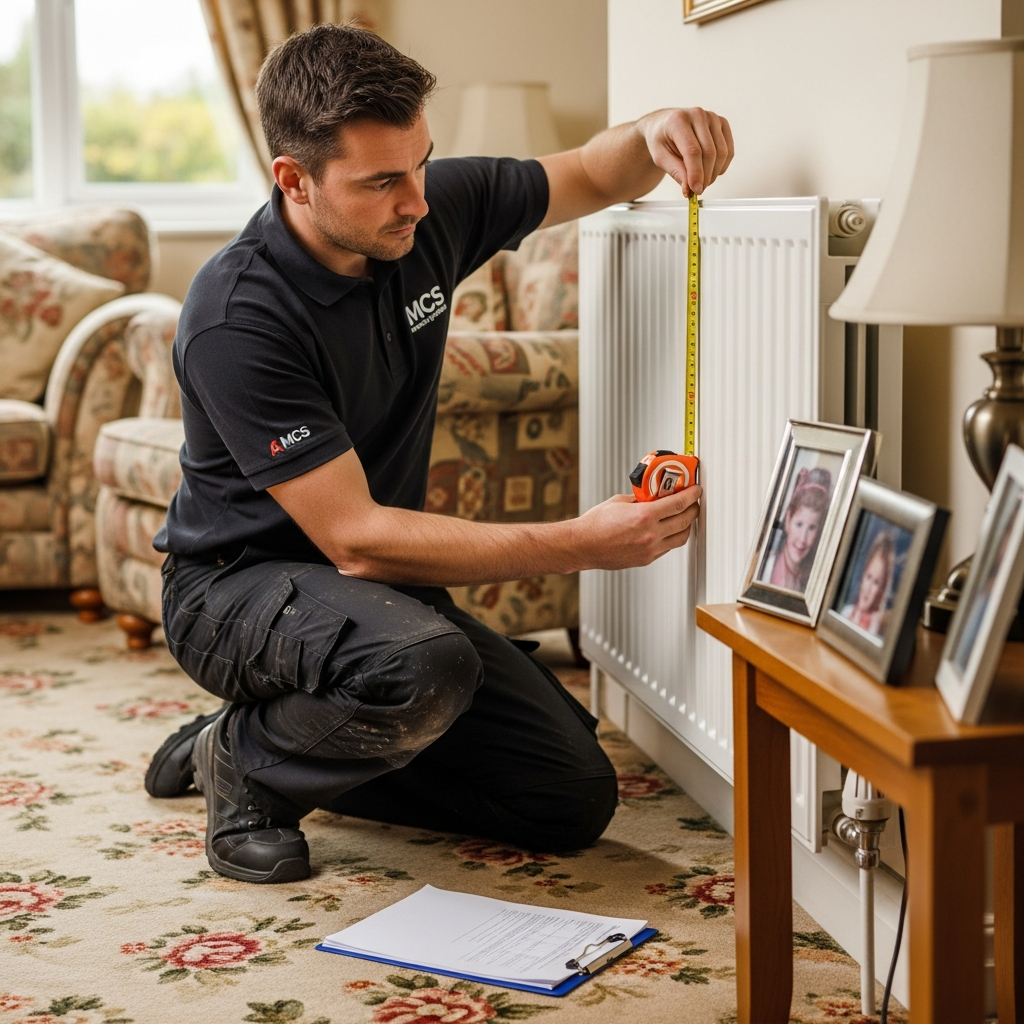
Borough-by-Borough Data
Solutions for London Flats
Several approaches are emerging for London's flat challenge:
- Communal heat pump systems: A single large heat pump serves an entire block, distributing heat to individual flats. Several London housing associations are piloting this approach
- Ground-floor external units: Ground-floor flats with patio access can accommodate a standard air source heat pump
- Wall-mounted outdoor units: Compact units can be wall-mounted on external walls, similar to air conditioning units
- Shared ground loops: Ground source systems with shared boreholes can serve multiple flats efficiently
London Houses: The Easier Opportunity
London has approximately 1.5 million houses (detached, semi-detached, and terraced). These are fundamentally as suitable for heat pumps as houses anywhere else in the UK. The main considerations specific to London houses are generally higher installation costs (10-20% premium), tighter gardens requiring careful positioning, more conservation area and listed building constraints, and parking and access for installer vehicles. For London house owners, the cost guide and grants guide apply as standard, with the BUS grant reducing out-of-pocket costs to competitive levels. Adding solar panels in London delivers strong returns given the capital's relatively high electricity usage.
Conservation Areas and Listed Buildings
London has approximately 1,000 conservation areas — more than any other UK city. Heat pump installations in these areas typically require planning permission for the outdoor unit. However, most applications are approved, often with conditions about screening and positioning. Several London boroughs have streamlined their processes for renewable heating applications.
London Installation Costs
| Cost Component | London | National Average | Premium |
|---|---|---|---|
| Equipment | £5,500 | £5,200 | +6% |
| Labour | £4,800 | £3,800 | +26% |
| Ancillaries | £3,200 | £3,000 | +7% |
| Total before grant | £13,500 | £12,000 | +13% |
| After BUS grant | £6,000 | £4,500 | — |
Get London-specific quotes
Get free MCS installer quotesCompare quotes from experienced London installers.
London's Heat Pump Future
London's heat pump adoption is expected to accelerate through communal system deployment in social housing and private blocks, growing awareness and demand among house owners, borough-level support programmes, the clean heat market mechanism driving manufacturer activity, and innovative compact solutions for urban installations. The potential is enormous — 1.5 million London houses could install heat pumps today with existing technology.
Frequently Asked Questions
Why does London have fewer heat pumps?
54% flats, near-universal gas grid, smaller gardens, more conservation areas, and higher installation costs.
Can you install a heat pump in a London flat?
Yes for ground-floor flats with external access. Upper floors require communal systems or wall-mounted units with freeholder consent.
Are heat pumps more expensive in London?
10-20% more expensive due to higher labour costs. The BUS grant of £7,500 applies equally.
Which boroughs have the highest adoption?
Outer boroughs with more houses: Richmond, Bromley, Kingston, Croydon, and Harrow.
What solutions exist for London flats?
Communal systems, ground-floor installations, wall-mounted units, and shared ground loops.
Explore heat pump options for your London home
Calculate your costsPersonalised estimate including London-specific factors.
London in the UK Heating Transition
London's heat pump challenge requires urban-specific solutions alongside the national BUS grant framework. As communal systems scale and compact technologies improve, the capital's 3.6 million households represent an enormous opportunity for heat pump deployment. Combined with London's strong solar potential and progressive borough-level policies, the pathway to decarbonised heating exists — it simply requires tailored approaches for the capital's unique housing stock.